

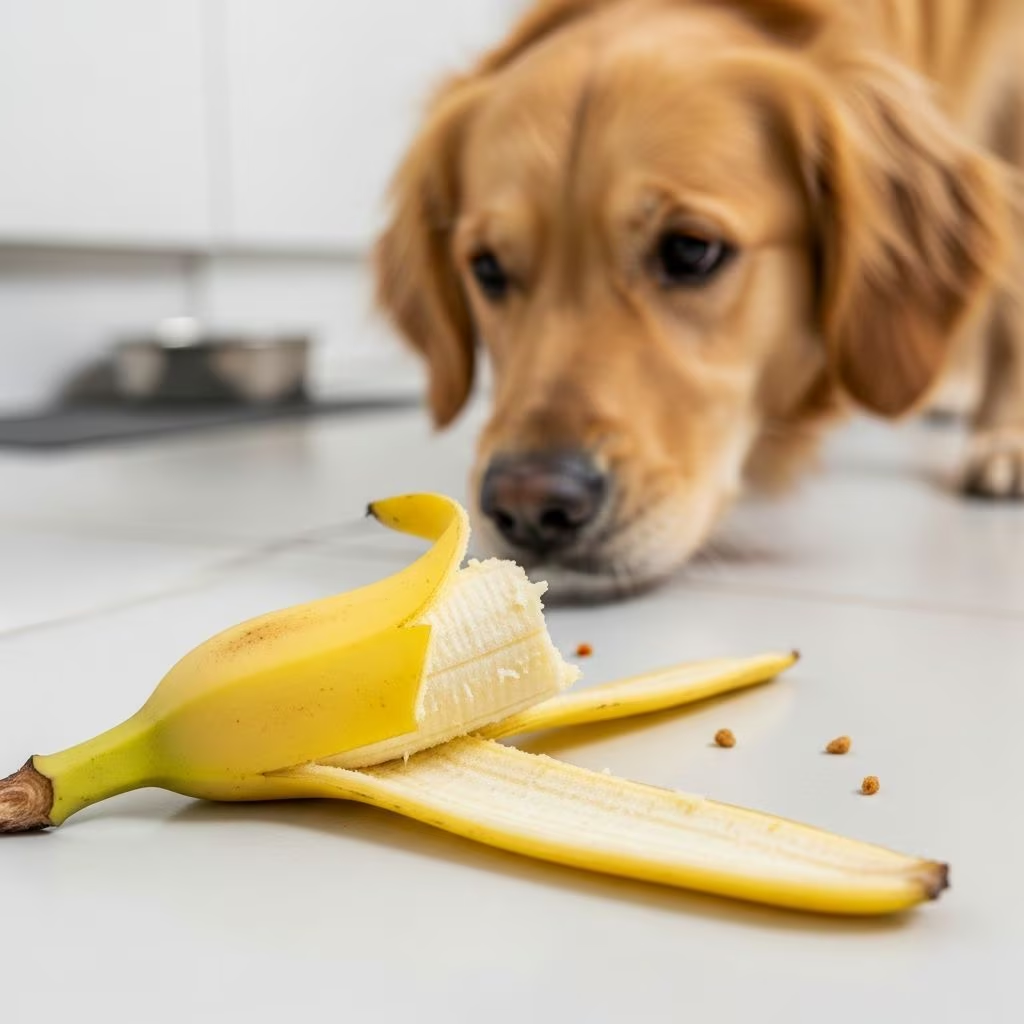
As a dog owner, you want to keep your canine companion safe from potential hazards, and questions about what foods are safe often arise during everyday situations. When your dog sneaks a banana peel off the counter or finds one in the trash, you may wonder whether this incident requires immediate concern. While banana peels are not inherently toxic to dogs, they do present several health considerations that every responsible pet owner should understand.
Understanding the Nature of Banana Peels and Canine Digestion
Banana peels are not poisonous to dogs in the way that certain other foods—such as chocolate, grapes, or xylitol-containing products—are toxic. However, this does not mean they are entirely safe or without risk. The fundamental issue with banana peels relates to their physical and chemical composition, which can interact problematically with your dog’s digestive system.
The outer skin of a banana contains significantly elevated levels of dietary fiber compared to the fruit inside. This concentrated fiber content creates challenges for canine digestion because dogs’ digestive tracts are not designed to process such dense fibrous material efficiently. Additionally, if the banana was not organically grown, the peel may retain pesticide residues that could pose additional health risks.
Primary Health Risks Associated with Peel Consumption
Digestive Obstruction and Blockage Concerns
The most serious potential consequence of banana peel ingestion is **intestinal blockage**. Although blockages from banana peels are uncommon, they represent a genuine emergency when they occur. The peel’s fibrous structure and tendency to remain relatively intact as it moves through the gastrointestinal tract make it prone to lodging in the small intestine or stomach, particularly in smaller dog breeds.
An intestinal blockage can require emergency surgical intervention to resolve, and the longer the blockage persists without treatment, the greater the risk of tissue damage, infection, and life-threatening complications. This is why prompt veterinary attention becomes critical if you suspect your dog may have developed an obstruction.
Gastrointestinal Upset and Discomfort
Beyond the blockage risk, banana peels frequently trigger immediate digestive distress. The high fiber content can shock your dog’s system, particularly if they are not accustomed to consuming such material. This disruption typically manifests as vomiting, diarrhea, or abdominal discomfort. While these symptoms are often temporary and resolve without intervention, they indicate that your dog’s digestive system is struggling to process the foreign material.
Pesticide Exposure
Conventionally grown bananas are frequently treated with pesticides to protect the fruit during cultivation and transport. When your dog consumes a non-organic banana peel, they may ingest these chemical residues, which can accumulate in their system over time. This exposure adds another layer of concern beyond the mechanical digestive challenge.
Recognizing Warning Signs in Your Dog
After your dog has consumed a banana peel, careful observation during the following 24 to 48 hours becomes essential. Knowing which symptoms warrant concern helps you determine whether veterinary intervention is necessary.
Immediate Distress Indicators
- Choking or respiratory difficulty — If your dog shows signs of struggling to breathe, gasping, or exhibits obvious choking behavior, seek emergency veterinary care immediately
- Severe gagging or retching — Persistent, forceful attempts to vomit or clear the throat may indicate the peel is stuck
- Drooling or pawing at the mouth — These behaviors suggest oral discomfort or obstruction
Digestive System Red Flags
- Vomiting and diarrhea — While mild instances may resolve independently, persistent vomiting lasting more than a few hours warrants veterinary evaluation
- Abdominal pain — Watch for restlessness, whimpering, unusual postures (particularly the “prayer position” with rear end elevated), or reluctance to move
- Constipation or absence of bowel movements — If your dog has not had a normal bowel movement within 24 hours, this could indicate an obstruction
- Straining during defecation — Difficulty or struggle when attempting to pass stool suggests possible blockage
Systemic Symptoms of Serious Complications
- Lethargy and weakness — Unusual tiredness, reluctance to engage in normal activities, or general listlessness may indicate an obstruction affecting overall health
- Loss of appetite — Refusing food or showing diminished interest in eating can signal gastrointestinal distress
- Weight loss — Rapid or noticeable weight loss following peel ingestion warrants investigation
- Unusual behavior or disorientation — Changes in personality, confusion, or atypical responses may indicate serious complications
Immediate Steps to Take After Peel Ingestion
Initial Response and Veterinary Contact
Your first action should be to **contact your veterinarian**. Describe the incident clearly, including how much peel your dog consumed and approximately when ingestion occurred. Your veterinarian can provide guidance specific to your dog’s size, age, and health status.
Do not attempt to induce vomiting without explicit veterinary direction. While inducing vomiting might seem beneficial, having the rough banana peel travel back up the esophagus poses serious choking risks and can damage the throat and mouth tissues. This procedure requires professional expertise and equipment.
Home Monitoring Protocol
If your veterinarian advises home monitoring rather than an immediate visit, establish a systematic observation routine:
- Record your dog’s behavior, appetite, and bowel movements every 4-6 hours
- Note the timing and appearance of any vomiting or diarrhea
- Take photographs of any vomited material to share with your veterinarian—this helps them assess whether the peel has been expelled
- Maintain a log of symptoms that might develop, along with timestamps
Hydration and Nutrition Management
Ensure your dog has constant access to fresh, clean water to prevent dehydration, which can occur with vomiting or diarrhea. If gastrointestinal upset is occurring, consider feeding a bland diet consisting of boiled, unseasoned chicken and plain white rice in small portions. This gentle nutrition allows the digestive system to rest while maintaining caloric intake.
Withhold regular food for 12 to 24 hours if vomiting has occurred, but always maintain water availability. As your dog stabilizes, gradually reintroduce their normal diet over several days.
Veterinary Diagnostic and Treatment Approaches
Diagnostic Procedures
When your veterinarian suspects an obstruction, they employ several diagnostic tools to confirm their assessment:
- Physical examination — Your veterinarian will palpate your dog’s abdomen to identify areas of pain or abnormal masses
- X-ray imaging — Radiographs reveal the location of the banana peel and any signs of blockage or gas accumulation
- Ultrasound — This minimally invasive imaging technique provides detailed visualization of abdominal organs and the peel’s position
- Endoscopy — In complex cases, a flexible camera inserted into the stomach allows direct visualization of foreign bodies
Treatment Options
Conservative management involves close monitoring, fluid therapy, and dietary modifications. Many cases of mild obstruction resolve with time and supportive care.
Surgical intervention becomes necessary when the peel causes significant blockage or if the obstruction fails to resolve within a reasonable timeframe. During surgery, your veterinarian carefully removes the peel and inspects the digestive tract for damage. When caught early, most dogs recover completely from surgical removal.
Risk Factors That Increase Severity
Certain factors make banana peel ingestion more problematic for some dogs than others:
| Risk Factor | Why It Matters |
|---|---|
| Small breed size | Small dogs have proportionally narrower digestive passages, making blockage more likely |
| Multiple peels consumed | Greater volume substantially increases blockage risk and requires immediate veterinary evaluation |
| Previous gastrointestinal issues | Dogs with sensitive digestion or prior blockages face higher complication rates |
| Pesticide exposure | Non-organic peels may contain chemical residues that compound digestive irritation |
| Allergic predisposition | Some dogs may have food allergies causing anaphylaxis or severe inflammatory responses |
Prevention Strategies for Pet Safety
Rather than managing complications after they occur, preventing banana peel ingestion is far preferable:
- Store bananas in a location inaccessible to your dog, such as a high shelf or closed cabinet
- Discard banana peels immediately in a secured trash container, not left on counters or tables
- Supervise your dog when eating bananas around them, ensuring peels are removed and disposed of safely
- If offering banana as a treat, remove the peel completely and cut the fruit into small, manageable pieces
- Educate family members and visitors about this hazard to ensure consistent safety protocols
- Consider choosing safer fruit alternatives, such as small pieces of apple (without seeds), blueberries, or watermelon
Common Questions About Banana Peels and Dog Safety
Can banana peels be fatal to dogs?
While fatal outcomes are uncommon, banana peels can theoretically be life-threatening through intestinal blockage complications. Untreated blockages can lead to tissue necrosis, peritonitis, or systemic infection, all of which carry serious health consequences. Immediate veterinary care dramatically improves survival outcomes.
How quickly should symptoms appear?
Symptoms vary depending on the obstruction’s severity and location. Some dogs vomit within hours, while others may show signs gradually over 24 to 48 hours. This variability makes ongoing monitoring essential even if your dog initially appears unaffected.
Is the flesh of the banana safe for dogs?
Yes, the banana fruit itself (without the peel) is safe for dogs and can serve as an occasional treat. The fruit contains beneficial nutrients and is easily digestible, making it preferable to offering the peel.
What if my dog ingested only a small piece of peel?
Even small pieces pose potential risks. Monitor closely for any symptoms, but a tiny amount is less likely to cause blockage than consuming an entire peel. Contact your veterinarian for personalized guidance based on your dog’s size and the amount consumed.
Should I force my dog to vomit at home?
Never attempt home-induced vomiting. This can cause severe damage to the esophagus and mouth, and the peel may lodge in the throat, causing choking. Only licensed veterinarians should perform this procedure when appropriate.
Summary and Key Takeaways
While banana peels are not toxic in a poisoning sense, their physical and chemical properties create legitimate health risks for dogs. The concentrated fiber content, potential pesticide residues, and shape make them difficult to digest and capable of causing serious obstructions. Pet owners who accidentally allow their dogs to consume banana peels should remain alert for warning signs, maintain hydration, and contact their veterinarian promptly if concerning symptoms develop. With swift veterinary intervention and proper care, most dogs recover fully from banana peel ingestion. However, prevention through careful food management remains the most effective strategy for keeping your dog safe and healthy.
References
- My Dog Ate a Banana Peel: Vet-Reviewed Signs, Complications — Dogster. Accessed January 2026. https://www.dogster.com/dog-health-care/my-dog-ate-a-banana-peel
- My Dog Just Ate A Whole Banana Peel! What Should I Do? — Canine Journal. https://www.caninejournal.com/dog-ate-banana-peel/
- My dog just ate a banana peel, should I be worried? — Dial A Vet. https://www.dialavet.com/ask-a-vet/dog-ate-banana-peel-4321
- Can Dogs Eat Bananas: Everything You Need to Know — Pawlicy. https://www.pawlicy.com/blog/can-dogs-eat-bananas/
- Can Dogs Eat Bananas? — PetMD. https://www.petmd.com/dog/nutrition/can-dogs-eat-bananas



