

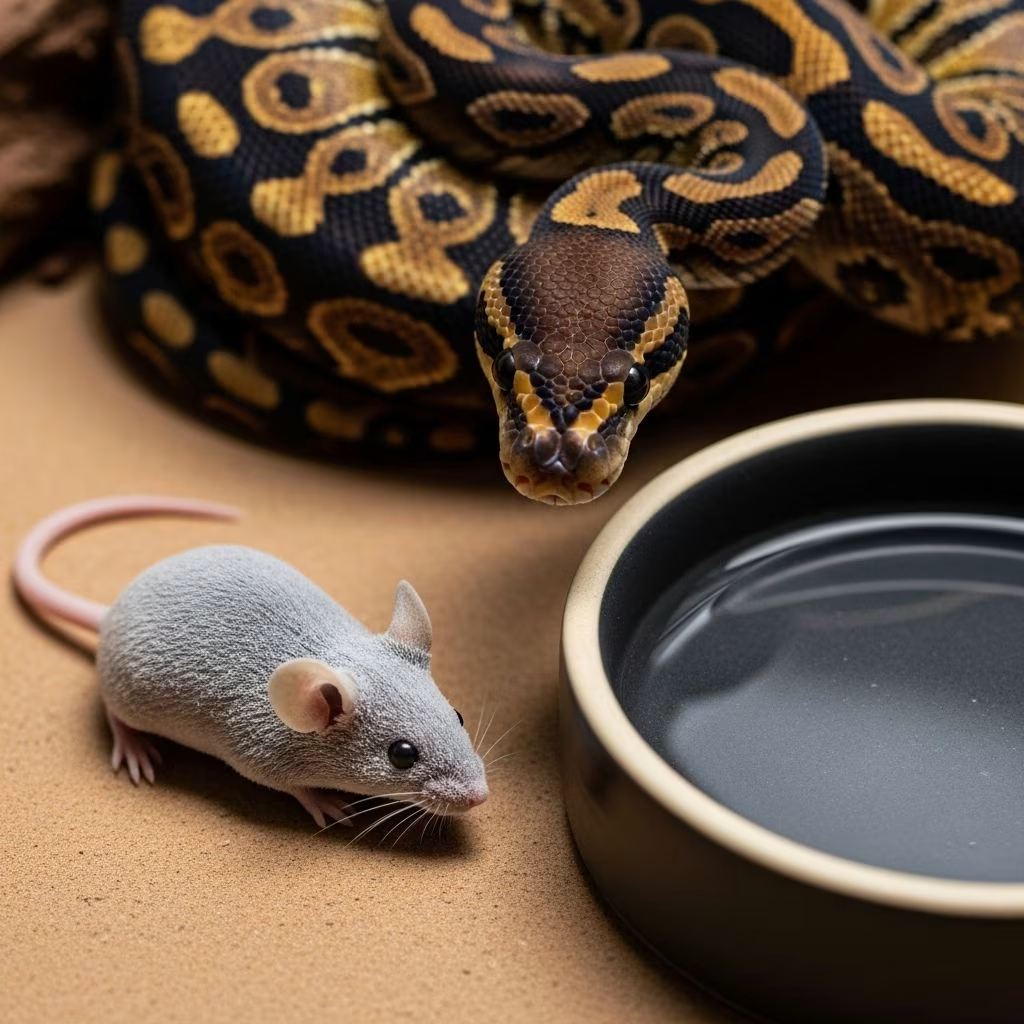
Ball pythons require precise dietary management to support growth, vitality, and longevity as obligate carnivores dependent on whole prey for complete nutrition. Proper feeding practices prevent obesity, nutrient gaps, and health complications while mimicking natural foraging patterns.
Fundamentals of Ball Python Dietary Needs
These snakes thrive on rodents like rats and mice, which provide essential proteins, fats, and micronutrients when consumed whole. Frozen-thawed prey is preferred over live options to eliminate injury risks from defensive rodents, ensuring safer meals without compromising nutritional value.
Prey should approximate 10% of the snake’s body weight for balanced intake—too small leads to frequent hunger, while oversized items cause regurgitation or undue stress. Variety in species, such as alternating rats and gerbils, enhances dietary completeness and reduces pickiness over time.
Age-Specific Feeding Schedules
Feeding frequency adjusts with maturity to match metabolic shifts. Hatchlings demand more regular nourishment for rapid development, whereas adults sustain on infrequent, substantial meals reflective of wild cycles where prey is sporadic.
| Life Stage | Weight Range | Frequency | Prey Example |
|---|---|---|---|
| Hatchlings | Up to 100g | Every 5-7 days | Small rat pinkies or fuzzies (10-15g) |
| Juveniles | 100-500g | Every 7-14 days | Medium rat pups (20-50g) |
| Subadults | 500-1500g | Every 2-3 weeks | Small-medium rats (50-120g) |
| Adults | Over 1500g | Every 4-6 weeks | Medium-large rats (120-180g) |
This table draws from established care protocols; weigh your snake monthly (pre-feed, post-defecation) to fine-tune portions and monitor condition.
Selecting and Preparing Optimal Prey
Transition hatchlings to rats early to sidestep future refusals, as mice become inadequate for mature snakes. Source from reputable breeders for pathogen-free stock, storing frozen until use. Thaw in warm water (not microwave) to 100°F, then scent with rodent bedding if needed to trigger strikes.
- Thawing method: Submerge in 100°F water for 30-60 minutes; test with probe thermometer.
- Warming technique: Brief hairdryer or warm water bath to mimic live body heat.
- Scenting options: Chicken broth, musk glands, or prior prey bedding for picky eaters.
Feed within the enclosure to minimize stress, using tongs for assisted strikes if necessary. Nighttime offerings align with their crepuscular activity peaks.
Supplementation for Nutritional Balance
Whole prey generally suffices, but periodic dusting with calcium (with D3 sans UVB) and multivitamins addresses potential deficiencies from prey variability. Replace powders every six months due to vitamin degradation. Over-supplementation risks toxicity, so limit to biweekly for juveniles, monthly for adults.
Recognizing Healthy Body Condition
Monitor via spine visibility, muscle tone, and ventral scale alignment. Ideal adults show subtle spine outlines post-digestion, tapering tails, and alert posture. Overfeeding yields rounded coils and obscured scales; underfeeding reveals prominent vertebrae.
- Obese signs: Bulging flanks, heavy tail base, regurgitation post-meal.
- Underweight cues: Sunken eyes, wrinkled skin, lethargy.
- Adjustment tip: Scale prey to 8-12% body weight if gaining excessively.
Natural Fasting Periods and Management
Refusals are routine, especially in cooler seasons, brumation mimics, or breeding phases—wild adults eat ~10 times yearly. Young females at 1000g often hit ‘the wall,’ skipping months without alarm if hydrated and warm. Resume offers every 7-14 days without force-feeding.
Troubleshooting Refusal and Striking Issues
New arrivals may skip initial meals due to relocation stress; attempt first feed same evening to affirm safety. Persistent issues warrant environmental checks: 88-92°F warm side, 78-82°F cool, 50-60% humidity.
- Dim lights fully at night for naturalistic cues.
- Match prior diet; scent/warm aggressively.
- Reduce handling 48 hours pre-feed.
- Try brain-scenting or repositioning thawed prey.
- Consult vet for prolonged fasts (>3 months adults).
Erratic scheduling (within windows) bolsters feeding responses over rigid calendars.
Enclosure Setup for Successful Feeding
Secure hides, clutter-free floors, and proper gradients encourage confident strikes. Avoid glass-front distractions; paper towel rolls differentiate handling from meals. Clean post-feed to prevent bacterial growth.
Common Myths Debunked
- Myth: Live prey is superior. False—risks severe bites; thawed matches nutrition.
- Myth: Daily offers help. Increases stress, worsens refusals.
- Myth: Fixed schedules prevent aggression. Snakes distinguish cues; train with hooks.
FAQs
What if my ball python regurges?
Handle minimally, maintain warmth/humidity, retry smaller prey after 7-10 days. Check for improper size or colds.
Can I feed quail or chicks?
Occasionally for variety post-rat establishment, but rodents primary to avoid allergies.
How to weigh prey accurately?
Digital scale post-thaw; aim 10% snake weight.
Is UVB needed for feeders?
Not essential with D3 calcium, but aids if used.
When to worry about fasting?
Adults: 2-3 months if active; juveniles: 3-4 weeks prompts vet visit.
Long-Term Health Through Smart Feeding
Consistent monitoring yields vibrant pets living 20-30+ years. Partner with breeders for proven eaters; track logs for patterns. Balance prevents metabolic bone disease, obesity-linked issues.
References
- Ball Python Feeding Tips | ReptiFiles’ Ball Python Care Guide — ReptiFiles. 2023. https://reptifiles.com/ball-python-care-guide/ball-python-feeding/
- Ball Python Complete Food Guide — Zen Habitats. 2024. https://www.zenhabitats.com/blogs/reptile-care-sheets-resources/ball-python-complete-food-guide
- Dealing with Feeding Problems in Ball Pythons — Wilbanks Reptiles. 2023. https://www.wilbanksreptiles.com/blogs/mastering-ball-pythons-expert-insights-for-ultimate-care/dealing-with-feeding-problems-in-ball-pythons-a-comprehensive-guide
- Ball Pythons – Care & Feeding Guide — KP Exotic Pets. 2022. http://kpexotics.com/Main/ball-pythons-care-feeding-guide/
- The Ultimate Guide to Ball Python Care — The Tye-Dyed Iguana. 2024. https://thetyedyediguana.com/blog/the-ultimate-guide-to-ball-python-care-b4f3f4/
- Feeding a Ball Python — WebMD. 2023. https://www.webmd.com/pets/feeding-a-ball-python
- Ball Python Care — Chicago Exotics Animal Hospital. 2022. http://www.exoticpetvet.com/ball-python-care.html



