

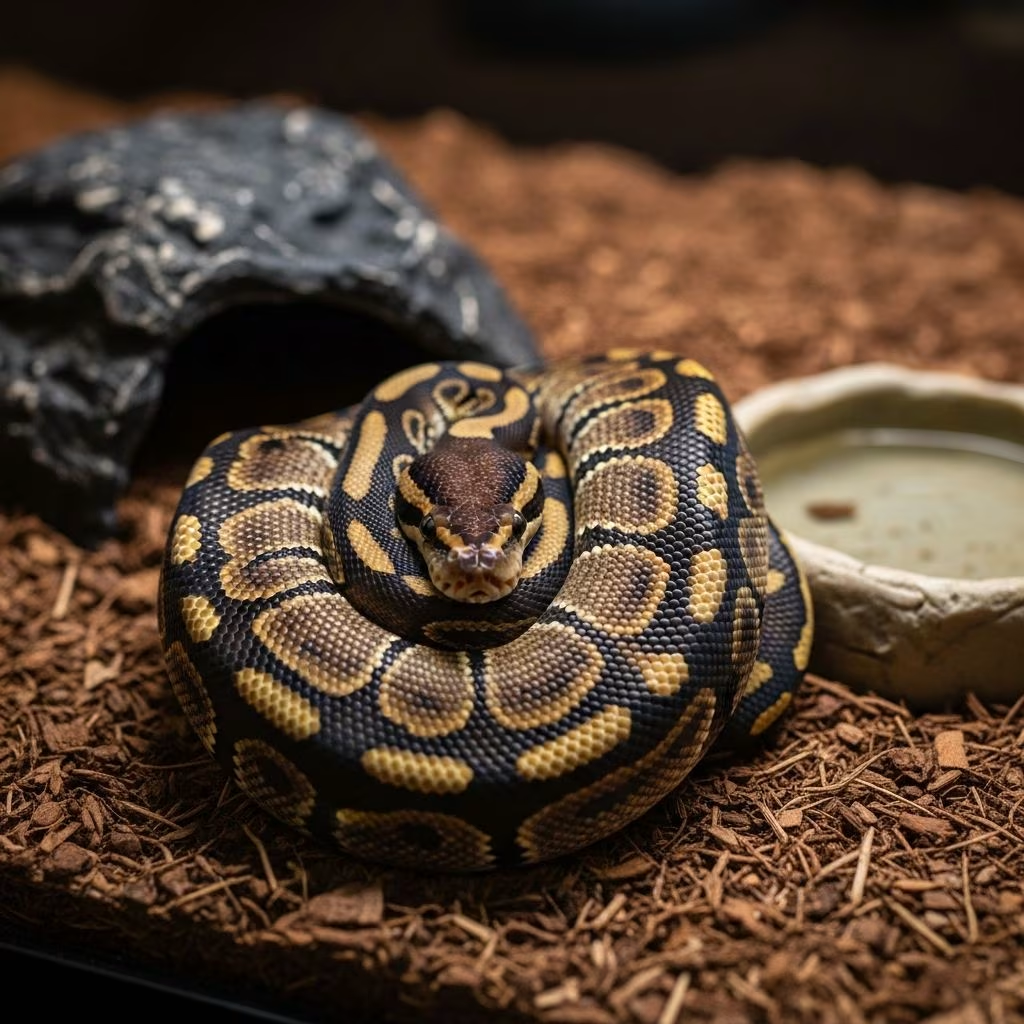
Why Your Ball Python Won’t Eat and What to Do
Ball pythons are generally docile and food-motivated creatures, but even the most well-adjusted ball python may periodically refuse to eat. This behavior can be concerning for pet owners, yet in most cases, a skipped meal is not an emergency. Understanding the underlying causes of feeding refusal is essential for maintaining your ball python’s health and well-being. By systematically addressing potential issues with your snake’s environment and feeding practices, you can usually resolve the problem and restore your pet’s appetite within a short time frame.
Common Reasons Your Ball Python Won’t Eat
Ball pythons stop eating for a variety of reasons, ranging from environmental stress to specific feeding-related issues. According to reptile veterinary experts, when a ball python goes off feed, the first step should always be examining the overall care conditions, as there is typically something that has changed or been overlooked. Identifying which factor is causing the refusal to eat allows you to make targeted corrections.
Environmental Factors
Environmental conditions have the most significant impact on your ball python’s feeding behavior. Ball pythons are sensitive to stress, and improper enclosure setup can cause them to lose their appetite entirely. The following environmental factors should be evaluated:
Lack of Hiding Spaces and Clutter
One of the most common environmental issues is an enclosure that lacks adequate hiding spaces. Ball pythons feel secure when they have multiple places to retreat, and a sparse, open enclosure creates significant stress. When a ball python is transferred from a small container to a large enclosure without sufficient hiding spots, it may stop eating immediately. Your enclosure should contain at least three hides—one on the warm side, one on the cool side, and one in the middle of the enclosure. Adding clutter such as plants (real or artificial), branches, and other decorations helps your ball python feel more secure.
Temperature Regulation
Ball pythons, like all reptiles, are ectothermic and rely on their environment to regulate body temperature. They move between warm and cool zones to maintain their optimal metabolic temperature. Check both sides of your terrarium with a reliable thermometer. The warm side should maintain temperatures between 88-92°F, while the cool side should remain between 75-80°F. If temperatures fall outside these ranges, your ball python may become too lethargic to eat or may refuse food entirely due to improper digestion conditions.
Humidity Levels
Humidity is another critical environmental factor that many keepers struggle to maintain properly. While ball pythons require moderate humidity, excessive moisture can cause respiratory issues and stress. Ideal humidity for ball pythons ranges from 50-60%. To maintain appropriate humidity, use a substrate mixture of coconut fiber and sphagnum moss, which retains moisture effectively without becoming waterlogged. Avoid adding too much water to the substrate or misting your ball python directly, as this can create unhealthy conditions. If you’re using a glass enclosure, humidity may be difficult to maintain; consider switching to a PVC enclosure, which retains moisture more effectively than glass.
Feeding-Related Issues
Beyond environmental concerns, problems directly related to feeding can cause your ball python to refuse food. Understanding these feeding-related issues helps you adjust your approach and determine what your ball python prefers.
Prey Size Matters
One of the most common feeding mistakes is offering prey that is too large. Although a snake’s jaw is remarkably flexible, it cannot actually dislocate. Prey animals should be no larger than approximately 1.25 times the width of your ball python’s body at its widest point. When in doubt, choose the smaller rodent to ensure safe consumption. Oversized prey not only creates feeding refusal but can also cause injury or digestive complications.
Transitioning Between Food Types
Ball pythons can be notoriously picky eaters and often develop strong preferences for specific types of food. If your snake has been eating live prey and you want to switch to frozen-thawed food, the transition should occur gradually. Some ball pythons may waste several frozen feeders before accepting the change. Conversely, if you’re switching between different rodent types or sizes, introduce these changes slowly to avoid feeding refusal. Offering what your snake currently prefers while gradually introducing alternatives helps establish new eating habits more effectively.
Feeding Timing
Timing is crucial when offering food to your ball python. Ball pythons have natural activity cycles, and feeding when they are naturally active increases the likelihood of feeding acceptance. Most ball pythons are more active during evening and night hours. Observing your snake’s activity patterns and feeding during these periods can significantly improve feeding success rates.
Food Temperature
Ball pythons detect prey using heat-sensing pits located along their lips. Frozen-thawed rodents must be warmed to approximately 100°F before offering them to your snake. If the feeder is too cold, your ball python may not trigger a feeding response and will refuse the meal. Always use warm water to thaw frozen rodents and verify the temperature before presentation. A cold feeder can also indicate that your snake is too lethargic due to improper enclosure temperatures.
What To Do If Your Ball Python Won’t Eat
If your ball python has skipped a meal, the first step is remaining calm. One missed feeding is not an emergency unless your snake shows visible signs of illness or distress. However, you should immediately begin troubleshooting to prevent repeated refusals from establishing a negative feeding pattern.
Check The Conditions First
Begin by conducting a comprehensive evaluation of your enclosure:
- Verify temperatures on both the warm and cool sides using reliable thermometers
- Measure humidity levels with a hygrometer
- Confirm you have at least three appropriately sized hides
- Assess substrate condition and moisture levels
- Ensure adequate clutter and decorations for security
- Check for any recent changes or stressors in the enclosure environment
Make adjustments to temperature and humidity as needed, and add hiding spaces if they are insufficient. Clean the enclosure to remove any waste or debris that might cause stress. Allow 48-72 hours for your ball python to adjust to these corrections before attempting to feed again.
Adjust Feeding Methods
Once you’ve confirmed that enclosure conditions are optimal, focus on refining your feeding technique. Verify that frozen feeders are warmed to approximately 100°F before presentation. If environmental conditions are perfect and temperature is not the issue, consider these alternative feeding strategies:
Switch Up the Prey Animal
Ball pythons sometimes develop preferences for specific prey types. Many experienced keepers maintain two to three types of frozen feeders in their freezer to accommodate these preferences. If your snake refuses rats, try offering mice. If live food preferences exist, temporarily switching to live prey can restart the feeding cycle before gradually transitioning back to frozen-thawed options.
Use Feeding Tongs to Simulate Movement
Rather than simply dropping a dead rodent into the enclosure, use feeding tongs to create movement that mimics a living prey animal. This simulation of live prey behavior can trigger the feeding response in reluctant feeders. Gently move the prey around the enclosure to make feeding more engaging and interesting.
Simulate a Nest Raid
Place two to three small, warmed prey animals in a corner of the enclosure. This setup simulates a natural foraging scenario where multiple prey items are clustered together, which can stimulate feeding behavior in picky eaters. This technique often succeeds when single prey presentations fail.
Temporarily Switch to Live Food
If your ball python continues to refuse frozen-thawed prey after all adjustments, temporarily offering live food can restore the feeding cycle. Live prey provides immediate movement and heat cues that trigger powerful feeding responses. Once your snake begins eating regularly again, you can slowly reintroduce frozen-thawed options through scenting and gradual transitions.
Prevention Tips for the Future
Maintaining consistent feeding success requires establishing good practices and routines from the start. Ball pythons have relatively simple care requirements, and meeting these needs prevents most feeding issues:
Maintain Clean and Consistent Conditions
Establish a regular schedule for checking temperature, humidity, and enclosure cleanliness. Consistency in care prevents the environmental fluctuations that trigger feeding refusal. Change water daily and remove uneaten prey within 24 hours to maintain a clean, stress-free environment.
Develop a Feeding Routine
Feed your ball python on a consistent schedule—typically every 7-10 days for adults. Establishing predictable feeding times helps your snake develop positive eating habits and reduces stress associated with unexpected feeding attempts.
Minimize Stress Through Proper Handling
Handle your ball python gently and infrequently, especially around feeding time. Excessive handling causes stress, which directly impacts appetite. Allow at least 48 hours between feeding and handling to prevent regurgitation.
Monitor Weight and Behavior
Regularly monitor your ball python’s weight and overall behavior. A healthy ball python should maintain consistent weight and display alert, active behavior. Sudden weight loss or behavioral changes may indicate underlying health issues requiring veterinary attention.
Vary Prey Type, Size, and Feeding Intervals
Introduce variety in your feeding routine by occasionally alternating between mice and rats, or adjusting prey size. This prevents your snake from becoming too dependent on a single food type and maintains feeding flexibility.
Make Feeding Time Interesting
Transform feeding from a passive process into an engaging experience. Use feeding tongs, simulate movement, create nest raid scenarios, and vary your presentation methods to keep feeding interesting and stimulate natural foraging behaviors.
Frequently Asked Questions
Q: How long can a ball python go without eating?
A: Healthy adult ball pythons can safely go without food for extended periods. It is completely normal for an otherwise healthy established ball python to refuse food for several months without cause for concern. Some keepers report that their ball pythons have refused food for up to 12 consecutive months without experiencing adverse health effects.
Q: Is one skipped meal an emergency?
A: No. One skipped meal is not an emergency unless your ball python shows visible signs of distress or illness such as vomiting, respiratory issues, or lethargy. Discard the uneaten prey and attempt feeding again in a few days after making necessary environmental adjustments.
Q: Should I feed live or frozen-thawed prey?
A: Frozen-thawed prey is strongly recommended as the primary feeding option because it prevents the risk of injury from bites or scratches. Live prey should only be used temporarily if your ball python refuses frozen-thawed options. Frozen-thawed food must be properly warmed to trigger feeding response.
Q: How many hides does my ball python need?
A: Your ball python should have at least three hides—one on the warm side, one on the cool side, and one in the middle of the enclosure. Multiple hides reduce stress and create a sense of security that encourages normal feeding behavior.
Q: What is the ideal temperature for a ball python enclosure?
A: The warm side should maintain 88-92°F with a basking spot around 90°F, while the cool side should remain between 75-80°F. Proper temperature gradients allow your ball python to thermoregulate effectively and maintain optimal appetite and digestion.
Q: Can humidity affect my ball python’s appetite?
A: Yes. Improper humidity—either too high or too low—creates stress that suppresses feeding behavior. Maintain humidity between 50-60% using appropriate substrate and avoid excessive moisture that could cause respiratory issues.
Q: When should I contact a veterinarian?
A: Contact a reptile veterinarian if your ball python shows signs of illness, injury, significant weight loss, or refuses food for extended periods while appearing otherwise unwell. A veterinarian can rule out underlying health conditions that may require treatment.
References
- Why Your Ball Python Won’t Eat and What to Do — Chewy. 2025. https://www.chewy.com/education/reptile-and-amphibian/snake/ball-python-not-eating
- Here’s Why Your Ball Python Won’t Eat — Reptilinks. 2025. https://reptilinks.com/blogs/news/heres-why-your-ball-python-wont-eat
- Why Ball Pythons STOP Eating — And How to FIX Them! — JKR Reptiles. 2025. https://www.youtube.com/watch?v=qBSekNhKOGk
- Why Your Ball Python Refuses to Eat — Knisley’s Pet & Farm Center. 2025. https://kniselys.com/blog/84039/why-your-ball-python-refuses-to-eat
- Adult ball python refusing food for long periods — MorphMarket Community. 2025. https://community.morphmarket.com/t/adult-ball-python-refusing-food-for-long-periods/36208



