

Ball Python Care Guide: Everything You Need to Know
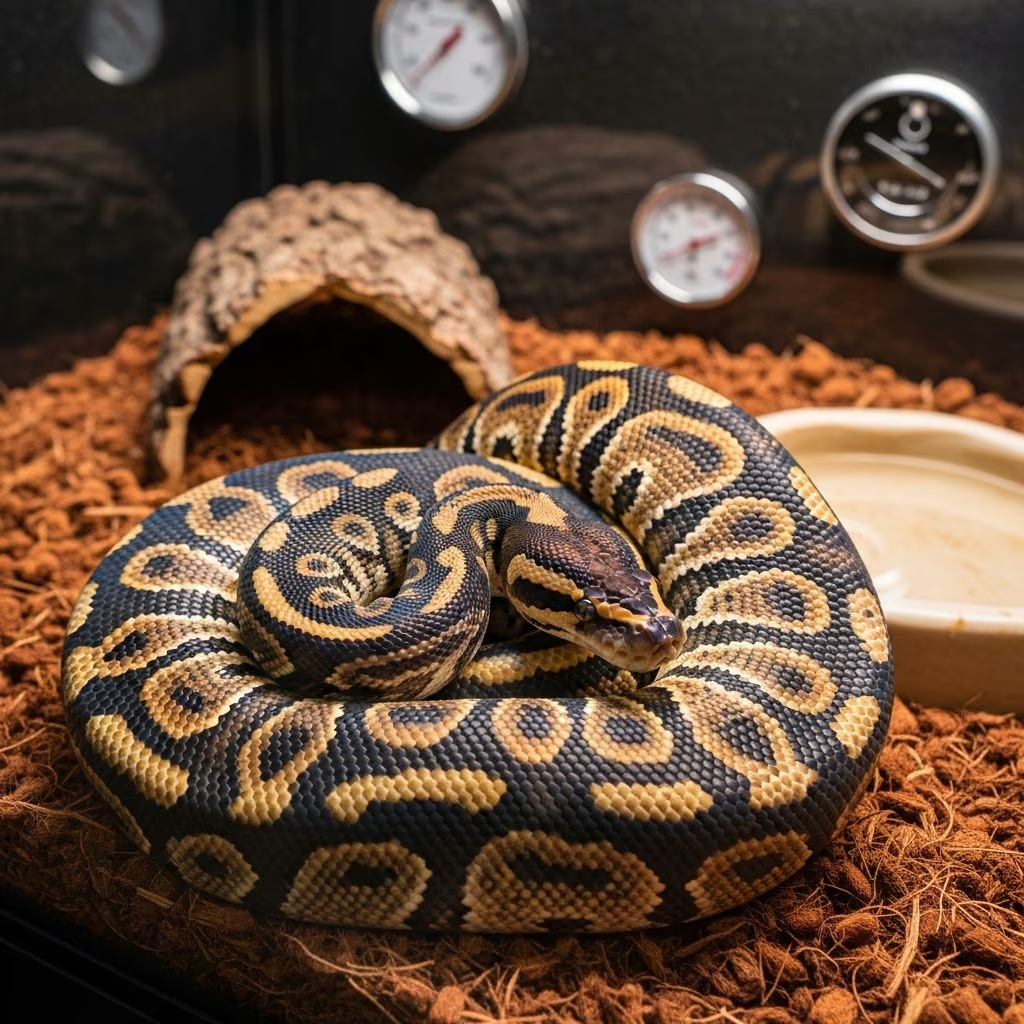
Ball pythons are among the most popular pet snakes for beginners and experienced keepers alike. Known for their docile temperament and manageable size, these beautiful snakes make excellent companions. Their care requirements are relatively straightforward, making them ideal for those new to snake ownership. This comprehensive guide covers everything you need to know to provide optimal care for your ball python.
Understanding Ball Pythons
Ball pythons are native to West Africa and are named for their distinctive defensive behavior of curling into a tight ball when stressed. These snakes are generally calm, slow-moving, and tolerate handling well once properly socialized. They typically live 15-20 years in captivity with proper care, making them a long-term commitment for any keeper. Their relatively small size, rarely exceeding 3-5 feet in length, makes them suitable for various living situations.
Enclosure Setup and Housing
Proper housing is fundamental to your ball python’s health and well-being. The enclosure serves as your snake’s entire world, so getting the setup right from the beginning is crucial.
Tank Size and Dimensions
A minimum 40-gallon breeder tank or equivalent (36″ x 18″ x 18″) is suitable for an adult ball python. While larger enclosures are acceptable, many keepers find that ball pythons feel more secure in appropriately sized tanks with adequate hiding spots. The enclosure should be escape-proof with a secure, locking lid to prevent accidental escapes.
Substrate Selection
Your choice of substrate affects humidity levels and overall enclosure maintenance. Coconut chips, aspen shavings, cypress mulch, or paper towels are all viable options. Coconut-based products naturally retain moisture and help maintain humidity levels, while paper towels offer easy cleaning and observation. Avoid cedar and pine, as these substrates are toxic to reptiles. Choose the substrate that best fits your maintenance routine and humidity management strategy.
Essential Enclosure Features
Your ball python enclosure must include several key elements for optimal care:
Water Bowls
Provide a heavy ceramic water bowl that your snake cannot easily tip over. The bowl should be large enough for your snake to soak in, as ball pythons absorb water through their skin for hydration. This is especially important during shedding periods. Change the water daily and ensure fresh, clean water is always available.
Hiding Spots
Ball pythons naturally prefer to remain hidden, and providing adequate hiding spots significantly reduces stress. Include at least three hides: one on the warm side of the enclosure, one on the cool side, and one in the middle area. You can use commercial hide boxes, PVC pipes, or natural decorations. Many keepers place a small amount of sphagnum moss inside hides to maintain localized humidity and provide comfort.
Environmental Enrichment
Add foliage, branches, and other clutter between hides to help your snake feel secure while moving throughout the enclosure. This enrichment also provides exercise opportunities. A ball python that rarely leaves its hide may simply be a ball python that feels secure—this is normal behavior and not a cause for concern.
Temperature and Heat Management
Proper temperature gradients are essential for digestion, metabolism, and overall health. Ball pythons require distinct warm and cool zones within their enclosure.
Temperature Gradients
Maintain a warm side temperature of 87-93°F (30-34°C), with a basking spot reaching 98-102°F (36-39°C). The cooler end of the enclosure should be maintained at 75-80°F (24-27°C). This temperature gradient allows your snake to thermoregulate by moving between warm and cool areas as needed. Most importantly, these temperatures should be achievable inside the hides themselves, not just the general enclosure area.
Heat Sources
Multiple heating options are available for ball pythons. Under-tank heating pads or heat tape provide ground-level warmth, while basking bulbs deliver heat from above. Many experienced keepers use a combination of both for optimal results. If using a basking bulb, ensure your snake cannot come into direct contact with it to prevent burns. Thermostat controls help maintain consistent temperatures and prevent overheating.
Temperature Monitoring
Use reliable thermometers to monitor both warm and cool sides of the enclosure. Infrared thermometers or digital temperature gauges provide accurate readings. Check temperatures daily to ensure they remain within the appropriate ranges. Some variation is natural and acceptable; if your ball python is uncomfortable, it will simply move to a different area of the enclosure.
Humidity and Lighting
Humidity Levels
Ball pythons require humidity levels between 40-60%, with increased humidity of around 70% during shedding cycles. Use a hygrometer to measure enclosure humidity daily. If using coconut chip substrate, mist the enclosure once to twice daily to maintain proper humidity levels. Paper towel substrates require less frequent misting but still need monitoring. Proper humidity supports respiratory health, aids in shedding, and helps maintain hydration.
Lighting Requirements
Ball pythons do not require specialized UVB lighting, though it can be beneficial. The most important lighting consideration is maintaining a clear day-night cycle with 12 hours of light and 12 hours of darkness. During summer months, some keepers increase this to 16 hours of light and 8 hours of darkness. Ensure your enclosure experiences complete darkness for at least 8 hours daily by turning off all lights and heat sources.
Feeding Your Ball Python
Feeding Schedule
Feed juvenile ball pythons every 5-7 days and adult ball pythons every 7-10 days. Prey size should be appropriate to your snake’s body size—generally, prey should be similar in diameter to the thickest part of your snake’s body. Frozen-thawed prey is safer than live prey, as live prey can injure your snake.
Prey Options
Common prey items include frozen-thawed mice and rats. Many keepers maintain a freezer stock of two to three different prey types to provide variety and encourage consistent feeding. If your ball python refuses one type of prey, offering an alternative often stimulates feeding response.
Feeding Techniques
Thaw frozen prey properly before offering it to your snake. Remove the needed food items and place them in a sealed plastic bag in cold water until thawed. Then warm the prey in hot water for 10-15 minutes before feeding. Use feeding tongs to simulate movement and make feeding more interesting. Some keepers simulate a nest raid by warming and tucking two to three small prey items into a corner of the enclosure. This technique often triggers feeding response in reluctant feeders.
When Your Ball Python Won’t Eat
One skipped meal is not an emergency unless your snake shows visible signs of distress or illness. If your ball python refuses food, first check enclosure conditions including temperature, humidity, and the number of hides available. There should be at least three hides total. Make adjustments to environmental conditions and try again in a few days. Temporarily switching to live food, varying prey type, or adjusting feeding intervals may help resume normal feeding behavior.
Enclosure Maintenance and Cleaning
Regular Cleaning Schedule
Clean and disinfect your ball python’s habitat at least once weekly. Remove your snake to a secure temporary enclosure before beginning the cleaning process. Remove all old substrate, décor, and accessories from the habitat.
Cleaning Process
Scrub the empty tank and furnishings with a commercial reptile habitat cleaner or a 3% bleach solution. If using bleach, allow the solution to remain on surfaces for at least 10 minutes to ensure proper disinfection. Rinse the habitat and accessories thoroughly with water, removing all traces of cleaning agent or bleach. Allow everything to dry completely before replacing substrate and accessories. Always wash your hands before and after handling your snake or its enclosure, as reptiles can carry infectious diseases.
Handling and Socialization
Ball Python Temperament
Most ball pythons are docile and tolerate handling well once properly socialized. However, like all snakes, they may strike if they feel ill, stressed, or threatened. During shedding periods, when eye caps become loose and impair vision, snakes may mistake human hands for food sources. Avoid or minimize handling during these times.
Safe Handling Practices
Always approach your ball python calmly and quietly. Support their body properly to prevent falls. Handle your snake regularly but respectfully, keeping sessions relatively brief initially. Most ball pythons become comfortable with their owners over time and may appear to enjoy interaction. Remember that ball pythons are not venomous and pose minimal danger when handled appropriately.
Health and Veterinary Care
Annual Veterinary Exams
Schedule annual veterinary check-ups with a reptile veterinarian. Transport your snake in a ventilated plastic container with a secure lid, with or without a snake bag. Bring pictures of your enclosure, heating equipment, lighting specifications, and documentation of your feeding routine to your appointment. This information helps your veterinarian assess your care practices and identify potential issues.
Common Health Indicators
Monitor your ball python’s weight and behavior regularly. Consistent feeding, normal shedding cycles, and alert behavior indicate good health. Watch for signs of respiratory distress, unusual letharness, or changes in feeding habits. Proper enclosure conditions prevent most health issues before they develop.
Frequently Asked Questions
Q: How long do ball pythons live?
A: Ball pythons typically live 15-20 years in captivity with proper care, making them a significant long-term commitment.
Q: Can ball pythons be housed together?
A: No, ball pythons should be housed individually to prevent stress, feeding competition, and potential injury or cannibalism.
Q: What is “ball python” about their name?
A: The name comes from their defensive behavior of curling into a tight, ball-shaped coil when frightened or stressed.
Q: Are ball pythons venomous?
A: No, ball pythons are not venomous. They are constrictors that are generally safe to handle.
Q: What should I do if my ball python is shedding?
A: During shedding, increase enclosure humidity to around 70% and minimize handling, as vision is impaired and they may be irritable.
Q: How do I know if my enclosure setup is correct?
A: A well-set-up enclosure has appropriate temperature gradients, humidity levels, multiple hides, fresh water, and proper substrate. Your ball python should move comfortably between hiding spots.
Conclusion
Ball python care is straightforward and rewarding when proper conditions are maintained. By providing appropriate housing, temperature gradients, humidity levels, and nutrition, you can ensure your ball python thrives for years to come. Regular maintenance, monitoring, and annual veterinary check-ups complete the care picture. Whether you’re a beginner or experienced keeper, following these guidelines will help you provide excellent care for your ball python.
References
- Ball Python Care Guide For Beginners — Chewy (YouTube). 2025. https://www.youtube.com/watch?v=_Bu2Ev2RaQo
- Why Your Ball Python Won’t Eat and What to Do — Chewy. https://www.chewy.com/education/reptile-and-amphibian/snake/ball-python-not-eating
- Ball Python Care Sheet — PetMD. https://www.petmd.com/reptile/ball-python-care-sheet
- Ball Pythons at a Glance — Chewy. 2025-09-23. https://pet-health-content-media.chewy.com/wp-content/uploads/2025/09/23174819/BallPython_Sheet.FINAL_.pdf



