

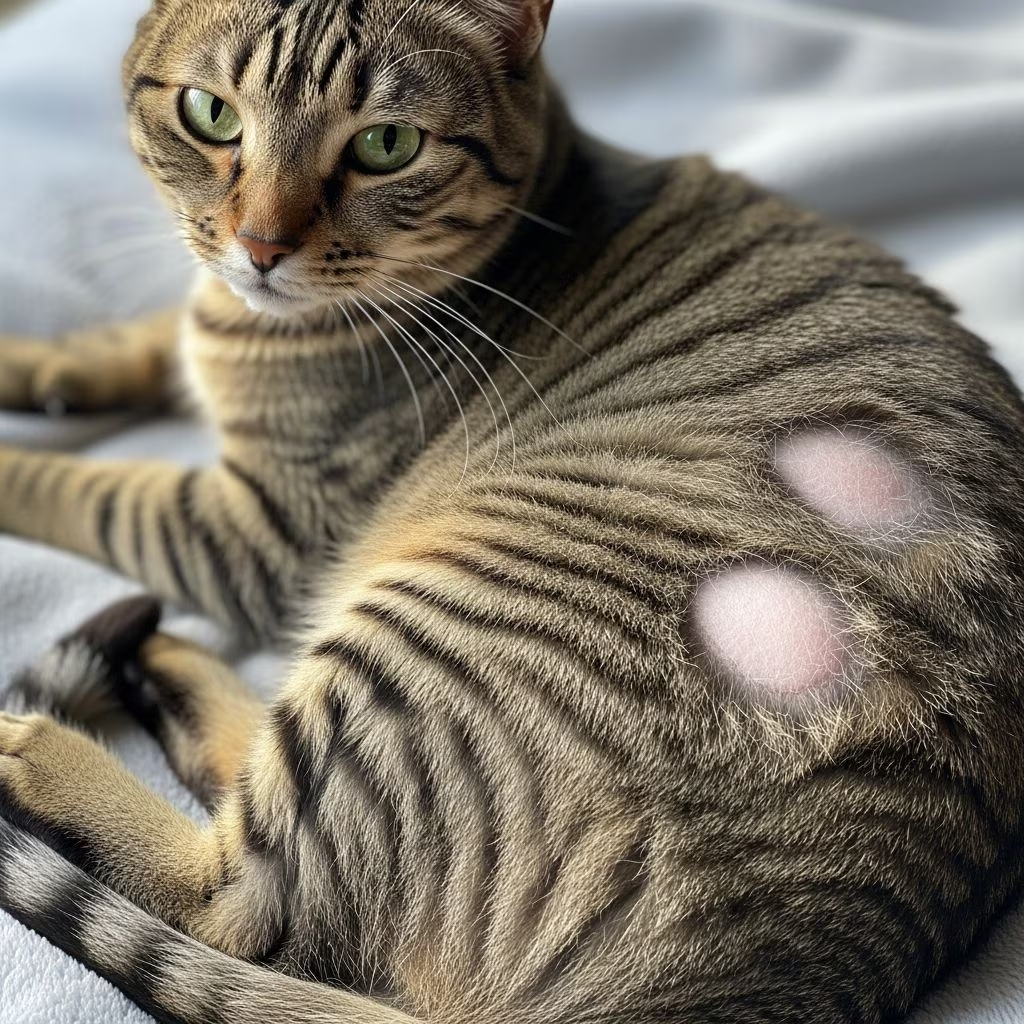
Bald spots on cats, also known as alopecia, occur when patches of fur thin out or disappear completely, revealing the skin underneath. This condition alarms many cat owners, but it’s often treatable once the underlying cause is identified. Common culprits include parasites, infections, allergies, behavioral issues, and medical disorders. Understanding the reasons behind these bald patches is crucial for effective management and restoring your cat’s luxurious coat.
What Are Bald Spots on Cats?
Bald spots refer to localized areas of hair loss on a cat’s body, ranging from small patches to larger symmetrical areas. Unlike normal shedding, which is diffuse and seasonal, alopecia creates noticeable bare skin. It can be symmetrical (e.g., both sides of the body) or asymmetrical, and may accompany itching, redness, scaling, or scabs. In cats, hair loss typically results from overgrooming (psychogenic alopecia) or direct damage to hair follicles rather than simple shedding.
Cats are fastidious groomers, spending up to 50% of their waking hours licking their fur. Excessive grooming due to irritation or stress leads to hair breakage and loss. Primary baldness is rare in non-hairless breeds; most cases stem from secondary causes. Early detection prevents complications like secondary infections.
Common Causes of Bald Spots on Cats
Several factors contribute to feline alopecia. Here’s a breakdown of the most prevalent causes:
- External Parasites: Fleas, mites (e.g., demodex, sarcoptic mange), lice, and ear mites top the list. Flea allergy dermatitis (FAD) causes intense itching from saliva reactions, leading to bald patches on the back, base of tail, and hindquarters. Cats scratch and overgroom, exacerbating hair loss.
- Fungal Infections (Ringworm): This contagious dermatophytosis creates circular, scaly bald patches. Spores survive in environments for up to two years, spreading via contact.
- Allergies: Food, environmental (pollen, plants), or contact allergies trigger itching and overgrooming. FAD is a common allergic response.
- Overgrooming Due to Stress or Anxiety: Behavioral alopecia from psychogenic causes like household changes, boredom, or anxiety results in symmetrical baldness, often on flanks or belly.
- Endocrine Disorders: Hyperthyroidism (overactive thyroid) is common in senior cats, causing poor coat quality and bald spots. Hypothyroidism is rare unless iatrogenic.
- Bacterial or Yeast Infections: Secondary to trauma, these cause crusting, oozing bald areas. Abscesses from fights lead to localized hair loss.
- Genetic or Congenital Conditions: Hereditary alopecia in certain breeds causes episodic hair loss that regrows. Normal thinning occurs in rubbing areas.
- Other Factors: Nutritional deficiencies, autoimmune diseases (e.g., eosinophilic granuloma), or systemic illnesses like feline leukemia weaken immunity, promoting hair loss.
| Cause | Common Locations | Symptoms |
|---|---|---|
| Parasites (Fleas) | Back, tail base | Itching, red skin, flea dirt |
| Ringworm | Head, limbs | Circular patches, scaling |
| Allergies/Overgrooming | Flanks, belly | Symmetrical, no inflammation |
| Hyperthyroidism | Generalized | Weight loss, increased appetite |
Symptoms Accompanying Bald Spots
Beyond visible hair loss, watch for:
- Intense itching, scratching, or licking
- Red, inflamed, or scabby skin
- Dandruff, scaling, or oily coat
- Behavioral changes like restlessness or aggression
- Systemic signs: weight loss, vomiting (endocrine issues)
Symmetrical baldness without inflammation suggests behavioral overgrooming, while asymmetrical patches with crusts point to parasites or infections.
Diagnosis of Bald Spots in Cats
Veterinarians diagnose via:
- History and Exam: Location, pattern, diet changes, environment.
- Skin Scrapings/Cytology: Detects parasites, bacteria, yeast.
- Fungal Culture/Wood’s Lamp: Confirms ringworm.
- Blood Tests: Checks thyroid, allergies, systemic disease.
- Biopsy: For autoimmune or cancer suspicions.
- Flea Comb/Tape Test: Reveals parasites.
Accurate diagnosis is key, as treatments vary widely.
Treatment Options for Bald Spots
Treatment targets the root cause:
- Parasites: Spot-on treatments (e.g., fipronil, selamectin), medicated baths. Steroids for severe itching.
- Ringworm: Oral antifungals (itraconazole), lime sulfur dips, environmental decontamination.
- Allergies: Hypoallergenic diet trials, antihistamines, apoquel, or immunotherapy.
- Overgrooming: Environmental enrichment, Feliway diffusers, anti-anxiety meds like fluoxetine.
- Endocrine: Methimazole for hyperthyroidism; monitor bloodwork.
- Infections: Antibiotics, antifungals topically/orally.
Supportive care includes cone collars to prevent grooming, omega-3 supplements for skin health. Hair regrows in 4-8 weeks post-treatment.
Preventing Bald Spots on Cats
Proactive steps include:
- Year-round flea prevention
- Regular vet checkups for seniors
- Balanced diet rich in omega fatty acids
- Stress reduction: scratching posts, playtime
- Hygiene: clean litter, vacuuming to reduce allergens/parasites
- Quarantine new cats to prevent ringworm.
When to See a Vet for Bald Spots
Consult a vet immediately if bald spots spread, accompany lethargy, appetite loss, or wounds. Self-treatment risks misdiagnosis and worsening. Prompt care improves outcomes and prevents zoonotic spread (e.g., ringworm).
Frequently Asked Questions (FAQs)
Why is my cat getting bald spots?
Bald spots often result from overgrooming due to medical (parasites, allergies) or behavioral (stress) causes, or direct hair loss from infections/diseases.
Will my cat’s hair grow back after bald spots?
Yes, in most cases, once the cause is treated, fur regrows within weeks to months. Genetic cases may recur.
Can bald spots on cats be contagious?
Yes, ringworm and certain mites are zoonotic/contagious to other pets/humans.
Is overgrooming causing my cat’s bald spots?
Likely if symmetrical and itch-free; address stress sources.
How do I treat fleas causing bald spots?
Use vet-recommended spot-ons; treat environment and all pets.
References
- Bald Patches on Cats: Symptoms, Causes & Treatment — Argos Pet Insurance. 2023-05-15. https://www.argospetinsurance.co.uk/we-talk-pet/bald-patches-on-cats-what-are-the-reasons-for-them/
- Bald Spot on Cats — Auburndale Veterinary Clinic. 2024-02-20. https://auburndalevets.com/blog/cat-bald-spot/
- Why Does My Cat Have Bald Spots? — Kinship. 2023-11-10. https://www.kinship.com/cat-health/why-does-my-cat-have-a-bald-spot
- Reasons Your Cat’s Hair is Falling Out — Cottner Creek Pet Clinic. 2024-01-05. https://cottnercreekpetclinic.com/articles/cats-hair-is-falling-out
- Hair loss (alopecia) in cats — PDSA. 2023-08-12. https://www.pdsa.org.uk/pet-help-and-advice/pet-health-hub/symptoms/hair-loss-alopecia-in-cats
- Alopecia in Cats: What It Is and Why Your Cat Is Losing Hair — PetMD. 2024-06-18. https://www.petmd.com/cat/conditions/skin/alopecia-cats-what-it-and-why-your-cat-losing-hair



