

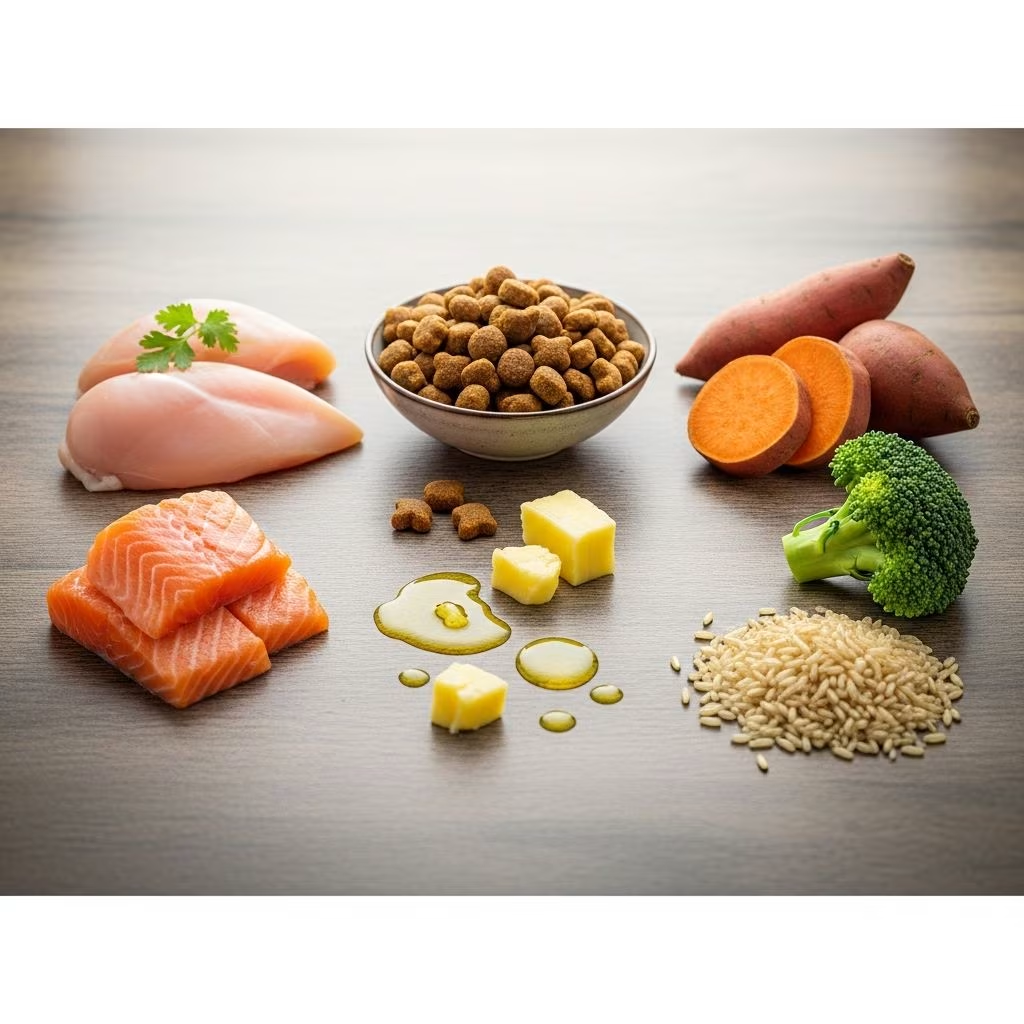
Creating a nutritionally complete diet for your dog requires precise attention to macronutrients: **protein**, **fat**, **carbohydrates**, and **fiber**. These components fuel growth, sustain energy, support digestion, and promote overall vitality. According to AAFCO standards, dog foods must meet minimum levels for essential nutrients across life stages, ensuring dogs receive what their bodies demand without excess. This guide breaks down each nutrient’s role, recommended amounts, and how to calculate them for homemade or commercial diets.
The Foundation of Canine Nutrition
Dogs thrive on a mix of six core nutrient classes: proteins, fats, carbohydrates (including fiber), vitamins, minerals, and water. While water is freely available, the macronutrients—protein, fat, and carbs—provide the bulk of calories and structural support. Energy needs fluctuate based on age, breed, activity, and health; for instance, puppies demand more protein for development, while seniors benefit from moderated fats to prevent obesity.
Understanding dry matter (DM) basis is key for comparisons, as it removes water content from calculations. Commercial foods label guaranteed analysis on an as-fed basis, but converting to DM reveals true nutrient density. A balanced diet prevents deficiencies, like weak muscles from low protein or dull coats from insufficient fats.
Protein: The Muscle-Building Powerhouse
**Protein** forms the cornerstone of a dog’s diet, supplying amino acids for muscle repair, enzyme production, organ function, and immune defense. Dogs require 10 essential amino acids they cannot synthesize, sourced primarily from animal proteins like meat, fish, and eggs.
AAFCO sets minimums at 22.5% DM for growth/reproduction and 18% DM for adult maintenance, equivalent to about 45g or 20g per 1,000 kcal ME respectively. High-quality proteins list meat as the first ingredient, ensuring digestibility above 80%. Excess protein converts to energy or fat, but shortages lead to muscle wasting.
- Growth phase: Higher needs for tissue building; aim 25-30% DM.
- Adult maintenance: 18-25% DM suffices for most breeds.
- Seniors/less active: 20%+ to preserve lean mass.
To calculate: Multiply food’s as-fed protein % by (100 / (100 – moisture %)). Example: 26% protein at 10% moisture = 28.9% DM.
Fat: Concentrated Energy and Essential Support
**Fats** deliver over twice the calories of protein or carbs (8.5 kcal/g vs. 3.5-4 kcal/g), making them ideal for high-energy dogs like working breeds. They aid absorption of vitamins A, D, E, K and provide essential fatty acids (EFAs) like omega-3 and omega-6 for skin health, inflammation control, and lustrous coats.
AAFCO minimums are 8.5% DM for growth and 5.5% DM for maintenance. Optimal ranges: 10-20% DM for adults, higher (15-25%) for puppies and lactating females. Sources include fish oil, chicken fat, and flaxseed; balance omega ratios (ideally 5:1 to 10:1 omega-6:3) to avoid imbalances.
| Life Stage | Min Fat % DM | Optimal Range % DM | Key Benefits |
|---|---|---|---|
| Puppy/Growth | 8.5 | 15-25 | Brain development, energy |
| Adult | 5.5 | 10-20 | Skin/coat, calorie density |
| Senior | 5.5 | 8-15 | Joint support, weight control |
Calculation tip: High-fat diets mean smaller portions; ensure other nutrients scale accordingly.
Carbohydrates: Energy Providers and Digestive Aids
Unlike obligate carnivores, dogs efficiently digest **carbohydrates**, converting them to glucose for quick energy, sparing protein for vital functions. No AAFCO minimum exists, but dry foods often contain 30-60% DM carbs from grains like rice, corn, and oats. They generate heat, form glycogen stores, and some convert to fat.
Complex carbs (starches, fibers) digest slowly for sustained release, ideal for active dogs. Growing pups and high-performers need at least 20%. Lower-carb wet foods compensate with more protein/fat.
Types of Carbohydrates in Dog Food
- Simple sugars: Fruits/honey; rapid energy, highly digestible.
- Oligosaccharides: Legumes/veggies; prebiotic effects, moderate digestion.
- Polysaccharides: Grains/potatoes; sustained energy, variable starch digestibility.
- Fibrous: Brans, gums; gut health support, often fermentable.
Dogs tolerate grains well; they’re cost-effective fillers providing vitamins/minerals.
Fiber: The Unsung Hero of Gut Health
**Fiber**, a carbohydrate subset, isn’t digested but regulates digestion, feeds gut microbes, and produces short-chain fatty acids for colon cells. Labels report crude fiber (insoluble), but total dietary fiber includes soluble types.
Soluble fiber (from fruits, gums) absorbs water, softens stool, and acts as prebiotic. Insoluble (brans, veggies) adds bulk, prevents constipation. Ideal total fiber: 2-5% DM for adults; higher for weight loss. Sources: beet pulp, psyllium, apple pomace.
Excess fiber dilutes calories; balance is crucial. Fermentable fibers enhance nutrient absorption.
Calculating a Complete Dog Diet
Formulate diets using caloric needs: Resting Energy Requirement (RER) = 70 x (body weight kg)^0.75, then multiply by factors (1.6-3x for adults, higher for pups). Distribute calories: fats ~20-40%, protein 20-35%, carbs remainder.
Example for 20kg adult dog: Daily kcal ~1,000. Protein: 25% calories = 62.5g. Fat: 15% = 17g. Carbs: 60% ~150g. Adjust via DM conversions.
Tools: Use AAFCO profiles or vet nutritionists for homemade recipes. Commercial foods stating “complete and balanced” meet standards.
Tailoring Diets by Life Stage and Activity
- Puppies: High protein/fat for growth; 25-30% protein, 15%+ fat.
- Pregnant/Lactating: Up to 30% protein, 20% fat.
- Adults: Balanced for maintenance; monitor weight.
- Seniors: Moderate fat, digestible protein, added fiber.
- Athletes: Boost carbs/fats for endurance.
Breed specifics: Large breeds need controlled growth to avoid joint issues. Health conditions like diabetes require low-carb.
Practical Tips for Diet Implementation
Read labels: Prioritize named meats, avoid fillers dominating first five ingredients. Transition foods gradually over 7-10 days. Hydration: Always provide fresh water; wet foods aid intake. Supplements: Only if vet-recommended, e.g., glucosamine for joints. Monitor: Weigh monthly, check stool/coat/energy.
Common Myths Debunked
- Grains are bad: Dogs digest them efficiently; they’re nutrient-rich.
- Raw is always best: Risks outweigh benefits without expertise.
- More protein = better: Excess strains kidneys in some cases.
Frequently Asked Questions (FAQs)
How much protein does my adult dog need daily?
Aim for 18-25% DM or 2-3g/kg body weight, adjusted for activity.
Can dogs survive without carbohydrates?
Yes, but they provide efficient energy and fiber; most thrive with 30-50%.
What’s the best fat source for coat health?
Fish oil for omega-3s; target 0.5-1% EPA/DHA.
How do I add more fiber safely?
Incorporate pumpkin or psyllium gradually; 1-2 tsp/10kg body weight.
Should I use calorie calculators?
Yes, start with RER formulas and adjust based on body condition.
Conclusion
Balancing protein, fat, carbs, and fiber empowers you to optimize your dog’s health. Consult vets for personalized plans, especially for special needs. Consistent, science-backed nutrition leads to longer, happier lives.
References
- Dog Nutrition: Guide to Dog Food Nutrients — PetMD. 2023. https://www.petmd.com/dog/nutrition/evr_dg_whats_in_a_balanced_dog_food
- Dog Nutrition — San Francisco SPCA. 2024. https://www.sfspca.org/resource/dog-nutrition/
- Nutritional Requirements of Small Animals — Merck Veterinary Manual. 2025-03-01. https://www.merckvetmanual.com/management-and-nutrition/nutrition-small-animals/nutritional-requirements-of-small-animals
- Dog Nutrition 101 the Basics — Petdirect. 2024. https://petdirect.co.nz/blog/dog-nutrition-101-the-basics
- Nutrition – General Feeding Guidelines for Dogs — VCA Animal Hospitals. 2025. https://vcahospitals.com/know-your-pet/nutrition-general-feeding-guidelines-for-dogs
- Dog Nutrition Basics — Purina. 2024. https://www.purina.com/articles/dog/health/nutrition/dog-nutrition-basics



