

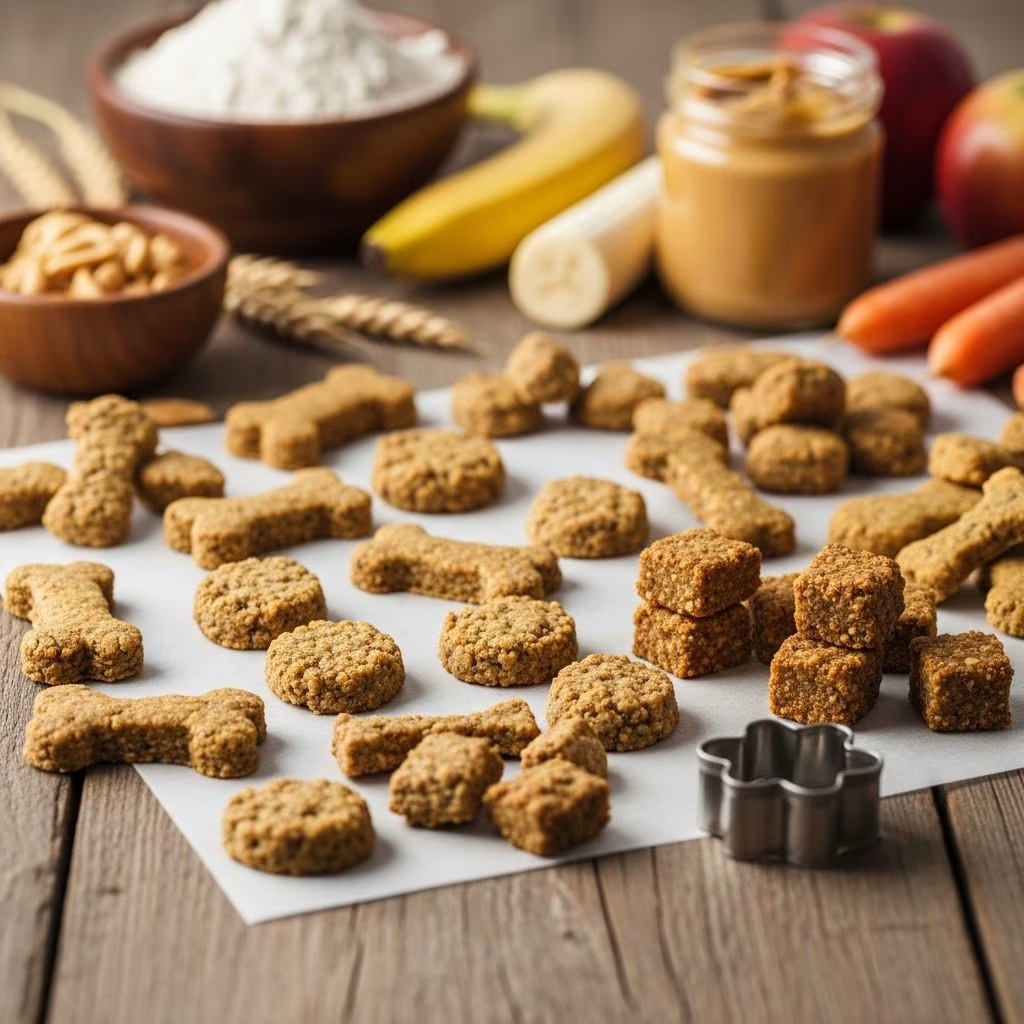
Preparing homemade dog treats offers pet owners a rewarding way to provide tailored nutrition while fostering a stronger bond with their furry companions. By controlling every ingredient, you can sidestep the fillers, preservatives, and allergens often found in commercial products, ensuring your dog enjoys snacks that support long-term health.
Why Choose Homemade Over Store-Bought Snacks?
Commercial dog treats frequently contain high levels of sugar, salt, and artificial additives that contribute to obesity and other issues. In contrast, homemade versions let you prioritize fresh, whole foods suited to your dog’s preferences and dietary requirements.
- Customization: Adjust flavors and textures for picky eaters or those with sensitivities.
- Cost Savings: Bulk ingredients reduce expenses compared to premium store options.
- Quality Assurance: Eliminate mystery fillers like corn, wheat, or soy that offer little nutritional value.
Studies highlight that over half of dogs in North America battle weight problems, often exacerbated by calorie-dense treats. Homemade baking empowers you to manage portions precisely, keeping treats under 10% of daily caloric intake.
Core Nutritional Principles for Canine Snacks
Dogs require balanced macronutrients—proteins for muscle repair, fats for energy, and carbohydrates for digestion—alongside vitamins and minerals. Homemade treats must complement, not replace, a complete diet. A University of California, Davis study found 95% of homemade diets lacking key nutrients, underscoring the need for careful formulation.
| Nutrient | Role in Dog Health | Safe Sources |
|---|---|---|
| Protein | Builds tissues, supports immunity | Chicken, turkey, eggs |
| Fats | Energy source, skin health | Fish oil, peanut butter (xylitol-free) |
| Calcium/Phosphorus | Bone development | Bone meal, yogurt |
| Vitamins A, D, B | Vision, bone health, metabolism | Carrots, sweet potatoes, liver |
Maintain a calcium-to-phosphorus ratio of about 1.2:1 to prevent skeletal problems, especially in puppies. Always consult a vet for dogs on prescription diets, as treats could interfere with conditions like urinary stones.
Dangerous Ingredients to Eliminate
Certain foods pose severe risks, from toxicity to digestive distress. The CDC emphasizes microbial dangers in raw meats, which can sicken pets and humans alike.
- Xylitol: Found in some peanut butters; causes hypoglycemia and liver failure.
- Onions, Garlic, Raisins, Grapes: Lead to anemia or kidney damage.
- Chocolate: Contains theobromine, toxic to canine systems.
- Bacon, Ham, Fat Trimmings: High salt and fat trigger pancreatitis.
- Yeast Dough: Expands in the stomach, risking bloat or alcohol poisoning.
Veterinarians like Dr. Joe Bartges warn against excess calories from any treats, which displace balanced meals and promote weight gain. Opt for BPA-free molds and secure kitchens to prevent burns or accidents.
Step-by-Step Guide to Safe Preparation
Hygiene is paramount: Wash hands, utensils, and surfaces thoroughly. Cook meats and eggs fully to avoid salmonella. Store treats in airtight containers; discard expired ones promptly.
- Gather Ingredients: Use human-grade, fresh items.
- Preheat Oven: Typically 300-350°F for even baking.
- Mix and Shape: Form dough into balls, cutouts, or logs.
- Bake and Cool: Monitor for crispness without burning.
- Introduce Gradually: Watch for allergies or upset stomachs.
Portion based on size: Small dogs get 1-2 treats daily; larger ones up to 5, always factoring total calories.
Five Simple, Vet-Approved Recipes
These original recipes emphasize safety and nutrition, yielding 20-30 treats each. Adjust for allergies and consult vets.
Peanut Butter Carrot Bites
Ingredients: 1 cup oat flour, 1/2 cup xylitol-free peanut butter, 1/2 cup mashed carrots, 1 egg, 1 tbsp honey.
Instructions: Blend into dough, roll 1/4-inch thick, cut shapes. Bake at 350°F for 20-25 minutes. Cool completely. (Approx. 15 kcal/treat)
Pumpkin Turkey Chews
Ingredients: 1 cup cooked ground turkey, 1/2 cup canned pumpkin, 1 cup whole wheat flour, 1 egg.
Instructions: Mix, form logs, bake at 325°F for 30 minutes. Slice when cool. Ideal for digestion.
Sweet Potato Apple Crisps
Ingredients: 2 mashed sweet potatoes, 1 apple (grated, cored), 1 cup rice flour, 1 tsp cinnamon.
Instructions: Spread thin on parchment, bake at 300°F for 40 minutes. Break into pieces. Vitamin-rich snack.
Chicken Liver Mini Patties
Ingredients: 1/2 lb cooked chicken livers, 1 cup brown rice flour, 1/4 cup plain yogurt, 1 egg.
Instructions: Puree livers, mix, drop spoonfuls. Bake at 350°F for 15 minutes. Nutrient-dense protein boost.
Banana Oat Cookies
Ingredients: 1 ripe banana, 1 cup rolled oats, 1/2 cup almond flour, dash of turmeric for anti-inflammation.
Instructions: Mash and combine, bake drop cookies at 325°F for 25 minutes. Grain-free option.
These recipes avoid common allergens and provide antioxidants from veggies.
Storage, Shelf Life, and Portion Guidelines
Fresh-baked treats last 1-2 weeks at room temp, 1 month refrigerated, or 3 months frozen. Label batches with dates.
| Dog Size | Daily Treats Max | Calorie Cap (10% of 1000 kcal diet) |
|---|---|---|
| Toy (under 10 lbs) | 1-2 small | 100 kcal |
| Small (10-25 lbs) | 2-3 | 150 kcal |
| Medium (25-50 lbs) | 3-4 | 200 kcal |
| Large (50+ lbs) | 4-5 | 250+ kcal |
Overfeeding risks nutrient imbalances or obesity; Dr. Davide Stefanutti notes small treats can exceed 30% of a tiny dog’s needs.
Common Mistakes and How to Avoid Them
- Imbalanced Recipes: Use vet-approved formulas; supplement if needed.
- Poor Hygiene: Prevents contamination.
- Ignoring Health Conditions: Clear with vet for allergies or diets.
- Excessive Treats: Track intake via apps or journals.
Benefits Backed by Experts
Veterinary nutritionists endorse homemade treats for avoiding additives and tailoring to needs, provided risks are managed. They enhance training, reduce anxiety, and promote dental health through chewing.
Frequently Asked Questions
Are homemade dog treats healthier than commercial ones?
Yes, when properly balanced, they exclude harmful additives and allow fresh ingredients, though they require nutritional knowledge.
Can puppies eat these treats?
Limited amounts yes, but ensure calcium balance for growth; consult vet.
What if my dog has allergies?
Substitute common triggers like wheat with oats or rice; test small batches.
How do I know if treats are causing issues?
Monitor for vomiting, diarrhea, or lethargy; discontinue and see vet.
Is raw dough safe?
No—yeast causes bloat; always bake fully.
Enhancing Treat Time for Bonding
Beyond nutrition, baking engages senses: Let dogs sniff ingredients safely. Use treats in puzzle toys for mental stimulation, combating boredom-linked behaviors.
For seniors, softer textures aid chewing; for athletes, protein-heavy options fuel activity. Track improvements in coat shine, energy, and stool quality.
References
- Homemade Dog Treats: Ingredients to Avoid — PetPlace.com. Accessed 2026. https://www.petplace.com/article/dogs/pet-health/homemade-dog-treats
- Homemade Dog Food Benefits & Risks — We Are The Cure. Accessed 2026. https://wearethecure.org/homemade-dog-food-benefits-and-risks/
- Hazards to Avoid While Baking Homemade Dog Treats — NJFL.com. Accessed 2026. https://njfl.com/articles/hazards-to-avoid-while-baking-homemade-dog-treats/
- Can Dog Treats Make a Dog Sick? Understanding the Risks and Precautions — Marleybones. Accessed 2026. https://marleybones.com/blogs/news/can-dog-treats-make-a-dog-sick-understanding-the-risks-and-precautions
- What to Know About Homemade Dog Treats with Recipes — Sniffspot. Accessed 2026. https://www.sniffspot.com/blog/dog-enrichment/what-to-know-about-homemade-dog-treats-with-recipes
- Are Dog Treats Bad for Dogs? Understanding the Risks and Benefits — Houndsy. Accessed 2026. https://www.houndsy.com/blogs/modern-tails/are-dog-treats-bad-for-dogs-understanding-the-risks-and-benefits
- Can I Make Safe Homemade Dog Treats? — ManyPets. Accessed 2026. https://manypets.com/us/blog/safe-homemade-dog-treats/



