

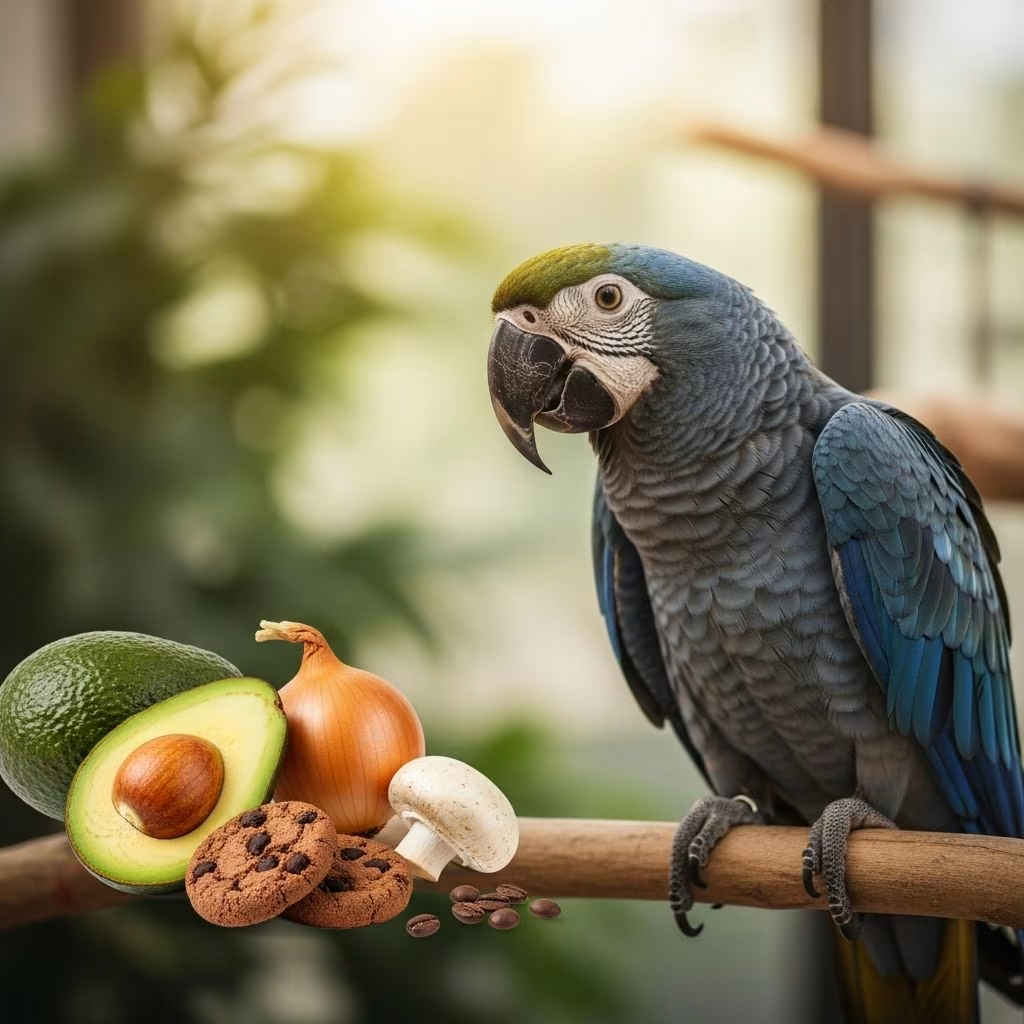
Bad Foods for Parrots: A Comprehensive Safety Guide
As a parrot owner, understanding what foods are safe for your feathered companion is essential for maintaining their health and longevity. While sharing human foods can be a bonding experience, many common foods in our kitchens are toxic, harmful, or dangerous for parrots. This comprehensive guide will help you identify the foods you should absolutely avoid feeding your pet bird.
Parrots have unique dietary requirements that differ significantly from humans and other pets. Their digestive systems are sensitive and cannot process many substances that are harmless to us. Feeding your parrot inappropriate foods can lead to serious health complications, nutritional deficiencies, and even death. It is crucial to educate yourself about parrot nutrition before offering any new foods.
Why Dietary Restrictions Matter for Parrots
Parrots are highly intelligent creatures with specific caloric and nutritional needs that vary based on their species, age, and activity level. An inappropriate diet can cause severe conditions including malnutrition, obesity, organ damage, and metabolic disorders. Some toxic foods can cause immediate symptoms, while others cause long-term damage through chronic exposure.
Many parrot health problems stem directly from improper feeding practices. Understanding these restrictions is not just about avoiding immediate toxicity—it’s about ensuring your parrot enjoys a long, healthy, and vibrant life.
Highly Toxic Foods to Never Feed Your Parrot
Avocado: The Serious Threat
Avocado is among the most dangerous foods for parrots and should never be fed to your bird in any form. The fruit, leaves, stems, bark, and seeds all contain persin, a toxic fatty acid derivative that poses severe health risks. Avocado toxicity can cause heart conditions, respiratory distress, and death in parrots. Small species like budgies and canaries are particularly susceptible, though larger parrot species can also be affected. Birds may show distress within hours of ingestion and can die within 24–48 hours of exposure.
Chocolate: A Sweet Poison
Chocolate contains theobromine and caffeine, which are methylxanthines that can be extremely dangerous for parrots. These compounds cause heart rate and rhythm changes, hyperactivity, seizures, and potentially death. The darker the chocolate, the higher the concentration of these toxins, making dark chocolate particularly hazardous. Even small amounts can cause serious complications in birds due to their small body size and sensitivity to these compounds.
Alcohol: Never Share Beverages
Alcohol is toxic to parrots and should never be offered under any circumstances. Birds have no tolerance for ethanol, and even small amounts can cause serious neurological damage, impaired coordination, and respiratory failure. Keep all alcoholic beverages away from your bird’s access.
Caffeine: Hidden in Many Foods
Caffeine is present not only in coffee and tea but also in chocolate, energy drinks, and some soft drinks. This stimulant can cause increased heart rate, arrhythmias, hyperactivity, and tremors in parrots. Always be mindful of foods and beverages containing caffeine when your parrot is nearby.
Fruit Pits and Seeds: Cyanide Concerns
Seeds and pits from many fruits contain cyanogenic compounds that are highly toxic to birds. These include apple seeds, cherry pits, apricot seeds, plum pits, and peach seeds. While parrots enjoy eating fruit, you must carefully remove all seeds and pits before offering any fruit to your bird to prevent cyanide poisoning.
Onions and Garlic: Blood Cell Damage
Onion and garlic toxicity is well documented in birds and can cause serious issues with blood cells, liver, and kidneys. These foods contain compounds that damage red blood cells and can lead to hemolytic anemia in parrots. Both raw and cooked forms should be avoided completely.
Xylitol: The Artificial Sweetener Problem
Xylitol is an artificial sweetener found in sugar-free products, chewing gum, and some baked goods. While limited data exists on xylitol toxicity in birds, it is generally assumed unsafe based on its severe effects in other species. This sweetener can cause dangerous drops in blood sugar and liver disease.
High-Risk Foods to Avoid or Severely Limit
High-Fat and High-Salt Foods
Sunflower seeds, while popular with many parrots, are incredibly high in fat and equivalent to human fast food in nutritional value. Prolonged exposure to high-fat and high-salt foods produces similar results in birds as in humans—heart disease, obesity, diabetes, and liver disease. Pet birds fed seed-based diets exclusively may become overweight and develop serious illnesses such as atherosclerosis and fatty liver disease.
Processed snacks like potato chips, salted nuts, French fries, and other fried foods are loaded with salt and fat. Fat is particularly problematic in overweight macaws and Amazons, which are prone to high cholesterol and lipemia (fat in the blood) and atherosclerosis.
Salty Snacks and Processed Foods
Asian foods, particularly Chinese and Japanese cuisine, are typically too highly salted to be safe for birds. Similarly, processed foods are generally high in sodium and fat. The high-salt content in most cheese makes it inadvisable to feed birds more than occasional tidbits, as salt toxicity may result. Birds are lactose intolerant, and although lactose is mostly processed out of cheese, you should restrict dairy products overall.
Dairy Products: Limited and With Caution
While not inherently toxic, dairy products should be given in very small amounts or avoided entirely. Birds cannot process large amounts of lactose, despite lactose being mostly removed during cheese production. High-salt content in most dairy products presents an additional concern. Stories of crop impactions from mozzarella cheese highlight the dangers of allowing birds to consume melted cheese from pizza or other sources.
Pasta and Prepared Dishes
When offering pasta to your parrot, always cook it in unsalted water. Avoid salty ingredients such as olives, anchovies, cheese, ham, and other processed meats. Sausage, pepperoni, and similar cured meats contain excessive amounts of fat, salt, and preservatives. These ingredients should be completely removed from your bird’s treat menu.
Contamination Risks: Mold and Toxins
Peanuts and Aflatoxin
Peanuts, both raw and roasted, are prone to aspergillus mold contamination. Improper storage in warm, damp, dark conditions promotes mold growth and aflatoxin production. Aflatoxin is a potent liver toxin to which birds are exquisitely susceptible. Historical accounts from England documented many turkeys dying from aflatoxicosis (then called “Turkey X” disease) after eating contaminated corn.
Roasting does not destroy aflatoxin, though small amounts of roasted peanuts intended for human consumption are generally considered safer than raw peanuts. Only high-quality, carefully stored peanut products should ever be considered for your parrot, as commercial producers test peanuts to ensure they remain safely below USDA-permissible aflatoxin levels.
Grains and Other Contaminated Foods
While peanuts are commonly associated with mold contamination, grains and cereals can also be contaminated with aflatoxin-producing molds. The USDA monitors grains produced in the United States, but proper private storage is essential. The key lesson is that only high-quality, carefully stored products should be fed to your pet.
Vegetable-Related Concerns
Nightshade Plants
Certain plants in the nightshade family, including tomatoes, potatoes, eggplant, and peppers, may present risks for parrots. While some of these vegetables might technically be safe in limited quantities, pet owners should exercise caution and avoid feeding any part of the nightshade plant to their birds.
Avocado Plant Material
Beyond the fruit itself, all parts of the avocado plant are dangerous. The leaves, stems, and bark contain persin and should never be in your parrot’s environment.
Additional Foods and Substances to Avoid
Mushrooms
Mushrooms present a contamination risk and should be avoided in your parrot’s diet. Many mushroom varieties contain toxins, and determining which species are safe can be challenging.
Uncooked Beans
Raw or uncooked beans contain compounds that can cause serious digestive upset and should never be fed to parrots. Always ensure beans are thoroughly cooked before considering them as food.
Dried Fruit with Sulfites
Dried fruits preserved with sulfites may not be the best choice for parrots. Some people experience acute hypersensitivity reactions to sulfites, and a small bird may have an even greater sensitivity.
Peanuts in the Shell
Beyond the aflatoxin concerns, peanuts in shells should be avoided to prevent aspiration and digestive blockage issues.
Seed-Based Diet Concerns
While seeds themselves are not always toxic, feeding an exclusively seed-based diet is dangerous and inappropriate for parrots. Pet parents should never rely on seed-only diets, which commonly result in malnutrition and obesity. When fed seed-based diets, birds typically select only their favorite items, avoiding the nutritious parts of their diet.
Seeds are often high in carbohydrates and fats while being deficient in vital nutrients. This selective feeding leads to nutritional imbalances that can cause serious health complications over time.
Creating a Safe Feeding Environment
The best approach to parrot nutrition is to offer a varied diet of high-quality pellets, fresh vegetables, and safe fruits. Always research any new food before introducing it to your bird. When in doubt, consult with an avian veterinarian. Keep all toxic foods in secure locations away from your parrot’s reach, and ensure that all family members and guests understand which foods are dangerous.
Store all foods properly to prevent mold contamination. Keep foods in cool, dry conditions and check regularly for signs of spoilage. This is particularly important for nuts, seeds, and grains, which are prone to mold growth.
Frequently Asked Questions About Parrot Nutrition
Q: Can parrots eat any chocolate at all?
A: No. All chocolate contains theobromine and caffeine, which are toxic to parrots. No amount of chocolate is safe, regardless of the type or quantity.
Q: Are all parts of the avocado tree dangerous?
A: Yes. The fruit, leaves, stems, bark, and seeds all contain persin and are toxic. Keep the entire avocado plant away from your parrot’s environment.
Q: Can parrots eat roasted peanuts safely?
A: Small amounts of high-quality roasted peanuts intended for human consumption may be safer than raw peanuts, but they still carry aflatoxin risks. It’s best to avoid peanuts altogether or offer them very rarely from reputable commercial sources that test for aflatoxin.
Q: What should I do if my parrot accidentally eats a toxic food?
A: Contact an avian veterinarian immediately. Provide information about what was consumed and when. Some toxins act quickly, so professional veterinary care is critical for the best outcome.
Q: Can parrots eat fruits with seeds if I remove the seeds?
A: Yes, many fruits are safe if you thoroughly remove all seeds and pits first. Always double-check that no pit or seed fragments remain before offering fruit to your parrot.
Q: Is it okay to give my parrot occasional dairy products like cheese?
A: Only in very small amounts and very rarely. Birds are lactose intolerant, and most dairy products are high in salt. Better alternatives exist for treating your parrot.
Q: How do I know if my parrot is experiencing food poisoning?
A: Symptoms may include vomiting, diarrhea, lethargy, difficulty breathing, neurological signs, or sudden behavioral changes. Contact an avian veterinarian immediately if you observe any of these signs.
References
- Bird Food Myths And Facts — Chewy Editors. 2025. https://www.chewy.com/education/bird/food-and-nutrition/bird-food-myths-and-facts
- 16 Foods That Are Harmful or Poisonous to Pet Birds — Chewy Editors. 2025. https://www.chewy.com/education/bird/food-and-nutrition/dont-feed-your-pet-bird-these-6-foods
- Toxic Foods for Birds — PetMD. 2025. https://www.petmd.com/bird/foods-are-toxic-birds
- Are Peanuts Safe For Birds? — Chewy Editors. 2025. https://www.chewy.com/education/bird/general/are-peanuts-safe-for-birds



