

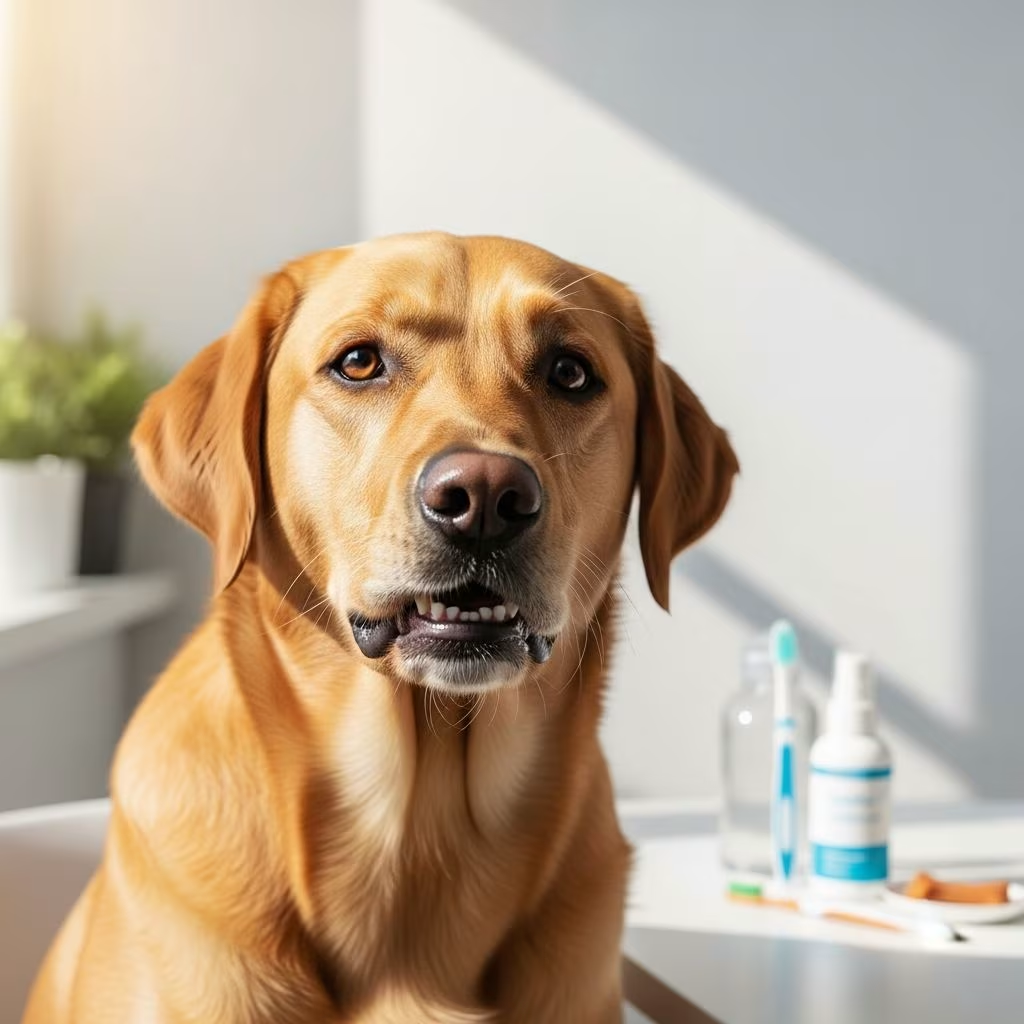
Bad Breath in Dogs: Causes, Treatment & Prevention
If your dog’s breath smells unpleasant, you’re not alone. Bad breath, also known as halitosis, is a common concern among dog owners. While occasional dog breath is normal, persistent foul odor can indicate underlying health issues that require attention. Understanding the causes and treatment options can help you keep your furry friend healthy and fresh-smelling.
What Causes Bad Breath in Dogs?
Bad breath in dogs can stem from various sources, ranging from simple dental issues to more serious systemic diseases. Identifying the root cause is essential for effective treatment and prevention.
Dental Disease and Oral Health Issues
Dental disease is the most common cause of bad breath in dogs. Periodontal disease develops when bacteria form a sticky substance called plaque on the teeth. Over time, if plaque isn’t removed, it hardens into tartar (dental calculus), leading to gum inflammation and gingivitis.
Dogs with crowded or misaligned teeth are at higher risk for dental disease, as these conditions make it easier for plaque and tartar to accumulate. Left untreated, periodontal disease can progress to serious consequences, including bone loss around the teeth, tooth loss in older dogs, and tooth root abscesses.
Signs of dental disease include:
- Excessive drooling
- Red or swollen gums
- Visible plaque and tartar on the teeth (appearing tan, brown, grey, or black)
- Decreased appetite or difficulty eating
- Reluctance to play with chew toys
- Pawing at the mouth
- Swollen lymph nodes under the jaw
- Discharge or swelling under the eye that may rupture and drain
Kidney Disease
Kidney disease is among the most serious causes of bad breath in dogs. The kidneys function as the body’s filtration system. When kidney disease or kidney failure occurs, the kidneys cannot properly filter waste products from the blood. This allows toxins called urea to accumulate, creating an ammonia-like or urine-like odor in the dog’s breath. This condition, called uremia, can also cause ulceration inside the mouth, which a veterinarian may observe during examination.
Liver Disease
The liver plays a crucial role in removing toxins from the body. When liver disease develops, toxins can build up and cause bad breath. Dogs with liver disease may also display additional symptoms such as lethargy, poor appetite, jaundice (a yellowish tint to the skin and mucous membranes), a pot-bellied appearance, or spontaneous bleeding.
Diabetes Mellitus
Diabetes in dogs occurs when the pancreas doesn’t produce sufficient insulin to regulate blood glucose levels. High blood sugar can contribute to bad breath in affected dogs. Additionally, untreated diabetes can lead to diabetic ketoacidosis (DKA), a life-threatening condition that produces a distinctive fruity or acetone-like smell on the breath.
Respiratory Infections
Respiratory infections such as sinusitis, rhinitis, or pneumonia can cause bad breath in dogs. These infections create inflammation and discharge in the respiratory tract that produces unpleasant odors. Associated symptoms may include sneezing, coughing, nasal discharge, difficulty breathing, rapid breathing, lethargy, and abnormal breathing sounds.
Dietary Factors and Nutritional Issues
A dog’s diet directly impacts their breath quality. Dogs fed raw or home-cooked diets may experience disruptions to the normal balance of bacteria in the mouth and gut. Imbalances of bacteria and increased likelihood of Salmonella overgrowth in dogs eating raw diets can contribute to bad breath. Additionally, dogs with diets high in protein or those that scavenge and eat garbage may develop worse breath.
If you feed your dog a raw or home-cooked diet, consulting with a veterinary nutritionist (or your regular veterinarian if a nutritionist isn’t available) can help prevent dietary deficiencies and associated bad breath.
Toxic Exposures
Certain toxins and substances can cause distinctive odors on a dog’s breath. Plants containing toxins can create a rancid or rotting smell. Dogs that eat cigarettes may develop a nicotine odor on their breath. Hundreds of environmental toxins can affect your dog’s breath, and identifying what your dog may have been exposed to can help determine appropriate treatment.
When to Seek Veterinary Care
While some variations in dog breath are normal, certain signs warrant immediate veterinary attention. You should bring your dog to a veterinarian if:
- Your dog has sudden changes in breath odor, especially in older dogs
- Bad breath is accompanied by other symptoms such as weight loss, vomiting, or changes in drinking and urination habits
- Your dog shows signs of oral pain or difficulty eating
- You notice visible plaque, tartar, or swelling in the mouth
- Your dog has excessive drooling or discharge from the mouth or nose
Early diagnosis and treatment are typically most successful, so it’s important not to assume bad breath is normal or ignore persistent odors.
Treatment Options for Bad Breath in Dogs
Treatment for bad breath depends on the underlying cause and severity. Your veterinarian will recommend the most appropriate approach for your dog’s specific condition.
Professional Dental Cleaning
For dogs with bad breath caused by dental disease, professional dental cleaning under general anesthesia is often the best treatment option. During this procedure, a veterinarian will:
- Remove plaque and tartar from the tooth surfaces
- Inspect and X-ray the teeth to assess overall oral health
- Extract any loose, fractured, abscessed, or dead teeth if necessary
- Evaluate the health of gum tissues and underlying bone
Professional cleaning provides more thorough results than home care alone and addresses the source of the odor.
Dietary Modifications
Dietary changes can help address bad breath caused by nutritional imbalances or stomach upset. Your veterinarian can recommend appropriate food choices for your dog’s specific needs. For dogs with dental disease, dry kibble is generally preferable to soft or canned diets, though individual recommendations vary.
Probiotics and Yogurt
For dogs with bad breath caused by stomach upset (rather than dental disease), probiotics and plain yogurt can be helpful natural remedies. While they don’t directly address the odor, they may help treat the underlying digestive issue causing the smelly breath.
Systemic Treatment
Depending on the underlying cause, treatment may include:
- Prescription medications for infections, diabetes, or other systemic conditions
- Specialized therapeutic diets for kidney or liver disease
- Surgical interventions if necessary
- Ongoing management and monitoring for chronic conditions
Prevention Strategies for Fresh Dog Breath
Maintaining your dog’s oral health is the best way to prevent bad breath. Implement these preventive measures:
- Regular dental brushing: Brush your dog’s teeth daily or several times per week using dog-specific toothpaste
- Dental chews and toys: Provide approved dental chews and toys designed to reduce plaque buildup
- Professional cleanings: Schedule regular professional dental cleanings as recommended by your veterinarian
- Balanced diet: Feed high-quality, nutritionally balanced dog food appropriate for your dog’s age and health status
- Fresh water: Ensure your dog always has access to clean, fresh drinking water
- Regular veterinary check-ups: Schedule annual wellness exams to catch potential health issues early
- Avoid harmful items: Prevent your dog from eating garbage, toxic plants, or other hazardous substances
Home Care and Daily Maintenance
Beyond professional treatments, consistent home care plays an important role in maintaining fresh breath:
- Establish a daily tooth-brushing routine using enzymatic toothpaste designed for dogs
- Offer dental-specific chews that mechanically clean teeth surfaces
- Monitor your dog’s eating habits and food choices
- Watch for early signs of oral health problems and report them to your veterinarian promptly
- Maintain a consistent schedule of veterinary check-ups
Frequently Asked Questions About Dog Bad Breath
Q: Is bad breath normal in dogs?
A: While some variation in dog breath odor is normal, persistent or foul-smelling breath is not and may indicate underlying health issues that require veterinary attention. Don’t assume bad breath is normal—have your dog examined by a veterinarian.
Q: Can I treat my dog’s bad breath at home?
A: Some cases of bad breath can be managed with home care, including regular tooth brushing and dental chews. However, if dental disease or systemic illness is the cause, professional veterinary treatment is necessary for effective resolution.
Q: How often should my dog have professional dental cleanings?
A: The frequency depends on your dog’s individual needs and risk factors. Your veterinarian will recommend an appropriate schedule based on your dog’s age, breed, and oral health status.
Q: What are the risks of untreated dental disease in dogs?
A: Untreated dental disease can lead to tooth loss, bone loss around the teeth, infections, and tooth root abscesses. Additionally, bacteria from periodontal disease can enter the bloodstream and affect other organs.
Q: Could my dog’s bad breath indicate a serious health condition?
A: Yes. Bad breath can be a sign of kidney disease, liver disease, diabetes, respiratory infections, or other serious conditions. A veterinary examination and diagnosis are essential to determine the cause.
Q: How can I help my dog with bad breath from kidney disease?
A: If your dog has kidney disease, your veterinarian will recommend appropriate treatments, which may include specialized diets, medications, and management strategies to support kidney function and overall health.
References
- Bad Breath in Dogs: Causes and Treatment — PetMD. 2024. https://www.petmd.com/dog/symptoms/bad-breath-dogs-causes-treatment
- Dog Bad Breath: 10 Causes & 7 Solutions — Toe Grips. 2024. https://toegrips.com/dog-bad-breath/
- Why Does My Dog’s Breath Smell So Bad? — Partners Vet Avl. 2024. https://partnersvetavl.com/?p=4040
- Bad Breath in Dogs: Causes & Remedies — Eastham Vets. 2023. https://www.easthamvet.com/site/blog/2023/10/15/bad-breath-dogs–causes-remedies
- Why does my dog’s breath smell so bad? — Olive Branch Vets. 2024. https://www.catandcowvet.com/site/blog/2024/07/15/bad-breath-dogs
- Bad Breath in Dogs: Causes & Remedies — Miller Clark Animal Hospital. 2021. https://www.millerclarkanimalhospital.com/site/blog/2021/10/15/bad-breath-dogs
- Bad Breath in Dogs: Causes and Treatments — Apple Valley Animal Hospital. 2021. https://www.applevalleyanimalhospital.com/site/blog/2021/08/15/bad-breath-in-dogs-causes-and-treatments



