

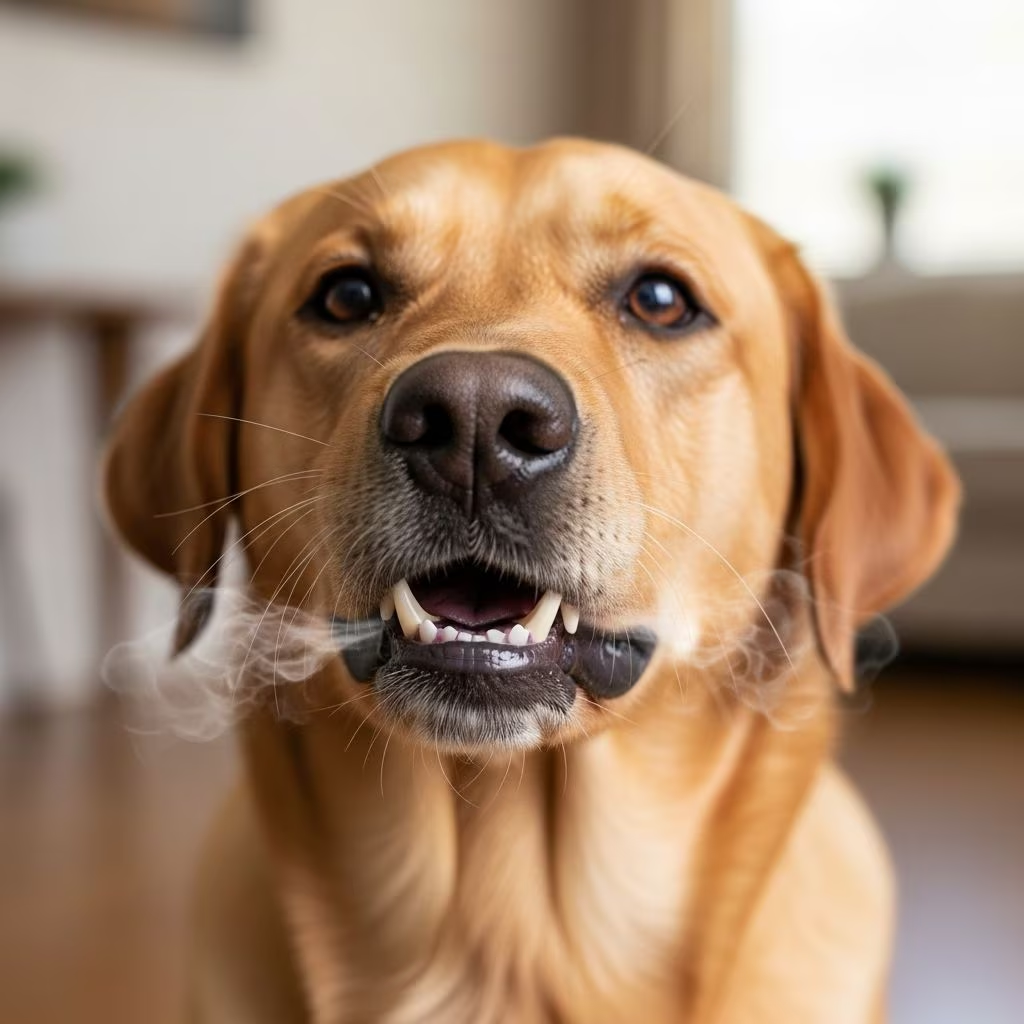
Your dog’s breath shouldn’t knock you over. Persistent foul odors from a pet’s mouth often signal underlying problems that need attention. While occasional smells might stem from a recent meal, chronic halitosis points to issues ranging from poor oral hygiene to systemic diseases. Addressing it promptly improves your dog’s comfort and overall well-being.
Understanding Canine Halitosis
Halitosis, the medical term for bad breath, affects many dogs, with dental problems topping the list as the primary culprit. Bacteria in the mouth multiply on food particles and dead cells, producing volatile sulfur compounds that create the stench. Unlike humans, dogs lack the ability to rinse away debris effectively, leading to rapid buildup if not managed.
Recognizing patterns helps: sudden onset might indicate ingestion of something unusual, while gradual worsening suggests progressive dental decay. Owners often notice it during close interactions like cuddling or play. Early detection prevents escalation to painful conditions.
Primary Culprits Behind Stinky Breath
Several factors contribute to bad dog breath. Here’s a breakdown of the most frequent offenders:
- Dental and Gum Problems: Plaque and tartar accumulation leads to gingivitis and periodontitis, fostering odor-producing bacteria. Crowded or misaligned teeth exacerbate this risk.
- Organ Dysfunction: Kidney failure causes uremic breath smelling like ammonia or urine due to toxin buildup. Liver issues produce a foul, sometimes fecal-like odor.
- Dietary Factors: Raw or unbalanced home-cooked meals can disrupt gut bacteria, promoting overgrowth of odor-causing microbes like Salmonella.
- Toxins and Foreign Objects: Ingesting toxic plants, cigarettes, or sharp items like stick splinters introduces rancid smells and potential infections.
- Respiratory and GI Issues: Sinus infections or gastrointestinal disturbances release odorous compounds through the breath.
| Breath Smell | Possible Cause | Action Needed |
|---|---|---|
| Ammonia/Urine | Kidney Disease | Vet exam, bloodwork |
| Fecal/Rotten | Liver Disease or Coprophagia | Diagnostic tests |
| Rotten Meat | Dental Abscess or Foreign Body | Oral inspection |
| Sweet/Fruity | Diabetes | Glucose check |
Spotting the Warning Signs Early
Beyond the obvious smell, watch for accompanying symptoms. Pawing at the mouth, drooling excessively, or reluctance to eat hard food indicates pain from dental issues. Lethargy, vomiting, or increased thirst alongside bad breath suggests metabolic disorders like diabetes or kidney failure. Yellowing gums or oral ulcers further point to systemic problems.
For older dogs, routine checks become crucial since age heightens risks for organ decline and tooth wear. Puppies with sudden halitosis might have congenital dental malformations or early infections.
Effective Home Care Strategies
You can manage mild cases and prevent worsening with consistent routines. Start with daily habits tailored to your dog’s tolerance.
Brushing Techniques
Brush your dog’s teeth 2-3 times weekly using a soft, dog-specific toothbrush and enzymatic toothpaste. Focus on the gumline and back molars where plaque hides. Follow with a chlorhexidine rinse to curb bacterial regrowth, or diluted hydrogen peroxide as an alternative. Gently scrape the tongue to dislodge surface bacteria.
Supportive Products
- Dental chews with the Veterinary Oral Health Council (VOHC) seal mechanically scrape teeth and inhibit bacteria.
- Water additives neutralize odors and balance oral flora without flavor changes.
- Probiotic yogurts or supplements introduce beneficial bacteria to combat pathogens.
Dietary Adjustments
Switch to VOHC-approved dental kibbles with textured surfaces that scrub teeth during chewing. Avoid raw diets unless formulated by a veterinary nutritionist to prevent microbial imbalances. Supervise scavenging to block garbage access.
Professional Interventions
When home efforts fall short, veterinary care is essential. A thorough exam includes oral inspection, possibly under anesthesia for deep cleaning and X-rays to detect hidden abscesses.
Treatments vary by diagnosis:
- Dental Cleanings: Scaling removes tartar, polishing prevents regrowth.
- Extractions: For severely damaged teeth.
- Medications: Antibiotics for infections, supportive therapies for organ disease.
- Specialized Diets: Prescription formulas targeting specific conditions.
Annual professional cleanings maintain gains from home care, especially for breeds prone to dental woes like small faces (e.g., Pugs, Bulldogs).
Preventive Measures for Lifelong Fresh Breath
Proactive steps keep halitosis at bay:
- Introduce brushing early in puppyhood to build habit.
- Schedule bi-annual vet dental checks.
- Monitor diet and weight to support organ health.
- Use chews daily as rewards.
- Watch for breed-specific risks; brachycephalics need extra vigilance.
Integrating these creates a comprehensive oral health plan, reducing disease likelihood by up to 80% per veterinary studies.
When to Rush to the Vet
Not all bad breath resolves with brushing. Seek immediate care if accompanied by:
- Sudden worsening or smell changes.
- Behavioral shifts like appetite loss or aggression when touched near mouth.
- Systemic signs: weight loss, thirst increase, vomiting.
Early intervention catches reversible issues, preventing costly surgeries or chronic pain.
FAQs on Dog Bad Breath
Is bad breath normal in dogs?
No, it’s a red flag for health issues, primarily dental. Occasional mild odor post-meal is okay, but persistent stench warrants a check.
Can diet alone fix my dog’s breath?
Diet helps but isn’t a cure-all. Combine with brushing and vet-approved products for best results.
What if my dog hates tooth brushing?
Use finger brushes, gauze wraps, or flavor attractions. Gradually desensitize with positive reinforcement.
How often should I get professional cleanings?
Once yearly minimum, more for tartar-prone dogs.
Are natural remedies safe?
Some like probiotics are; others like certain oils can harm. Consult your vet first.
Conclusion: A Fresh Start for Your Pup
Tackling bad breath transforms your dog’s quality of life. Consistent care and vigilance ensure a healthier, happier companion. Partner with your vet for personalized plans, turning foul odors into a thing of the past.
References
- Bad Breath in Dogs: Causes and Treatment — PetMD. 2024. https://www.petmd.com/dog/symptoms/bad-breath-dogs-causes-treatment
- Why Your Dog’s Breath Smells and What You Can Do About It — McCawley Animal Hospital (Periodontist). 2023. https://www.mccawley.com/why-your-dogs-breath-smells-and-what-you-can-do-about-it/
- Bad Breath in Dogs: Causes & Remedies — Heart of Brooklyn Veterinary. 2023-10-31. https://www.heartofbrooklynveterinary.com/site/blog/2023/10/31/bad-breath-dogs–causes-remedies
- Bad Breath in Dogs: Causes and Prevention — OraVet (Veterinary Oral Health). 2024. https://oravet.com/bad-breath-dogs
- Bad Breath in Dogs: Causes and Treatments — Carlsbad Animal Hospital. 2024-09-15. https://www.carlsbadanimalhospital.com/site/blog/2024/09/15/bad-breath-dogs



