

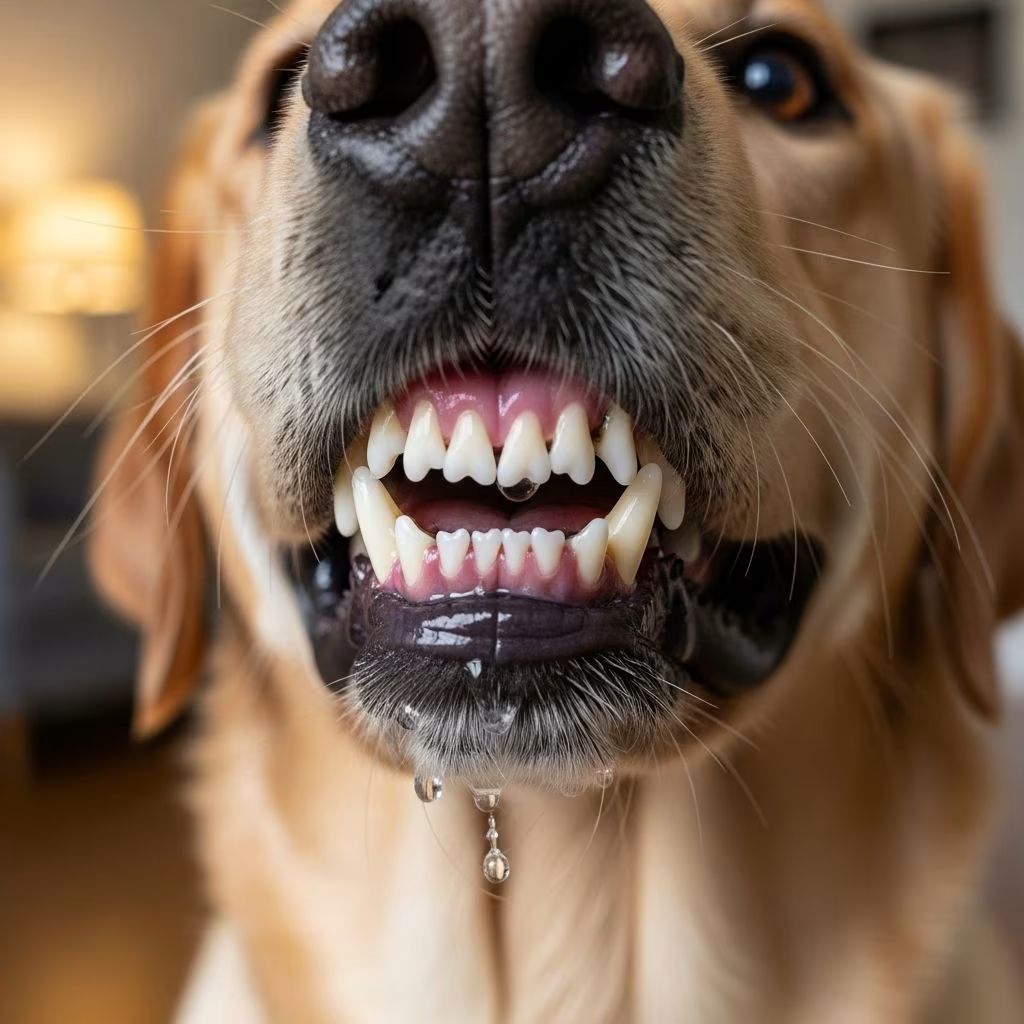
Understanding Bad Breath in Dogs
Bad breath in dogs, medically known as halitosis, is a common concern that many dog owners notice at some point. While occasional mild odor from your dog’s mouth might seem normal, persistent bad breath is often a warning sign that something requires attention. Unlike humans who can brush their own teeth and maintain oral hygiene independently, dogs rely entirely on their owners to help maintain their dental health. Understanding the causes of bad breath in dogs is the first step toward keeping your furry companion healthy and fresh-smelling.
Bad breath shouldn’t be dismissed as a normal part of dog ownership. When your dog has consistently foul-smelling breath, it may indicate underlying health issues that range from minor dental problems to serious systemic diseases. By learning to recognize when bad breath is more than just a temporary issue, you can take appropriate action and seek veterinary care when necessary.
Common Causes of Bad Breath in Dogs
Dental and Gum Disease
The most common cause of bad breath in dogs is periodontal disease, which affects the teeth and gums. Dental disease occurs when bacteria in the mouth form a slimy substance called plaque on the teeth. When plaque isn’t regularly removed, it hardens into tartar, leading to gum inflammation and disease. Poor oral hygiene allows bacteria and food debris to accumulate over time, creating that distinctive unpleasant odor.
Dogs with crowded or misaligned teeth (malocclusions) face a higher risk for developing dental disease, though most dogs will develop some degree of tartar or plaque buildup during their lifetime. If left untreated, dental disease can progress significantly, potentially leading to bone loss around the teeth and eventual tooth loss in older dogs. Some dogs may even develop tooth root abscesses, which are particularly painful infections.
Kidney Disease
Kidney disease is one of the most serious underlying causes of bad breath in dogs. The kidneys function as the body’s filtration system, and when they don’t work properly, toxins called urea build up in the bloodstream. This condition, called uremia, causes a dog’s breath to smell like ammonia or urine. If you notice your dog’s breath has this distinctive ammonia or urine-like smell, it’s crucial to seek veterinary evaluation immediately, as kidney disease is a serious health concern that requires prompt diagnosis and treatment.
Beyond bad breath, excessive urea from kidney dysfunction can cause ulceration in the mouth, which a veterinarian may notice during examination. Kidney disease is progressive, and early detection through regular veterinary check-ups is essential for managing the condition and maintaining your dog’s quality of life.
Liver Disease
Liver disease is another systemic health issue that can manifest as bad breath in dogs. The liver plays a vital role in filtering toxins and maintaining overall metabolic function. When the liver isn’t functioning properly, it can lead to the release of certain chemicals in the breath that create an unpleasant odor. Like kidney disease, liver disease requires professional veterinary diagnosis and ongoing management to prevent serious health complications.
Diabetes
Diabetes mellitus in dogs can cause a distinctive sweet or fruity-smelling breath, often described as acetone-like. This occurs when diabetes becomes unregulated or untreated, causing the body to break down fat for energy, which creates molecules called ketones. These ketones are responsible for the characteristic smell. Dogs with diabetes often exhibit other symptoms alongside bad breath, including weight loss, changes in appetite, and increased thirst and urination.
If diabetes progresses without treatment, it can lead to a life-threatening condition called diabetic ketoacidosis (DKA). Any dog showing signs of diabetes should be evaluated by a veterinarian as soon as possible to prevent serious complications.
Respiratory Infections
Infections of the respiratory system, such as sinusitis or rhinitis, can lead to bad breath in dogs. These infections cause inflammation and discharge that create an unpleasant smell. In addition to bad breath, dogs with respiratory infections typically show symptoms including sneezing, coughing, nasal discharge, and difficulty breathing. Proper diagnosis and treatment by a veterinarian are essential to address these infections effectively.
Diet and Digestive Issues
A dog’s diet plays a significant role in their overall health and can contribute to bad breath. Certain foods can leave your dog with unpleasant-smelling breath, and digestive issues can exacerbate the problem. Dogs fed raw or home-cooked diets may experience imbalances in the normal bacteria in their mouth or gut, potentially leading to increased Salmonella overgrowth, which can contribute to bad breath.
If halitosis is accompanied by changes in appetite, diarrhea, or vomiting, it’s important to contact your veterinarian for a consultation. Your vet or a veterinary nutritionist can help ensure your dog’s diet is balanced and appropriate for their individual needs, particularly if you’re feeding raw or home-cooked meals.
Ingestion of Toxic Substances
Sometimes bad breath can result from a dog eating something toxic. Certain toxins, such as plants or cigarettes, can cause a rancid or rotting smell in a dog’s breath. If you suspect your dog has ingested something toxic, it’s important to contact your veterinarian or an animal poison control center immediately, as toxic ingestions can be life-threatening.
Prevention Strategies for Fresh Dog Breath
Maintain Regular Dental Care
Regular tooth brushing is one of the most effective ways to prevent bad breath caused by dental disease. Brushing your dog’s teeth regularly removes plaque before it has a chance to harden into tartar. Just like humans, dogs benefit from consistent oral hygiene habits. Additionally, providing your dog with dental chews specifically designed to help clean teeth can contribute to better oral health and fresher breath.
Professional Dental Cleanings
Professional dental cleanings performed by a veterinarian under general anesthesia are often necessary to remove built-up plaque and tartar that regular brushing cannot address. During these cleanings, your veterinarian will also inspect and X-ray your dog’s teeth to assess their overall health. If any teeth are loose, fractured, abscessed, or dead, your vet may recommend extraction during the procedure to prevent infection and pain.
Choose Appropriate Diet
Feeding your dog a high-quality, balanced diet supports overall health and can help prevent bad breath related to digestive issues. If you feed your dog a raw or home-cooked diet, consulting with a veterinary nutritionist can help prevent dietary deficiencies and bacterial imbalances that contribute to bad breath. Your veterinarian can also recommend specific dental diets that may help reduce plaque and tartar buildup.
Regular Veterinary Check-ups
Scheduling regular veterinary check-ups is crucial for early detection of systemic health issues that can cause bad breath, such as kidney disease, liver disease, and diabetes. Diagnostic tests can uncover and help manage these serious health concerns before they progress, potentially saving your dog’s life and improving their quality of life.
Treatment Options for Bad Breath
Dental Cleaning and Extraction
For dogs whose bad breath results from dental disease, professional dental cleaning under general anesthesia is often the most effective treatment. This procedure removes plaque and tartar from the tooth surfaces and below the gum line. In some cases, damaged or severely diseased teeth may need to be extracted to prevent infection and pain. Following professional cleaning, maintaining home dental care through regular brushing becomes even more important.
Medication and Systemic Treatment
When bad breath is caused by underlying systemic conditions like kidney disease, liver disease, or diabetes, your veterinarian will develop a treatment plan specific to your dog’s condition. This may include prescription medications, therapeutic diets, and regular monitoring to manage the disease and slow its progression.
Probiotics and Digestive Support
If your dog’s bad breath stems from digestive upset or bacterial imbalances, probiotics and yogurt can be helpful natural remedies. While these won’t directly address the odor, they can help treat the underlying digestive issues causing the bad breath. Your veterinarian can recommend appropriate probiotic supplements designed for dogs.
Specialized Diets
Your veterinarian may recommend a specialized diet tailored to your dog’s specific health needs. For dental health, dry kibble is often more beneficial than soft or canned diets, as chewing helps reduce plaque buildup. The VOHC (Veterinary Oral Health Council) Accepted Product List includes several dental diet options that have been proven to help maintain oral health.
When to Seek Veterinary Care
Bad breath shouldn’t be ignored or assumed to be normal. You should bring your dog to a veterinarian as soon as possible for examination and diagnosis if you notice persistent bad breath, particularly if it’s accompanied by other symptoms. Several causes of bad breath can indicate serious health issues that require prompt attention.
If your dog’s breath smells like ammonia or urine, has a sweet or fruity odor, or is accompanied by changes in eating habits, excessive thirst, weight loss, or digestive problems, seek veterinary evaluation immediately. These could be signs of serious systemic diseases that need professional diagnosis and treatment.
Understanding the Treatment Process
Treatment for bad breath depends entirely on the underlying cause and severity of the condition. Your veterinarian may recommend a combination of approaches, which could include:
– Professional dental examination and cleaning
– Prescription medications
– Specialized therapeutic diets
– Ongoing therapies and monitoring
– Surgical interventions when necessary
Your veterinarian will advise you on the best course of action based on your dog’s specific diagnosis and overall health status. The goal is to address the underlying cause of the bad breath while improving your dog’s overall health and quality of life.
Frequently Asked Questions
Q: Is it normal for dogs to have bad breath?
A: No, persistent bad breath is not normal and should not be ignored. While dogs may occasionally have slightly odorous breath, consistently foul-smelling breath indicates an underlying problem that requires veterinary attention.
Q: What does it mean if my dog’s breath smells like ammonia?
A: Ammonia-smelling breath may indicate kidney disease or kidney dysfunction. This is a serious condition that requires immediate veterinary evaluation to prevent complications.
Q: Can I prevent bad breath in my dog?
A: Yes, you can help prevent many causes of bad breath by maintaining regular dental care, brushing your dog’s teeth regularly, providing dental chews, feeding a high-quality diet, and scheduling regular veterinary check-ups for early disease detection.
Q: How often should I brush my dog’s teeth?
A: Daily tooth brushing is ideal for maintaining optimal oral health, though even regular brushing several times a week can help reduce plaque and tartar buildup.
Q: What should I do if my dog has bad breath and other symptoms?
A: Contact your veterinarian immediately. If bad breath is accompanied by changes in appetite, weight loss, excessive thirst, vomiting, diarrhea, or other concerning symptoms, your dog may have a serious underlying health condition that requires prompt diagnosis and treatment.
Q: Are there natural remedies for dog bad breath?
A: While probiotics and yogurt may help with digestive-related bad breath, the most effective treatment depends on the underlying cause. Your veterinarian should diagnose the cause first before recommending any remedies.
References
- Bad Breath in Dogs: Causes and Remedies — Newport Center Animal Hospital. 2024. https://newportcenterah.com/bad-breath-in-dogs-causes-and-remedies/
- Bad Breath in Dogs: Causes and Treatment — PetMD. 2024. https://www.petmd.com/dog/symptoms/bad-breath-dogs-causes-treatment
- Bad Breath in Dogs: Causes & Remedies — Heart of Brooklyn Veterinary. 2023. https://www.heartofbrooklynveterinary.com/site/blog/2023/10/31/bad-breath-dogs–causes-remedies
- Dog Bad Breath: 10 Causes & 7 Solutions — Toe Grips. 2024. https://toegrips.com/dog-bad-breath/
- Why Does My Dog’s Breath Smell So Bad? — Partners Veterinary Clinic. 2024. https://partnersvetavl.com/?p=4040



