

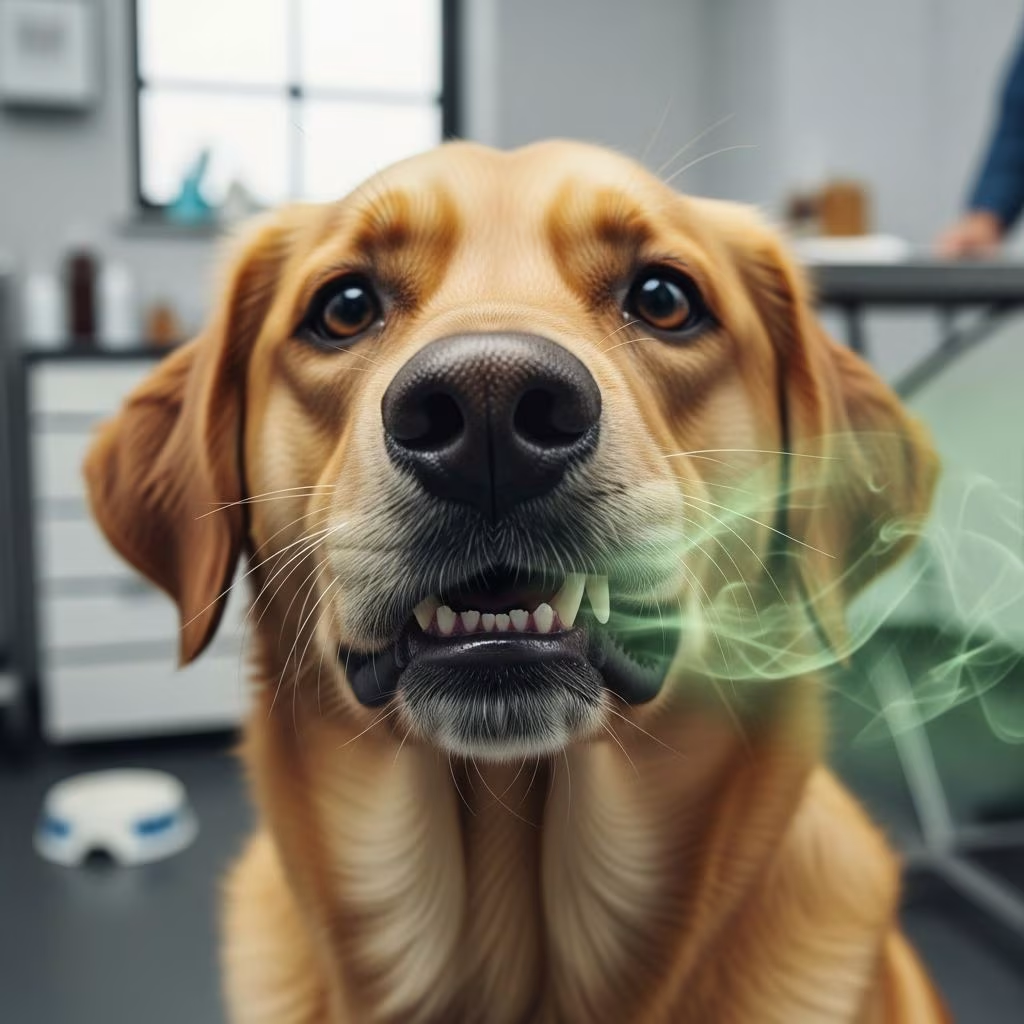
Bad Breath in Dogs: Causes and Treatment
Bad breath in dogs, medically known as halitosis, is a common concern for many pet owners. While some assume that unpleasant odors from their dog’s mouth are simply a normal part of pet ownership, this is often not the case. In reality, bad breath in dogs frequently signals an underlying medical condition that requires attention. Understanding the causes of canine halitosis and knowing when to seek veterinary care can help you maintain your dog’s health and improve their quality of life.
The Most Common Causes of Bad Breath in Dogs
Dental or Gum Disease
The most prevalent cause of bad breath in dogs is periodontal disease, a condition affecting the teeth and gums. When bacteria in a dog’s mouth multiply excessively, they form plaque, which hardens into tartar (also called dental calculus). This tartar buildup leads to inflammation of the gums, a condition known as gingivitis. As tartar accumulates, hair and food debris can become trapped between the gumline and teeth, further contributing to bad breath development.
Dogs with crowded or misaligned teeth (malocclusions) face a higher risk of developing secondary dental disease. Small and flat-faced breeds are particularly susceptible to oral disease because their teeth are positioned closer together, creating an environment where bacteria can thrive more easily. The bacteria in the mouth produce volatile sulfur compounds, which create the distinctive foul smell associated with periodontal disease.
Left untreated, dental disease can progress to severe complications including tooth loss, infections, and systemic health issues. The buildup of bacteria and the resulting inflammation can affect not only the mouth but also other organs in the body.
Kidney Disease
The kidneys serve as the body’s primary filtration system, removing toxins and waste products from the blood. When kidney disease or kidney failure occurs, the kidneys cannot function properly, leading to a dangerous accumulation of toxins called urea in the bloodstream. This condition, known as uremia when excessive urea is present, can cause bad breath that smells distinctly like ammonia or urine.
Beyond the odor issue, severe uremia can cause ulceration in the mouth, which a veterinarian may observe during an examination. If your dog’s breath smells like feces or urine, kidney dysfunction should be investigated as a potential cause, particularly if accompanied by other symptoms such as changes in appetite, increased thirst and urination, or weight loss.
Liver Disease
Similar to the kidneys, the liver functions as a filter for the body’s toxins. When liver function becomes compromised, toxins accumulate in the body and can manifest as bad breath. Dogs with liver disease often display additional symptoms including yellowing of the skin or eyes (jaundice), weight loss, poor appetite, and vomiting.
If your dog exhibits bad breath combined with any of these warning signs, prompt veterinary evaluation is essential to rule out liver disease and determine appropriate treatment.
Diabetes
When diabetes becomes unregulated or remains untreated for an extended period, the body begins breaking down fat stores as an energy source, creating molecules called ketones. Dogs producing ketones due to uncontrolled diabetes may develop breath that smells sweet or like acetone (similar to nail polish remover). Diabetic dogs typically experience additional symptoms such as weight loss, appetite changes, and increased thirst and urination.
Recognition of these symptoms is important because early intervention can help manage the condition and prevent complications.
Oral Tumors
While less common than dental disease, oral tumors represent a more serious cause of bad breath, particularly in older dogs. Oral cancers and tumors, including melanoma, squamous cell carcinoma, and peripheral odontogenic fibromas, can lead to persistent bad breath. As these masses grow, they may become infected, and tissue necrosis (death) can occur, resulting in a strong odor that persists despite good dental care at home.
Any significant change in your dog’s breath odor or the appearance of unusual growths in the mouth warrants veterinary investigation.
Toxin Ingestion
Dogs that consume toxic substances may develop characteristic odors on their breath related to what they’ve ingested. For example, certain plants can cause a rancid or rotting smell, while dogs that eat cigarettes may have nicotine odor on their breath. The environment contains hundreds of potential toxins, and identifying what your dog may have been exposed to can help determine the appropriate treatment approach.
Dietary Factors and Nutritional Deficiencies
The food your dog eats significantly impacts their breath quality. Dogs consuming high-protein diets or certain human foods may experience worse breath. Additionally, dogs that scavenge or eat garbage are more likely to develop bad breath due to the bacteria and pathogens they ingest.
Feeding raw or home-cooked diets may disrupt the normal bacterial balance in both the mouth and gut. Raw diets, in particular, increase the likelihood of Salmonella overgrowth in the gut, which can contribute to bad breath. If you feed your dog a raw or home-cooked diet, consulting with a veterinary nutritionist can help prevent dietary deficiencies and associated breath problems. If a specialist is unavailable, your regular veterinarian can provide guidance.
Understanding Your Dog’s Breath Odor
The specific smell of your dog’s bad breath can provide important clues about the underlying cause:
| Breath Odor | Possible Cause | Associated Symptoms |
|---|---|---|
| Ammonia or urine-like | Kidney disease | Increased thirst and urination, weight loss, lethargy |
| Sweet or acetone-like | Uncontrolled diabetes | Weight loss, increased appetite changes, increased thirst |
| Fecal or urine-like | Kidney disease or coprophagia | Changes in appetite, lethargy, behavioral changes |
| Rancid or rotting | Toxin ingestion or oral decay | Varies depending on toxin; may include vomiting, drooling |
| General foul odor | Dental disease or oral infections | Red or bleeding gums, loose teeth, drooling |
Treatment Options for Canine Halitosis
Professional Dental Cleaning
For dogs with dental disease, professional dental cleaning performed by a veterinarian is often necessary. This procedure removes tartar and plaque buildup that cannot be addressed through home care alone. During advanced cases with significant tartar accumulation, red or bleeding gums, or loose teeth, your veterinarian may recommend professional cleaning or additional treatment for periodontal disease.
Addressing Underlying Medical Conditions
Since halitosis is a symptom of an underlying condition rather than a disease itself, successful treatment depends on identifying and addressing the root cause. Treatments prescribed by your veterinarian may include:
- Prescription medications tailored to the specific condition
- Specialized therapeutic diets designed to support kidney, liver, or diabetic management
- Various therapies to manage chronic conditions
- Surgical interventions when necessary, depending on the affected body system and severity
Home Dental Care
Preventive care at home can significantly reduce the risk of dental disease. Regular tooth brushing using dog-specific toothpaste is the most effective method for maintaining oral health. However, if your dog cannot tolerate brushing, several alternatives exist:
- Dental chews designed to promote oral health
- Specially formulated dog foods that support dental health
- Veterinarian-recommended dental health products
Preventing Recurrence
Bad breath frequently returns if the underlying condition recurs, particularly with dental disease. Consistent home care, regular veterinary checkups, and prompt treatment of any emerging dental issues can help prevent recurrence and maintain your dog’s oral health long-term.
When to Seek Veterinary Care
You should schedule a veterinary appointment if:
- Your dog’s breath suddenly becomes noticeably worse
- Bad breath is accompanied by other symptoms such as weight loss, vomiting, or changes in eating or drinking habits
- You notice visible problems with your dog’s teeth or gums, such as redness, bleeding, or loose teeth
- Your dog drools excessively or has difficulty eating
- Home dental care does not improve the situation within a few weeks
A thorough examination of your dog’s entire oral cavity is necessary to determine the cause of halitosis. Your veterinarian can assess the severity of any dental disease and recommend appropriate treatment.
Prevention and Long-Term Management
Maintaining your dog’s oral health through preventive measures is far easier than treating advanced dental disease. Establishing a regular dental care routine early in your dog’s life sets the foundation for lifelong health. Additionally, maintaining a healthy weight, providing appropriate nutrition, and managing any chronic health conditions can help prevent bad breath from developing or recurring.
Regular veterinary checkups allow your veterinarian to identify early signs of dental disease or systemic illness before they progress. For dogs with risk factors such as crowded teeth or breeds prone to dental disease, more frequent professional cleanings may be recommended.
Frequently Asked Questions (FAQs)
Q: Can bad breath in dogs be cured?
A: Bad breath is a symptom of an underlying medical condition, and successful treatment depends on identifying and addressing that cause. Dental disease, the most common cause, can be treated effectively. However, halitosis frequently returns if dental disease recurs, making prevention and ongoing care essential.
Q: Is bad breath normal in dogs?
A: While many dog owners assume bad breath is normal, it typically indicates an underlying health issue. While dogs may have slightly stronger-smelling breath than humans due to their diet and mouth bacteria, truly foul odor is not normal and warrants veterinary evaluation.
Q: How often should I brush my dog’s teeth?
A: Daily brushing is ideal for maintaining optimal oral health. However, even brushing several times per week can provide significant benefits in preventing plaque and tartar buildup.
Q: What are the signs of serious dental disease in dogs?
A: Signs of advanced dental disease include visible tartar buildup, red or bleeding gums, loose teeth, difficulty eating, drooling, and persistent foul breath despite home care efforts.
Q: Can diet affect my dog’s breath?
A: Yes, diet significantly impacts breath quality. High-protein diets, certain human foods, and raw diets can contribute to bad breath. Feeding a balanced, high-quality diet supports overall oral and systemic health.
Q: Are certain dog breeds more prone to bad breath?
A: Yes, small and flat-faced breeds are more susceptible to dental disease due to crowded teeth. Additionally, smaller dogs tend to live longer, and their owners often feed them softer foods, both factors that increase dental disease risk.
References
- Bad Breath in Dogs: Causes and Treatment — PetMD. Accessed 2025. https://www.petmd.com/dog/symptoms/bad-breath-dogs-causes-treatment
- Halitosis in Dogs — VCA Animal Hospitals. Accessed 2025. https://vcahospitals.com/know-your-pet/halitosis-in-dogs
- Bad Breath in Dogs – PDSA — PDSA (People’s Dispensary for Sick Animals). Accessed 2025. https://www.pdsa.org.uk/pet-help-and-advice/pet-health-hub/symptoms/bad-breath-in-dogs



