Bacterial Threats in Turtles and Tortoises
Discover the hidden bacterial dangers affecting pet turtles and tortoises, from shell rot to respiratory woes, and learn vital prevention strategies.
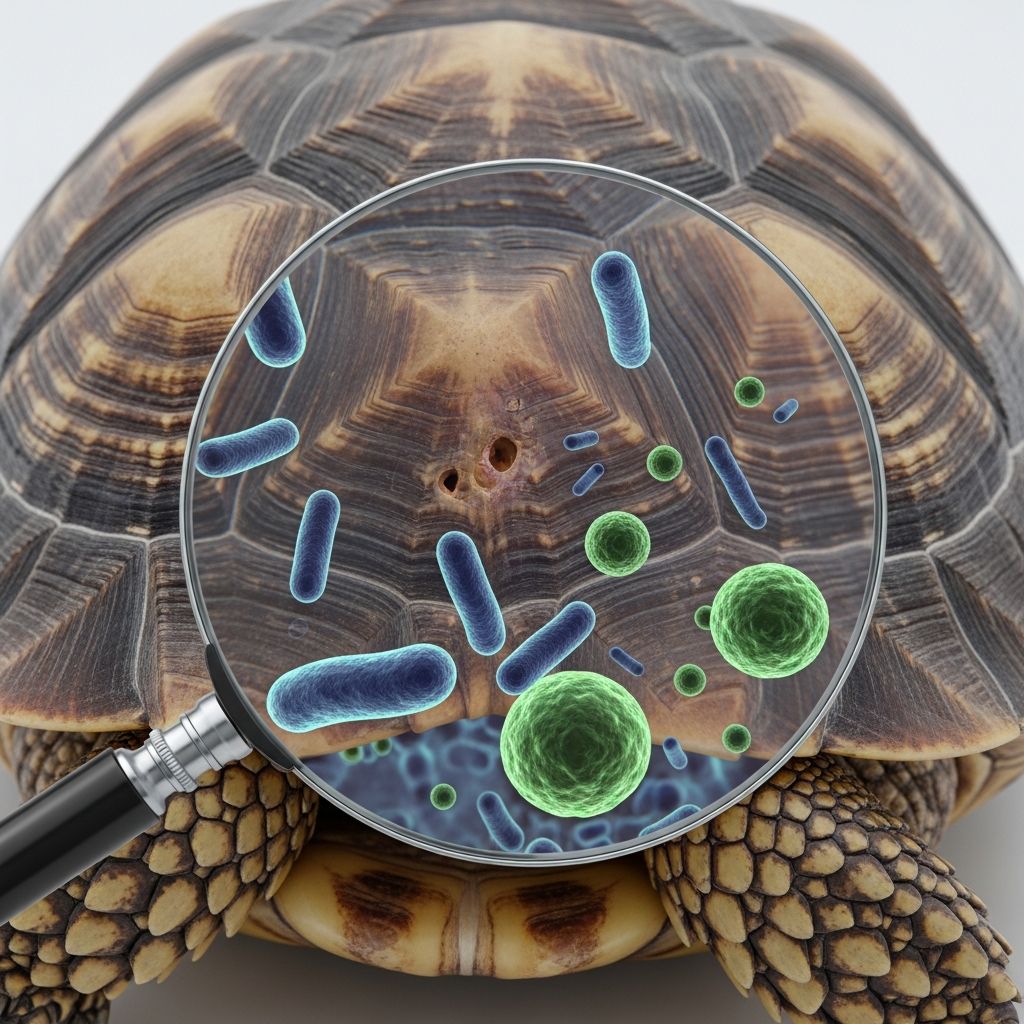
Turtles and tortoises face significant risks from bacterial infections that can compromise their health and longevity. These reptiles, popular as pets, are susceptible to conditions like shell rot, respiratory diseases, and gastrointestinal issues, often triggered by environmental factors, improper care, or weakened immunity.
Why Bacterial Infections Thrive in Reptiles
Bacteria flourish in the moist, warm environments typical of turtle and tortoise habitats. Poor water quality, inadequate hygiene, and suboptimal temperatures create ideal breeding grounds for pathogens. Gram-negative bacteria, such as Citrobacter and Aeromonas, dominate these infections, entering through wounds or mucous membranes.
Compromised immune systems exacerbate vulnerability. Factors like vitamin deficiencies, especially A, or metabolic bone disease weaken defenses, allowing opportunistic bacteria to invade. In aquatic species, constant exposure to contaminated water heightens risks, while terrestrial tortoises suffer from damp enclosures mimicking natural but unmanaged conditions.
Shell Rot: The Most Visible Danger
**Shell rot**, also known as SCUD (Septicemic Cutaneous Ulcerative Disease), represents one of the most alarming bacterial assaults on chelonians. This condition starts as superficial lesions but can penetrate deeply, causing ulcers, pitting, and bone erosion.
Citrobacter freundii and Beneckea species are primary culprits, thriving in overly damp setups. Trauma from bites, burns, or scratches provides entry points, leading to systemic septicemia if untreated. Symptoms include soft, discolored shell areas, foul odors, and lethargy as the infection spreads.
| Bacteria Involved | Common Triggers | Symptoms |
|---|---|---|
| Citrobacter freundii | Damp conditions, wounds | Skin ulcers, shell pitting |
| Beneckea spp. | High humidity, poor hygiene | Shell erosion, secondary infections |
| Serratia, Klebsiella | Contaminated water | Deep tissue damage, septicemia |
Early detection is crucial; superficial cases may resolve with topical antifungals mistaken for bacteria, but advanced SCUD demands systemic antibiotics under veterinary guidance.
Respiratory Infections: Silent Killers
Bacterial respiratory tract infections manifest as wheezing, nasal discharge, and open-mouth breathing. Mycoplasma and secondary invaders follow viral precursors like Herpesvirus or Ranavirus. Vitamin A shortages compound these, producing excess mucus around eyes, nose, and mouth.
Aquatic turtles show bubbles and neck extension during breathing, signaling pneumonia. Tortoises exhibit lethargy and appetite loss. Aeromonas hydrophila contributes to rhinitis and pneumonia, especially in sea turtles but relevant to pets.
- Nasal discharge: Clear to pus-like, often bilateral.
- Lethargy and anorexia: Reduced activity and feeding.
- Wheezing/gasping: Audible respiratory distress.
Treatment involves antibiotics like enrofloxacin, nebulization, and correcting husbandry flaws. Supportive care, including UVB lighting and balanced nutrition, aids recovery.
Skin and Soft Tissue Battles
Beyond shells, skin infections arise from bacterial ingress via cuts or abrasions. Aeromonas species cause dermatitis, myositis, and even osteomyelitis in severe cases. Stomatitis, or mouth infections, though less common, present as swollen gums and drooling.
In tortoises, gastrointestinal upsets from bacterial overgrowth lead to bloat or prolapse emergencies. Abrupt diet shifts or dairy introduce gas-producing bacteria. Protruding rectal masses signal urgent intervention.
Internal Organ Involvement
Bacteria disseminate systemically, targeting lungs, liver, spleen, and kidneys. Mycobacterium chelonae infects aquatic reptiles, growing optimally at 22-40°C. Salmonella enterica, ubiquitous in chelonians, causes enteritis or acts asymptomatically, posing zoonotic threats.
Enterococcus faecalis enters via wounds or GI perforations, detected in wild and pet feces. Streptococci and Staphylococci inflame digestive tracts, leading to esophagitis or hepatitis.
Zoonotic Risks: Protecting Humans
Pet turtles harbor Salmonella on shells and skin, transmissible via contact with habitats or feces. The FDA warns against free-roaming in kitchens, as germs contaminate surfaces. Children under five face heightened salmonellosis risks, with symptoms like diarrhea and fever.
- Clean enclosures outdoors weekly.
- Wash hands post-handling.
- Avoid kissing or mouth contact.
Diagnosis: Veterinary Essentials
Vets employ fecal exams for parasites mimicking bacteria, cytology for abscesses, and cultures identifying pathogens like Citrobacter. Radiographs reveal shell osteomyelitis; bloodwork assesses systemic spread.
PCR tests detect mycoplasma or viruses predisposing bacterial overgrowth. Routine check-ups catch subclinical issues.
Treatment Strategies
Antibiotics target specifics: baytril for respiratory, injectables for SCUD. Surgical debridement removes necrotic shell. Fluid therapy combats dehydration from anorexia.
Probiotics restore gut flora post-treatment. Quarantine prevents spread in multi-pet homes.
Prevention: The Best Defense
Maintain pristine habitats: filter aquatic tanks, provide dry basking zones (85-95°F), and UVB 10-12 hours daily. Varied diets rich in greens, veggies, and occasional protein boost immunity.
Quarantine newcomers 90 days. Weekly water changes, substrate swaps minimize bacteria. Monitor for early signs like dull shells or mucus.
Case Studies in Reptile Care
A red-eared slider with SCUD recovered post-debridement and Citrobacter-targeted therapy, highlighting hygiene’s role. Tortoise respiratory cases resolved with vitamin A injections and mycoplasma antibiotics. These underscore prompt vet care.
FAQs
Can shell rot heal without a vet?
No, advanced cases risk septicemia; professional diagnosis ensures proper antibiotics.
Is Salmonella common in all turtles?
Yes, many carry it asymptomatically; hygiene prevents human transmission.
How often should I clean the enclosure?
Aquatic: 25-50% water weekly; terrestrial: spot clean daily, full weekly.
What diet prevents infections?
Balanced: 80% veggies, calcium supplements, vitamin A sources like carrots.
Are wild-caught turtles riskier?
Yes, higher parasite/bacteria loads; opt for captive-bred.
Long-Term Health Monitoring
Annual vet exams, weight tracking, and fecal tests maintain vigilance. Adjust setups seasonally for temperature/humidity. Community education reduces mishandling.
By prioritizing evidence-based care, owners extend lifespans beyond 50 years for many species. Bacterial threats, while daunting, yield to diligent husbandry.
References
- Common Diseases of Tortoises — VCA Animal Hospitals. 2023. https://vcahospitals.com/know-your-pet/common-diseases-of-tortoises
- General Diseases of the Turtle and Tortoise — Safari Veterinary Care Centers. 2024. https://www.safarivet.com/care-topics/reptiles-and-amphibians/turtle-and-tortoise/general-diseases/
- Bacterial Infections in Sea Turtles — PMC (National Library of Medicine). 2023-05-24. https://pmc.ncbi.nlm.nih.gov/articles/PMC10223378/
- SCUD — Tree of Life Exotic Pet Medical Center. 2024. https://treeoflifeexotics.vet/education-resource-center/for-clients/turtles/scud
- Common Diseases Of Aquatic Turtles — Reptiles Magazine. 2023. https://reptilesmagazine.com/common-diseases-of-aquatic-turtles/
- Pet Turtles: A Source of Germs — U.S. Food and Drug Administration (FDA). 2024. https://www.fda.gov/animal-veterinary/animal-health-literity/pet-turtles-source-germs
- Pet Turtles: Cute But Contaminated with Salmonella — Alabama Department of Public Health. 2023. https://www.alabamapublichealth.gov/infectiousdiseases/assets/turtlesconsumerupdate.pdf
Similar Articles








Read full bio of medha deb