

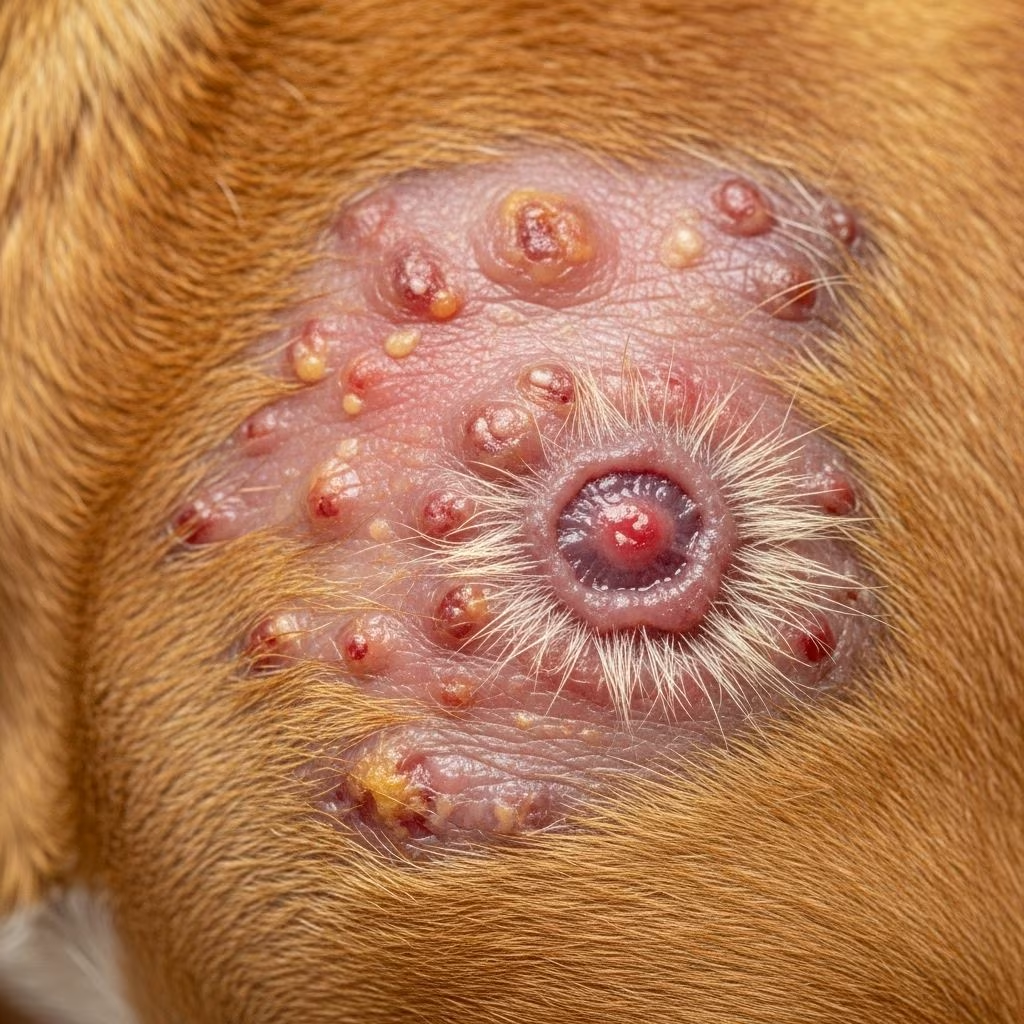
Bacterial skin infections represent one of the most common health concerns affecting dogs across all breeds and age groups. Among these infections, cellulitis stands out as a particularly significant condition that requires prompt veterinary attention. This painful inflammatory condition develops beneath the skin’s surface when bacteria penetrate through cuts, wounds, or compromised skin barriers. Understanding how cellulitis develops, recognizing its symptoms early, and knowing the appropriate treatment options can make a substantial difference in your dog’s recovery and overall health outcomes.
The Nature of Bacterial Skin Infections in Canines
Cellulitis in dogs represents a deep tissue infection that differs significantly from superficial skin conditions. Unlike surface-level irritations that affect only the outermost skin layer, cellulitis involves inflammation and bacterial colonization in the subcutaneous tissues beneath the epidermis. This distinction is crucial because deep tissue infections spread more rapidly in dogs than they might in humans due to the structural differences in canine skin and connective tissue.
The loose connective tissue beneath a dog’s skin provides minimal resistance to bacterial spread. This anatomical characteristic means that what begins as a small puncture wound or minor cut can quickly evolve into a widespread infection affecting large areas of the body. Pet owners often express surprise at how rapidly their dog’s condition deteriorates, but this swift progression is a natural consequence of canine physiology.
How Bacterial Infections Gain Entry
Understanding the various pathways through which bacteria penetrate a dog’s protective skin barrier is essential for prevention and early recognition. Several common mechanisms facilitate infection development:
- Puncture wounds and penetrating trauma: Small punctures from thorns, grass seeds, or sharp objects introduce bacteria deep into tissue layers while creating only minimal surface evidence of injury
- Bite wounds: Whether from insects, other animals, or traumatic accidents, bite wounds create ideal environments for bacterial colonization
- Surgical or injection sites: Contamination during medical procedures can introduce bacteria despite sterile technique
- Dry and cracked skin: Environmental factors and underlying skin conditions compromise the skin barrier, allowing bacterial invasion
- Secondary spread from adjacent infections: Existing infections in nearby structures such as dental abscesses, sinus infections, or nasal infections can spread to surrounding tissues
Common Bacterial Culprits
Two bacterial species are predominantly responsible for cellulitis development in dogs. Staphylococcus and Streptococcus bacteria are opportunistic organisms commonly found in soil, water, air, and on animal and human skin. These bacteria remain harmless as long as they cannot access deeper tissue layers. However, once a skin breach occurs, these normally benign organisms become pathogenic invaders.
In some cases, particularly those associated with bite wounds, other bacteria may be involved. Pasteurella multocida, a bacterium commonly found in the mouths of cats and dogs, can cause particularly aggressive infections when introduced through bite wounds. These polymicrobial infections—where multiple bacterial species are involved—often prove more challenging to treat and may require broader-spectrum antibiotic coverage.
Anatomical Locations and Presentation Patterns
Cellulitis can develop in various locations on a dog’s body, but certain areas show higher predisposition toward infection. Recognition of these common sites helps owners identify potential problems early:
| Location | Common Causes | Typical Presentation |
|---|---|---|
| Limbs and Paws | Thorn or grass-seed penetration, minor wounds | Limping, painful swelling, heat, reluctance to bear weight |
| Face and Muzzle | Bite wounds, scratches, foreign bodies, tooth root abscesses | Rapid facial swelling, heat, pain, skin tightness |
| Eye Region (Periocular/Orbital) | Thorn or grass-seed penetration, bite wounds, dental infections, sinus infections | Facial swelling, eyelid redness, squinting, severe pain |
Facial cellulitis warrants particular attention because of the anatomical connections among the skin, sinuses, and eye orbit. Because facial tissues drain toward the eyes and brain, facial cellulitis is always treated aggressively in veterinary medicine. Periocular cellulitis frequently progresses to deeper orbital involvement if not treated promptly, potentially threatening vision and requiring more intensive intervention.
Recognizing Clinical Signs and Symptoms
Early recognition of cellulitis symptoms enables faster veterinary intervention and typically results in better outcomes. Pet owners should be alert for several characteristic warning signs:
- Visible swelling in the affected area that may be firm or fluid-filled
- Increased heat and warmth radiating from the swollen region
- Pain that causes the dog to whimper, avoid touching the area, or restrict movement
- Reluctance to bear weight on affected limbs
- Limping or abnormal gait changes
- Visible wounds, abscesses, or draining material
- Redness of the skin surrounding the affected area
- Signs of systemic illness including lethargy, reduced appetite, or fever
- Changes in behavior such as increased licking, biting, or attention to the affected area
The severity of symptoms often depends on the infection’s location and how deeply it penetrates. A small limb infection might cause mild limping, while facial cellulitis can produce dramatic swelling and considerable pain that significantly impacts the dog’s quality of life.
Diagnostic Procedures and Veterinary Assessment
Veterinary diagnosis combines physical examination with laboratory testing to confirm cellulitis and identify the causative bacteria. The diagnostic approach typically includes:
Physical Examination: Your veterinarian will assess the swollen area, evaluate wound characteristics, check for abscesses, and examine whether foreign bodies are visible or palpable. The vet may gently manipulate the affected region to determine the extent of swelling and to assess pain response.
Blood Tests: Complete blood count and chemistry panels help evaluate your dog’s systemic response to infection. Elevated white blood cell counts often indicate active bacterial infection.
Cytology and Culture: Sampling fluid or material from the affected area through swabs or aspirates provides direct evidence of bacterial presence. Culture testing identifies the specific bacterial species involved and determines which antibiotics will be most effective.
Imaging: In some cases, particularly with facial or orbital cellulitis, radiographs or ultrasound may be recommended to assess the extent of infection and identify foreign bodies that might not be visible externally.
Treatment Strategies and Therapeutic Approaches
Effective cellulitis treatment requires a multi-layered approach that addresses the infection’s source while managing pain and supporting overall recovery:
Source Elimination: The foundation of treatment involves identifying and removing the underlying cause. This process includes wound clipping and cleaning, draining abscesses under appropriate anesthesia or sedation, and physically removing any foreign bodies such as thorns or grass seeds. If an abscess hasn’t ruptured, your veterinarian will incise and drain it, potentially inserting a sterile drain tube to allow continuous drainage. Managing underlying triggers such as allergies, parasites, and self-trauma prevents recurrence.
Antimicrobial Therapy: Antibiotics represent the cornerstone of cellulitis treatment. Systemic antibiotics are typically necessary for managing deep infections, and their selection should ideally be guided by culture and susceptibility testing. Common medications include cephalexin, moxifloxacin, nafcillin, vancomycin, ciprofloxacin, and ampicillin-sulbactam. Topical antiseptics such as chlorhexidine-based products may serve as adjunctive treatments. It is crucial that your dog completes the entire antibiotic course even if symptoms resolve, as premature cessation can lead to treatment failure and recurrent infection.
Pain Management and Comfort Care: Cellulitis causes significant pain that impacts appetite, mobility, and recovery. Your veterinarian will prescribe pain medications and non-steroidal anti-inflammatory drugs (NSAIDs) to enhance comfort, improve mobility, and reduce stress-related self-trauma.
Special Consideration: Juvenile Cellulitis in Puppies
A distinct form of cellulitis occasionally affects young dogs, particularly certain breeds. Juvenile cellulitis, commonly called “puppy strangles,” differs fundamentally from bacterial cellulitis because it involves the immune system attacking the skin rather than bacterial invasion. This immune-mediated condition occurs more frequently in Golden Retrievers, Dachshunds, and Gordon Setters, suggesting a hereditary component.
Unlike bacterial cellulitis treated with antibiotics, juvenile cellulitis requires immunosuppressive therapy. Prednisone serves as the primary treatment medication, administered over several weeks before gradual tapering. This fundamental difference in treatment approach underscores the importance of accurate diagnosis, as treating immune-mediated cellulitis with antibiotics alone will not resolve the underlying problem.
Prevention Strategies and Risk Reduction
While cellulitis cannot be completely prevented, several strategies reduce the likelihood of infection development:
- Promptly clean any visible cuts, wounds, or abrasions with antiseptic solutions
- Monitor outdoor activities, especially in areas with thorns, sharp grass, or rough terrain
- Keep your dog’s skin healthy through appropriate grooming and parasite prevention
- Address underlying allergies or skin conditions that compromise the skin barrier
- Prevent excessive licking and self-trauma through appropriate behavioral management and stress reduction
- Maintain current vaccinations as recommended by your veterinarian
- Seek immediate veterinary attention for any puncture wounds, particularly those from unknown sources
- Keep surgical sites clean and monitor post-operative healing closely
Prognosis and Recovery Expectations
The prognosis for bacterial cellulitis is generally favorable when treatment begins promptly. Most dogs recover fully with appropriate antibiotic therapy and supportive care. The case of Poppy, an 8-year-old Labrador Retriever, illustrates typical recovery: within just 7 days of appropriate antibiotics and treatment, all symptoms resolved.
However, delayed treatment or inadequate antibiotic therapy can result in complications including abscess formation, recurrent infection, or in severe cases, progression to necrotizing cellulitis or fasciitis—more serious conditions requiring surgical intervention. Early recognition and aggressive treatment prevent these complications.
When to Seek Veterinary Care
Pet owners should contact their veterinarian immediately when noticing sudden swelling, obvious wounds, or signs of pain in any body area. Facial swelling requires particularly urgent evaluation due to the risk of progression to orbital involvement. Even small puncture wounds warrant professional assessment, as the initial injury often appears insignificant despite introducing bacteria deep into tissue.
References
- Cellulitis in Pets (Dogs and Cats) – The Andys Veterinary Clinic — The Andys Veterinary Clinic. 2024. https://www.andysvetclinic.net/post/cellulitis-in-pets-dogs-and-cats-causes-warning-signs-diagnosis-treatment-and-prevention
- Vet Guide 2025: Cellulitis in Dogs and Cats — AskAVet.com. 2025. https://askavet.com/blogs/news/vet-guide-2025-cellulitis-in-dogs-and-cats-causes-symptoms-treatment
- Cellulitis in Dogs Explained | Symptoms & Treatments — Genius Vets. 2025. https://www.geniusvets.com/pet-care/learn/dogs/medical-resources/diseases-and-conditions-cellulitis-dogs
- Necrotizing Cellulitis in a Dog — Clinician’s Brief. 2024. https://www.cliniciansbrief.com/article/necrotizing-cellulitis-dog
- Can Dogs Get Cellulitis? — Wag Walking. 2025. https://wagwalking.com/wellness/can-dogs-get-cellulitis
- Juvenile Cellulitis (Puppy Strangles) — VCA Hospitals. 2025. https://vcahospitals.com/know-your-pet/juvenile-cellulitis-puppy-strangles
- Cellulitis – StatPearls — National Center for Biotechnology Information. 2024. https://www.ncbi.nlm.nih.gov/books/NBK549770/



