

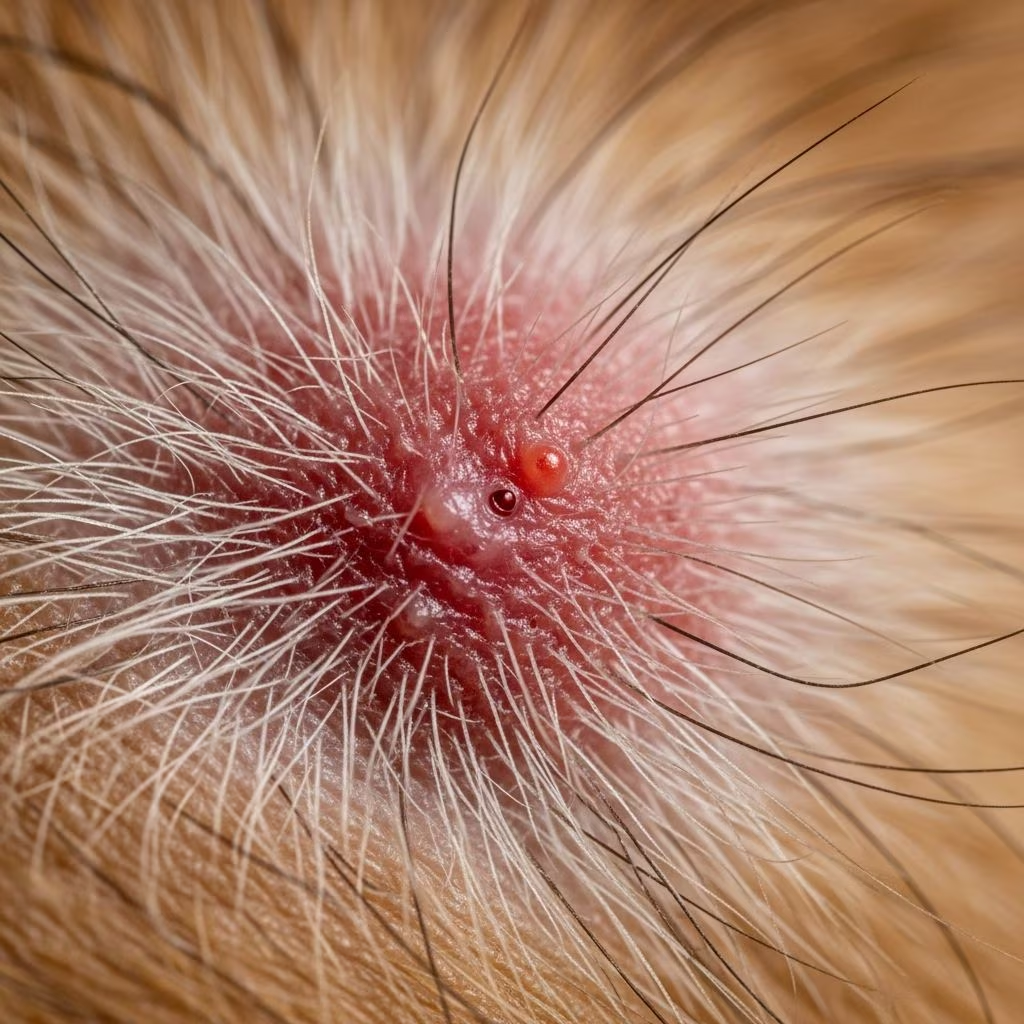
Bacterial skin infections represent one of the most frequently encountered dermatological conditions in veterinary practice. Known clinically as pyoderma, these infections occur when pathogenic bacteria colonize and damage the skin, leading to inflammation, discomfort, and visible lesions. Understanding the underlying mechanisms, predisposing factors, and appropriate management strategies is essential for pet owners seeking to protect their dogs from this persistent health concern.
Understanding the Nature of Canine Skin Infections
Pyoderma in dogs fundamentally represents a breakdown in the skin’s protective barrier function. The canine skin naturally harbors various bacterial species that coexist peacefully under normal circumstances. However, when certain conditions compromise the skin’s integrity or alter its microbial balance, these normally harmless organisms can proliferate excessively and trigger infection.
The bacterium Staphylococcus pseudintermedius is responsible for the vast majority of canine pyoderma cases, accounting for more than 90 percent of infections. This species is part of the normal skin flora but becomes problematic when environmental conditions shift in its favor. The infection may remain confined to superficial layers or penetrate deeper into the dermis, with each presentation requiring different diagnostic and therapeutic approaches.
Recognizing Clinical Manifestations
Dogs with bacterial skin infections display a spectrum of clinical signs that vary depending on the infection’s depth and severity. Early recognition of these symptoms enables prompt intervention and prevents progression to more complicated presentations.
Surface-level infections typically present with pink or reddened skin, hair loss in affected areas, and visible crusting. Owners frequently observe circular lesions with distinctive crusted borders. The affected skin may appear flaky or scaly, and many dogs exhibit variable degrees of itching. When pustules form, they characteristically appear as raised, red bumps with white or purulent centers.
Deep infections produce more pronounced clinical signs including significant swelling, skin discoloration, extensive crusting, and ulceration. Hemorrhagic bullae—large blood-filled swellings—may develop in severe cases. These deeper infections typically cause greater systemic discomfort and require more aggressive therapeutic intervention.
A specialized form of surface infection called pyotraumatic dermatitis, commonly referred to as “hot spots,” develops rapidly and causes intense itching. These lesions emerge suddenly and worsen quickly if left untreated. Another notable presentation is intertrigo, which affects skin folds and occurs frequently in short-muzzled breeds such as English Bulldogs.
Primary and Secondary Contributing Factors
Pyoderma rarely develops in isolation. Instead, it typically emerges as a secondary complication when underlying conditions compromise skin health. Identifying and addressing these root causes is fundamental to preventing recurrent infections.
Allergic Conditions
Allergic dermatitis represents one of the most significant predisposing factors for bacterial skin infections. Dogs with environmental allergies (atopic dermatitis), food allergies, or flea bite allergies experience chronic skin inflammation and itching. The subsequent scratching creates microabrasions that breach the skin barrier, allowing bacterial invasion. Pyoderma frequently develops in these abraded areas, creating a frustrating cycle where the allergic condition fuels secondary infection.
Parasitic Infestations
Ectoparasites—particularly mites such as Demodex and Sarcoptes—damage the skin and create conditions favoring bacterial proliferation. Flea infestations cause similar damage through direct skin irritation and the allergic reactions they trigger in susceptible dogs. Regular parasite prevention is essential for reducing pyoderma risk in affected animals.
Endocrine Disorders
Hormonal imbalances significantly impair skin barrier function and immune responsiveness. Hypothyroidism reduces skin sebum production, compromising the natural protective film. Hyperadrenocorticism (Cushing’s disease) suppresses immune function and alters skin physiology. Both conditions substantially increase pyoderma susceptibility.
Immune and Genetic Factors
Immune-mediated disorders, immunosuppressive medications, and genetic predispositions to keratinization abnormalities all increase infection risk. Some breeds demonstrate hereditary susceptibility to skin disorders. Additionally, certain medications—particularly systemic corticosteroids—suppress immune function and create favorable conditions for bacterial overgrowth.
Environmental and Management Factors
Chronic moisture exposure damages the skin barrier and promotes bacterial proliferation. Poor grooming hygiene, combined with inadequate skin cleaning, allows bacteria to accumulate. Thin-haired areas such as the groin and underarms in puppies are particularly vulnerable to infection due to increased vulnerability to environmental irritation.
Infection Severity Classifications
Veterinary professionals classify pyoderma into distinct categories based on penetration depth and severity. This classification system guides treatment decisions and prognostic assessment.
| Infection Type | Characteristics | Typical Appearance | Treatment Complexity |
|---|---|---|---|
| Surface Pyoderma | Limited to epidermis; usually mild to moderate severity | Redness, crusting, hair loss, pustules with white centers | Responds well to topical therapy; oral antibiotics often unnecessary |
| Superficial Pyoderma | Involves hair follicles; more localized lesions | Folliculitis pattern, pustules surrounding hair shafts | Combined topical and systemic therapy typically recommended |
| Deep Pyoderma | Extends into dermis and subcutaneous tissue; severe infection | Significant swelling, ulceration, hemorrhagic bullae, crusting | Requires prolonged systemic antibiotic therapy; possible scarring |
Diagnostic Approach and Investigation
Accurate diagnosis relies upon clinical examination combined with laboratory confirmation. While clinical signs often suggest pyoderma, bacterial culture and susceptibility testing provide crucial information for selecting appropriate antimicrobial therapy.
A bacterial culture identifies the specific organism responsible for infection and determines its antibiotic susceptibility profile. This test proves particularly valuable when infections recur, when standard treatments fail, or when resistance to common antibiotics is suspected. Performing culture before initiating treatment optimizes therapeutic success and prevents unnecessary antibiotic exposure.
Once the bacterial infection is cleared or substantially improved, veterinarians can pursue investigation of underlying causes. If allergies are suspected, elimination diets help identify food sensitivities, while allergen testing can support atopic dermatitis diagnosis. Thyroid function tests, adrenal hormone panels, and other endocrine investigations help identify hormonal contributions to recurrent infections.
Therapeutic Strategies for Bacterial Skin Infections
Topical Treatment Approaches
Topical antimicrobial therapy forms the foundation of pyoderma treatment for most cases. Chlorhexidine-based products, available as shampoos and sprays, remain among the most effective topical agents. These compounds kill bacteria by coagulating cytoplasmic proteins and disrupting cell membranes. At concentrations between 2-4%, chlorhexidine provides bactericidal activity against most pathogens. Research demonstrates that twice-weekly 4% chlorhexidine shampoo combined with daily 4% chlorhexidine spray achieves therapeutic effectiveness comparable to systemic antibiotic therapy in dogs with superficial pyoderma, whether infected with methicillin-susceptible or methicillin-resistant strains.
Benzoyl peroxide products function as oxidizing agents that disrupt bacterial cell wall membranes through increased permeability or membrane rupture. Concentrations of 2.5-3% provide adequate antimicrobial activity. Additionally, benzoyl peroxide possesses degreasing properties that may prove beneficial in seborrheic conditions but may cause excessive drying in some dogs. These products work well for surface infections and may serve as alternatives when chlorhexidine proves insufficient.
Sulfur with salicylic acid combinations offer another topical option, though evidence supporting their efficacy appears less robust than chlorhexidine-based formulations. Typical treatment protocols involve application once or twice weekly for three to four weeks.
Beyond antimicrobial products, environmental management proves essential. Dogs require clean, dry, padded bedding to minimize bacterial exposure and promote skin healing. Moisture-prone areas should be dried thoroughly after bathing or exposure to water.
Systemic Antibiotic Therapy
Systemic antimicrobial therapy addresses infections that fail to respond to topical treatment alone or that involve deeper dermal penetration. Treatment duration typically extends for two weeks beyond clinical resolution for superficial infections, though some cases require continued therapy for 8-16 weeks, particularly when deep pyoderma is present.
Antimicrobial selection should ideally follow bacterial culture and susceptibility results rather than relying on empirical therapy. However, practical considerations sometimes necessitate initiating treatment before culture results become available. In such situations, agents with demonstrated efficacy against common canine pathogens serve as reasonable starting points, pending confirmation of susceptibility.
Critical factors influencing treatment success include appropriate dosing and adequate duration. Underdosing and premature discontinuation rank among the most common causes of treatment failure and recurrent infection. Veterinarians must communicate clearly with clients regarding compliance importance and complete medication courses even after visible improvement occurs.
Managing Underlying Conditions
Addressing predisposing factors represents the cornerstone of preventing recurrent pyoderma. When allergies represent the underlying cause, implementing appropriate management strategies becomes paramount. For dogs with food allergies, strict elimination diets conducted under veterinary supervision identify problematic ingredients. When environmental allergies predominate, immunotherapy using allergen-specific vaccines may provide long-term benefit after skin testing identifies relevant allergens.
In cases where allergies trigger secondary pyoderma, antihistamines or lower-dose corticosteroids administered at specific times may help control pruritus and reduce the secondary infection cycle. Thyroid replacement therapy benefits hypothyroid dogs, while endocrine disorders require appropriate management to restore normal skin physiology.
Flea prevention deserves particular emphasis, as flea-allergic dermatitis represents a major preventable cause of pyoderma. Year-round parasite prevention protects susceptible dogs from both direct parasitic damage and allergic reactions.
Preventing Recurrent Infection
Recurrent bacterial skin infections frustrate both owners and veterinarians. Several factors commonly contribute to this persistent problem. Failure to identify underlying causes allows predisposing conditions to continue driving infection recurrence. Inadequate antimicrobial dosing or excessively shortened treatment duration permits incomplete bacterial elimination and rapid regrowth.
Inappropriate use of immunosuppressive therapy, particularly systemic corticosteroids administered without addressing underlying causes, perpetuates the infection cycle. Similarly, selecting antimicrobials without culture guidance may result in ineffective therapy against resistant organisms. Finally, failure to recheck patients after treatment completion prevents early detection of recurrent infection before it becomes clinically severe.
Prophylactic topical therapy following successful treatment provides additional protection against reinfection. Periodic chlorhexidine or benzoyl peroxide applications maintain low bacterial populations on healing skin. This maintenance strategy proves particularly valuable for dogs with identified allergic predisposition or those with recurrent infection history.
Special Considerations for Puppies
Puppy pyoderma represents a distinct clinical entity occurring in young animals, typically in thin-haired areas such as the groin and underarms. Unlike adult dog infections, puppy pyoderma usually develops without underlying systemic disease. The condition emerges when normal skin bacteria proliferate following irritation from environmental factors.
Treatment varies with severity. Mild cases respond to topical antiseptic products applied directly to affected areas. Moderate infections may require topical antibiotic ointments. More severe presentations necessitate oral antibiotic therapy. Fortunately, puppy pyoderma typically resolves without causing secondary complications or progressing to chronic infection patterns.
Emerging Treatment Perspectives
Growing awareness of antimicrobial resistance has prompted reconsideration of treatment approaches. Recent evidence suggests that topical antimicrobial therapy alone may suffice for many superficial pyoderma cases, potentially reducing unnecessary systemic antibiotic exposure. Research indicates that chlorhexidine shampoos can resolve or substantially improve clinical signs within three weeks in most cases, regardless of methicillin resistance status.
This evolving perspective supports a more judicious approach to antimicrobial prescription, emphasizing topical therapy as first-line treatment for suitable cases while reserving systemic antibiotics for deeper infections or topical-refractory cases. This strategy balances therapeutic efficacy with responsible antimicrobial stewardship.
Frequently Asked Questions
How long does pyoderma treatment typically require?
Treatment duration depends on infection severity. Superficial cases usually require two weeks of therapy beyond clinical resolution. Deep infections may require 8-16 weeks of systemic antibiotics combined with topical therapy. Completing the entire prescribed course is essential even after visible improvement occurs.
Can pyoderma be prevented entirely?
While complete prevention is not always possible, risk reduction is achievable through addressing underlying conditions. Year-round parasite prevention, managing allergies, maintaining appropriate body weight, and ensuring proper grooming hygiene all contribute to reducing infection incidence.
Why do some dogs experience recurrent infections despite treatment?
Recurrence typically results from inadequate underlying cause management, insufficient treatment duration, or inappropriate antimicrobial selection. Identifying and addressing predisposing factors proves crucial for breaking recurrent infection cycles.
Can topical treatment alone resolve pyoderma?
Many superficial cases respond successfully to topical antimicrobial therapy alone. However, deeper infections or cases failing to improve after two to three weeks of topical treatment typically require systemic antibiotic therapy.
References
- Pyoderma in Dogs and Cats – Integumentary System — MSD Veterinary Manual. 2024. https://www.msdvetmanual.com/integumentary-system/pyoderma/pyoderma-in-dogs-and-cats
- Pyoderma in Dogs — VCA Animal Hospitals. 2024. https://vcahospitals.com/know-your-pet/pyoderma-in-dogs
- Diagnosis and Treatment of Pyoderma in Dogs — MedVet. 2024. https://www.medvet.com/diagnosis-and-treatment-of-pyoderma-in-dogs/
- Pyoderma in Dogs — PetMD. 2024. https://www.petmd.com/dog/conditions/skin/c_multi_pyoderma
- Treating pyoderma without the use of systemic antibiotics — PMC National Center for Biotechnology Information. 2019. https://pmc.ncbi.nlm.nih.gov/articles/PMC6855222/
- Canine Pyoderma: Antibiotic Use and Resistance — Antimicrobial Resistance Learning Site, University of Minnesota. 2024. https://amrls.umn.edu/canine-pyoderma



