
Bacterial Pneumonia In Cattle: 4 Primary Pathogens & Care
Explore the causes, symptoms, and management strategies for bacterial pneumonia in cattle affected by Bovine Respiratory Disease Complex.
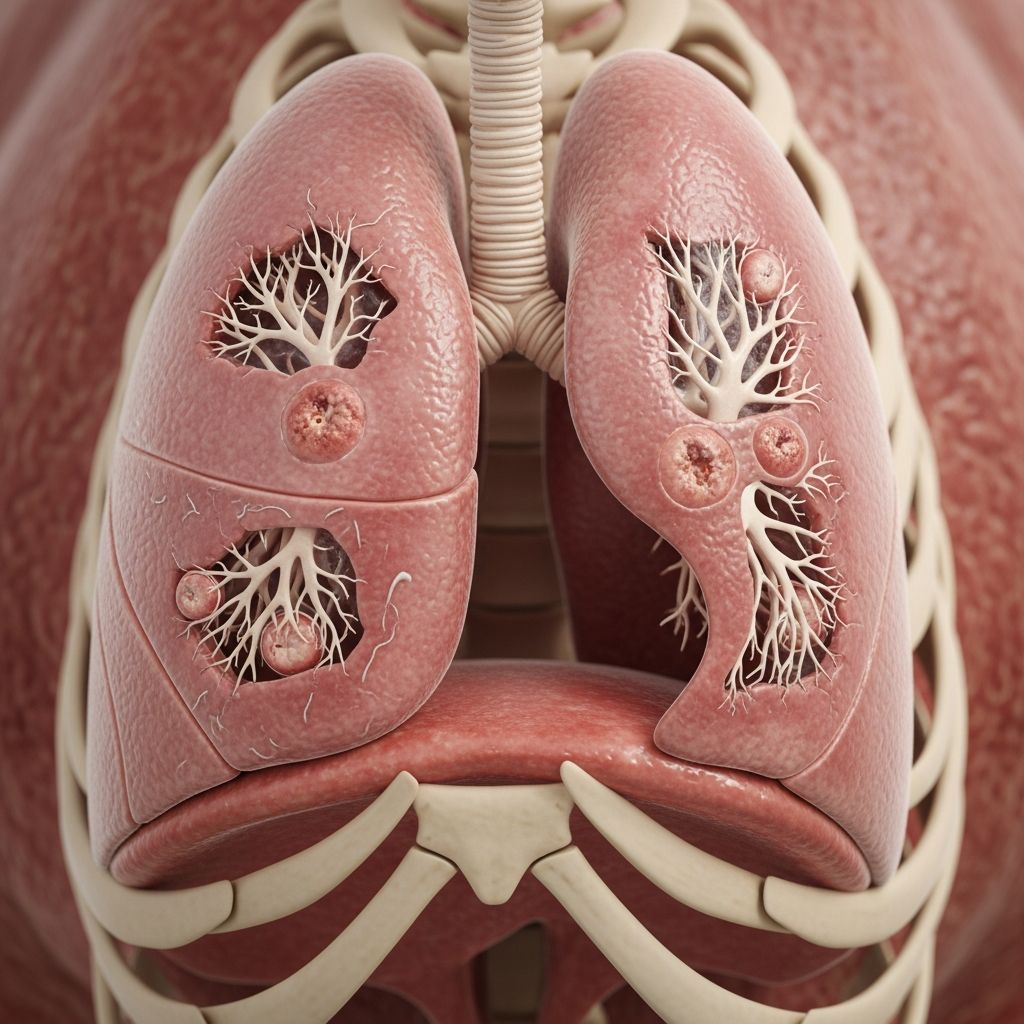
Bacterial pneumonia represents a critical phase in Bovine Respiratory Disease Complex (BRD), a multifaceted condition affecting cattle worldwide, particularly in feedlots and during weaning. Triggered by stressors like transport and viral infections, bacteria invade the lungs, leading to severe inflammation and potential chronic damage. Understanding these dynamics is essential for timely intervention and herd protection.
Understanding the Role of Bacteria in Cattle Respiratory Illness
BRD often starts with viral damage to the respiratory tract, creating opportunities for bacterial overgrowth. Normally residing harmlessly in the upper airways, bacteria like Mannheimia haemolytica proliferate under stress, migrating to the lungs and causing destructive pneumonia. This progression underscores the interplay between environmental factors, immunity, and microbial invasion.
Key contributors include serotype 1 of Mannheimia haemolytica, the most common isolate in affected feedlot cattle and calves with enzootic pneumonia. Viral suppression weakens host defenses, allowing rapid bacterial replication and release of toxins that necrotize lung tissue.
Primary Bacterial Culprits Behind BRD Pneumonia
- Mannheimia haemolytica: Predominant in early BRD cases post-weaning; thrives in tonsillar crypts until stress prompts lung colonization, producing leukotoxin for tissue destruction.
- Histophilus somni: Linked to pneumonia, pleuritis, and systemic spread to heart, joints, and brain; emerges later in feed periods, causing fibrinous lung lesions.
- Mycoplasma bovis: Drives chronic cases with pneumonia, arthritis, and poor treatment response; colonizes upper tracts asymptomatically before descending under stress.
- Pasteurella multocida: Contributes to bronchopneumonia, often alongside other pathogens in multifactorial outbreaks.
These organisms exploit compromised mucociliary clearance and immune responses, leading to pus-filled lungs, thrombosis, and fibrosis if untreated.
Recognizing Early and Advanced Symptoms
Initial signs mimic viral BRD but intensify with bacterial involvement: fever of 40–41°C (104–106°F), lethargy, and reduced feed intake signal onset. Progression brings serous-to-mucopurulent nasal discharge, moist coughs, and shallow, rapid breathing.
| Stage | Common Signs | Severity Indicators |
|---|---|---|
| Early | Fever, depression, appetite loss, subtle cough | Rectal temp >40°C, lagging in herd |
| Moderate | Nasal/ocular discharge, increased respiratory rate, wheezes on auscultation | Cranioventral lung crackles |
| Advanced/Chronic | Grunting expiration, unthrifty look, abscesses, open-mouth breathing | Pleurisy, weight loss, arthritis |
Auscultation reveals heightened bronchial tones in ventral fields; rectal temperatures exceeding 103.5°F often confirm bacterial shift. Calves may isolate, droop ears, or extend necks for airflow.
Diagnostic Approaches for Accurate Identification
Diagnosis combines clinical observation with targeted sampling. Deep nasopharyngeal swabs from untreated early cases culture prevalent bacteria, guiding antibiotic selection. Necropsy of fatalities shows cranioventral consolidation, fibrin, or necrosis specific to pathogens: multifocal caseonecrotic lesions for Mycoplasma bovis, extensive pleuritis for H. somni.
- Visual/temperature checks daily in high-risk groups.
- Ultrasound for lung consolidation.
- PCR for rapid pathogen detection.
Early differentiation prevents chronicity, where fibrosis hampers recovery.
Treatment Strategies Targeting Bacterial Pneumonia
Prompt antibiotics are cornerstone: those effective against M. haemolytica, H. somni, and M. bovis curb logarithmic growth. Administer at first fever or cough, ideally before severe toxemia. Supportive care includes NSAIDs for fever/inflammation, fluids, and isolation.
Challenges arise with M. bovis, which responds slowly and risks resistance; combined therapies may be needed. Monitor response within 48 hours; non-responders warrant culture review.
Prevention Tactics to Minimize BRD Outbreaks
Proactive measures reduce bacterial pneumonia incidence:
- Vaccination: Against key viruses and bacteria pre-transport/weaning.
- Stress Mitigation: Gradual weaning, optimal stocking densities, stable temperatures.
- Monitoring Tech: Ear tags for real-time temp/activity alerts enable pre-symptomatic pulls.
- Biosecurity: Quarantine newcomers, avoid commingling.
Metaphylaxis—mass antibiotic dosing on arrival—cuts morbidity in high-risk lots, though judicious use combats resistance.
Economic and Welfare Impacts of Untreated BRD
BRD bacterial phases drive 20-30% feedlot mortality, slashing gains by 10-20% in survivors via lung scarring. Chronic cases yield culls, inflating costs; prevention yields high ROI through healthier, faster-finishing cattle. Welfare suffers from prolonged distress, emphasizing ethical intervention.
Emerging Research and Management Trends
Recent studies highlight M. bovis chronics post-30 days, urging extended surveillance. Precision tools like CowManager detect subtle shifts, boosting pull rates. Genomic resistance tracking refines protocols, promising tailored therapies.
Frequently Asked Questions (FAQs)
What triggers bacterial pneumonia in BRD?
Viral damage plus stressors like shipping allow upper-tract bacteria to invade lungs.
How do I spot BRD early in calves?
Watch for dullness, temp spikes >104°F, reduced eating, and herd isolation.
Which antibiotic works best initially?
Culture-guided choices targeting M. haemolytica; common options cover BRD spectrum.
Can Mycoplasma bovis be prevented?
Yes, via biosecurity, minimal stress, and avoiding carrier introductions.
Why auscultate affected cattle?
To detect ventral crackles/wheezes indicating bacterial bronchopneumonia.
References
- Bovine Respiratory Disease (BRD) | News – CowManager — CowManager. 2023. https://www.cowmanager.com/news/bovine-respiratory-disease-how-to-spot-early-signs/
- Understanding the Signs and Symptoms of BRD — Elanco. 2024. https://farmanimal.elanco.com/us/understanding-the-signs-and-symptoms-of-bovine-respiratory-disease
- Bovine Respiratory Disease (BRD) or Shipping fever — NSW Government. 2023-01-15. https://www.nsw.gov.au/regional-and-primary-industries/livestock/health-diseases/bovine-respiratory
- Bacterial Pneumonia in Cattle with Bovine Respiratory Disease Complex — Merck Veterinary Manual. 2025. https://www.merckvetmanual.com/respiratory-system/bovine-respiratory-disease-complex/bacterial-pneumonia-in-cattle-with-bovine-respiratory-disease-complex
- Bovine Respiratory Disease Complex — Purdue Extension. 2022. https://www.extension.purdue.edu/extmedia/VA/VA-33-W.pdf
- Bovine Respiratory Disease (BRD) — Merck Animal Health USA. 2024. https://www.merck-animal-health-usa.com/producers/cattle/faqs/bovine-respiratory-disease-brd/
Similar Articles








Read full bio of Sneha Tete


