
Bacterial Infections In Marine Mammals: 3 Key Threats And Risks
Understanding pathogenic bacteria affecting ocean wildlife and ecosystem health
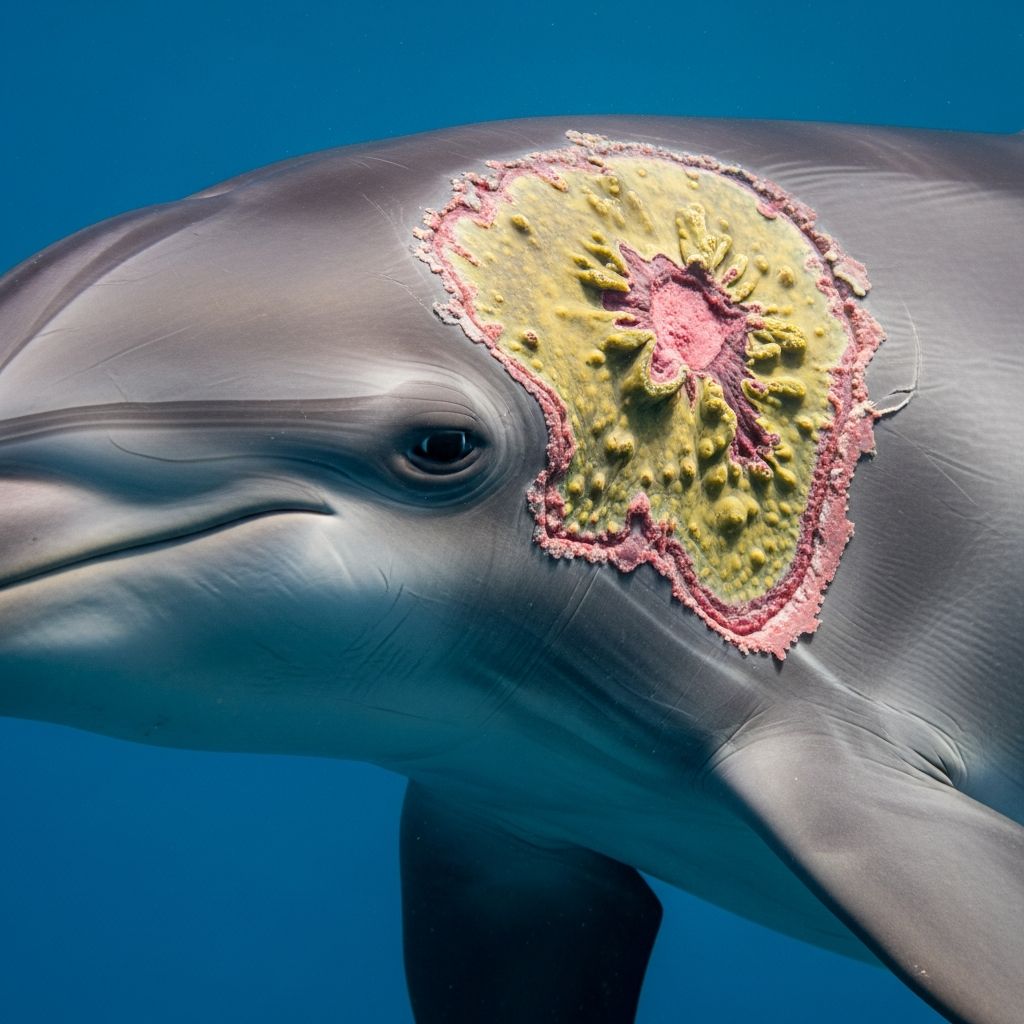
Marine mammals serve as sentinels for ocean health, and the bacterial pathogens that affect these animals provide critical insights into ecosystem dynamics and emerging infectious disease threats. Over the past three decades, research has identified numerous bacterial species capable of establishing infections in cetaceans, pinnipeds, and other aquatic mammals. These infections range from localized conditions to systemic diseases with significant morbidity and mortality consequences. Understanding the nature, distribution, and potential transmission pathways of these pathogens is essential for marine mammal conservation, rehabilitation efforts, and safeguarding human populations engaged in occupational contact with marine wildlife.
Overview of Bacterial Pathogens in Marine Mammal Populations
Bacterial infections represent a significant health challenge for marine mammals worldwide. The microbial flora capable of establishing pathogenic infections in these animals includes both strictly marine-adapted organisms and generalist pathogens that can infect multiple host species across terrestrial and aquatic environments. Research personnel, marine mammal rehabilitation centers, veterinarians, and subsistence hunters face elevated occupational exposure to these organisms and the zoonotic diseases they produce.
The diversity of bacterial agents affecting marine mammals reflects the complex ecology of ocean environments. Some pathogens appear to be endemic to specific marine mammal populations, while others demonstrate broader geographic distribution and host range. The prevalence of individual bacterial species varies considerably based on geographic location, host species, population dynamics, and environmental factors that influence transmission.
Brucellosis: A Primary Concern in Marine Mammals
Pathogen Characteristics and Classification
Brucella species represent small, intracellular Gram-negative coccobacilli measuring less than 1.5 micrometers in length. Marine mammal brucellosis was first documented in 1994, marking an important discovery in marine mammal pathology. Two primary species have been identified circulating in marine mammals:
- Brucella ceti – predominantly infects cetaceans (whales, dolphins, and porpoises)
- Brucella pinnipedialis – primarily affects pinnipeds (seals, sea lions, and walruses)
Molecular analysis suggests these two species may require further taxonomic subdivision. Recent research proposes that dolphin isolates be reclassified as Brucella delphinii, reflecting emerging understanding of genetic diversity within this bacterial genus.
Transmission Mechanisms and Epidemiology
Brucella transmission in marine mammals occurs through multiple pathways. Horizontal transmission appears to be the predominant route, with evidence suggesting that both cetaceans and pinnipeds acquire infection through contact with infected individuals. Vertical transmission from infected mothers to offspring has also been documented. Additionally, unusual transmission via bacterial-laden lungworms represents another recognized pathway for infection establishment.
The prevalence of brucellosis varies significantly across different marine mammal populations. Seroprevalence estimates fluctuate based on the species examined, diagnostic methodology employed, geographic region, and population characteristics (such as whether animals are stranded or live-captured). Brucella ceti appears to be the species most commonly associated with clinical disease manifestations in marine mammals.
Clinical Manifestations and Pathological Findings
Although many marine mammals harbor Brucella infections without displaying clinical signs, infections have been associated with diverse disease syndromes affecting multiple organ systems. The clinical presentations vary considerably depending on the bacterial species, host species, and individual factors affecting disease progression.
In cetaceans infected with B. ceti, documented pathological findings include:
- Reproductive complications including orchitis in males and endometritis with suppurative granulomatous lesions in females
- Central nervous system inflammation (meningoencephalitis)
- Spinal column disease (discospondylitis) and bone inflammation (osteomyelitis)
- Joint disease and chronic arthritis
- Subcutaneous and internal abscesses
- Pulmonary lesions including Brucella-associated lung abscesses and bronchointerstitial pneumonia
- Placental inflammation (placentitis) and lymph node infection (lymphadenitis)
- Skin ulcers containing substantial numbers of bacterial organisms
Brucella pinnipedialis infections in pinnipeds and other marine mammals have produced different pathological patterns. A northern fur seal infected with this species developed suppurative placental inflammation with tissue necrosis, while a sea otter developed chronic granulomatous arthritis. Chronic granulomatous bone inflammation affecting multiple sites has also been attributed to this bacterial species.
Conservation and Zoonotic Implications
Brucellosis poses particular conservation concerns for endangered marine mammal populations. Critically endangered Maui’s dolphins represent a species of special concern regarding brucellosis impacts on population viability. While B. ceti and B. pinnipedialis appear capable of infecting some terrestrial mammals, the frequency and significance of cross-species transmission remains poorly understood.
Experimental infection studies have demonstrated that marine mammal Brucella isolates can establish infections in cattle, sheep, pigs, and laboratory animals including mice and guinea pigs. As of 2018, four clinical human cases had been reported, with three caused by a specific genotype (ST27). One organism responsible for clinical disease in humans originated from exposure to infected seals and other prey species.
Leptospirosis in Marine Mammals
Disease Overview and Epidemiology
Leptospirosis represents a significant bacterial infection affecting marine mammals, particularly California sea lions. This disease exhibits cyclic patterns in affected populations, with The Marine Mammal Center documenting surge events in sea lion admissions approximately every four to five years.
Pathophysiology and Clinical Effects
Infection with Leptospira bacteria produces primary damage to renal (kidney) function. Unlike terrestrial mammals, marine mammals do not depend on drinking seawater because their food sources provide necessary hydration. When infected with Leptospira, kidney dysfunction prevents proper toxin filtration and disrupts fluid regulation mechanisms essential for survival.
The clinical consequences of leptospiral infection are severe. Even with aggressive therapeutic intervention including antibiotic administration, intravenous fluid therapy, and supportive care such as gastroprotectants for gastrointestinal complications, approximately two-thirds of stranded animals presenting with acute leptospirosis do not survive. If left untreated, the bacterial infection causes irreversible kidney damage, leading to terminal organ failure.
Mycobacterial Infections in Marine Mammals
Mycobacterium Species and Characteristics
Mycobacterial pathogens represent acid-fast, non-motile bacilli within the family Mycobacteriaceae. Two zoonotic species have been documented in marine mammal populations: Mycobacterium pinnipedii and Mycobacterium marinum.
Mycobacterium pinnipedii belongs to the M. tuberculosis complex and produces significant disease in pinnipeds, with occasional human infections documented. Historical reports attributed pinniped mycobacterial infections to M. bovis, but these older observations likely represented unrecognized M. pinnipedii cases.
Mycobacterium marinum and related environmental species are slow-growing organisms ubiquitous in both freshwater and marine habitats. While primarily important as pathogens of fish and amphibians, they can occasionally establish infections in marine mammals.
Clinical Manifestations
Mycobacterial infections in marine mammals produce characteristic clinical signs reflecting the chronic nature of mycobacterial diseases. Both species cause:
- Failure to thrive including lethargy, anorexia, and progressive weight loss
- Granulomatous dermatitis (skin inflammation) in M. marinum infections
- Granulomatous lesions in lungs and other organs with M. pinnipedii
- Tuberculosis-like disease manifestations
Clinical Diagnostic Approaches
Accurate diagnosis of bacterial infections in marine mammals presents technical challenges. For brucellosis, serological testing methods have been developed specifically for marine mammals, including indirect ELISA assays optimized for odontocetes (toothed whales). However, cross-reactivity between serological tests and other bacterial species may complicate diagnostic interpretation in marine mammal populations, similar to patterns observed in terrestrial mammals.
Antibiotic treatments developed for terrestrial Brucella infections have been adapted for marine mammal therapy, though detailed treatment protocols and efficacy data remain limited in published literature.
Recommendations for Rehabilitation and Research Personnel
Individuals working in marine mammal rehabilitation facilities and research settings should implement routine screening protocols for Brucella infections in handled animals. This proactive approach protects both animal welfare and occupational health among personnel engaged in hands-on marine mammal care.
Personnel at elevated risk include:
- Veterinary professionals treating marine mammals
- Rehabilitation center staff
- Research field workers
- Marine mammal trainers
- Volunteer rehabilitation participants
- Subsistence hunters harvesting marine mammals
Implications for Marine Conservation and Public Health
Bacterial diseases in marine mammals carry significance extending beyond individual animal health. These infections affect population dynamics, particularly in endangered species with limited demographic resilience. The documented ability of marine mammal bacterial pathogens to establish infections in terrestrial species and humans creates potential spillover risks requiring ongoing epidemiological surveillance.
Most marine mammal zoonotic infections produce localized, self-limiting conditions in human hosts; however, systemic diseases with life-threatening potential have been documented. The relative rarity of human infections despite frequent occupational exposure suggests marine mammal pathogens possess limited human transmissibility, yet individual cases demonstrate that clinically significant infections can occur.
Knowledge Gaps and Future Research Directions
Significant gaps remain in understanding marine mammal bacterial diseases. Transmission mechanisms beyond documented horizontal, vertical, and parasitic-mediated routes require clarification. The ecological factors promoting disease emergence and persistence in marine populations need investigation. Additionally, the true prevalence of bacterial infections across different marine mammal species and geographic regions remains incompletely characterized due to sampling bias toward stranded animals and limited screening in healthy populations.
Therapeutic efficacy data for bacterial infections in marine mammals remain sparse, necessitating development of evidence-based treatment protocols. Understanding host factors determining whether infected animals develop clinical disease versus asymptomatic carriage represents another important research priority.
References
- Brucellosis in marine mammals — Center for Food Security and Public Health, College of Veterinary Medicine, Iowa State University. https://www.cfsph.iastate.edu/Factsheets/pdfs/brucellosis_marine.pdf
- Marine Mammal Zoonoses: A Review of Disease Manifestations — National Center for Biotechnology Information, PubMed Central. https://pmc.ncbi.nlm.nih.gov/articles/PMC7477081/
- Leptospirosis: Kidney Damage in California Sea Lions — The Marine Mammal Center, Science & Conservation Research Library. https://www.marinemammalcenter.org/science-conservation/research-library/leptospirosis
Similar Articles








Read full bio of medha deb


