

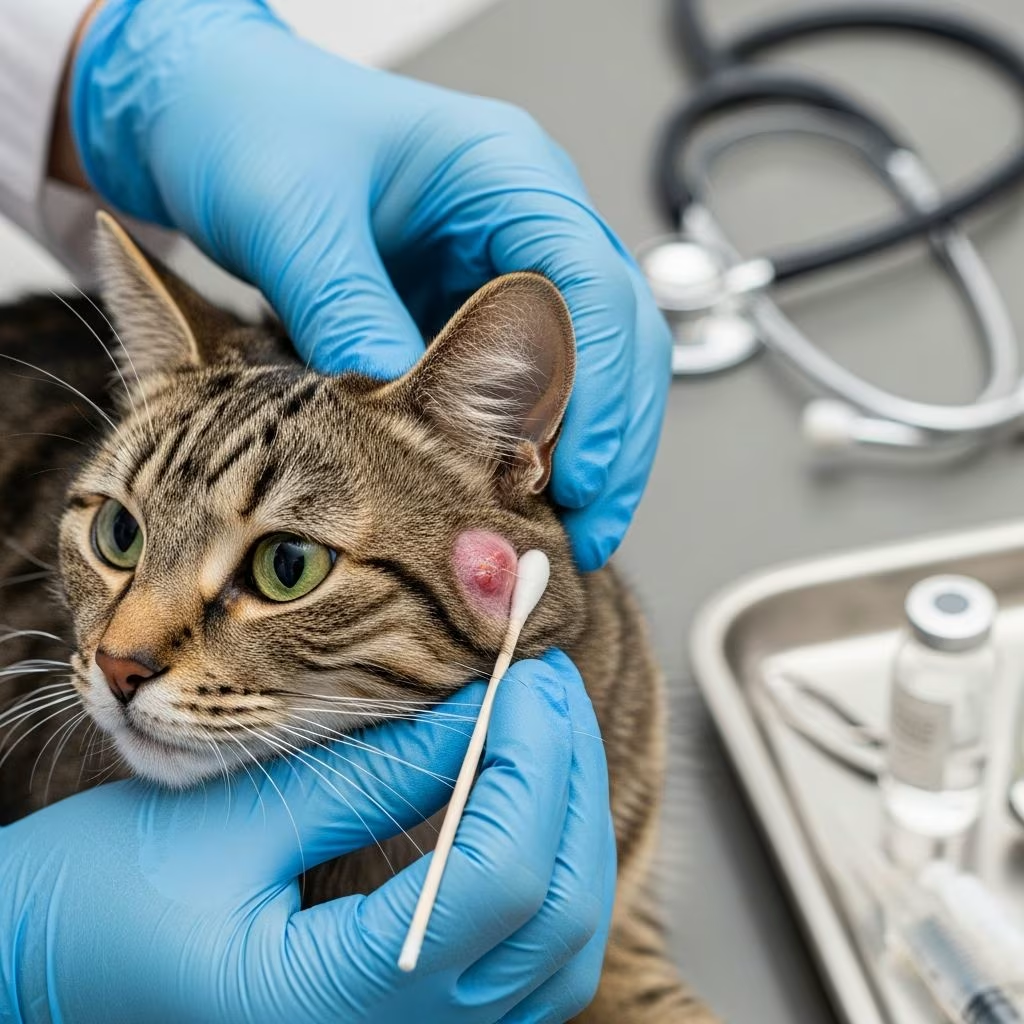
Bacterial infections represent one of the most frequent health challenges for pets, particularly dogs and cats. These infections can range from mild skin conditions to life-threatening systemic diseases, often requiring prompt veterinary intervention. Understanding the pathogens involved, their transmission routes, clinical signs, and management options is crucial for pet owners to safeguard their animals’ well-being.
Common Bacterial Pathogens Affecting Companion Animals
Several bacteria commonly infect pets, targeting skin, respiratory tract, gastrointestinal system, and other organs. Staphylococcus species, including methicillin-resistant strains, dominate skin and soft tissue infections in dogs. Pasteurella species frequently cause infections from bites, leading to soft tissue damage and occasionally more severe conditions like meningitis.
Leptospira interrogans, responsible for leptospirosis, thrives in contaminated water and urine, posing risks to both pets and humans. Campylobacter jejuni and coli reside in the intestines of dogs, causing enteritis with symptoms like diarrhea and fever. Capnocytophaga canimorsus, part of normal dog oral flora, can trigger sepsis in vulnerable individuals.
- Staphylococcus pseudintermedius: Primary cause of pyoderma and folliculitis in dogs, often linked to allergies.
- Bordetella bronchiseptica: Key player in kennel cough, spreading via aerosols.
- MRSA (Methicillin-resistant Staphylococcus aureus): Zoonotic concern, transmissible between pets and owners.
Skin and Soft Tissue Infections: Recognition and Risks
Superficial bacterial infections like folliculitis and furunculosis are prevalent in dogs, especially those with underlying dermatitis. Staphylococcus spp. lead these, forming pustules and crusts that can deepen into pyoderma. Deep infections involve Nocardia, Actinomyces, or Mycobacterium, resulting in granulomatous inflammation.
Mixed infections complicate diagnosis, with S. pseudintermedius and S. schleiferi showing antibiotic resistance. Botryomycosis, a chronic granulomatous dermatitis, mimics fungal disease but stems from bacteria like S. aureus or Pseudomonas. Environmental contaminants, such as Burkholderia cepacia in grooming products, have caused outbreaks.
| Infection Type | Common Bacteria | Symptoms | Treatment Approach |
|---|---|---|---|
| Superficial Pyoderma | Staphylococcus pseudintermedius | Pustules, itching, hair loss | Topical antibiotics, shampoos |
| Deep Pyoderma | Actinomyces, Nocardia | Ulcers, draining tracts | Systemic antibiotics, surgery |
| Botryomycosis | S. aureus, Pseudomonas | Granulomas, nodules | Long-term antibiotics |
Respiratory Tract Invaders
Bacterial respiratory infections often follow viral insults or occur in crowded settings like kennels. Bordetella bronchiseptica causes tracheobronchitis, characterized by harsh coughs. Pseudomonas aeruginosa and other opportunists infect ears and airways, especially in chronic cases.
In cats and dogs, upper respiratory involvement can progress to pneumonia if untreated. Streptococcus equi subsp. zooepidemicus occasionally contributes to kennel cough complexes. Vaccination against Bordetella is a standard preventive measure for at-risk pets.
Gastrointestinal Bacterial Threats
Enteric pathogens like Campylobacter, Salmonella, and Clostridium perfringens disrupt digestion, leading to diarrhea, vomiting, and dehydration. Dogs shed Campylobacter in feces, with up to 47% prevalence in some studies. Salmonella typhimurium affects young animals severely, showing antibiotic resistance.
Transmission occurs via contaminated food, water, or direct contact. Puppies and immunocompromised pets face higher risks. Supportive care, including fluids and probiotics, complements targeted antibiotics.
Zoonotic Bacterial Infections: Shared Risks Between Pets and People
Many pet bacteria pose zoonotic threats, jumping from animals to humans. Pasteurella from bites causes 50% of dog bite infections. Brucella canis, though rare in humans, affects those handling infected dog fluids. Capnocytophaga endangers asplenic or elderly individuals post-bite.
MRSA transmission via direct contact highlights the need for hygiene. Leptospirosis spreads through urine-contaminated environments. Pet owners should wash hands after handling animals, avoid bites, and seek medical care for wounds.
- Bite-related: Pasteurella, Capnocytophaga – Clean wounds immediately.
- Contact-related: MRSA, Campylobacter – Practice good sanitation.
- Environmental: Leptospira – Avoid stagnant water.
Diagnosis: Veterinary Tools and Techniques
Veterinarians diagnose via cytology, cultures, and PCR tests. Skin scrapings reveal cocci in pyoderma. Bloodwork detects systemic spread in leptospirosis. Imaging assesses deep infections or pneumonia.
Antibiotic sensitivity testing combats resistance, vital for staphylococcal cases. Early diagnosis prevents complications like sepsis or chronic carriers.
Treatment Strategies: Antibiotics and Beyond
Antibiotics form the cornerstone, selected by culture results. Cephalosporins, fluoroquinolones, and penicillins treat Pasteurella. Staph infections respond to cephalexin or clindamycin. Topical therapies aid skin conditions.
Supportive measures include medicated shampoos, wound cleaning, and nutrition. Resistance necessitates combination therapy or alternatives like chlorhexidine washes. Complete full courses to avert relapses.
Prevention: Keeping Infections at Bay
Vaccinations target leptospirosis and Bordetella. Flea control reduces pyoderma triggers. Clean environments minimize Salmonella and Campylobacter. Regular grooming prevents Burkholderia contamination.
Quarantine new pets and monitor high-risk groups like puppies. Prophylactic antibiotics are avoided to curb resistance. Owner education on bite first aid is paramount.
Emerging Concerns: Resistance and New Pathogens
Multidrug-resistant bacteria, including MRSA and MRSP, challenge treatment. Veterinary stewardship programs promote judicious antibiotic use. Outbreaks from contaminated products underscore manufacturing hygiene.
Ongoing research monitors zoonotic shifts, urging surveillance in companion animals.
Frequently Asked Questions (FAQs)
What are the first signs of bacterial skin infection in dogs?
Look for red, itchy skin, pustules, hair loss, and odor. Consult a vet for cytology.
Can my dog give me a bacterial infection?
Yes, via bites (Pasteurella) or contact (MRSA). Wash hands and treat wounds promptly.
How long do antibiotics take to work on pet infections?
Improvement often within 3-7 days, but complete the full course as prescribed.
Is leptospirosis preventable in pets?
Vaccination and avoiding contaminated water are key strategies.
What if my pet has a resistant bacterial infection?
Culture-guided therapy and possibly referral to a specialist are recommended.
References
- Review of bacterial and viral zoonotic infections transmitted by dogs — PMC. 2017-02-20. https://pmc.ncbi.nlm.nih.gov/articles/PMC5319273/
- Common superficial and deep cutaneous bacterial infections in animals — SAGE Journals. 2023-06-15. https://journals.sagepub.com/doi/10.1177/03009858231176558
- Bacterial and Fungal Infections in Dogs — Wedgewood Pharmacy. 2023. https://www.wedgewood.com/blog/bacterial-and-fungal-infections-in-dogs/
- A Comprehensive Review of the Common Bacterial Infections in Dairy Calves — PMC. 2024-01-15. https://pmc.ncbi.nlm.nih.gov/articles/PMC10822132/
- 6 Types of Bacteria That Can Affect Your Pet — PetMD. 2023. https://www.petmd.com/dog/slideshows/6-types-bacteria-can-affect-your-pet



