
Bacterial Infections In Mink: Practical Guide For Fur Farmers
Comprehensive guide to identifying, preventing, and managing bacterial threats in mink farming for optimal health and productivity.
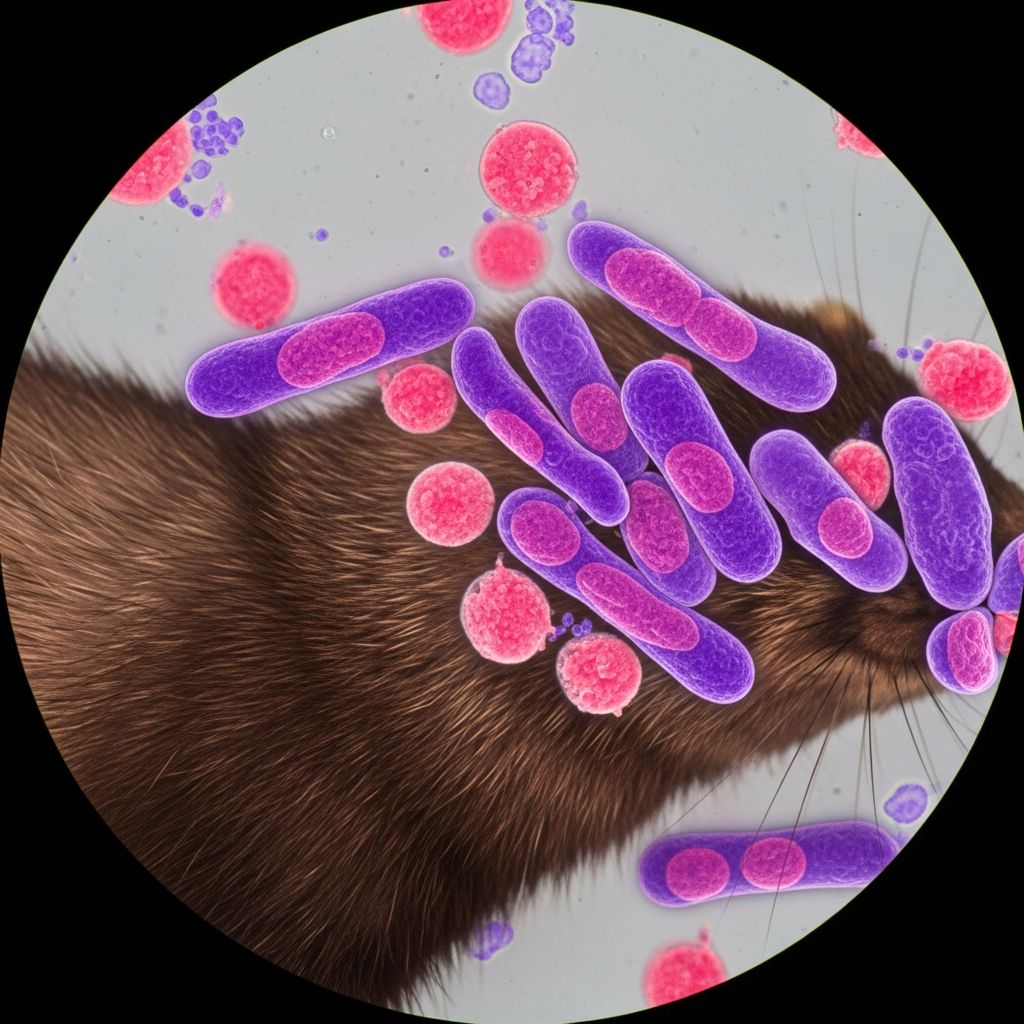
Mink, prized for their luxurious pelts, face significant health challenges from bacterial pathogens in intensive farming environments. These infections can lead to high mortality, reduced reproduction, and poor pelt quality, posing economic threats to the industry. Understanding the spectrum of bacterial diseases is crucial for effective management.
Overview of Bacterial Pathogens in Mink Populations
Bacterial diseases represent a primary concern in mink health, often exacerbated by close confinement, stress, and environmental factors on farms. Common culprits include gram-negative rods like Pseudomonas aeruginosa and Bordetella bronchiseptica, as well as spore-formers such as Clostridium botulinum and Clostridium tetani. These organisms thrive in moist, contaminated conditions, spreading via feed, water, or direct contact.
In contrast to viral illnesses, bacterial infections frequently respond to antibiotics, but prevention through vaccination and hygiene remains paramount. Recent studies highlight the role of antimicrobial resistance in complicating treatment, underscoring the need for judicious drug use.
Pseudomonas aeruginosa: The Leading Cause of Hemorrhagic Pneumonia
Pseudomonas aeruginosa stands out as a highly virulent pathogen in mink, particularly triggering hemorrhagic pneumonia. This gram-negative bacterium targets the respiratory tract, causing acute outbreaks with mortality rates up to 75% in affected kits.
Infection typically begins with inhalation of contaminated aerosols from feces, urine, or bedding. Clinical progression involves fever, coughing, nasal discharge, and rapid dyspnea, culminating in bloody froth from the mouth and nostrils. Necropsy reveals consolidated lungs filled with hemorrhagic exudate, fibrin tags, and abscesses.
- Risk Factors: Overcrowding, poor ventilation, high humidity, and stress from weaning or transport amplify susceptibility.
- Diagnosis: Confirmed via bacterial culture from lung tissue, showing characteristic green pigment and oxidase-positive rods.
Treatment involves early administration of antibiotics like enrofloxacin or gentamicin, combined with supportive care such as oxygen therapy. However, resistance patterns necessitate sensitivity testing. Prevention hinges on rigorous biosecurity, including footbaths, all-in-all-out systems, and vaccination where available.
Clostridial Diseases: Botulism and Tetanus Threats
Clostridia species pose insidious risks through toxin production. Type C botulism, the predominant form in mink, arises from neurotoxins in spoiled feed, especially raw fish or meat. Affected animals exhibit flaccid paralysis, starting with hind limbs, progressing to respiratory failure within hours.
Mortality approaches 100% without intervention, but antitoxin administration can be lifesaving if given promptly. Vaccines, including toxoids, are standard on farms, administered annually to adults. Carcass disposal is critical to break the cycle, as spores persist in soil.
Tetanus, caused by Clostridium tetani, is less common but devastating. It stems from wound contamination, leading to rigid spasms, lockjaw, and opisthotonos. Kits are especially vulnerable post-castration or injury. Vaccination with tetanus toxoid integrates into routine protocols.
| Disease | Cause | Symptoms | Prevention |
|---|---|---|---|
| Botulism (Type C) | Neurotoxin in feed | Flaccid paralysis, drooling | Toxoid vaccination, feed hygiene |
| Tetanus | Wound spores | Muscle rigidity, spasms | Toxoid, wound care |
Respiratory Pathogens: Bordetella and Pasteurella Challenges
Bordetella bronchiseptica initiates chronic respiratory disease, often synergizing with other bacteria or viruses. Sneezing, conjunctivitis, and pneumonia characterize outbreaks, with higher incidence in weaned kits. Transmission occurs via aerosols, persisting in carriers.
Pasteurella multocida and related species cause fibrinous pneumonia, particularly in fall. Sudden deaths with pleural effusion mark severe cases. Bacterins provide cross-protection, recommended biannually.
- Management strategies include depopulation of affected sheds and antibiotic nebulization.
- Ventilation upgrades reduce ammonia buildup, a key predisposing factor.
Neonatal and Enteric Bacterial Infections
Young kits suffer from preweaning diarrhea, compounded by bacteria like Escherichia coli, Staphylococcus delphini, and streptococci. These act as opportunists following viral gastroenteritis, leading to dehydration and stunted growth.
Symptoms include sticky feces, lethargy, and poor weight gain, with outbreaks linked to large litters and first-year dams. Supportive fluids, electrolytes, and probiotics aid recovery, though affected pelts remain subpar.
Salmonella spp. sporadically cause septicemia, sourced from contaminated feed. Strict sourcing of meat and heat treatment mitigate risks.
Other Notable Bacterial Conditions
Staphylococcal infections manifest as abscesses, mastitis, or pododermatitis, often from Staphylococcus aureus or S. intermedius. Surgical drainage and topical antiseptics manage localized cases.
Leptospira interrogans serovar grippotyphosa triggers outbreaks via urine-contaminated water, presenting with fever, jaundice, and abortions. Serology and vaccination control it.
Listeria monocytogenes causes meningoencephalitis in kits, with circling and head tilt. Cold silage is a vector; cooking feed prevents it.
Diagnostic Approaches and Laboratory Confirmation
Rapid diagnosis relies on clinical history, gross pathology, and microbiology. Key post-mortem findings include organ-specific lesions: lung consolidation for Pseudomonas, paralytic postures for botulism.
- Cultures: Selective media for Pseudomonas (cetrimide agar) or Clostridia (anaerobic conditions).
- PCR: Emerging for toxin genes, enhancing speed.
- Serology: For vaccination monitoring and exposure detection.
Farmer-submitted samples to veterinary labs enable tailored antibiograms, combating resistance.
Treatment Protocols and Antimicrobial Stewardship
Antibiotics target specific pathogens: fluoroquinolones for Pseudomonas, penicillins for streptococci. Dosage regimens emphasize water medication for herds.
Stewardship principles—narrow-spectrum drugs, minimum durations—curb resistance. Alternatives like bacteriophages show promise in research.
Prevention and Biosecurity Best Practices
Multilayered strategies form the cornerstone:
- Vaccination: Core program includes botulinum toxoid, Pseudomonas bacterin, distemper combo.
- Hygiene: Daily shed cleaning, UV disinfection of water, rodent control.
- Nutrition: Balanced diets with vitamin E/selenium bolster immunity.
- Quarantine: New stock isolation for 30 days.
Farm design with separate kit and adult areas minimizes cross-spread.
Economic Impact and Farm Management Insights
Bacterial outbreaks can slash pelt values by 20-50% and inflate vet costs. Proactive health programs yield ROI through consistent production. Record-keeping tracks trends, informing culling decisions.
Frequently Asked Questions (FAQs)
What is the most common bacterial disease in mink?
Hemorrhagic pneumonia from Pseudomonas aeruginosa tops the list, especially in kits.
How can I prevent botulism on my mink farm?
Annual toxoid vaccination and avoiding spoiled feed are essential.
Are antibiotics always effective against mink bacterial infections?
No, resistance is rising; always test sensitivities.
What role does farm density play in disease outbreaks?
High density accelerates respiratory spread; optimize spacing.
Can bacterial diseases affect wild mink populations?
Yes, escaped farm mink transmit to wild ones, impacting ecosystems.
References
- Viral Diseases of Mink — Merck Veterinary Manual. 2023. https://www.merckvetmanual.com/exotic-and-laboratory-animals/mink/viral-diseases-of-mink
- Epidemiology, pathogenesis, and diagnosis of Aleutian disease — PubMed (PMC). 2023-09-01. https://pubmed.ncbi.nlm.nih.gov/37633597/
- Mink, SARS-CoV-2, and the Human-Animal Interface — Frontiers in Microbiology. 2021-05-28. https://www.frontiersin.org/journals/microbiology/articles/10.3389/fmicb.2021.663815/full
- Overview of Mink Immunity and Resistance to Pseudomonas aeruginosa — Wiley Online Library. 2023. https://onlinelibrary.wiley.com/doi/10.1155/2023/6158844
- Diseases of Mink — Iowa State University. 2023. https://dr.lib.iastate.edu/bitstreams/70682347-92f2-4a4b-bc2b-849728e6416c/download
Similar Articles








Read full bio of Sneha Tete


