

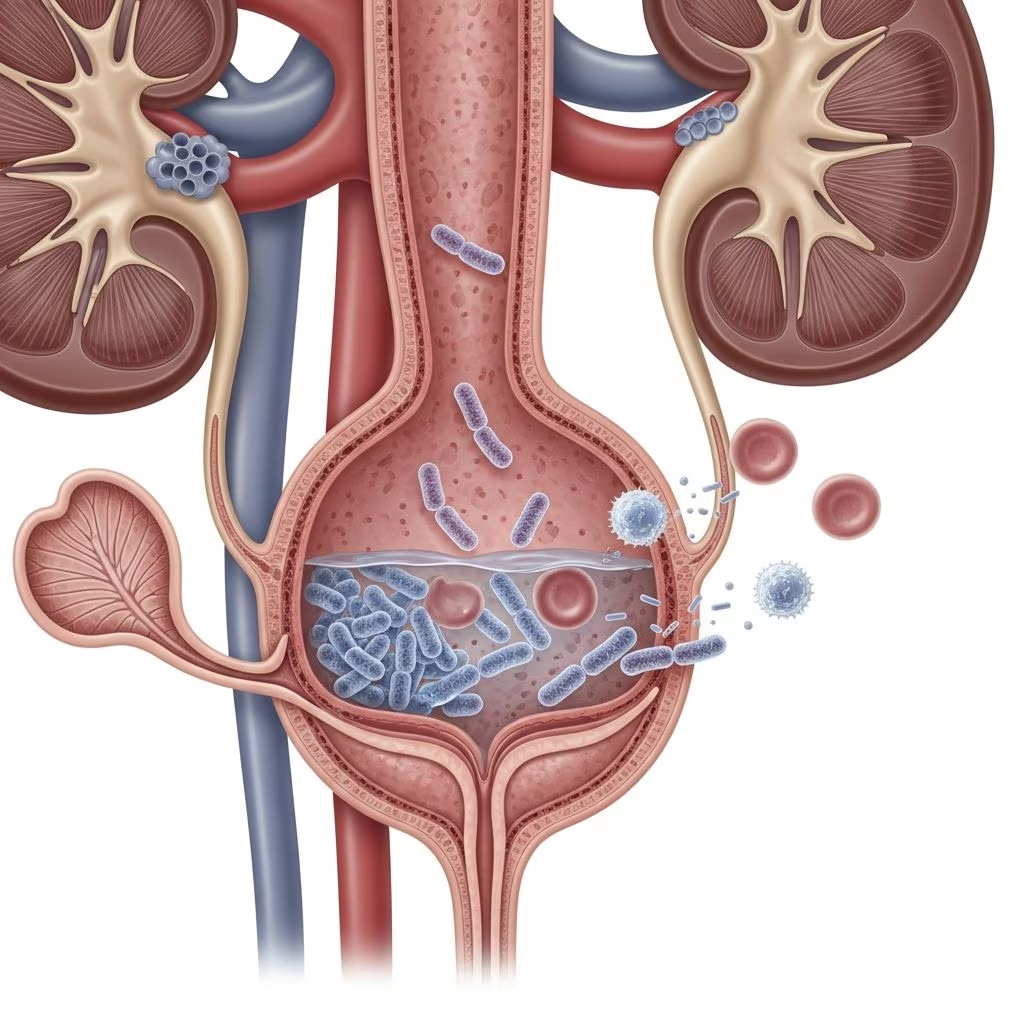
Bacterial infections affecting the urinary tract represent a significant health concern in domestic cats, though they occur less frequently than many pet owners might assume. Understanding the mechanisms of these infections, recognizing clinical indicators, and implementing appropriate therapeutic interventions can substantially improve outcomes for affected animals. This comprehensive guide examines the multifaceted nature of microbial urinary disease in felines, exploring pathophysiology, clinical manifestations, diagnostic approaches, and evidence-based management strategies.
Understanding Bacterial Urinary Tract Disease in Cats
Bacterial urinary tract infections (UTIs) in cats occur when pathogenic microorganisms establish themselves within the bladder and associated urinary structures. These infections develop through bacterial colonization that typically originates when bacteria ascend through the urethra into the bladder environment. While bacterial infections represent one of several conditions affecting feline lower urinary systems, they deserve particular attention due to their potential to cause significant discomfort and systemic complications if left untreated.
The feline urinary tract comprises several anatomical structures, each vulnerable to bacterial invasion. The urethra serves as the primary entry point for pathogenic organisms, while the bladder mucosa provides an environment where bacteria can multiply. Female cats face higher infection risk because their anatomical structure—specifically a shorter urethra—facilitates bacterial ascension to the bladder. Conversely, male cats possess longer urethral passages that offer greater protection against ascending infections, though this anatomical difference introduces other complications including obstruction risk.
Predisposing Factors and Risk Conditions
Multiple underlying conditions increase susceptibility to bacterial urinary tract infections in felines. Recognizing these predisposing factors enables veterinarians and pet owners to identify at-risk animals and implement preventive strategies:
- Metabolic disease states: Diabetes mellitus, chronic kidney disease, and hyperthyroidism compromise immune function and alter urinary composition, creating environments favorable for bacterial growth.
- Urinary obstruction: Bladder stones and uroliths irritate bladder mucosa and impede urine flow, allowing bacterial proliferation.
- Grooming deficiencies: Obesity, arthritis, and other conditions impairing self-grooming capacity permit bacterial accumulation around the genital region.
- Physiological stress: Dehydration and psychological stress reduce immune competency and concentrate urine, promoting bacterial survival.
- Idiopathic cystitis: Feline idiopathic cystitis (FIC), particularly when chronic, increases bladder inflammation and secondary infection susceptibility.
Clinical Manifestations and Behavioral Changes
Bacterial urinary infections produce distinctive clinical signs that alert owners to potential health problems. The symptomatology reflects bladder irritation and inflammation accompanying microbial colonization. Common indicators include:
Urinary Pattern Alterations
Increased urinary frequency with reduced output represents a hallmark presentation in infected cats. Affected animals attempt to urinate more frequently throughout the day and night, yet produce minimal quantities during each micturition event. Additionally, cats may demonstrate inappropriate elimination behavior, urinating outside designated litter boxes as a consequence of urgency and discomfort.
Physical and Sensory Indicators
Hematuria (blood in urine) frequently accompanies bacterial infections, causing urine discoloration from yellow to red or reddish-brown hues. Affected animals often exhibit signs of pain during micturition, including crying, meowing, or whining while attempting to urinate. Excessive licking of the genital area reflects irritation and discomfort localized to urinary structures.
Systemic and Behavioral Signs
While localized bladder infections typically produce minimal systemic illness, some cats demonstrate broader health changes. Behavioral modifications may include hiding, withdrawal from normal activities, lethargy, and reduced appetite. Notably, some infected cats remain asymptomatic, showing no outward clinical indicators despite active bacterial colonization. If infections ascend to affect the kidneys, fever and more pronounced systemic signs may develop.
| Clinical Sign | Frequency of Occurrence | Associated Severity |
|---|---|---|
| Increased urinary frequency | Very Common | Moderate |
| Blood in urine | Common | Moderate to High |
| Painful urination | Common | High |
| Inappropriate elimination | Very Common | Moderate |
| Behavioral withdrawal | Occasional | Moderate |
| Fever/systemic illness | Uncommon (unless kidney involvement) | High |
Diagnostic Evaluation and Laboratory Assessment
Accurate diagnosis of bacterial urinary tract infections requires systematic evaluation incorporating clinical history, physical examination, and laboratory confirmation. Simply observing clinical signs suggestive of urinary disease proves insufficient, as multiple conditions produce overlapping symptomatology.
Urine Analysis and Culture
Urinalysis provides initial diagnostic information by identifying abnormalities in urine composition, including presence of white blood cells, bacteria, and red blood cells. Microscopic examination reveals cellular and bacterial elements indicative of infection. However, bacterial culture remains the gold standard for confirming bacterial infection and identifying the specific pathogenic organism. Culture results enable targeted antibiotic selection based on bacterial susceptibility profiles rather than empirical treatment approaches.
Imaging and Additional Diagnostics
Radiographic evaluation through X-rays and ultrasound imaging helps identify secondary complications such as bladder stones, uroliths, and anatomical abnormalities. These imaging modalities prove particularly valuable in cats presenting with recurrent infections or those failing to respond to initial antibiotic therapy. Complete blood work and chemistry panels assess kidney function and identify metabolic disease states contributing to infection development.
Treatment Protocols and Therapeutic Approaches
Management of bacterial urinary tract infections integrates antimicrobial therapy with supportive care measures addressing underlying predisposing conditions. Treatment decisions require individualization based on infection severity, bacterial culture results, and patient-specific factors.
Antimicrobial Therapy
Antibacterial medications form the cornerstone of bacterial infection treatment. Veterinarians typically initiate therapy with broad-spectrum antibiotics pending culture and sensitivity results, then adjust selections based on specific bacterial identification and susceptibility data. Treatment duration generally extends for 7 to 14 days, though some infections warrant extended therapy. Importantly, completing the full prescribed course prevents development of antibiotic-resistant bacterial strains and reduces recurrence risk.
Supportive Care Measures
Beyond antibacterial medications, comprehensive management addresses factors facilitating infection development. Ensuring adequate hydration through increased water availability promotes urine dilution and frequent bladder emptying, mechanically clearing bacteria before colonization occurs. Dietary modifications may include prescription formulations designed to alter urine pH and mineral composition, discouraging bacterial proliferation and stone formation. For cats with obesity or mobility limitations impairing grooming capacity, environmental modifications and weight management reduce genital bacterial contamination.
Management of Underlying Conditions
Long-term infection prevention requires addressing predisposing disease states. Cats with diabetes benefit from improved glycemic control through insulin therapy or dietary management, as elevated blood glucose compromises immune function. Management of hyperthyroidism through medication, radioactive iodine therapy, or surgical thyroidectomy helps restore normal immune competency. Similarly, chronic kidney disease management through specialized nutrition and supportive care optimizes remaining renal function and immune capacity.
Distinguishing Bacterial Infection from Related Urinary Conditions
Multiple disease processes affect feline lower urinary tracts, producing clinical signs that overlap significantly with bacterial infections. Accurate differentiation requires comprehensive diagnostic evaluation.
Feline Idiopathic Cystitis (FIC)
Feline idiopathic cystitis represents the most common lower urinary tract diagnosis in cats under ten years of age, yet its etiology remains incompletely understood. FIC causes bladder inflammation and produces clinical signs indistinguishable from bacterial infection, including increased urinary frequency, pain during micturition, and hematuria. However, routine urine cultures reveal no bacterial growth, distinguishing FIC from true infection. Stress, behavioral factors, and nervous system involvement play significant roles in FIC pathogenesis. Notably, cats with chronic FIC develop increased susceptibility to secondary bacterial infections due to persistent bladder inflammation.
Urolithiasis and Crystal Formation
Urinary stones and crystals irritate bladder and urethral mucosa, producing clinical signs mimicking bacterial infection. However, uroliths visible on radiographic or ultrasound imaging distinguish this condition from uncomplicated bacterial cystitis. Uroliths may consist of struvite (magnesium ammonium phosphate) or calcium oxalate minerals, each requiring different preventive dietary approaches.
Urethral Obstruction
Urethral obstruction represents a medical emergency, with male cats at substantially higher risk due to anatomical narrowness. Affected cats strain persistently in litter boxes with little or no urine production, exhibiting escalating distress. Successful diagnosis requires imaging confirmation and immediate veterinary intervention, as complete urinary obstruction causes rapid metabolic derangement and death if untreated.
Prevention Strategies and Long-Term Health Management
While not all urinary tract infections prove preventable, implementing evidence-based strategies reduces infection incidence in susceptible populations.
- Hydration optimization: Encouraging water consumption through multiple water sources, fountains, and wet food increases urine production and bladder flushing frequency.
- Stress reduction: Environmental enrichment, multi-cat household management, and anxiety mitigation protect immune function and reduce infection susceptibility.
- Litter box management: Multiple boxes cleaned daily promote frequent urination and reduce behavioral stress-related immune suppression.
- Dietary optimization: Prescription urinary diets formulated to support bladder health and prevent crystal/stone formation provide protective benefits for at-risk animals.
- Weight management: Obesity prevention and maintenance of healthy body weight preserves grooming capacity and reduces bacterial contamination risk.
- Regular veterinary monitoring: Cats with history of urinary infections benefit from periodic urinalysis and culture screening, enabling early intervention before clinical signs develop.
Recurrent Infections and Chronic Management
Some cats develop recurrent bacterial urinary tract infections despite appropriate initial treatment. These cases warrant investigation for underlying predisposing factors inadequately addressed during initial management. Comprehensive diagnostic re-evaluation should identify unrecognized metabolic disease, anatomical abnormalities, or behavioral stress factors perpetuating infection susceptibility. Cats experiencing chronic recurrent infections may benefit from prolonged low-dose prophylactic antibiotic therapy, though this approach requires careful monitoring to avoid development of antibiotic resistance.
When to Seek Veterinary Care
Pet owners should contact veterinary professionals when observing signs suggesting possible urinary tract disease. Immediate emergency evaluation becomes necessary if cats demonstrate complete inability to urinate, persistent straining without urine production, or signs of severe pain and distress. These presentations suggest urethral obstruction or other life-threatening conditions requiring emergency intervention. Additionally, any combination of urinary symptoms warrants prompt veterinary assessment for accurate diagnosis and appropriate treatment initiation.
Frequently Asked Questions
Are bacterial urinary infections common in cats?
Bacterial urinary tract infections remain relatively uncommon in cats compared to other species, though they can occur, particularly in cats with underlying health conditions or predisposing factors. Many cats displaying urinary symptoms have alternative conditions such as idiopathic cystitis rather than bacterial infection.
Can untreated urinary infections become serious?
If bacterial infections progress untreated and ascend to involve the kidneys, systemic illness including fever and more severe complications can develop. Additionally, chronic bladder inflammation increases secondary infection susceptibility and may lead to structural bladder changes.
Is antibiotic resistance a concern in feline UTI treatment?
Yes, incomplete antibiotic courses and inappropriate antimicrobial selection contribute to resistance development. Completing full prescribed treatment courses and using culture-directed antibiotics help prevent resistance emergence.
What dietary changes help prevent future infections?
Prescription urinary care diets formulated to support bladder health and prevent crystal/stone formation can help reduce infection recurrence in predisposed cats. Increasing water intake through multiple sources and wet food also provides protective benefits.
References
- Urinary Tract Infections in Cats — Catawba Animal Clinic. August 7, 2023. https://www.catawbaanimal.com/site/blog/2023/08/07/urinary-tract-infections-cats
- Feline Lower Urinary Tract Disease — American Veterinary Medical Association (AVMA). https://www.avma.org/resources-tools/pet-owners/petcare/feline-lower-urinary-tract-disease
- UTI in Cats: Exploring the Signs, Causes, and Treatment Options — Bond Vet. https://bondvet.com/blog/uti-in-cats-symptoms-diagnosis-treatment-and-prevention
- Feline Lower Urinary Tract Disease — Cornell Feline Health Center, Cornell University. https://www.vet.cornell.edu/departments-centers-and-institutes/cornell-feline-health-center/health-information/feline-health-topics/feline-lower-urinary-tract-disease
- Cat UTIs: Common Symptoms and Treatment Options — CareCredit. https://www.carecredit.com/well-u/pet-care/cat-uti/
- Feline Urinary Tract Infections — MSPCA Angell. https://www.mspca.org/pet_corner/when-fluff-meets-flare-up-feline-urinary-tract-infections/
- Cat Urinary Tract Problems and Infections — WebMD. https://www.webmd.com/pets/cats/cat-urinary-tract-problems



