

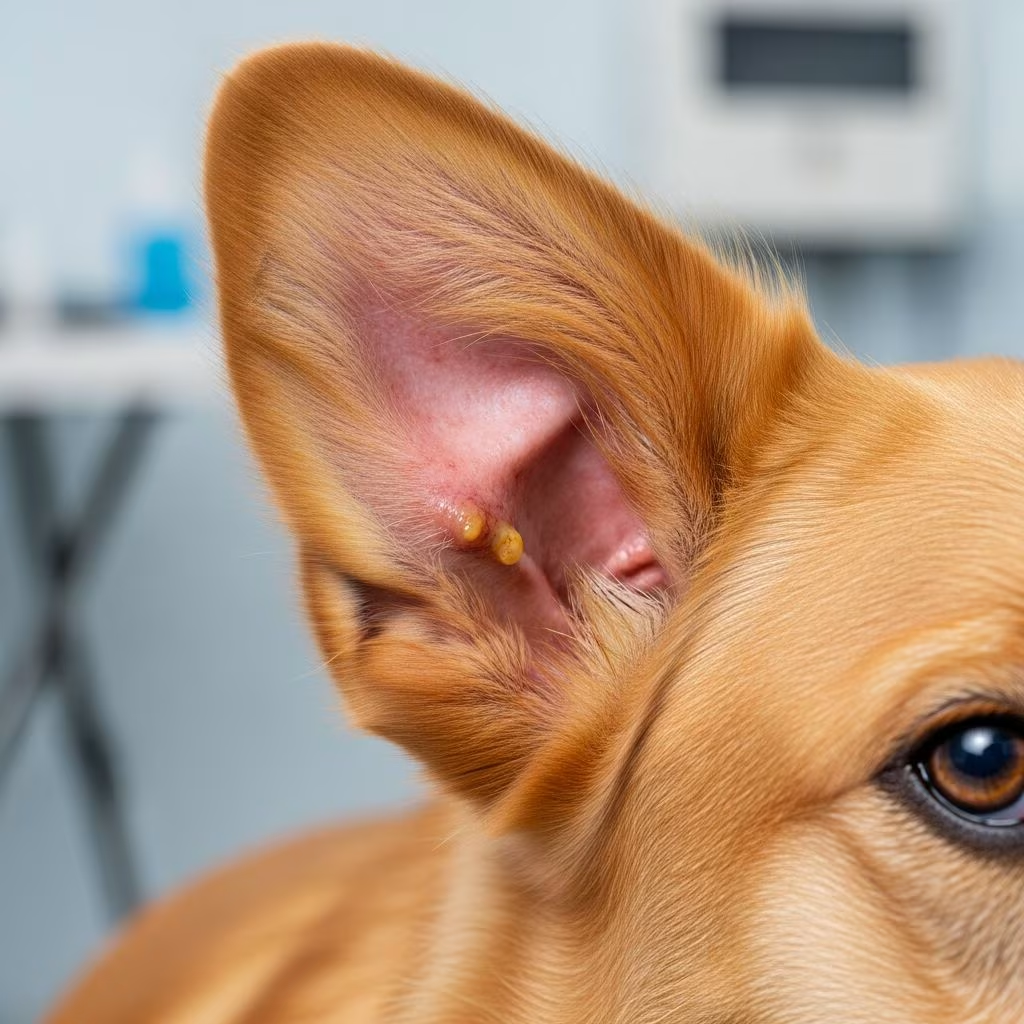
Bacterial infections represent one of the most common health challenges affecting dogs across all breeds and ages. When harmful bacteria colonize areas where they shouldn’t exist and begin multiplying, they can trigger a range of health complications that vary in severity. Unlike viral infections, which typically require the dog’s immune system to mount its own defense, bacterial infections often respond well to targeted medical intervention, particularly when identified and treated early. Understanding how these infections develop, recognizing their clinical manifestations, and knowing when to seek veterinary care are essential components of responsible pet ownership.
How Bacterial Infections Develop in Canines
Bacterial infections in dogs occur when pathogenic microorganisms breach the body’s natural defense barriers and establish themselves in tissues, organs, or bodily systems. These infections can emerge through multiple entry points and mechanisms. Puncture wounds, cuts, or abrasions to the skin create pathways for bacteria to infiltrate deeper tissue layers. In some cases, bacteria become trapped within these wounds and form enclosed pockets of infection known as abscesses—localized collections of pus that require targeted treatment. Additionally, existing health conditions such as allergies, hormonal imbalances, or compromised immune function can predispose dogs to secondary bacterial infections by weakening their natural protective mechanisms.
Environmental exposure also plays a significant role in infection development. Dogs that spend considerable time outdoors or in contaminated environments face increased risk of bacterial exposure. Poor hygiene conditions, accumulated moisture in skin folds, or chronic ear canal dampness create ideal environments for bacterial proliferation. Understanding these transmission routes helps pet owners implement preventive measures and maintain their dog’s health proactively.
Common Types of Bacterial Infections Affecting Dogs
Staphylococcal Infection (Staph)
Staphylococcal infections represent the most prevalent bacterial skin condition affecting canines, caused by the bacterium Staphylococcus sp. This pathogen can colonize multiple body systems, including the skin surface, upper respiratory tract, and ears. Importantly, staphylococcal infections present a zoonotic risk, meaning transmission can occur bidirectionally between dogs and humans, making immediate treatment and rigorous hygiene protocols essential. The infection typically manifests through visible skin changes and systemic symptoms that progressively worsen if left untreated.
Leptospirosis
Leptospirosis constitutes a serious bacterial infection caused by spirochete organisms that can affect multiple organ systems. This infection carries significant health implications, as untreated cases may progress to kidney inflammation resulting in permanent renal damage. The disease spreads through environmental contamination and requires aggressive antibiotic intervention to prevent severe complications. Dogs exposed to contaminated water sources face particular risk, making environmental management a critical component of prevention strategies.
Bacterial Ear Infections
Canine ear infections frequently stem from bacterial colonization and represent one of the most common reasons for veterinary dermatology consultations. Dogs with anatomical predispositions—such as floppy ears that trap moisture and reduce air circulation—experience higher infection rates. These infections create localized inflammation within the ear canal and associated structures, causing significant discomfort and potentially progressing to more serious complications if untreated.
Recognizing Bacterial Infection Symptoms
Cutaneous (Skin) Manifestations
Bacterial skin infections produce distinctive visible and tactile changes that alert observant pet owners to potential health problems. Affected areas typically display redness and inflammation as the immune system responds to pathogenic invasion. Dogs may develop pustules—small, pus-filled lesions—or more extensive sores across infected regions. The skin often becomes irritated, leading to excessive scratching, licking, and chewing behaviors that can exacerbate the infection. Hair loss in patches occurs as follicles become compromised by bacterial colonization. Some infections cause the skin to develop a patchy, peeling, or crusty appearance, while others may present as abnormally moist or weeping lesions.
Systemic and Respiratory Indicators
Infections extending beyond superficial skin layers often trigger systemic symptoms reflecting the body’s inflammatory response. Dogs may experience fever, indicating immune system activation. Lethargy and depression are common as the infection diverts energy toward fighting the pathogen. Vomiting and reduced appetite reflect gastrointestinal involvement or systemic illness. Respiratory infections produce coughing, wheezing, and nasal discharge. Mucous membranes may appear abnormally reddened, reflecting inflammatory processes throughout the body.
Ear-Specific Symptoms
Bacterial ear infections present characteristic clinical signs localized to the auricular region. Affected ears become intensely itchy, prompting constant scratching and head shaking. The inner ear structure appears red and inflamed, with visible waxy buildup and foul-smelling discharge emanating from the canal. Dogs may exhibit pain when their ears are touched, and some develop behavioral changes such as head tilting or difficulty hearing if infection progresses to involve deeper structures.
Diagnostic Procedures and Veterinary Assessment
Accurate diagnosis of bacterial infections requires professional veterinary evaluation and laboratory confirmation. Veterinarians typically begin with a thorough physical examination, assessing affected areas and evaluating overall health status. To definitively identify the causative bacterial species and determine appropriate treatment, veterinarians perform diagnostic testing including bacterial culture and sensitivity analysis. These tests reveal which antibiotics the specific bacteria respond to most effectively, guiding treatment selection and optimizing therapeutic outcomes. For ear infections, the veterinarian may examine the ear canal using an otoscope and collect samples for laboratory analysis. This diagnostic precision ensures targeted therapy rather than broad-spectrum approaches, reducing unnecessary antibiotic exposure and development of resistant strains.
Treatment Approaches for Bacterial Infections
Antibiotic Therapy
Antibiotics form the cornerstone of bacterial infection treatment, with specific selections based on the identified pathogen and its sensitivities. Oral antibiotics such as cephalexin, erythromycin, and clindamycin effectively penetrate systemic tissues and address internal infections. Topical antibiotics in the form of ointments, creams, and solutions target localized skin infections while minimizing systemic exposure. In severe cases where infections threaten vital functions, intravenous antibiotic administration provides rapid therapeutic concentrations and may be combined with supportive care such as IV fluid replacement for dehydrated patients.
Topical Treatment Modalities
For superficial bacterial skin infections, veterinarians frequently recommend topical antiseptic solutions, medicated shampoos, and antibacterial ointments. These localized treatments directly address pathogens at the infection site while reducing the need for systemic medication. Medicated shampoos containing antibacterial agents help cleanse affected areas and prevent secondary complications. Symptoms from localized skin infections typically resolve within three to five weeks with consistent topical treatment application. For ear infections, topical solutions and ear drops deliver therapeutic agents directly into the affected canal, often combined with initial canal cleaning to remove debris and discharge.
Multifaceted Treatment Strategies
Veterinarians frequently employ comprehensive treatment approaches, particularly for advanced or systemic infections. These protocols combine oral antibiotics with topical treatments to address the infection through multiple mechanisms simultaneously. Additionally, treating underlying conditions that predisposed the dog to infection—such as allergies, hormonal imbalances, or immune deficiencies—prevents recurrence and promotes long-term recovery. Severe cases may require supportive care including IV fluids for dehydrated patients and pain management medications.
Antibiotic-Resistant Infections
When infections fail to respond to standard antibiotic treatment, antibiotic resistance may be the underlying cause. In these challenging cases, veterinarians rely on culture and sensitivity testing results to guide alternative antibiotic selections or treatment protocols. Some resistant infections resolve through supportive care and treatment of underlying conditions without requiring additional antibiotics. For life-threatening resistant infections, veterinarians may consider alternative antimicrobial approaches, though these occasionally carry greater risks and require careful monitoring.
Duration and Compliance in Treatment Regimens
Treatment duration varies considerably depending on infection severity, location, and individual patient response factors. Superficial skin infections may resolve within two to four weeks, while systemic infections require extended antibiotic courses lasting several weeks or longer. Critically, pet owners must complete the entire prescribed antibiotic course exactly as directed, even when symptoms appear to improve. Premature treatment discontinuation allows surviving bacteria to rebound and potentially develop antibiotic resistance, leading to more severe and difficult-to-treat infections. Non-compliance with veterinary treatment recommendations significantly increases the risk of infection recurrence and development of additional complications.
Prevention Strategies for Bacterial Infections
Environmental Management
Maintaining clean living environments substantially reduces bacterial infection risk. Regular cleaning of bedding, toys, and frequently-touched surfaces minimizes pathogenic colonization. For dogs with skin fold dermatitis or moisture-prone areas, keeping skin dry and well-ventilated prevents bacterial proliferation. Dogs spending time outdoors benefit from regular grooming and inspection for wounds or skin abnormalities that might provide bacterial entry points.
Hygiene Protocols
Pet owners should practice rigorous hand hygiene, particularly with zoonotic infections like staphylococcal disease that can transmit to humans. Regular bathing with appropriate shampoos maintains skin health and reduces bacterial populations. For dogs predisposed to ear infections, regular ear cleaning and drying help prevent bacterial overgrowth in the ear canal.
Underlying Condition Management
Addressing allergies, hormonal imbalances, and immune disorders reduces secondary bacterial infection risk. Dogs with allergic dermatitis benefit from dedicated allergy management protocols that minimize excessive scratching and skin barrier compromise. Maintaining appropriate nutrition and veterinary-recommended supplements supports optimal immune function.
Recovery Prognosis and Long-Term Outlook
Most bacterial infections in dogs respond favorably to appropriate treatment when initiated promptly. Dogs with superficial skin or ear infections typically recover completely with minimal long-term consequences. Systemic infections may result in temporary complications but generally resolve with comprehensive therapy. However, infections left untreated or diagnosed late can progress to serious complications including sepsis, organ damage, or chronic health conditions. Some dogs experience recurrent infections if underlying predisposing factors aren’t addressed, necessitating ongoing management and preventive strategies.
Frequently Asked Questions
Can bacterial infections in dogs spread to humans?
Yes, certain bacterial infections including staphylococcal disease present zoonotic risks, meaning transmission between dogs and humans is possible. Rigorous hygiene practices including handwashing, wound care, and proper disinfection minimize transmission risk.
How long does antibiotic treatment typically last?
Treatment duration varies from two to several weeks depending on infection severity and location. Pet owners must complete the entire prescribed course as directed to prevent resistance and recurrence.
Can topical treatments alone cure bacterial infections?
Topical treatments effectively manage superficial skin infections but typically require combination with oral antibiotics for deeper or systemic infections. Veterinarians determine appropriate treatment combinations based on individual case evaluation.
What happens if my dog doesn’t complete the antibiotic course?
Incomplete antibiotic courses allow surviving bacteria to rebound and potentially develop antibiotic resistance, leading to recurrent or more severe infections requiring alternative treatment approaches.
Are there natural alternatives to antibiotics for bacterial infections?
While supportive care and environmental management are important, bacterial infections require antibiotic therapy for effective treatment. Homemade solutions may complement veterinary treatment but cannot replace prescribed antibiotics.
When to Contact Your Veterinarian
Pet owners should seek immediate veterinary attention when noticing signs of potential bacterial infection including unexplained skin lesions, excessive scratching or licking, ear discharge or foul odors, fever, lethargy, or respiratory symptoms. Early professional evaluation and appropriate treatment prevent progression to serious complications and reduce overall treatment duration and costs. Never attempt to self-treat suspected bacterial infections, as misdiagnosis or inappropriate treatment delays can worsen outcomes significantly.
References
- Treatment Options for Bacterial and Fungal Infections in Dogs — PetCareRx. 2024. https://www.petcarerx.com/article/treatment-options-for-bacterial-and-fungal-infections-in-dogs/6061
- Bacterial & Fungal Skin Infections in Dogs — Guilford Jamestown Veterinary Hospital. 2020. https://www.guilfordjamestownvet.com/site/blog-greensboro-vet/2020/11/30/bacterial-fungal-skin-infections-dogs
- Bacterial and Fungal Infections in Dogs — Wedgewood Pharmacy. 2024. https://www.wedgewood.com/blog/bacterial-and-fungal-infections-in-dogs/
- Antibiotic Resistant Bacterial Infections in Dogs — VCA Animal Hospitals. 2024. https://vcahospitals.com/know-your-pet/antibiotic-resistant-bacterial-infections-in-dogs
- Infections Caused by Bacteria — Merck Veterinary Manual. 2024. https://www.merckvetmanual.com/special-pet-topics/infections/infections-caused-by-bacteria



