

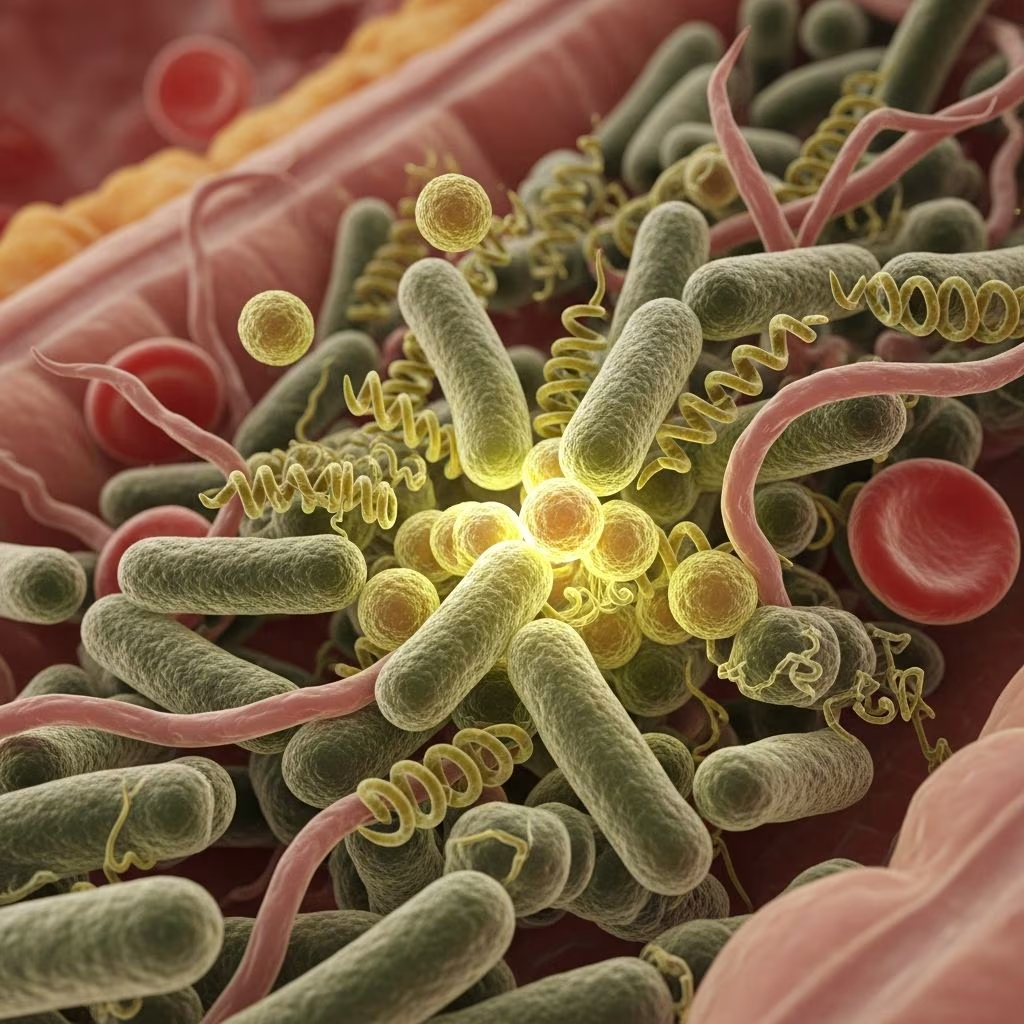
Bacterial infections represent a significant threat to canine digestive health, often leading to symptoms like diarrhea, vomiting, and lethargy. These conditions arise from pathogens entering through contaminated food, water, or environments, disrupting the gut’s microbial balance and causing inflammation or malabsorption.
Key Bacterial Pathogens Impacting Canine Digestion
Several bacteria commonly target the gastrointestinal tract in dogs. Understanding these helps owners recognize early signs and seek timely care.
- Campylobacter species: Including Arcobacter, these thrive in feces-contaminated sources and undercooked meats, leading to watery or bloody diarrhea.
- Salmonella varieties: Rare but severe, causing septicemia or intestinal inflammation, especially in stressed or young dogs.
- Helicobacter types: Non-pylori strains detected in many dogs, potentially linked to vomiting though rarely ulcers.
- Clostridium piliforme: Responsible for Tyzzer disease, affecting intestines, liver, and heart in stressed young animals.
- Overgrowth conditions: Small intestinal bacterial overgrowth (SIBO) results from excessive bacteria damaging nutrient absorption.
Symptoms of Bacterial Digestive Disorders
Dogs with bacterial gut issues often exhibit acute or chronic signs. Acute cases involve sudden onset, while chronic ones persist over weeks.
| Symptom | Common Causes | Severity Level |
|---|---|---|
| Watery or bloody diarrhea | Campylobacter, Salmonella, SIBO | High |
| Vomiting | Helicobacter, Clostridium | Moderate |
| Fever and lethargy | Systemic infections like Salmonella | High |
| Weight loss/malnutrition | SIBO, chronic overgrowth | Chronic |
| Miscarriage in pregnant dogs | Campylobacter, Salmonella | Critical |
Puppies, immunocompromised dogs, and those on raw diets face heightened risks due to immature or weakened defenses.
Risk Factors and Transmission Routes
Bacterial entry occurs via multiple paths, emphasizing prevention’s role.
- Contaminated water or food, including raw poultry and undercooked meats.
- Contact with infected animal feces, common in shelters or multi-pet homes.
- Environmental exposure from wild birds or stressed carriers.
- Underlying conditions like exocrine pancreatic insufficiency (EPI), which feeds bacterial proliferation.
Large breeds, especially German Shepherds, show predisposition to SIBO linked with EPI. Stress in young, healthy dogs exacerbates Tyzzer disease.
Diagnosis Processes for Gut Bacteria
Veterinarians employ targeted tests to identify culprits accurately.
- Fecal analysis: Detects Campylobacter, Salmonella via culture or PCR.
- Blood tests: Checks for septicemia or systemic involvement.
- Biopsies: Stomach lining samples culture Helicobacter.
- Breath tests or response trials: For SIBO, antibiotics gauge improvement.
Differentiating bacterial from viral or parasitic causes requires comprehensive evaluation, as symptoms overlap.
Treatment Strategies for Bacterial Infections
Treatment varies by pathogen, focusing on antibiotics, supportive care, and addressing root issues.
- Antibiotics: Species-specific for Campylobacter; broad-spectrum for Salmonella. SIBO responds to 1-month courses.
- Fluid therapy: Essential for dehydration in severe diarrhea cases.
- Probiotics/enzyme supplements: Restore gut flora, especially post-EPI-related SIBO.
- Hospitalization: For puppies or septic dogs with pneumonia risks.
Carriers may persist post-treatment, necessitating environmental decontamination and monitoring. Recurrence in Helicobacter cases questions complete eradication.
Prevention Tips for Dog Owners
Proactive measures reduce infection odds significantly.
- Vaccinate against predisposing viruses like parvovirus.
- Avoid raw diets; cook meats thoroughly.
- Provide clean water; screen shelter adoptions.
- Routine fecal checks detect carriers early.
- Manage stress in young dogs during weaning or transport.
For SIBO-prone breeds, monitor EPI signs like chronic diarrhea.
Complications from Untreated Infections
Neglect leads to grave outcomes. Salmonella induces blood poisoning; Tyzzer targets vital organs. SIBO causes permanent malabsorption, toxin damage, and food sensitivities. Pregnant dogs risk fetal loss. Secondary issues include inflammatory bowel disease exacerbation.
FAQs on Canine Bacterial Gut Problems
Can dogs spread these bacteria to humans?
Yes, Campylobacter and Salmonella transmit zoonotically via feces or contaminated surfaces.
Is SIBO curable in dogs?
Often responsive to antibiotics, though underlying EPI requires lifelong management.
How long does Campylobacter diarrhea last?
Intermittent for weeks to months in young dogs; treatment shortens duration.
Should I feed raw meat to my dog?
No, it heightens bacterial exposure risks like E. coli and Salmonella.
What breeds are prone to bacterial overgrowth?
German Shepherds and large breeds with EPI susceptibility.
Long-Term Management and Monitoring
Post-treatment, regular vet check-ups track recurrence. Diet adjustments—low-fat, highly digestible foods—aid recovery. Probiotic integration supports microbiome health. Owners should watch for relapse signs, ensuring prompt intervention prevents chronicity.
Bacterial gut disorders, while challenging, yield to informed care. Early detection via symptom awareness and hygiene empowers owners to safeguard their dogs’ well-being.
References
- A Real Mess—Canine Diarrhea Causes — Willow Wood Animal Hospital. 2023. https://willowwoodah.com/a-real-mess-canine-diarrhea-causes/
- Disorders Caused by Bacteria in the Digestive System of Dogs — Merck Veterinary Manual. 2024-10-15. https://www.merckvetmanual.com/dog-owners/digestive-disorders-of-dogs/disorders-caused-by-bacteria-in-the-digestive-system-of-dogs
- Malabsorption and Bacterial Overgrowth in Dogs — VCA Animal Hospitals. 2023. https://vcahospitals.com/know-your-pet/malabsorption-bacterial-overgrowth-in-dogs
- Common Gastrointestinal Disorders in Dogs: Causes and Solutions — South Seminole Animal Hospital. 2024. https://www.southseminoleanimalhospital.com/blog/common-gastrointestinal-disorders-in-dogs-causes-and-solutions/
- Acute Gastroenteritis in Dogs — UrgentVet. 2023-05-01. https://urgentvet.com/acute-gastroenteritis-in-dogs/
- Small Intestinal Bacterial Overgrowth (SIBO) and Pancreatic… — PetMD. 2024. https://www.petmd.com/dog/care/evr_multi_sibo_and_epi



