

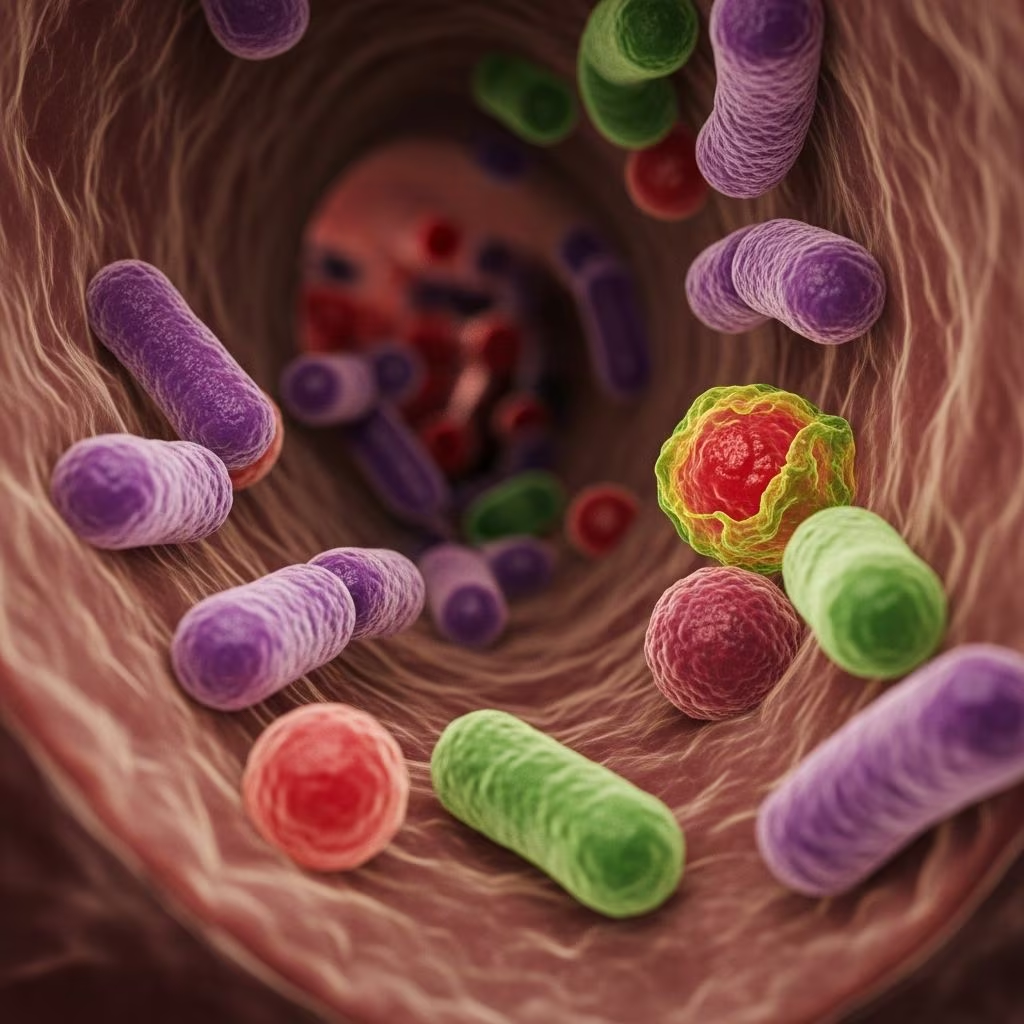
Bacterial infections represent a significant cause of gastrointestinal disturbances in cats, leading to issues ranging from acute diarrhea to chronic inflammation. These pathogens disrupt normal gut function, often resulting in discomfort, dehydration, and weight loss if not addressed promptly. Understanding these conditions helps cat owners recognize early signs and seek timely veterinary intervention.
Common Bacterial Pathogens Affecting Feline Digestion
Several bacteria commonly invade the feline digestive tract, each with unique characteristics and impacts. **Campylobacter** species, for instance, trigger campylobacteriosis, characterized by sudden onset of watery or mucus-filled diarrhea that may contain blood or bile. This infection hits young kittens hardest, lasting 5 to 15 days but sometimes persisting for weeks or months.
**Salmonella** causes salmonellosis, which manifests in intestinal or systemic forms. The intestinal variant leads to foul-smelling diarrhea, fever, and lethargy, while the blood poisoning form is life-threatening, demanding immediate care. Adult cats often carry Salmonella asymptomatically but can shed it intermittently.
**Helicobacter** bacteria target the stomach lining, causing chronic gastritis. Though less symptomatic in cats than dogs, they can lead to vomiting and reduced appetite. Recurrent infections are common even post-treatment. Other contributors include small intestinal bacterial overgrowth (SIBO), where excessive bacteria ferment food, producing gas and loose stools.
Recognizing Symptoms of Bacterial Digestive Problems
Early detection hinges on spotting key indicators. Most cats exhibit **diarrhea** as the primary sign—loose, frequent stools that may be watery, bile-tinged, or bloody. Accompanying symptoms include vomiting (occasional to frequent), abdominal pain (hunched posture or tenderness), reduced appetite, and fever.
- Loose or watery stools persisting beyond 24-48 hours
- Rapid weight loss due to malabsorption
- Gurgling intestinal noises from gas buildup
- Lethargy and dehydration signs like dry gums or sunken eyes
- In severe cases, bloody stools or septic shock
Kittens under 6 months face heightened severity, with diarrhea amplifying dehydration risks. Chronic cases may show intermittent flares, poor coat quality, and muscle wasting.
Root Causes and Risk Factors
Bacterial overgrowth or infection arises from multiple factors. Primary causes include ingestion of contaminated food, water, or environments harboring pathogens like raw meat or feces from infected animals. Underlying conditions exacerbate risks: low stomach acid, pancreatic insufficiency, hypothyroidism, or intestinal motility disorders allow bacterial proliferation.
Immunocompromised cats, stress from boarding or diet changes, and exposure to multi-cat households increase susceptibility. Salmonella often stems from wildlife or rodents, while Campylobacter spreads via fecal-oral routes.
Diagnostic Approaches for Accurate Identification
Veterinarians employ a stepwise process to pinpoint bacterial involvement. Initial exams include fecal analysis for pathogens via culture, PCR testing, or microscopy to detect Campylobacter, Salmonella, or Clostridium.
Blood tests assess dehydration, electrolyte imbalances, and organ function. For SIBO, breath tests or quantitative bacterial cultures from intestinal fluid may be used, sometimes requiring endoscopy for biopsies. Advanced imaging like ultrasound rules out obstructions or masses.
| Test Type | Purpose | Common Findings |
|---|---|---|
| Fecal Culture/PCR | Identify specific bacteria | Campylobacter, Salmonella presence |
| Blood Work | Check hydration, proteins | Low albumin, elevated white cells |
| Endoscopy/Biopsy | Visualize gut lining | Inflammation, bacterial overgrowth |
| Ultrasound | Assess intestines | Thickened walls, fluid |
These methods ensure targeted therapy, avoiding unnecessary broad-spectrum antibiotics.
Treatment Strategies: From Antibiotics to Supportive Care
Treatment prioritizes rehydration, pathogen elimination, and gut restoration. Fluid therapy—subcutaneous, IV, or oral—corrects dehydration and electrolytes, critical in severe diarrhea.
**Antibiotics** are selected based on culture results: metronidazole or ampicillin for Campylobacter/Salmonella, tylosin for SIBO. However, they’re avoided in mild cases to prevent resistance, especially in carriers.
Supportive meds include anti-nausea agents like Cerenia (maropitant), protectants (famotidine), and probiotics (FortiFlora) to rebuild flora. Highly digestible diets (e.g., Hill’s i/d, Purina EN) reduce intestinal load during recovery.
For Helicobacter, combo therapy with antibiotics and acid reducers is standard, though recurrence is frequent. In sepsis, aggressive IV antibiotics and fluids are lifesaving.
Nutritional Management and Home Care
Diet plays a pivotal role. Switch to bland, low-fat formulas with novel proteins to ease digestion and minimize fermentation. Probiotics and prebiotics foster beneficial bacteria, while folate/B12 supplements address deficiencies.
Monitor weight weekly, track stool consistency, and ensure hydration via wet food or fountains. Isolate infected cats to curb spread, and disinfect environments thoroughly. Appetite stimulants like mirataz aid anorexic patients.
Long-Term Outlook and Prognosis
Most acute cases resolve within days to weeks with treatment, boasting good prognoses absent comorbidities like cancer. Chronic or recurrent infections, common in Helicobacter or carriers, demand ongoing monitoring and periodic meds.
Young or debilitated cats fare worse if dehydration escalates to hepatic lipidosis. Regular vet check-ups, fecal tests, and protein level tracking (albumin) guide management.
Preventive Measures for a Healthier Gut
No foolproof prevention exists for SIBO, but hygiene curbs spread. Feed cooked, high-quality diets; avoid raw meats. Provide clean water, vaccinate against related illnesses, and minimize stress.
For multi-cat homes, routine deworming and probiotics maintain balance. Promptly treat underlying diseases like pancreatitis.
Frequently Asked Questions (FAQs)
Can cats transmit bacterial gut infections to humans?
Yes, Salmonella and Campylobacter are zoonotic; young, elderly, or immunocompromised people are at risk. Practice handwashing and isolate sick cats.
How long does recovery take from bacterial diarrhea?
Acute cases improve in 3-7 days with treatment; chronic ones may need weeks to months.
Are probiotics safe for cats with bacterial infections?
Yes, they restore flora post-antibiotics; vet-recommended ones like FortiFlora are ideal.
What home remedies help cat diarrhea?
Withhold food 12-24 hours, then offer bland diet; never use human meds. See a vet if persisting beyond 48 hours.
Is raw diet safe for cats prone to gut issues?
No, it heightens Salmonella/Campylobacter risk; opt for commercial cooked kibble/wet food.
References
- Excessive Bacteria in the Small Intestine in Cats — PetMD. 2023. https://www.petmd.com/cat/conditions/digestive/c_ct_small_intestine_bacterial_growth
- Gastroenteritis in Cats: Types, Symptoms, and More — PetMD. 2023. https://www.petmd.com/cat/conditions/digestive/gastroenteritis-cats-types-symptoms-and-more
- Gastroenteritis in Cats: Causes, Symptoms & Treatments — Purina US. 2024. https://www.purina.com/articles/cat/health/digestion/gastroenteritis-in-cats
- Gastroenteritis in Cats — VCA Animal Hospitals. 2024. https://vcahospitals.com/know-your-pet/gastroenteritis-in-cats
- Disorders of the Stomach and Intestines in Cats — Merck Veterinary Manual. 2023. https://www.merckvetmanual.com/cat-owners/digestive-disorders-of-cats/disorders-of-the-stomach-and-intestines-in-cats
- Cat Digestive Problems: Symptoms, Diagnosis, and Treatment — Bond Vet. 2023. https://bondvet.com/blog/cat-digestive-problems
- Disorders Caused by Bacteria of the Digestive System in Cats — MSD Veterinary Manual. 2023. https://www.msdvetmanual.com/cat-owners/digestive-disorders-of-cats/disorders-caused-by-bacteria-of-the-digestive-system-in-cats



