Bacterial and Fungal Infections in Rabbits
Comprehensive guide to recognizing, treating, and preventing common bacterial and fungal diseases in pet and domestic rabbits for better health outcomes.
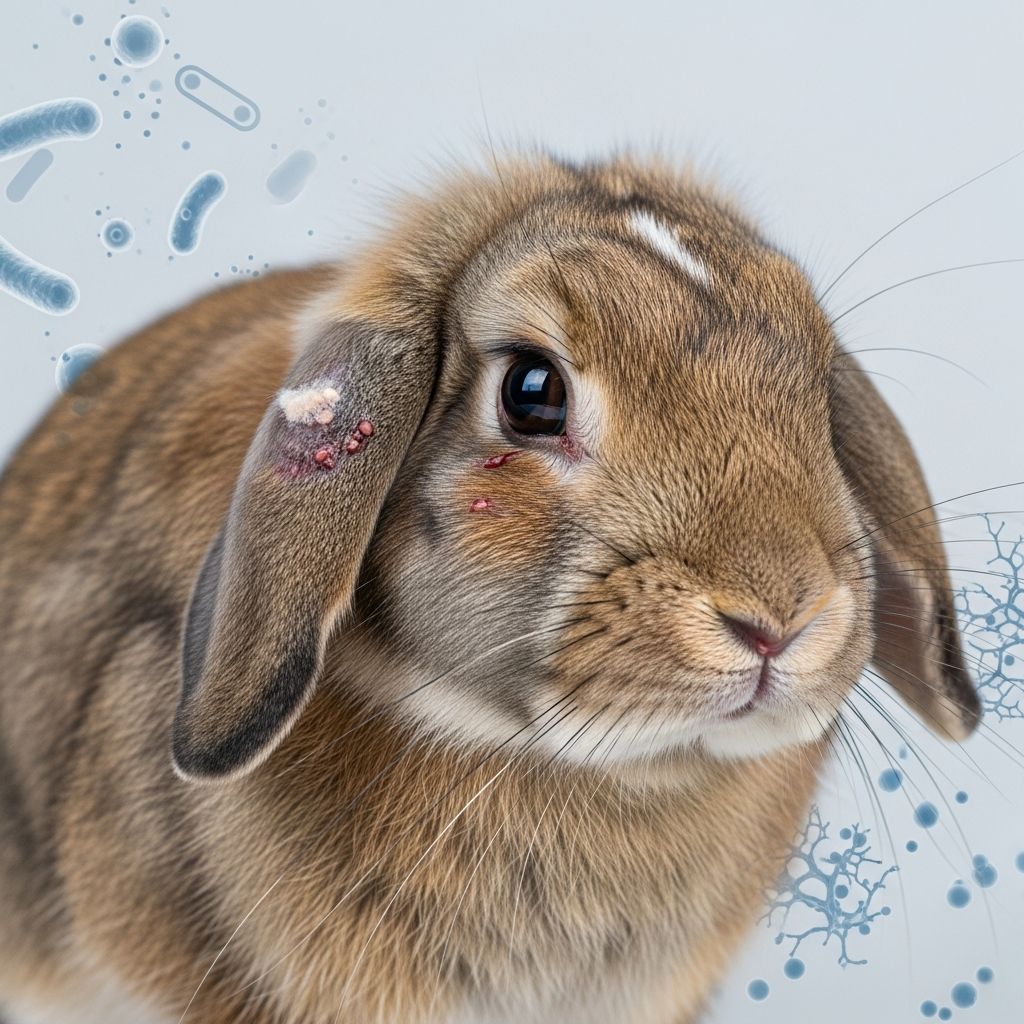
Rabbits face numerous threats from bacterial and fungal pathogens, which can lead to severe health issues ranging from respiratory distress to fatal gastrointestinal disorders. Understanding these infections is crucial for owners and breeders to ensure timely intervention and prevention.
Respiratory Pathogens: The Silent Threat
One of the most prevalent bacterial issues in rabbits is pasteurellosis, caused by Pasteurella multocida, a gram-negative bacterium that colonizes the respiratory tract early in life. Most rabbits carry this organism asymptomatically, but stress or weakened immunity can trigger clinical disease, manifesting as pneumonia, abscesses, or sinusitis. Transmission occurs via direct contact or airborne droplets, making crowded conditions a risk factor.
Symptoms include nasal discharge, sneezing, labored breathing, and head tilting if the inner ear is involved. In advanced cases, rabbits exhibit lethargy, reduced appetite, and fever. Diagnosis relies on clinical observation, bacterial culture from swabs, and sensitivity testing due to rising antibiotic resistance. Treatment involves targeted antibiotics like enrofloxacin, alongside supportive care such as fluids and warmth. However, complete eradication is rare, and carriers can spread the disease.
Gastrointestinal Disruptions: Deadly Diarrheas
Enteric infections pose significant dangers, particularly to young rabbits. Enterotoxemia, linked to Clostridium spp. and Escherichia coli, strikes rabbits aged 4-8 weeks or after oral antibiotic misuse. These drugs disrupt normal gut flora, allowing toxin-producing bacteria to proliferate, resulting in acute diarrhea, dehydration, and death within days.
Clinical signs feature greenish feces, abdominal distension, and rapid decline. Necropsy reveals fluid-filled intestines with hemorrhages. Prevention emphasizes high-fiber diets and avoiding risky antibiotics like beta-lactams or clindamycin. Supportive therapy includes probiotics and electrolytes, but prognosis is poor in severe cases.
Mucoid enteropathy, another enigmatic condition, involves excessive mucus production in the intestines without heavy inflammation. Triggers include dietary shifts, stress, or low-fiber feed (<6% fiber). Affected rabbits produce scant, sticky droppings, lose weight, and suffer pain. Management focuses on hydration, pain relief, and broad-spectrum antibiotics, with dietary correction as the cornerstone of prevention.
Skin and Soft Tissue Infections
Bacterial skin conditions like mastitis, or “blue breasts,” afflict lactating does in intensive setups. Pathogens such as staphylococci cause swollen, discolored mammary glands, leading to systemic sepsis if untreated. Poor hygiene accelerates spread. Treatment demands aggressive antibiotics, milking out infected glands, and isolation.
Vent disease, caused by Treponema paraluiscuniculi, forms ulcerative lesions on genitals after a 3-6 week incubation. Darkfield microscopy confirms the spirochete’s corkscrew motion. Infected rabbits must be culled from breeding programs.
Fungal Challenges: Dermatophytes and Beyond
Dermatophytosis, or ringworm, stems from fungi like Trichophyton mentagrophytes. Circular alopecia appears on ears, muzzle, or paws, fluorescing under Wood’s lamp. Topical antifungals and systemic griseofulvin treat it effectively, but carriers exist. Aspergillosis, rarer, involves inhaled Aspergillus spores causing rhinitis or lung granulomas, treated with itraconazole.
Systemic and Zoonotic Risks
Tularemia, from Francisella tularensis, is zoonotic and fatal, with symptoms like fever and ulcers. Lawsonia intracellularis induces proliferative enteropathy, thickening the ileum; diagnosed via histopathology or PCR, treated with chloramphenicol.
Diagnostic Approaches and Tools
Effective diagnosis combines history, signs, cultures, and advanced methods like PCR for intracellular pathogens. Emerging microbiome testing via next-generation sequencing identifies precise culprits, aiding antibiotic selection amid resistance.
| Disease | Key Pathogen | Main Symptoms | Treatment |
|---|---|---|---|
| Pasteurellosis | P. multocida | Sneezing, dyspnea | Antibiotics, fluids |
| Enterotoxemia | Clostridium/E. coli | Diarrhea, death | Supportive, avoid certain ABX |
| Mucoid Enteropathy | Multifactorial | Mucus droppings | Fluids, fiber diet |
| Dermatophytosis | T. mentagrophytes | Alopecia patches | Antifungals |
Prevention Strategies for Rabbit Health
- Maintain high-fiber diets to stabilize gut flora.
- Ensure optimal hygiene and ventilation to curb respiratory spread.
- Quarantine new rabbits and monitor stress levels.
- Vaccinate where available and avoid contraindicated antibiotics.
- Regular veterinary check-ups for early detection.
Breeding and Colony Management
In commercial settings, biosecurity is paramount. Cull carriers of chronic diseases like pasteurellosis or vent disease. Provide ample space to reduce stress-induced outbreaks.
FAQs on Rabbit Infections
What is the most common bacterial disease in rabbits?
Pasteurellosis, caused by P. multocida, affects nearly all domestic rabbits as carriers.
Can rabbits recover from enterotoxemia?
Survival is rare without prompt intervention; prevention via diet is key.
How do I prevent fungal skin infections?
Keep environments dry, isolate cases, and use antifungal shampoos.
Are these diseases transmissible to humans?
Tularemia is zoonotic; handle sick rabbits with gloves.
What diet prevents most gut issues?
High-fiber hay-based diets exceeding 6% indigestible fiber.
Emerging Research and Future Outlook
Advances in diagnostics, like NGS microbiome analysis, promise better-targeted therapies. Probiotics and vaccines against key pathogens are under study, potentially revolutionizing rabbit care.
References
- Bacterial and Mycotic Diseases of Rabbits — MSD Veterinary Manual. 2023. https://www.msdvetmanual.com/exotic-and-laboratory-animals/rabbits/bacterial-and-mycotic-diseases-of-rabbits
- Infectious Diseases in Rabbits — VCA Animal Hospitals. 2023. https://vcahospitals.com/know-your-pet/rabbits-diseases
- Pasteurellosis in Rabbits: Advancements in Clinical Diagnostics — MiDOG Test. 2023. https://www.midogtest.com/blog/pasteurellosis-rabbits/
- Infectious Diseases of Domestic Rabbits — PMC/NIH. 2020-04-01. https://pmc.ncbi.nlm.nih.gov/articles/PMC7149792/
- Disorders and Diseases of Rabbits — Merck Veterinary Manual. 2023. https://www.merckvetmanual.com/all-other-pets/rabbits/disorders-and-diseases-of-rabbits
Similar Articles








Read full bio of Sneha Tete