
Bacterial Diseases In Aquarium Fish: Prevention And Treatment
Essential guide to identifying, preventing, and treating bacterial infections that threaten aquarium fish health and tank stability.
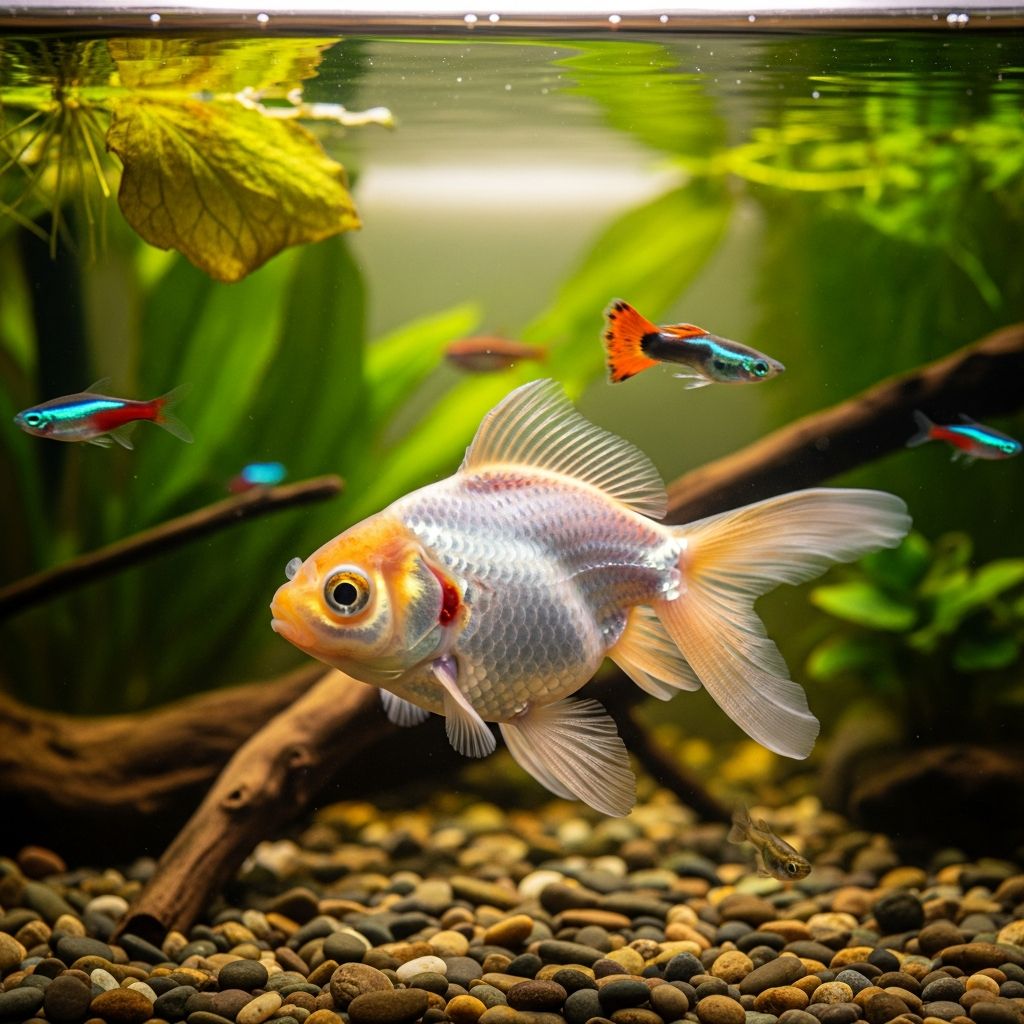
Bacterial infections represent one of the most pressing health threats to aquarium fish, often striking rapidly and causing significant losses if not addressed promptly. These opportunistic pathogens thrive in environments where fish immunity is compromised, leading to external and internal damage that can devastate entire tanks.
Understanding the Rise of Bacterial Pathogens in Aquariums
Aquarium bacteria like Aeromonas, Pseudomonas, and Flavobacterium exist naturally in aquatic systems but only become problematic under suboptimal conditions. Poor water quality, overcrowding, and sudden environmental shifts weaken fish defenses, allowing these microbes to proliferate and invade tissues. Gram-negative bacteria dominate these infections, responsible for the majority of outbreaks in both freshwater and marine setups.
Research highlights Aeromonas species as primary culprits in freshwater and tropical fish hemorrhages, while Vibrio affects marine species. These pathogens enter through wounds, gills, or the digestive tract, escalating from localized issues to systemic diseases.
Key Triggers Behind Bacterial Outbreaks
- Substandard Water Parameters: Elevated ammonia, nitrite, or low oxygen levels erode the fish’s slime coat, exposing them to invasion.
- Overcrowding and Stress: High fish density increases waste buildup and aggression, leading to injuries that bacteria exploit.
- New Introductions: Quarantine failures allow carriers to spread pathogens via contaminated equipment or plants.
- Temperature Fluctuations: Sudden drops slow immune responses, favoring bacterial growth.
- Secondary Factors: Parasites or poor nutrition create entry points for opportunistic infections.
Recognizing External Bacterial Infections
External signs often appear first, offering critical early detection windows. Fin and tail erosion, known as fin rot, starts as fraying edges that progress to ragged, bloody stumps if untreated. This condition stems from Pseudomonas or Aeromonas, thriving on damaged tissues.
Columnaris, caused by Flavobacterium columnare, mimics fungal growth with its cottony patches on mouth, fins, or body. It spreads swiftly across gills and skin, causing rapid respiratory distress. Mouth rot presents as white, fuzzy lesions around the jaw, while saddleback lesions form behind the dorsal fin.
| Symptom | Common Cause | Progression Risk |
|---|---|---|
| Fin Rot | Pseudomonas/Aeromonas | High – leads to sepsis |
| Columnaris | Flavobacterium columnare | Very High – tank-wide |
| Mouth Rot | Flavobacterium | Moderate – affects feeding |
| Saddleback | Mixed Gram-negative | High – spinal damage |
Spotting Internal Bacterial Threats
Internal infections prove stealthier, targeting organs like the liver, spleen, and kidneys. Hemorrhagic septicemia, or red blotch disease, manifests as bloody vents, swollen abdomens, and lethargy. Aeromonas salmonicida drives this, causing fluid leakage and organ failure.
Mycobacterial infections form nodules on skin or organs, particularly in Betta and Tetra species. These chronic cases resist treatment and pose zoonotic risks via skin contact. Streptococcus and Edwardsiella trigger similar systemic failures, with fish exhibiting erratic swimming, appetite loss, and popeye (swollen eyes).
Diagnostic Approaches for Accurate Identification
Visual cues guide initial assessments, but confirmation requires gill swabs or tissue samples under microscopy. Gram staining differentiates pathogens: most aquarium threats are Gram-negative rods. Water testing for ammonia/nitrite spikes correlates outbreaks with environmental lapses.
Quarantine new fish for 2-4 weeks, observing for subtle signs like clamped fins or rapid gill movement. Necropsy on fatalities reveals abscesses or hemorrhages, aiding future prevention.
Effective Treatment Strategies
Act swiftly with broad-spectrum antibiotics like kanamycin, nitrofurazone, or oxytetracycline, dosed per product guidelines in hospital tanks. Improve water quality first: perform 25-50% changes daily, add aquarium salt (1-3 ppt for freshwater), and elevate temperatures gradually to 82-86°F to boost fish metabolism.
For columnaris, combine antibiotics with methylene blue baths. Mycobacteria demand euthanasia of affected fish due to incurability and human health risks. Avoid overmedication to prevent resistance buildup.
- Isolate sick fish immediately.
- Maintain pristine filtration and aeration.
- Monitor pH stability (6.8-7.5 for most species).
- Use UV sterilizers post-treatment for pathogen control.
Prevention: Building Resilient Aquariums
Proactive management trumps reactive cures. Cycle tanks fully before stocking, maintaining zero ammonia/nitrite and nitrate under 20 ppm. Introduce fish gradually after copper-free quarantine treatments against parasites, which predispose to bacteria.
Employ robust filtration: biological media hosts beneficial bacteria that outcompete pathogens. Feed high-quality, varied diets to sustain immunity, avoiding overfeeding. Regular partial water changes (20-30% weekly) dilute potential threats.
Case Studies: Lessons from Common Outbreaks
In one documented scenario, a community tank suffered mass fin rot after introducing stressed guppies without quarantine. Symptoms escalated in 48 hours due to 5 ppm ammonia; treatment with kanamycin and water changes saved 70% of fish.
Another case involved columnaris wiping a discus tank, traced to a 10°F temperature drop. Raising heat to 85°F and antibiotic immersion halted spread, underscoring environmental stability’s role.
Advanced Management for Breeders and Large Setups
Breeders face heightened risks from dense populations. Implement biosecurity: footbaths, dedicated tools per tank, and probiotics to bolster gut flora against internals. Monitor with API test kits weekly.
For marine aquariums, Vibrio demands copper-based treatments cautiously, paired with skimmers for organic removal. Research supports probiotics like Bacillus subtilis reducing Aeromonas loads by 50% in trials.
FAQs on Aquarium Bacterial Diseases
Can bacterial infections spread to humans?
Yes, Mycobacteria can transmit via open wounds; always wash hands and avoid tank contact with cuts.
How long does fin rot take to heal?
With prompt antibiotics and optimal water, 7-14 days; neglect leads to permanent damage.
Is salt safe for all fish?
No, scaleless species like Corydoras tolerate low doses only; research species-specific limits.
What if antibiotics fail?
Switch agents, test for resistance, or cull to protect the population—consult a vet for cultures.
Do live plants harbor bacteria?
They can if unquarantined; rinse thoroughly and treat dips prevent issues.
Long-Term Tank Health Blueprint
Sustain health through routine maintenance: vacuum substrate biweekly, clean filters monthly without full biological disruption, and log parameters. Diverse stocking reduces bullying, while hiding spots minimize stress. Annual deep cleans with bleach dips (1:20, rinsed) reset systems safely.
Invest in auto-top-off for stability and ozone generators for advanced pathogen control. Educate on species needs—coldwater goldfish demand different parameters than tropical tetras.
References
- Bacterial Pathogenesis in Various Fish Diseases — National Center for Biotechnology Information (PMC). 2023-02-20. https://pmc.ncbi.nlm.nih.gov/articles/PMC9968037/
- Bacterial Issues in Aquariums: Causes, Symptoms, and Treatment — Complete Koi. 2023. https://www.completekoi.com/blogs/news/bacterial-issues-in-aquariums-causes-symptoms-and-treatment
- 10.3. Bacterial – Aquarium Science — Aquarium Science. 2024. https://aquariumscience.org/10-3-bacterial/
- Aquarium Fish Diseases with Pictures — Green Aqua. 2022-11-15. https://greenaqua.hu/en/blog/post/aquarium-fish-diseases-with-pictures
- Fish illnesses How to spot them — Tetra Fish. 2024. https://www.tetra-fish.com/learning-center/troubleshooting/fish-illnesses-how-to-spot-them
Similar Articles








Read full bio of Sneha Tete


