

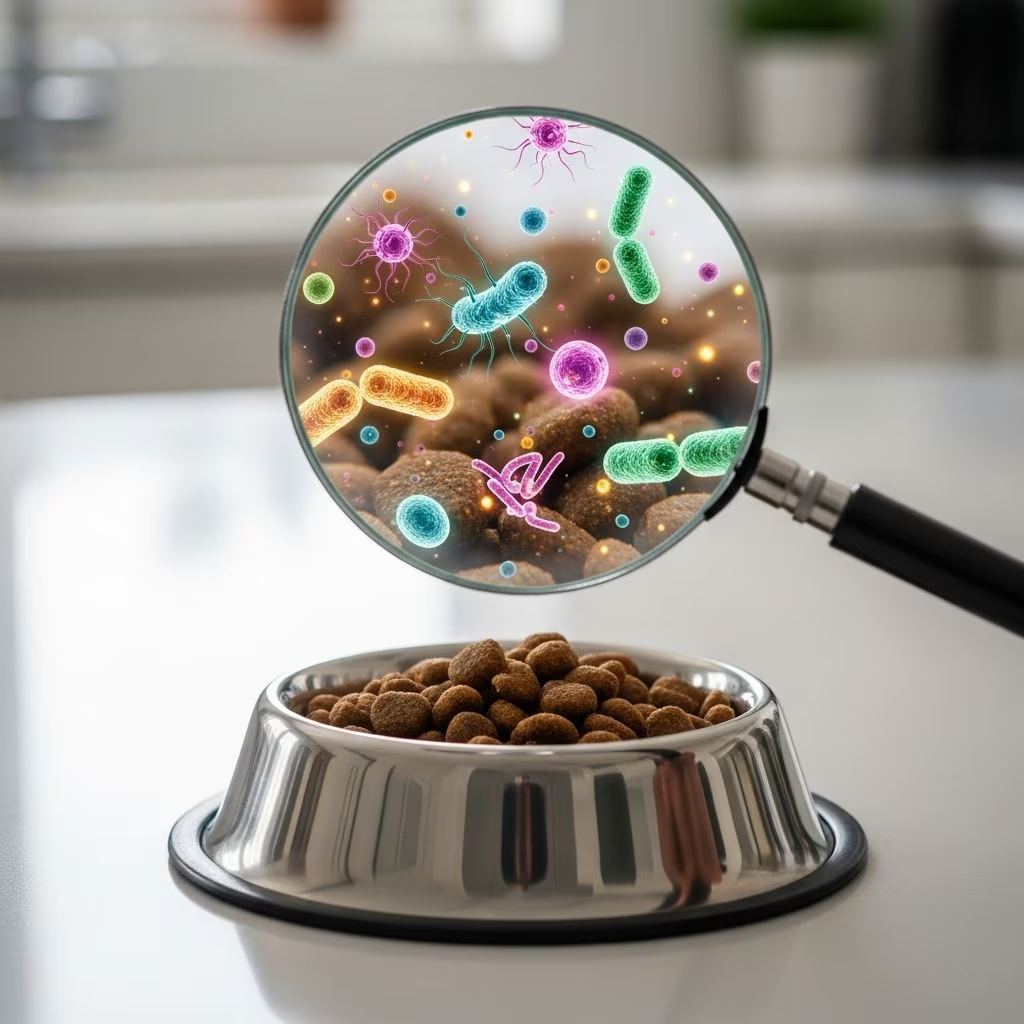
Understanding Bacteria in Dog Food Bowls
Your dog’s food bowl may seem like a harmless place to serve meals, but research reveals it can harbor dangerous bacteria that threaten both your pet’s health and your family’s well-being. Pet food bowls have been identified as among the most contaminated items in households, ranking as the third or fourth germiest surface according to studies examining household hygiene. This contamination occurs through a combination of factors including improper cleaning, bowl material selection, and the natural transfer of bacteria from your dog’s mouth and saliva to the bowl’s surface.
What is Biofilm and Why It Matters
The slimy coating you notice on your dog’s water or food bowl is called biofilm, a complex community of microorganisms that poses serious health risks. Biofilm develops when bacteria accumulate on surfaces and create a protective layer, making them more resistant to cleaning and enabling rapid reproduction. This sticky substance is not merely unpleasant to look at—it represents a concentrated population of pathogens that can compromise your dog’s immune system and potentially spread to family members.
Dangerous Bacteria Found in Dog Bowls
Multiple bacterial species have been identified in contaminated dog food bowls, each carrying specific health risks:
- E. coli — Causes severe gastrointestinal issues in both pets and humans
- Salmonella — Can lead to serious food poisoning and diarrhea
- Listeria — Poses particular danger to immunocompromised individuals
- Methicillin-Resistant Staphylococcus aureus (MRSA) — A dangerous antibiotic-resistant bacterium affecting pets and humans alike
- Clostridium difficile — Found in some dog food bowls and associated with serious infections
Research from Hartpury University demonstrated that bowl material significantly influences bacterial presence and diversity. The study revealed that plastic pet dishes contained the most bacteria overall, while ceramic dishes harbored the highest bacterial diversity and the most pathogenic strains, including E. coli, salmonella, and MRSA.
Health Risks to Your Pet
Dogs consuming food and water from contaminated bowls face several health complications. The bacterial load in unwashed bowls can cause severe gastrointestinal distress, including chronic diarrhea, vomiting, and loss of appetite. Puppies, senior dogs, and dogs with compromised immune systems face heightened vulnerability to these pathogens. Additionally, communal water bowls—common at parks and veterinary clinics—create ideal conditions for disease transmission between dogs. The warm, moist environment accelerates microbial growth, and summer heat exacerbates bacterial proliferation.
Human Health Risks and Cross-Contamination
Pet owners often underestimate the risk of human exposure to bacterial contamination from dog bowls. Since pet owners frequently feed their pets in or near kitchen areas, there is significant potential for pathogenic bacteria to transfer to human food preparation surfaces and to family members through direct contact. Immunocompromised individuals—including those undergoing chemotherapy, people with HIV/AIDS, elderly family members, and young children—face heightened risk of serious infection from exposure to these pathogens. Basic hand hygiene after handling pet bowls, food, and pets themselves remains the most effective preventive measure.
Factors Contributing to Bowl Contamination
Several variables influence the degree of bacterial contamination in pet bowls:
Bowl Material
Research comparing different bowl materials reveals significant differences in bacterial colonization rates. Plastic bowls tend to accumulate the most bacteria, likely due to microscopic scratches that harbor microorganisms. Ceramic bowls show the highest pathogenic diversity, while stainless steel generally demonstrates lower bacterial loads. For optimal hygiene, experts recommend using ceramic or glass bowls instead of plastic, as these materials resist bacterial colonization more effectively and can withstand hot water washing.
Duration of Use Without Washing
Bowls that remain unwashed for extended periods become increasingly contaminated. Bacterial growth accelerates when food particles or water remain in contact with the bowl’s surface, especially when mixed with your dog’s saliva. Leaving food in a bowl for 6 to 12 hours significantly increases microbial proliferation compared to immediate cleaning.
Cleaning Method
The approach you use to clean your dog’s bowls dramatically impacts bacterial reduction. Research comparing cleaning methods found that washing bowls with hot water proved significantly more effective than using cold or lukewarm water. Dishwasher cleaning through a normal hot wash cycle thoroughly cleans and disinfects bowls, making this method ideal for regular maintenance.
Best Practices for Preventing Bacterial Contamination
Protecting your dog and family from bowl-related bacterial contamination requires consistent adherence to proven hygiene practices:
Use a Clean Dish for Every Meal
Veterinary experts recommend using a clean dish for every feeding, every time. This means keeping multiple sets of food and water bowls available for rotation. Having extra bowls on hand ensures you always have a clean option ready while dirty bowls are being washed, making this practice convenient to maintain.
Wash Bowls with Hot Water
When washing bowls, use hot water consistently. Studies demonstrate that hot water washing significantly reduces bacterial contamination compared to cold or lukewarm water. Most pet food bowls are dishwasher-safe and can be run through a normal hot wash cycle for thorough cleaning and disinfection.
Follow FDA Pet Food Handling Guidelines
The FDA provides comprehensive guidelines for pet food handling that significantly reduce bacterial contamination when followed properly. Research comparing pet owners who followed these guidelines to those who did not found substantially lower bacterial levels in the bowls of guideline-followers.
Practice Hand Hygiene
Always wash your hands after handling pet bowls, pet food, and your pets themselves. This simple step prevents bacterial transfer from contaminated bowls to your face, food, and family members.
Avoid Communal Water Bowls
When possible, provide your dog with fresh water from your own clean container rather than allowing consumption from communal bowls at parks or public venues. The bacterial and viral risks associated with shared water sources significantly outweigh the minor inconvenience of carrying water for your dog.
The Role of Pet Food Type
Research indicates that the type of food you feed your dog affects bowl contamination rates. Both high-moisture and dry pet foods can harbor bacteria, though wet food may present greater risk due to its moisture content and rapid spoilage. The practice of re-wetting remaining dry food left in bowls encourages bacterial growth and should be avoided. Always remove uneaten food promptly and replace it with fresh portions at the next feeding.
Special Considerations for Vulnerable Populations
Households containing immunocompromised individuals require heightened attention to bowl hygiene. Pregnant women, very young children, elderly family members, and those with compromised immune systems face disproportionate risk from bacterial exposure through pet bowls. These individuals should practice especially rigorous hand hygiene after any contact with pet bowls and should not prepare their own food immediately after handling pet feeding equipment without thorough hand washing.
Frequently Asked Questions About Dog Bowl Bacteria
Q: How often should I wash my dog’s food bowl?
A: Veterinary experts recommend using a clean dish for every single meal. Rather than washing the same bowl repeatedly throughout the day, keep multiple sets available and wash all bowls together after meals using hot water or a dishwasher cycle.
Q: What’s the best material for dog bowls?
A: Ceramic or glass bowls are preferable to plastic. Research shows plastic bowls accumulate the most bacteria, while ceramic and glass resist bacterial colonization more effectively and can withstand hot water washing required for proper disinfection.
Q: Can my dog get seriously ill from bacteria in food bowls?
A: Yes, dogs can develop serious gastrointestinal infections from contaminated bowls. Puppies, senior dogs, and dogs with compromised immune systems face the highest risk. Symptoms may include diarrhea, vomiting, loss of appetite, and lethargy.
Q: How can I tell if my dog’s bowl is contaminated?
A: The slimy biofilm coating indicates bacterial presence. Even if a bowl appears clean, bacteria can be present. The safest approach is to treat all bowls as potentially contaminated and follow proper washing protocols with every use.
Q: Is hand washing really necessary after touching pet bowls?
A: Yes, hand washing is essential, particularly for households with immunocompromised individuals. Pet bowls can harbor pathogenic bacteria that transfer to your hands, and from there to your face, food, and family members.
Q: Should I avoid communal water bowls when out with my dog?
A: Absolutely. Communal water bowls at parks and public venues are breeding grounds for harmful bacteria, viruses, and parasites. Bringing your own fresh water for your dog eliminates this significant health risk.
Creating a Sustainable Bowl Hygiene Routine
While veterinary guidance on bowl hygiene is clear, research shows that only about 8% of pet owners maintain proper cleaning protocols long-term. Creating a sustainable routine requires simple strategies: establish multiple bowl sets to ensure one is always available, run bowls through the dishwasher with other items for convenience, and make hand washing after pet contact as automatic as brushing your teeth. Making these practices effortless increases the likelihood of maintaining them consistently.
Pet food bowl contamination represents a preventable health risk that deserves attention from every dog owner. By understanding the bacterial threats present in unwashed bowls, selecting appropriate bowl materials, and implementing consistent cleaning practices, you can protect both your dog and your family from serious infections. The modest effort required to maintain proper bowl hygiene delivers significant health benefits that justify the small changes to your daily routine.
References
- The Bowl Truth — Today’s Veterinary Business. https://todaysveterinarybusiness.com/pet-food-bowl-safety/
- The Hidden Health Risks of Communal Water Bowls for Dogs — Pulivarth Group. https://pulivarthigroup.com/the-hidden-health-risks-of-communal-water-bowls-for-dogs/
- Bacteria Alert: Why You Need to Keep Your Dirty Dog Bowls Clean — Animals Matter. https://animalsmatter.com/blogs/news/bacteria-alert-why-you-need-to-keep-your-dirty-dog-bowls-clean
- Dirty Pet Bowls: One Of The Dirtiest Things In The House — Midtown Veterinary Medical Center. https://midtownvmc.com/dirty-pet-bowels-one-of-the-dirtiest-things-in-the-house/
- Pet feeding habits and the microbiological contamination of dog food bowls — National Center for Biotechnology Information (NCBI). 2023. https://pmc.ncbi.nlm.nih.gov/articles/PMC10701922/
- Your Pet’s Food Bowl Is Big Infection Risk, Experts Warn — HealthDay / Infectious Disease News. https://www.healthday.com/health-news/infectious-disease/4-7-your-pet-s-food-bowl-is-big-infection-danger-experts-warn-2657071634.html



