
Backyard Poultry Care Guide: Complete Tips For Healthy Flocks
Comprehensive strategies for successful backyard poultry keeping, from housing to health and biosecurity.
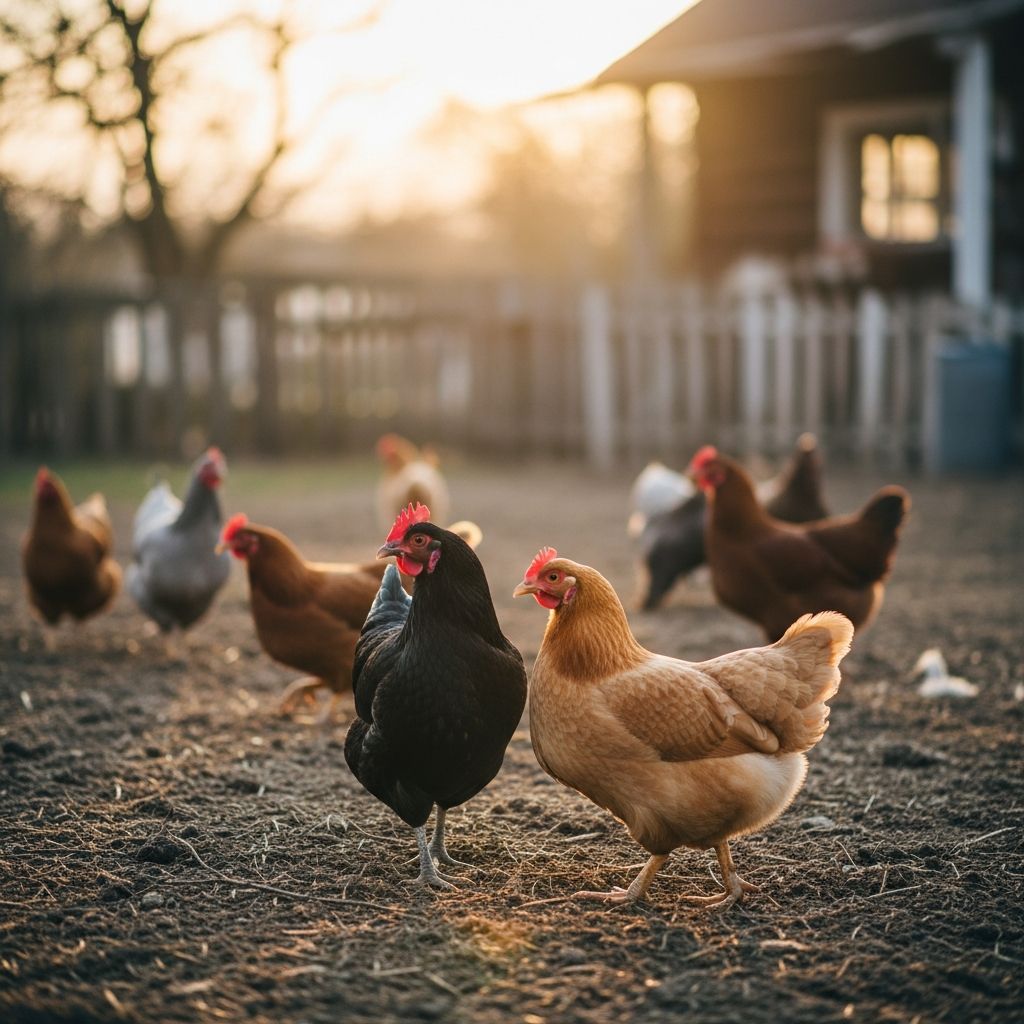
Successful backyard poultry management combines thoughtful planning, daily routines, and proactive health measures to support thriving birds that provide fresh eggs and natural pest control. This guide outlines key practices drawn from reliable extension services and health authorities, ensuring your flock remains productive and safe.
Planning Your Poultry Venture
Before acquiring birds, assess local regulations through municipal offices or agricultural extensions to confirm zoning laws permit backyard flocks. Typical limits range from 6 to 12 birds depending on urban or rural settings. Evaluate your yard’s suitability: it needs ample space for a secure coop and run, away from neighbors to minimize noise complaints from crowing roosters.
Select hardy breeds suited to your climate. Dual-purpose varieties like Plymouth Rock or Rhode Island Red offer resilience for egg production and meat, tolerating varied weather better than specialized layers. Start with 4-6 chicks from reputable hatcheries to allow growth monitoring and bonding.
| Breed Type | Egg Output | Climate Suitability | Space Needs |
|---|---|---|---|
| Dual-Purpose | 200-250/year | Cold/Hot Tolerant | 4 sq ft/bird indoor |
| Layer | 250-300/year | Mild Climates | 3 sq ft/bird indoor |
| Bantam | 150-200/year | Versatile | 2 sq ft/bird indoor |
Budget for initial setup: coops ($200-800), feeders/waterers ($50-150), and feed ($20/month for 6 birds). Ongoing costs include bedding and veterinary supplies.
Designing Secure and Functional Housing
A well-built coop protects against predators like raccoons, foxes, and hawks while providing comfort. Aim for 3-4 square feet per bird indoors and 8-10 square feet in the outdoor run to prevent stress and pecking. Use sturdy materials: pressure-treated wood frames, hardware cloth (1/2-inch mesh) for runs, and sloped metal roofs for durability.
Ventilation is critical—cover 25% of walls with hardware cloth high up to allow airflow without drafts. Floors can be dirt (easy but needs tilling), wood (raised for cleaning), or concrete (predator-proof but harder to maintain). Elevate coops 18-24 inches off ground for airflow and predator deterrence. Include roosts (8-12 inches per bird, 18-24 inches off floor) and nesting boxes (1 per 4-5 hens, lined with straw).
- Secure all doors with latches predators can’t manipulate.
- Install automatic doors opening at dawn and closing at dusk for convenience.
- Avoid water features or dense vegetation near runs to deter rodents and wild birds.
For runs, fully enclose with roofing to block aerial threats and wild fowl that carry diseases. Rotate run areas or use mobile tractors to prevent soil compaction and parasite buildup.
Nutrition and Water Essentials
Provide a complete layer feed (16-18% protein) as the diet base, supplemented by foraging for insects and greens. Chicks need starter feed (20-22% protein) for 6-8 weeks, then grower feed until lay. Offer grit for digestion and oyster shells for calcium post-18 weeks to strengthen eggshells. Limit treats to 10% of diet—vegetable scraps, mealworms—to avoid nutritional imbalances.
Fresh water must be available 24/7 via nipple systems or gallon jugs to minimize contamination. Clean daily, refresh in freezing weather with heated bases. Position feeders at head height, elevated to reduce waste and wild animal access. Expect 1/4-1/2 gallon water per bird daily, more in heat.
- Monitor weight and egg quality to adjust feed.
- Avoid moldy feed; store in sealed bins.
- Free-ranging boosts vitamin intake but supervise to prevent toxicity from plants like nightshade.
Sanitation and Daily Maintenance Routines
Cleanliness curbs odors, flies, and diseases. Scoop droppings daily from coops, replace pine shavings or sand bedding weekly. Deep litter method builds compost naturally: add carbon-rich materials like leaves atop manure, turn monthly. Annual full cleanouts in spring/fall control mites—disinfect with lime or approved solutions.
Dust bath areas with diatomaceous earth combat parasites. Wash feeders/waterers weekly with vinegar solution. Compost manure away from runs for garden use after 3-6 months heat treatment kills pathogens. Chickens produce ~1/4 lb droppings daily per bird—manage to fertilize without runoff.
Biosecurity Measures for Flock Protection
Biosecurity prevents disease introduction. Quarantine new birds 30 days in separate housing. Limit visitors; use boot dips (bleach solution) and dedicated tools. Avoid sharing equipment with neighbors or farms. Clean vehicles post-visits to poultry areas.
Monitor for signs: lethargy, ruffled feathers, diarrhea, respiratory issues. Isolate sick birds immediately and contact vets or state agriculture for reportable diseases like avian influenza. Wash hands post-handling; never bring birds indoors.
- Keep distance from wild flocks and waterfowl.
- Disinfect shoes/tools between coops.
- Report sudden deaths promptly.
Health Monitoring and Common Challenges
Daily checks reveal issues early: bright eyes/combs, active behavior, firm droppings. Vaccinate chicks for Marek’s disease if local prevalence high. Deworm quarterly with vet-approved products; provide probiotics for gut health. Coccidiosis thrives in wet litter—use medicated feed for young birds.
Predator-proofing reduces losses: bury fencing 12 inches deep, add aprons. Molt periods (fall) drop egg output—boost protein. Heat stress in summer needs shade/misters; winter drafts call for wind blocks, not full enclosure.
| Issue | Symptoms | Solution |
|---|---|---|
| Mites/Lice | Itching, feather loss | Dust baths, diatomaceous earth |
| Respiratory | Sneezing, coughing | Improve ventilation, isolate |
| Low Eggs | Fewer shells | Check light (14 hrs/day), calcium |
Enrichment and Behavioral Well-Being
Stimulate natural behaviors with perches, hanging greens, mirrors, or cabbage heads. Space prevents bullying; introduce new birds gradually. Roosters aid flock cohesion but watch aggression. Free-range supervised 2-4 hours daily for mental health, foraging up to 20% diet.
Sustainable Practices and Egg Handling
Collect eggs twice daily, refrigerate promptly. Eggs store 4-5 weeks at 45°F. Manure composting enriches soil—hot piles kill weed seeds. Mobile coops pasture lawns naturally. Scale up gradually; track production logs for optimization.
Frequently Asked Questions
Can backyard chickens be kept year-round?
Yes, with insulated coops, ventilation, and supplemental light for winter laying. Provide unfrozen water and draft-free roosts.
How often should I clean the coop?
Daily droppings removal, weekly bedding refresh, quarterly deep cleans to maintain hygiene.
What if my chickens stop laying eggs?
Check for molt, stress, nutrition, or daylight (need 14 hours). Age reduces output after 2 years.
Are roosters necessary?
No for eggs, but one per 10 hens manages order. Check local bans on crowing.
How to predator-proof my setup?
Use hardware cloth, bury fencing, secure locks, and motion lights. Inspect nightly.
References
- Raising chickens for eggs — University of Minnesota Extension. 2023. https://extension.umn.edu/small-scale-poultry/raising-chickens-eggs
- Backyard Poultry | Healthy Pets, Healthy People — Centers for Disease Control and Prevention (CDC). 2024-01-15. https://www.cdc.gov/healthy-pets/about/backyard-poultry.html
- Management of Backyard Poultry — Merck Veterinary Manual. 2025. https://www.merckvetmanual.com/exotic-and-laboratory-animals/backyard-poultry/management-of-backyard-poultry
- Raising Backyard Chickens 101: Beginner’s Guide — Homestead and Chill. 2024. https://homesteadandchill.com/raising-backyard-chickens-101-beginners-guide/
- General tips for backyard poultry production — Poultry Hub. 2023. https://www.poultryhub.org/all-about-poultry/backyard-poultry/general-tips-for-backyard-poultry-production
Similar Articles








Read full bio of medha deb


