Backyard Lizards: Welcoming Reptiles Home
Transform your garden into a thriving habitat for native lizards, boosting biodiversity and natural pest control effortlessly.
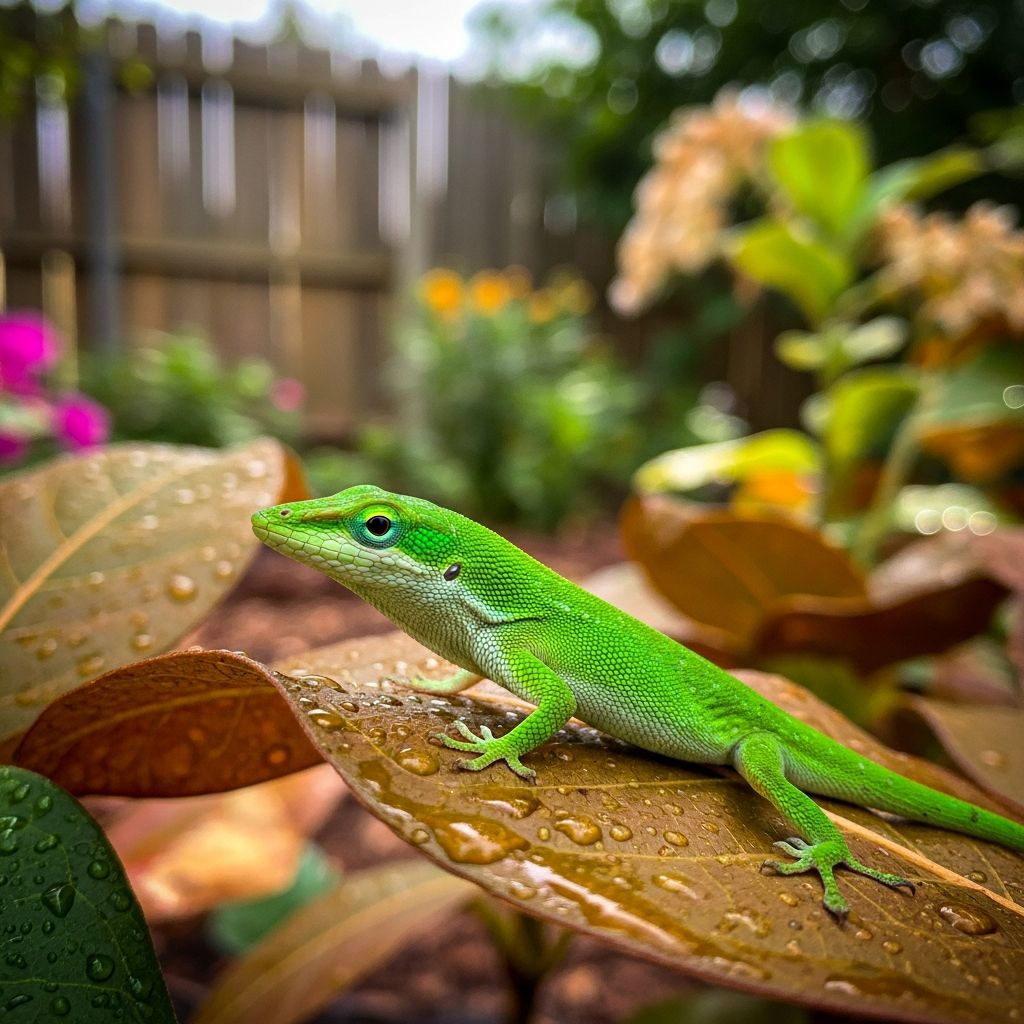
Inviting native lizards into your backyard offers numerous benefits, from natural pest control to enhancing local biodiversity. These small reptiles thrive in thoughtfully designed gardens that mimic their natural habitats, providing shelter, food, and safety.
The Vital Role of Lizards in Your Garden Ecosystem
Lizards serve as essential components of backyard ecosystems by preying on insects like spiders, moths, and snails. This natural predation helps maintain balance without the need for chemical interventions. Species such as skinks and geckos are particularly effective at this, contributing to healthier plants and soil.
In urban and suburban areas, lizards face habitat loss, making gardens crucial refuges. By fostering these environments, homeowners support declining populations while enjoying a vibrant wildlife presence.
Essential Elements for a Lizard-Friendly Yard
Creating an ideal space requires attention to several key features that address lizards’ basic needs: warmth, cover, food, and water.
Providing Ample Shelter and Hiding Spots
Lizards rely on quick access to cover for protection from predators and extreme weather. Incorporate the following:
- Rock piles arranged with crevices, elevated slightly for easy escape underneath.
- Stacks of bricks, terracotta tiles, or corrugated roofing sheets separated by pebbles to form layered retreats.
- Rotten logs, bark slabs, and branches piled in undisturbed corners.
- Stone walls with gaps, oriented southward for winter sun exposure in cooler climates.
These structures not only offer safety but also attract insects, serving as a dual-purpose food source.
Sunny Basking Areas
As cold-blooded creatures, lizards need direct sunlight to regulate body temperature. Position flat rocks or logs in open, sunny spots near shelter. In colder regions, south-facing rock walls allow safe warming during semi-hibernation periods when lizards cluster for heat.
Native Plants for Food and Cover
Selecting appropriate vegetation is critical. Opt for local natives that provide nectar, berries, and insect-attracting flowers year-round. Recommended categories include:
- Ground covers and cushion plants like Gaultheria or Raoulia for dense hiding.
- Tussocks, flax, and Astelia for shadowy camouflage and insect habitats at their bases.
- Divaricating shrubs such as mingimingi and vines like pohuehue, which draw moths and offer climbing routes.
- BERRY producers and nectar-rich species to sustain both lizards and their prey.
A mix of heights ensures varied microhabitats, from ground level to wall coverage.
Mulch and Leaf Litter Layers
Spread mulch thickly over soil to retain moisture, suppress weeds, and foster insect communities. Leave leaf litter undisturbed, as it harbors eggs, small invertebrates, and provides safe foraging ground. This organic layer also improves soil health through microbial activity.
Water Sources Tailored for Lizards
While lizards derive much hydration from food, accessible water prevents dehydration in hot weather. Install shallow bowls or saucers in sheltered spots, refreshed regularly. Always include escape ramps like partially submerged rocks or logs in ponds to avoid drowning risks.
Managing Threats to Backyard Lizards
Even in welcoming gardens, dangers persist. Key mitigation strategies include:
- Pet Control: Keep cats indoors or use enclosed runs, as they pose the greatest threat to small skinks and geckos.
- Chemical Reduction: Minimize pesticides to protect lizards and their insect prey.
- Disturbance Minimization: Avoid mowing near potential hiding spots and check for lizards before yard work.
- Habitat Preservation: Resist clearing debris piles, which are vital refuges.
These steps ensure lizards can thrive without human interference.
Species Spotlight: Common Backyard Lizards
| Species | Habitat Preferences | Diet | Identification Tips |
|---|---|---|---|
| Skinks (e.g., Blue-tongue) | Ground level, rocks, leaf litter | Insects, snails, fruits, flowers | Stout body, smooth scales, variable colors |
| Geckos (e.g., Marbled) | Walls, bark, arboreal spots | Spiders, insects at night | Sticky toes, vocal chirps, grey tones |
| Five-lined Earless Dragon | Debris piles, open drains | Invertebrates in litter | Spiny, earless, striped pattern |
These species adapt well to suburban settings when conditions are right.
Step-by-Step Guide to Building a Lizard Lounge
- Select a Site: Choose a sunny, low-traffic area with partial shade options.
- Prepare the Base: Lay mulch 5-10 cm deep to attract insects.
- Assemble Structures: Pile rocks, logs, and bark, creating nooks and layered stacks.
- Plant Strategically: Surround with native ground covers, shrubs, and creepers.
- Add Water: Place a shallow dish with an escape feature nearby.
- Maintain Gently: Observe without disturbing, allowing natural colonization.
Patience is key; lizards may take weeks to appear as they scout safe territories.
Seasonal Care for Year-Round Lizard Habitats
Adapt your garden to seasonal changes:
- Summer: Ensure water availability and shade to combat heat.
- Winter: Maintain dry, sunny shelters for brumation (semi-hibernation).
- Spring/Fall: Refresh mulch and monitor for new arrivals.
Year-round consistency supports breeding and population stability.
Benefits Beyond Lizards: A Holistic Garden Upgrade
A lizard-friendly yard attracts birds, frogs, and beneficial insects, creating a balanced ecosystem. Reduced pest populations mean fewer chemicals, healthier soil, and lower maintenance. It’s a low-cost way to contribute to conservation efforts amid urbanization.
Frequently Asked Questions (FAQs)
Are backyard lizards dangerous?
No, native lizards are harmless to humans and pets. They pose no risk of bites or disease transmission in typical encounters.
How long until lizards move in?
It varies from days to months, depending on local populations and habitat quality. Insect abundance speeds attraction.
Can I feed lizards directly?
Avoid hand-feeding to prevent dependency and nutritional issues. Focus on habitat to support natural foraging.
What if I have a cat?
Supervise outdoor time strictly or install a cat enclosure. Cats decimate lizard numbers significantly.
Which plants are best for my region?
Consult local native plant guides for species suited to your climate and soil, ensuring pollinator support.
Advanced Tips for Biodiversity Boosters
For enthusiasts, integrate features like:
- Onduline stacks: Corrugated sheets with pebble separators for multi-level hideouts.
- Vertical gardens: Vines on walls for arboreal species.
- Micro-pools: Tiny, escapable water features amid rocks.
Monitor with trail cameras to track usage and refine designs.
References
- How to Create a Lizard Friendly Garden — Forest and Bird. Accessed 2026. https://www.forestandbird.org.nz/resources/how-create-lizard-friendly-garden
- Creating a home for lizards — Department for Environment and Water. Accessed 2026. https://cdn.environment.sa.gov.au/landscape/docs/hf/home-for-lizards.pdf
- Create a Lizard Friendly Garden — Backyard Buddies. Accessed 2026. https://backyardbuddies.org.au/habitats/create-a-lizard-friendly-garden/
- Backyard Amphibians & Reptiles — U.S. Fish & Wildlife Service. 2021-09. https://www.fws.gov/story/2021-09/backyard-amphibians-reptiles
Similar Articles








Read full bio of medha deb