
Backyard Chicken Health Assessment Guide
Master the step-by-step process of evaluating your backyard chickens' health to catch issues early and ensure flock wellness.
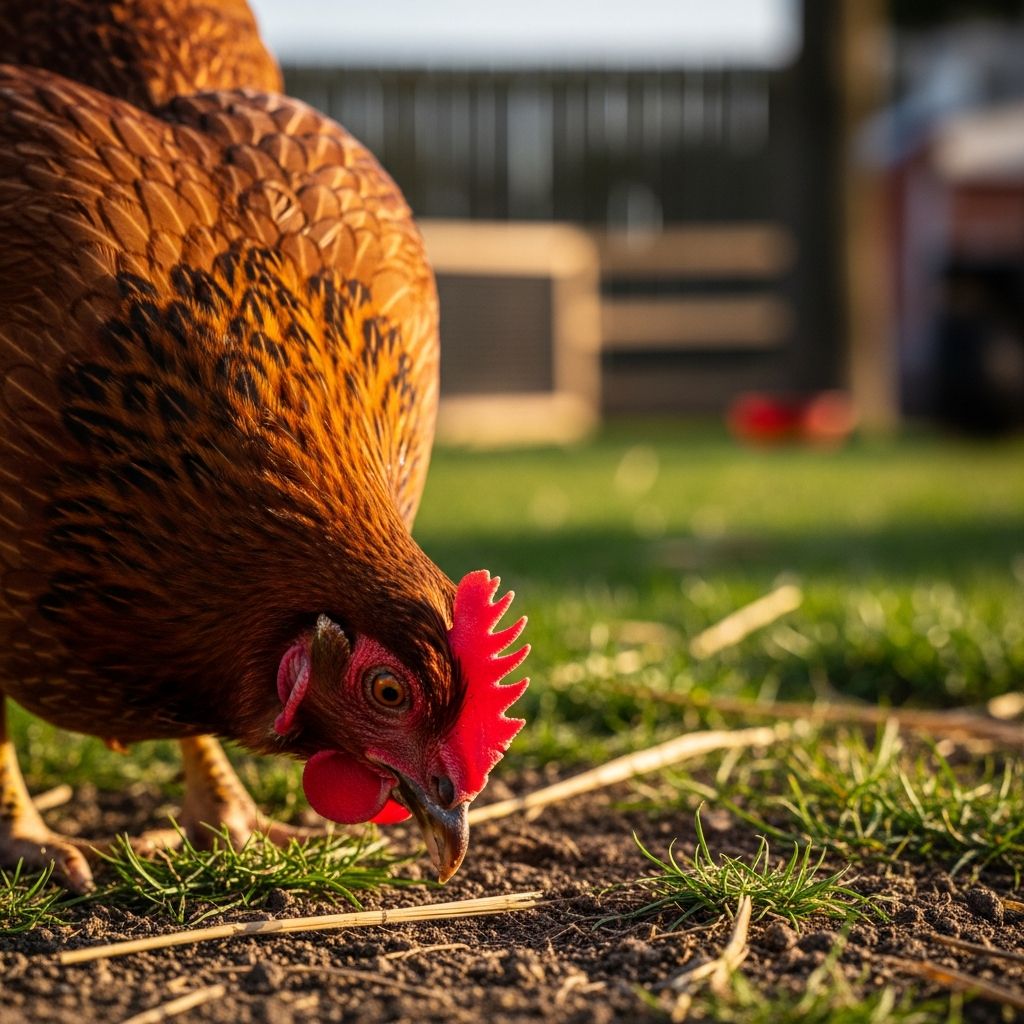
Conducting regular health assessments on backyard chickens is vital for maintaining a thriving flock. These evaluations help detect early signs of illness, nutritional deficiencies, or environmental issues, allowing for timely interventions that can prevent widespread problems. This guide provides a structured approach to examining your birds, drawing from established veterinary practices tailored for non-commercial settings.
Preparing for the Examination
Before handling any birds, gather necessary tools and create a calm environment. Essential items include gloves, a weighing scale, flashlight, fecal collection containers, and restraint aids like towels. Work in a quiet, well-lit area to minimize stress, as agitated chickens may injure themselves or obscure clinical signs. Review the flock’s history: note recent changes in feed, water quality, housing, or introductions of new birds. Document baseline weights and behaviors for future comparisons.
- Tools checklist: Digital scale for body weight, exam gloves, styptic powder for minor bleeding, nail trimmers, and sample collection swabs.
- Environment setup: Use a non-slip surface and have treats ready to encourage cooperation.
- Safety first: Wash hands thoroughly and disinfect equipment between birds to prevent disease spread.
Initial Observation from a Distance
Begin by watching the flock without interference. Healthy chickens are active, alert, and socially engaged. Observe their posture, movement, and interactions for 5-10 minutes. Look for symmetry in flock behavior; isolated or lethargic birds warrant closer inspection.
| Normal Indicators | Potential Concerns |
|---|---|
| Bright, upright posture; smooth gait | Limping, hunching, or isolation |
| Even foraging and preening | Excessive scratching or pecking |
| Consistent vocalization and appetite | Silence, reduced eating, or panting |
This non-invasive step reveals flock dynamics and highlights individuals needing priority evaluation.
Safe Handling Techniques
Approach birds gently from behind to avoid startling them. Grasp the legs with one hand while supporting the body with the other, ensuring the breast remains free for breathing. Never compress the keel bone, as this can cause suffocation. For larger birds, use a towel over the wings to prevent flapping. Hold smaller chicks in a cupped hand. Always examine in short sessions to reduce stress.
- Leg grasp method: Fingers between legs, thumb over back.
- Wing control: Fold wings against the body securely.
- Release protocol: Set down feet-first in a safe spot.
Proper restraint facilitates accurate assessments while prioritizing bird welfare.
Detailed Head and Neck Inspection
Examine the head systematically. Eyes should be clear, bright, and free of discharge or cloudiness. Nares (nostrils) must be clean without crusting or bubbling. Check non-feathered skin for swelling, scabs, or redness. Open the beak to inspect the oral cavity for ulcers, cheesy lesions, or abnormal mucus. Feel the neck for lumps, heat, or asymmetry, palpating gently along the length.
Position the head to assess neck carriage: it should extend vertically without tilting or drooping, which may signal neurological issues or respiratory distress. Use a light to transilluminate the trachea if gaps or worms are suspected.
Body Condition and Feather Evaluation
Run your hands over the body to gauge muscle tone and fat coverage. The breast muscle should feel firm and plump; a sharp keel indicates emaciation. Part feathers to inspect skin: it should be pale pink, smooth, and parasite-free. Check under wings for lice nits or mites. Feathers ought to lie flat, glossy, and uniform, without bare patches from molting, picking, or infestations.
- Muscle scoring: 1 (emaciated, prominent keel) to 5 (obese, buried keel).
- Feather faults: Ragged edges, blood feathers, or vent pecking.
- Skin checks: Discoloration, scabs, or crusts signaling dermatitis.
These checks correlate strongly with nutritional status and production efficiency.
Assessing Reproductive and Vent Status
Vent evaluation is crucial for layers. A productive hen has a moist, oval vent accommodating 3-4 fingers, with a bright red comb and soft abdomen. Non-layers show a puckered vent (1-2 fingers), shriveled comb, and firmer belly. Palpate the pin bones for spacing and fat coverage. Inspect for prolapse, pasting, blood, or parasites like mites around the tail head.
| Parameter | Laying Hen | Non-Laying Hen |
|---|---|---|
| Comb Color | Bright red | Dull/shriveled |
| Vent Size | 3-4 fingers | 1-2 fingers |
| Abdomen | Soft, pliable | Hard, fatty |
Accurate vent scoring predicts egg output and detects reproductive disorders.
Legs, Feet, and Joint Examination
Scrutinize shanks for color (vibrant yellow in healthy adults), scale condition, and bruising. Smooth, adhered scales are normal; raised or crusty ones suggest mites. Palpate joints for swelling, heat, crepitus, or pain—indicators of infection or injury. Feet should have flat pads without bumblefoot scabs, swelling, or toe deformities. Check between toes for lesions.
- Joint tests: Gentle flexion; note resistance or grating sounds.
- Foot issues: Black scabs signal pododermatitis—seek vet care promptly.
- Shank anomalies: Pale for anemia; red for inflammation.
Leg health directly impacts mobility and feed conversion.
Fecal and Basic Diagnostic Sampling
Collect fresh droppings for flotation tests targeting coccidia, nematodes (roundworms, capillaria), or cecal worms. Direct smears reveal parasites. For deeper diagnostics, draw blood from the brachial vein for serology or PCR. Swab trachea, choana, or cloaca for virology/bacteriology. Weigh birds routinely to track trends.
Consult state labs for advanced testing; submit live samples chilled.
Advanced Necropsy Procedures for Deceased Birds
When birds die unexpectedly, perform a necropsy to diagnose flock issues. Use AVMA-approved euthanasia like cervical dislocation. Externally inspect for trauma or parasites. Lay the bird supine and incise from mouth to crop, examining oral cavity, esophagus, trachea, and sinuses. Open the body cavity along the sternum, reflect skin, and expose organs. Sample before dissection to avoid contamination.
Key organs to scrutinize: liver (fatty, pale?), intestines (thickened?), air sacs (cloudy?), reproductive tract, and brain. Photograph findings and submit tissues to labs.
- Head dissection: Nasal cavities and eyes for sinusitis.
- Thoracic/abdominal cavity: Lungs, heart, kidneys for pathology.
- Gastrointestinal tract: Crop contents, intestines for worms or enteritis.
Common Health Red Flags and Interventions
Recognize patterns: respiratory signs (sneezing, nasal discharge) suggest infections; diarrhea points to parasites or diet issues; weight loss indicates chronic disease. Isolate suspects and improve biosecurity. For parasites, use approved dewormers per FDA guidelines. Bumblefoot requires cleaning and antibiotics under vet guidance.
Regular exams reduce mortality; aim for weekly flock checks.
Frequently Asked Questions (FAQs)
What if my chicken has a tilted head?
Head tilt often indicates ear infections or neurological problems like wry neck. Isolate and consult a vet for vitamin E/selenium therapy or antibiotics.
How often should I weigh my birds?
Weigh monthly for adults, weekly for chicks, to monitor growth and detect 10% drops signaling illness.
Can I treat parasites myself?
Use FDA-approved products like those in the Green Book; avoid off-label drugs without vet advice.
What causes bumblefoot?
Bacterial entry via foot cuts on dirty bedding; prevent with clean, dry litter.
When to call a vet?
For outbreaks, sudden deaths, or unresponsive signs like swelling or lethargy.
References
- Physical Exam/Handling/Basic Diagnostics of Backyard Poultry — Virginia Veterinary Medical Association. 2025. https://www.vtvets.org/assets/2025%20VVMA_KJones_%20Physical%20exam_handling_basic%20diagnositcs%20of%20backyard%20poultry.pdf
- How to Conduct a Chicken Health Check — Open Sanctuary Project. Accessed 2026. https://opensanctuary.org/chicken-health-exam/
- Performing a Physical Exam on a Chicken — Ohio State University Extension. Accessed 2026. https://ohioline.osu.edu/factsheet/vme-20
- Physical Examination of the Avian Patient — LafeberVet. Accessed 2026. https://lafeber.com/vet/physical-examination-of-the-avian-patient/
- Backyard Poultry Submission Guidelines — UC Davis CAHFS. Accessed 2026. https://cahfs.vetmed.ucdavis.edu/sites/g/files/dgvnsk2461/files/media/documents/CAHFS_BYF_Submission_Form.pdf
Similar Articles








Read full bio of Sneha Tete


