

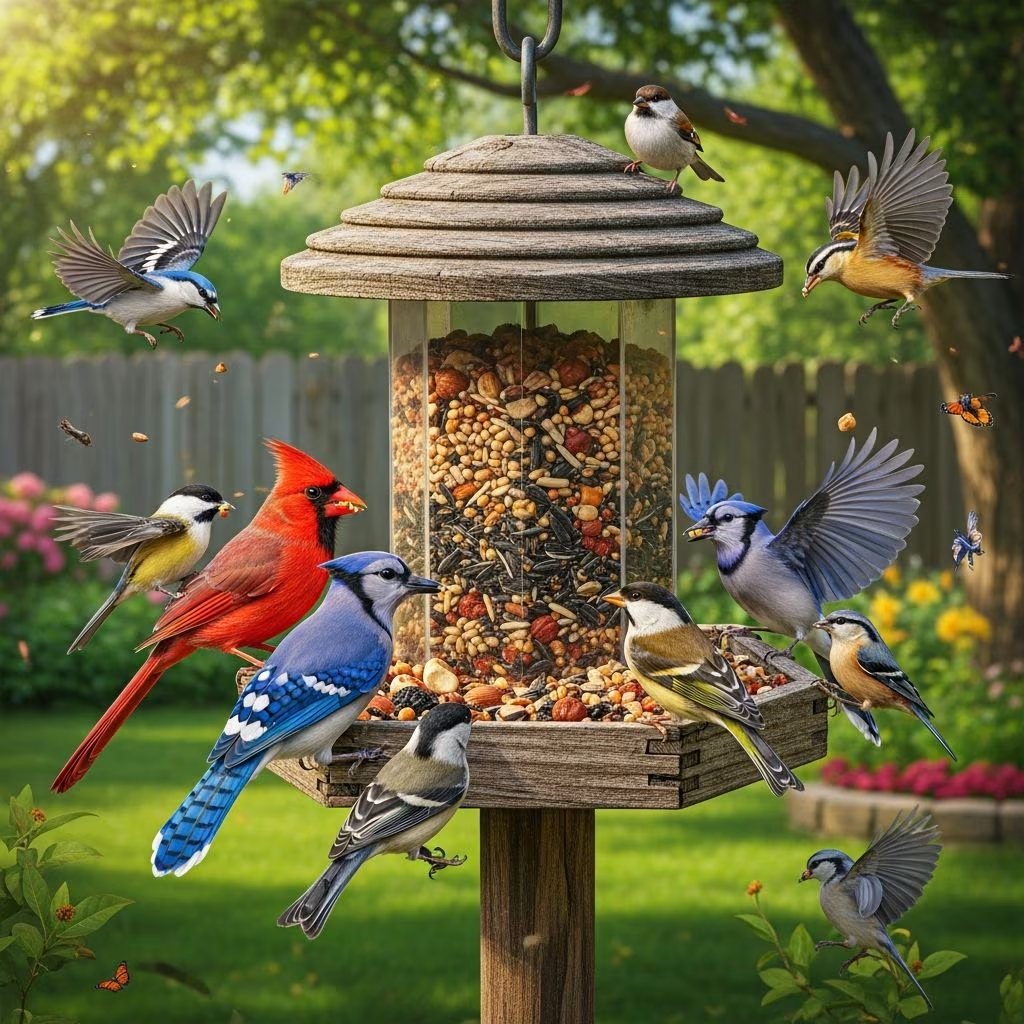
Inviting birds to your backyard offers endless enjoyment and supports local ecosystems. By offering the right foods and setups, you can attract a wide array of species, from colorful finches to energetic hummingbirds. This guide provides practical advice on seeds, feeders, placement, and maintenance to create a welcoming environment.
Why Feed Birds in Your Yard?
Backyard feeding supplements natural food sources, especially during harsh winters or lean seasons when insects and berries are scarce. It helps birds conserve energy, boosts survival rates, and allows you to observe behaviors up close. Studies show that consistent feeding stations can increase bird diversity in urban areas.
Birds play vital roles in pollination, seed dispersal, and pest control. Supporting them fosters biodiversity and connects you to nature. Start small, and soon your yard could host dozens of feathered visitors daily.
Selecting the Best Bird Seeds
Choosing appropriate seeds is key to drawing specific birds. Not all seeds appeal to every species, so variety maximizes attraction.
- Black-oil sunflower seeds: These thin-shelled seeds are a top choice, loved by chickadees, finches, cardinals, nuthatches, and sparrows. They provide high energy from fats and proteins.
- White millet: Ideal for ground-feeders like juncos, doves, and sparrows. Scatter on the ground or use low trays to mimic natural foraging.
- Nyjer (thistle) seeds: Tiny black seeds in specialized feeders attract goldfinches and other small songbirds. Use finch-specific tube feeders with small ports.
- Safflower seeds: Bitter taste deters squirrels while cardinals and some finches enjoy them. Great for mixed feeders.
- Striped sunflower seeds: Thicker shells suit larger birds like jays and grosbeaks.
Avoid cheap mixes heavy in milo or corn, as birds often discard them, leading to waste and attracting unwanted pests like cowbirds. Opt for no-mess blends with hulled seeds for cleaner grounds.
Understanding Feeder Types and Matches
Feeders come in designs tailored to bird behaviors. Matching feeder to feeding style ensures success.
| Feeder Type | Best For | Recommended Seeds/Foods | Pros | Cons |
|---|---|---|---|---|
| Tube Feeders | Finches, chickadees, nuthatches | Black-oil sunflower, nyjer | Squirrel-resistant, holds lots of seed | Can clog if not cleaned |
| Platform/Tray Feeders | Sparrows, juncos, doves | Millet, sunflower blends | Easy access for ground birds | Exposed to weather, squirrels |
| Suet Cages | Woodpeckers, warblers | Suet cakes | High-protein winter food | Melts in heat |
| Hummingbird Feeders | Hummingbirds, orioles | Nectar (1:4 sugar-water) | Attracts jewels of the sky | Needs frequent cleaning |
| Hopper Feeders | Cardinals, jays | Mixed seeds, peanuts | Weather-protected, large capacity | Bulkier, squirrel magnet |
Provide multiple feeder types spaced 10-15 feet apart to reduce competition and accommodate shy species.
Optimal Feeder Placement Strategies
Location affects visitation rates and safety. Place feeders 10-15 feet from shelter like shrubs or trees, allowing birds an escape route from predators.
- Near windows? Use 3-foot spacing or screens to prevent collisions.
- Elevate platform feeders on poles with baffles to deter squirrels.
- Group feeders in quiet yard spots away from heavy traffic.
- Rotate locations seasonally to follow bird movements.
Incorporate water features nearby—a shallow birdbath with dripping water draws more species than seed alone.
Seasonal Feeding Adjustments
Birds’ needs shift with seasons, so adapt offerings accordingly.
Winter: Focus on high-fat foods like suet and sunflower seeds to fuel cold nights. Suet provides protein when insects vanish.
Spring/Summer: Reduce seeds; add nectar for hummingbirds and fruit slices for orioles. Insects abound, so feeding supplements migration recovery.
Fall: Blend seeds attract migrants. Nyjer peaks for goldfinches in molting season.
Year-round feeding builds loyalty, but natural habitat like native plants offers long-term benefits.
Safety: Preventing Diseases and Pests
Clean feeders weekly with 10% bleach solution, rinse thoroughly, and dry completely to curb salmonella and avian flu.
- Rake spilled seed daily to avoid mold.
- Discard wet or clumped seed.
- Suspend feeding during disease outbreaks (e.g., dead birds nearby).
Squirrel-proof with baffles, spicy seeds, or dome covers. Avoid bread, which fills without nutrition.
Enhancing Your Yard for Birds
Feeders shine with habitat upgrades:
- Plant natives: Sunflowers, coneflowers for seeds; berry bushes for fruit.
- Provide cover: Dense shrubs for nesting.
- Minimize pesticides to preserve insects.
Track visitors with apps like eBird for citizen science contributions.
Common Mistakes to Avoid
Beginners often overfill feeders, leading to spoilage, or use one type, limiting diversity. Inconsistent cleaning spreads illness, scaring birds away. Start with quality black-oil sunflower in a simple tube feeder for quick wins.
FAQs
What is the single best seed for beginners?
Black-oil sunflower seeds attract the widest variety of birds reliably.
How often should I clean feeders?
Weekly, or more in wet weather, using mild bleach solution.
Do squirrels ruin everything?
Not if you use baffles, safflower, or elevated platforms.
Can I feed birds year-round?
Yes, but prioritize natural foods in abundance seasons.
What about homemade nectar?
Mix 1:4 white sugar to water; never honey or red dye.
Getting Started Checklist
- Buy black-oil sunflower and nyjer seeds.
- Get a tube feeder and platform tray.
- Place 10 feet from cover, near water.
- Clean weekly; monitor for issues.
- Add natives for sustainability.
References
- Feeding Backyard Birds: Tips and Tricks — Bird Alliance of Oregon. 2023. https://audubonportland.org/blog/feeding-backyard-birds-tips-and-tricks/
- A Beginner’s Guide to Backyard Bird Feeding — National Wildlife Federation. 2011-05-01. https://blog.nwf.org/2011/05/a-beginners-guide-to-backyard-bird-feeding/
- Get Started — Wild Birds Unlimited. 2024. https://www.wbu.com/get-started/
- Audubon Guide to Birdseed — San Francisco Bay Area Audubon. 2016. https://www.sfvaudubon.org/wp-content/uploads/2016/06/Audubon_Guide_Bird_Seed_printPDF.pdf
- The ULTIMATE Beginner’s Guide to Backyard Bird Feeding — YouTube (Birding channel). 2023. https://www.youtube.com/watch?v=HzHH5cwabyE
- Feeding Birds: a Quick Guide to Seed Types — Cornell Lab of Ornithology. 2023. https://www.allaboutbirds.org/news/types-of-bird-seed-a-quick-guide/
- Backyard Bird Feeding — Delaware Audubon. 2024. https://delawareaudubon.org/birdfeedingtips



