

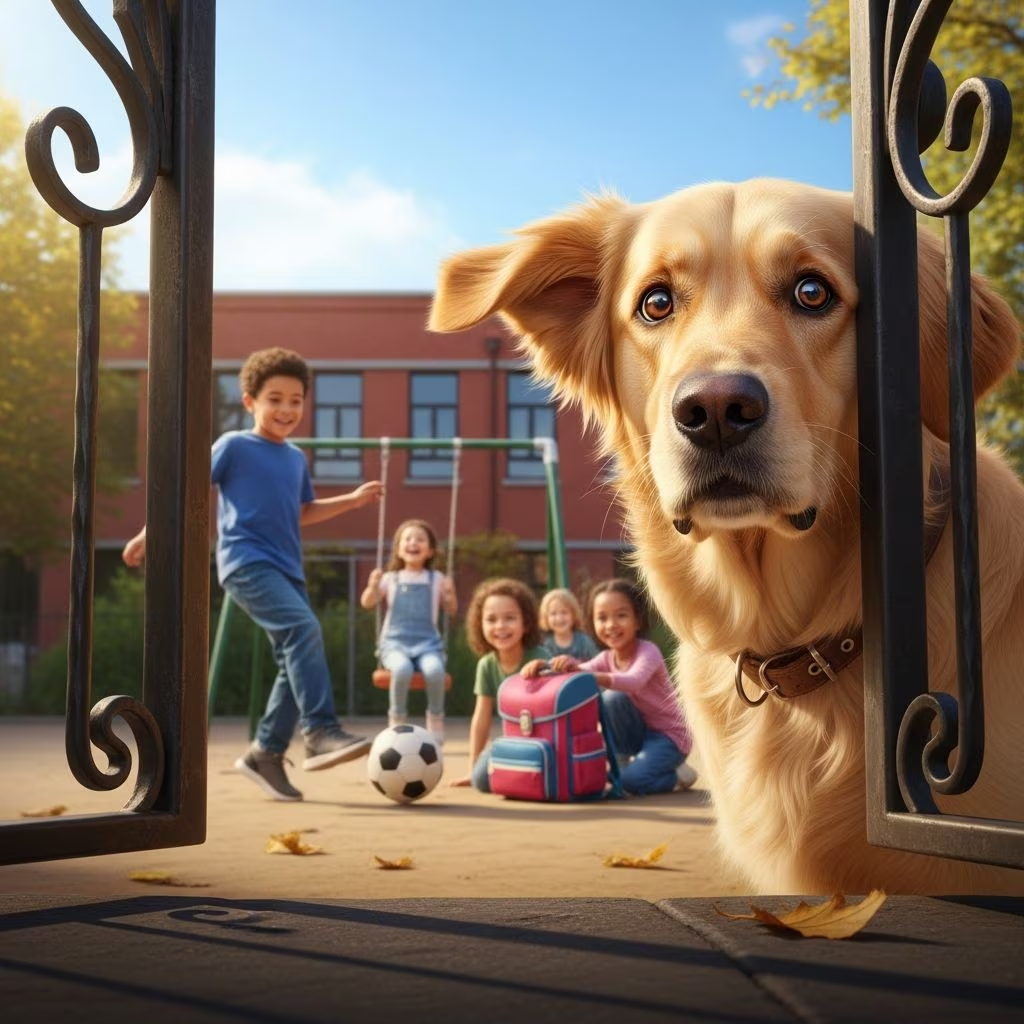
When the school year starts, your home’s rhythm changes: mornings get rushed, afternoons get loud, and evenings are full of homework and activities. For a dog who is afraid of kids, this seasonal shift can be especially stressful. The good news is that with planning, management, and positive training, you can help your dog feel safer and your kids interact more respectfully and calmly.
Why Some Dogs Are Afraid of Children
Fear of children is common, even in otherwise friendly, well-socialized dogs. Understanding the root causes of this fear is the first step in helping your dog.
Unpredictable Movement and Noise
Children tend to:
- Run suddenly and change direction without warning
- Shout, squeal, or laugh loudly
- Wave toys, backpacks, or tablets in fast or jerky ways
Dogs rely heavily on body language and predictable patterns; fast, erratic movement and high-pitched noise can be very difficult for them to interpret and can trigger a fear response.
Developmental Changes in Kids
For dogs that live with children, the kids themselves are constantly changing. In just a couple of years, a child can go from crawling to running to riding a scooter in the house. Dogs must repeatedly adapt to:
- New motor skills (crawling, climbing, running, jumping)
- New objects (strollers, wagons, sports gear, band instruments)
- New ways of touching (from clumsy grabbing to bear hugs)
This ongoing change can keep some dogs in a state of low-level uncertainty, making them slower to fully relax around children.
History, Genetics, and Socialization
Several factors increase the likelihood that a dog will be uneasy around kids:
- Limited early socialization with children during the critical period (roughly 3–12 weeks of age), when puppies are especially receptive to learning what is safe.
- Genetic predisposition toward fearfulness or sensitivity, documented in studies of breed and personality differences in dogs.
- Past negative experiences with kids, such as being chased, grabbed, or teased.
Research on pet dogs suggests that many families view dogs in a child-like role, which can lead to close physical contact and intense affection—but not always in ways the dog actually enjoys. This mismatch can fuel fear or defensive behavior if the dog’s subtle stress signals are missed.
Misunderstood Dog Body Language
Many dogs show clear signs when they are uncomfortable, but children and even adults often overlook or misread them. Common “I need space” signals include:
- Turning the head away from the child
- Lip licking or yawning when not tired
- Freezing or stiffening for a brief moment
- Tucking the tail or lowering the body
- Trying to walk away or hide
If these signals are ignored and the child continues to approach, the dog may escalate to growling or snapping as a last resort.
How Back-to-School Changes Affect a Fearful Dog
The beginning of the school year doesn’t just mean more kids around at certain times; it also changes your dog’s overall routine. Dogs thrive on consistency, and sudden changes can lead to stress and behavior issues.
Routine Shifts and Separation
Typical back-to-school changes that affect dogs include:
- Longer periods alone during the day
- Earlier wake-up times and shorter morning walks
- Busy, noisy returns home in the afternoon
- Less spontaneous daytime play with kids
Some dogs develop or worsen separation anxiety, showing behaviors like vocalizing, destructiveness, or house soiling when left alone.
Pent-Up Energy When Kids Get Home
By the time children return from school, a dog may be:
- Excited to see their family
- Stressed from being alone or from daytime noises
- Low on mental and physical outlets
This combination can result in rough greetings—jumping, mouthing, and pushy behavior—that may feel overwhelming or scary for children and unsafe for a dog already nervous around kids.
Triggers Specific to Fear of Kids
Dogs wary of children may react more strongly during back-to-school season because kids are:
- More rushed and chaotic in the mornings
- Arriving home in groups (friends, carpools, siblings)
- Carrying sports equipment, musical instruments, and heavy backpacks
- Less patient or observant when tired after school
For a fearful dog, these elements can stack together, making after-school hours the most challenging part of the day.
Creating a Safe, Kid-Friendly Home Plan
A thoughtful management plan protects everyone: the dog, your children, and any visiting kids. The goal is not to force instant friendship but to create an environment where your dog feels safe and can make calm choices.
Management vs. Training: How They Work Together
| Management | Training |
|---|---|
| Controls the environment to prevent unsafe or overwhelming situations | Changes the dog’s emotional response and teaches new behaviors |
| Examples: gates, crates, leashes, designated safe rooms | Examples: counterconditioning, calm greetings, mat training |
| Immediate safety tool | Longer-term change tool |
Setting Up a Safe Space
Every fearful dog should have at least one place in the home where:
- No children are allowed without adult supervision
- The dog is never forced to interact with kids
- Comfort items (bed, toys, water) are easily available
Options include a crate, an exercise pen, a closed-off room, or a quiet corner behind a sturdy baby gate. Dogs often relax more easily when their safe space is consistent and predictable.
House Rules for Kids and Adults
Safety and respect are family projects. Establish clear rules such as:
- No hugging, climbing on, or riding the dog
- No disturbing the dog when they are eating, sleeping, or in their safe zone
- Pet only when an adult is present and the dog approaches willingly
- Use calm voices and gentle hands when near the dog
Adults should supervise all interactions between young children and dogs, as recommended by many veterinary behavior experts and humane organizations.
Step-by-Step Training for Dogs Afraid of Kids
Training should focus on building comfort first, not pushing the dog to become a child’s best friend. Many fearful dogs can learn to feel neutral or mildly positive about children with careful, positive work.
1. Observe and Measure Your Dog’s Fear
Before starting, note how your dog reacts in specific scenarios:
- Does your dog avoid kids but remain quiet and mobile?
- Do they freeze, growl, bark, or lunge when kids are close?
- Is the fear worse with certain ages (toddlers vs. teens) or specific actions (running, screaming)?
If your dog has ever bitten, or if their reactions are intense (lunging, snapping, cornering a child), consult your veterinarian and a qualified behavior professional such as a veterinary behaviorist or certified trainer specializing in behavior issues.
2. Start at a Comfortable Distance
The basic behavior-change strategy is gradual exposure paired with good things (counterconditioning and desensitization). In simplified form:
- Place your dog far enough away from the child that they remain relaxed and can eat treats.
- Each time the child appears or moves, calmly feed your dog high-value treats.
- If your dog shows stress (staring, stiffening, refusing food), increase the distance or use more barriers.
Over time, your dog learns that children predict good things and aren’t so scary.
3. Teach Alternative Behaviors
Teach simple, reliable behaviors that are easy for kids to help cue with adult guidance:
- Go to mat/bed when kids enter a room
- Look at you (“watch me”) instead of focusing on children
- Hand target (touching their nose to your hand) for redirection
Use positive reinforcement methods—rewarding the dog for calm, desired behaviors—consistently. Research indicates that reward-based training is associated with better welfare and fewer behavior problems than harsh methods.
4. Pair Kid Noise and Movement with Rewards
Gradually introduce the elements that scare your dog most, at low intensity first:
- Recordings of children laughing or playing at low volume
- Slow, predictable walking, then gentle jogging by a child or teen
- Backpacks being picked up and set down, doors closing, footsteps on stairs
Each time these things happen, calmly reward your dog. Keep sessions brief and end while your dog is still relaxed.
5. Know When to Pause and Get Help
Stop and reassess if:
- Your dog’s fear increases over several sessions instead of decreasing
- New aggressive behaviors (growling, snapping, biting) appear
- Children feel scared or unsafe around the dog
In these situations, a full behavior plan from a veterinary behaviorist or certified behavior professional is important for safety and progress.
Helping Your Dog Through the School-Day Routine
Beyond kid-specific training, adjusting the overall school-year schedule can dramatically improve your dog’s comfort and behavior.
Morning Strategies
- Maintain a predictable wake-up and walk time. Dogs are more relaxed when they know what to expect each day.
- Provide exercise before kids leave. A brisk walk, short play session, or sniff-based activity can take the edge off excess energy.
- Use calm, consistent departures. Avoid long, emotional goodbyes that can heighten anxiety.
While the Kids Are at School
When the house is quiet, focus on meeting your dog’s physical and mental needs:
- Offer puzzle feeders or treat-dispensing toys to provide mental stimulation.
- Leave safe chew items or stuffed food toys to occupy downtime.
- Consider soft background noise (like music or white noise) to mask outside sounds that might stress your dog.
After-School Transition Time
The first 10–15 minutes after kids arrive home are often the most intense. Plan this time deliberately:
- Have the dog in a safe space behind a gate or on leash as kids enter.
- Ask children to ignore the dog at first—no rushing over or grabbing.
- Once everyone is calm, allow brief, supervised interactions, or keep the dog safely separated if they are still uneasy.
Kids can help by participating in calmly tossing treats or practicing simple, dog-friendly tricks under adult supervision.
When to Involve Professionals
Sometimes, home strategies are not enough. Professional input can be crucial for serious fear or aggression around children.
Veterinarian
Start with your regular veterinarian to:
- Rule out medical issues that could contribute to irritability or fear (pain, sensory changes, thyroid disease, etc.)
- Discuss whether referral to a veterinary behaviorist is appropriate
- Explore whether behavior medications or supplements might support a training plan in severe cases
Certified Training and Behavior Support
Seek a professional who:
- Uses evidence-based, humane, reward-focused methods
- Has experience with fear and aggression cases, specifically around children
- Will teach both you and your kids how to read your dog’s signals and respond appropriately
Large organizations and veterinary universities increasingly emphasize positive, science-backed behavior modification instead of punishment-based methods, reflecting the growing research base in canine behavior and welfare.
Frequently Asked Questions (FAQs)
Q: Is my dog “bad” if they are afraid of kids?
A: No. Fear is an emotional response, not a moral failing. Many otherwise friendly dogs find children overwhelming. Your role is to manage safety and use positive training to help your dog feel more secure.
Q: Can a dog who is scared of kids ever learn to like them?
A: Some fearful dogs eventually become comfortable or even enjoy certain children. Others remain more reserved but can learn to stay relaxed at a safe distance. The realistic goal is comfort and safety first; close friendship is optional.
Q: Should I force my dog to be petted so they “get used to” kids?
A: No. Forcing contact can increase fear and the risk of growling or biting. Instead, let your dog choose whether to approach and use gradual exposure paired with treats to change how they feel.
Q: What if my dog growls at my child?
A: Treat growling as useful information that your dog is uncomfortable. Do not punish the growl. Immediately separate dog and child, review your management plan, and contact your veterinarian and a qualified behavior professional for a tailored safety and training plan.
Q: How can I prepare my dog before school starts?
A: In the weeks leading up to school, gradually adjust your schedule toward the school-day routine, practice alone time, set up your dog’s safe space, and begin brief, positive training sessions around calm kid activity and noise.
References
- How to Help Your Dog Adjust to Back-to-School Routines — Bark Busters Home Dog Training. 2023-08-01. https://www.barkbusters.com/news/back-to-school
- How Pets Feel When Kids Go Back to School — Our House Braselton. 2022-08-15. https://www.ourhouseb.com/how-pets-feel-when-kids-go-back-to-school/
- Pet and Back to School Blues — Nutrena Pet & Horse Feeds. 2021-08-10. https://nutrenaworld.com/pet-and-back-to-school-blues/
- What to Do If Your Dog Is Scared of Children — Kinship. 2023-05-12. https://www.kinship.com/dog-behavior/what-to-do-if-your-dog-is-scared-of-children
- Redefining Parenting and Family – The Child-Like Role of Dogs in the Family — Zsolt Péter Szabó et al., European Psychologist. 2020-03-30. https://doi.org/10.1027/1016-9040/a000552



