

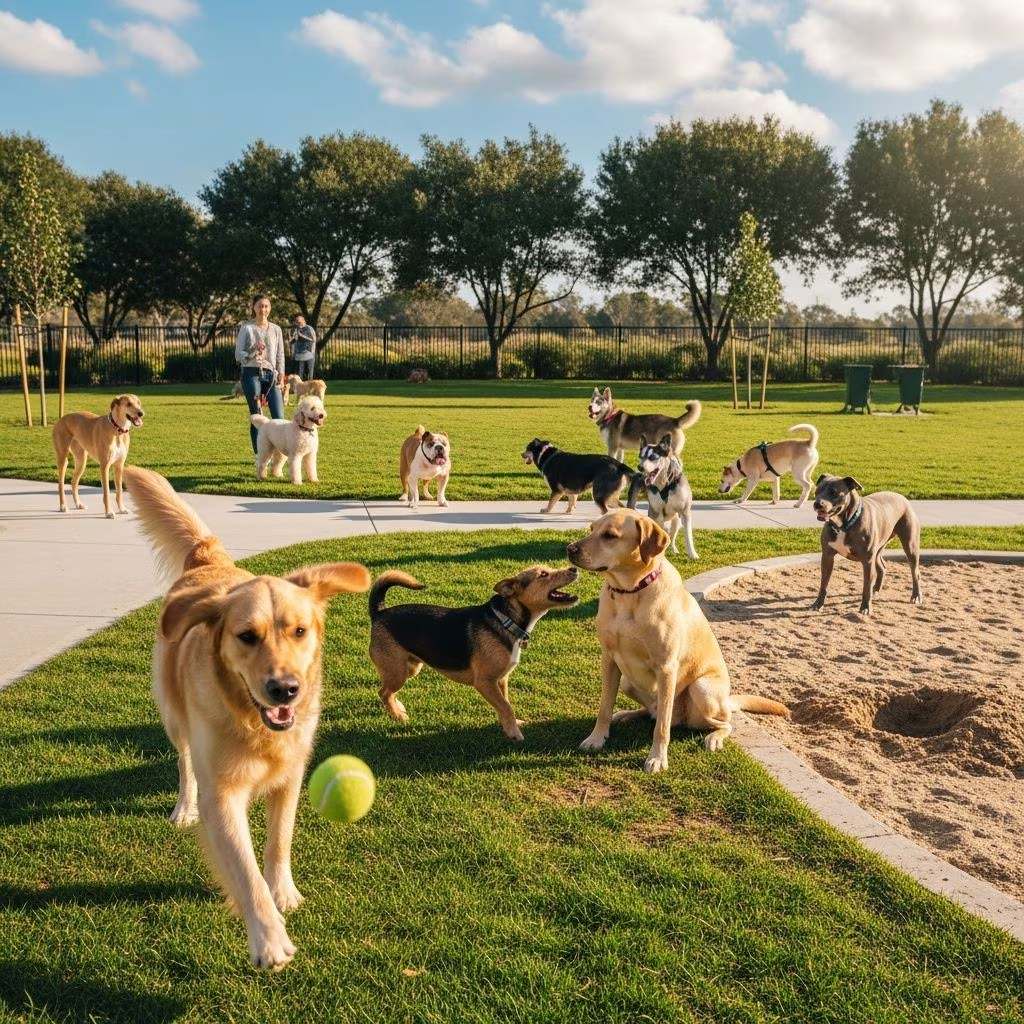
Back to the Dog Park: Keeping Dogs Safe Outdoors
After extended periods of reduced outdoor activity, both you and your furry companion are likely eager to return to the dog park and enjoy outdoor adventures. However, as social interactions resume and recreational areas reopen, it’s essential to take a thoughtful, gradual approach to reintroducing your dog to the outdoor world. This comprehensive guide provides expert recommendations to ensure both you and your beloved pet stay safe while enjoying parks, trails, and outdoor socialization.
Follow CDC Recommendations for Outdoor Safety
When returning to outdoor recreational activities, it’s crucial to adhere to public health guidelines established by health authorities. The Centers for Disease Control and Prevention (CDC) has outlined specific recommendations for outdoor activities that protect your health, your pet’s wellbeing, and that of others in your community.
Key CDC recommendations for outdoor pet activities include:
– Maintaining a distance of at least 6 feet from other people and pets- Avoiding overcrowded recreational areas, particularly during peak hours- Carrying hand sanitizer and using it regularly throughout your outing- Wearing cloth face coverings when in public spaces- Preventing your pet from interacting with other people or animals outside your household- Staying home if you or anyone in your household is feeling ill or has recently been exposed to illness
These guidelines work together to create multiple layers of protection, reducing transmission risk while still allowing you and your dog to enjoy outdoor time safely.
Pack Social-Distancing Products
Preparation is key when heading outdoors with your dog during this period of resumed activities. Bringing the right equipment ensures that both you and your pet can maintain proper social distancing and stay safe throughout your outing.
Water and Hydration
Instead of relying on public water fountains or shared water bowls at parks, bring your own portable water containers. This simple precaution prevents the sharing of germs and ensures your dog stays hydrated with clean, safe water. Portable dog water bottles designed for outdoor use make it convenient to offer fresh water to your pet at regular intervals without exposing either of you to contaminated public water sources.
Leashes and Harnesses
Extender leashes, while tempting for allowing dogs more freedom, can break easily and lead to injuries. More importantly, they prevent you from maintaining proper social distance and control over your pet. Instead, invest in a quality 6-foot leash made with durable materials and reflective elements for visibility and safety. A reliable harness works in conjunction with a fixed-length leash to keep your dog securely at your side while preventing them from getting too close to other people or animals.
Waste Management
Always carry an adequate supply of poop bags to properly clean up after your dog. This practice is not only courteous to other park users but also prevents the spread of parasites and pathogens that can affect other pets and the environment.
Gradually Build Exercise Capacity
Rather than immediately returning to your pre-restriction outdoor routine, gradually reintroduce exercise to both yourself and your dog. If you’ve been confined to your home during stay-at-home orders, sudden intense physical activity can lead to injury or exhaustion.
Creative indoor and yard-based exercises to start with include:
– Running up and down stairs- Jogging through hallways- Playing fetch in your yard- Engaging in hide-and-seek games- Short indoor play sessions repeated several times daily
These activities stimulate your dog both physically and mentally while building their cardiovascular fitness gradually. The goal is to get both your hearts pumping and muscles warm without overexertion. Once you’ve established a baseline of conditioning, you can begin increasing outdoor activity duration and intensity.
Start Small and Build Social Skills
Just as humans have forgotten some social skills during periods of isolation, dogs can experience similar challenges when returning to group settings. The CDC still recommends keeping your dog away from other pups and people when guidelines are in place, but once this becomes safe again, a gradual reintroduction approach is essential.
Recommended socialization progression:
– Begin with small playdates featuring only trusted doggy friends from your immediate circle- Allow your dog to be gently reminded of proper social etiquette and manners- Observe your dog’s behavior for signs of excitement, anxiety, or aggression- Gradually increase group sizes as your dog demonstrates appropriate behavior- Only return to larger dog park environments once your pet is sufficiently warmed up and confident in social situations
Jumping directly into busy dog parks can result in overly excited or antisocial behavior. Dogs, like people, need time to readjust to group dynamics. A measured approach prevents behavioral problems and ensures positive experiences that build confidence.
Update Vaccinations and Schedule Wellness Exams
One of the most critical yet often overlooked aspects of preparing for outdoor activities is ensuring your dog’s health protection is current. Many veterinary clinics have reduced office hours and limited “well” appointments, leading many pet parents to postpone routine health maintenance.
Before venturing back to parks and public areas, verify that:
– All vaccinations are current and not expired- Your dog has received necessary preventative medications- Routine wellness exams have been completed recently- Any lapsed health services are addressed promptly
Contact your veterinarian to schedule appointments for any needed vaccines or health updates. Current protection against preventable diseases becomes increasingly important as your dog increases contact with other animals. Diseases like canine distemper, parvovirus, and rabies pose serious health risks that can be prevented through proper vaccination.
Environmental Awareness and Health Considerations
Beyond social interactions, the outdoor environment presents specific hazards that require attention. Temperature management, hydration, and exposure to potentially harmful substances all demand your consideration.
Temperature Management
Pay close attention to weather conditions, particularly during warm months. If the pavement is too hot for your bare hand to comfortably touch for a few seconds, it’s too hot for your dog’s paws. During peak heat hours (typically 10 AM to 4 PM), avoid walking on heated pavement. Instead, schedule walks during cooler morning or evening hours, and choose grassy areas or shaded paths when possible.
Hydration and Water Access
Always carry fresh water for your dog and provide it at regular intervals. Outdoor activity increases water loss through panting and perspiration, making consistent hydration essential for preventing dehydration and heat-related illness.
Sun Protection
Apply pet-safe sunscreen to vulnerable areas like your dog’s nose, ears, and belly, especially for light-colored or short-haired breeds. Never fully shave your dog’s coat, as it provides protection from both heat and sunburn. Light trimming is acceptable, but the full coat serves important protective functions.
Home Environment Safety
As you prepare for increased outdoor activities, ensure your home remains a safe haven for your dog. Create a pet-proofed living space that minimizes accidents and hazards.
Secure Storage of Hazardous Materials
Store all chemicals, medications, and toxic substances in secure cabinets or high shelves where your dog cannot access them. Cleaning products, human medications, and certain plants pose serious poisoning risks if ingested.
Electrical Cord Management
Bundle and secure electrical cords to prevent your dog from chewing on them and risking electrocution. Keep cords out of reach whenever possible.
Trash and Small Objects
Use trash cans with tight-fitting lids to prevent your dog from accessing human food, sharp objects, or other hazardous materials. Remove small objects that could present choking hazards from accessible areas.
Designated Safe Zones
Create comfortable resting areas where your dog can retreat and feel secure. Use baby gates or closed doors to limit access to potentially dangerous rooms like garages or utility areas containing equipment or hazardous substances.
Identification and Emergency Preparedness
As outdoor activities increase, the risk of your dog becoming lost or separated from you also increases. Proper identification and emergency preparedness are essential safeguards.
Critical identification and emergency measures include:
– Ensuring your dog wears a collar with current identification tags- Updating microchip information with your current contact details- Maintaining recent photos of your dog for identification purposes- Keeping an emergency kit with food, water, medications, and veterinary contact information- Ensuring your dog’s rabies vaccination is current and you have proof of vaccination
Frequently Asked Questions
Q: How long should I wait before taking my dog back to the dog park?
A: Rather than rushing back, gradually reintroduce outdoor activities over several weeks. Begin with brief walks in quiet areas, progress to small playdates with trusted friends, and only return to busy dog parks once your dog demonstrates comfortable social behavior and you’re confident in local safety guidelines.
Q: What should I do if my dog shows signs of anxiety or aggression when returning to social settings?
A: If your dog displays unusual behavior during socialization attempts, slow down the process and consult with your veterinarian or a certified professional dog trainer. Anxiety or aggression can indicate underlying issues that require professional guidance before resuming group activities.
Q: How often should I update my dog’s vaccinations?
A: Vaccination schedules vary by age, health status, and lifestyle. Contact your veterinarian to determine the appropriate vaccination schedule for your dog. Generally, adult dogs require booster shots annually, though some vaccines may be needed less frequently based on your vet’s recommendations.
Q: Can I use an extender leash in the dog park?
A: Extender leashes are not recommended for dog parks or crowded areas because they limit your control, can break easily, and prevent you from maintaining proper social distancing. A standard 4-6 foot fixed leash provides better safety and control for both your dog and others sharing the space.
Q: What are the signs of heat exhaustion in dogs?
A: Signs include excessive panting, drooling, weakness, lethargy, vomiting, and in severe cases, collapse. If your dog shows any of these symptoms during outdoor activities, immediately move to a shaded area, provide cool water, and contact your veterinarian. Never leave your dog in a parked car, as temperatures can become life-threatening within minutes.
Creating a Safe Transition Plan
The return to outdoor activities should be approached methodically rather than abruptly. Create a personalized transition plan that accounts for your dog’s individual needs, age, fitness level, and temperament. Start with brief, supervised outings in controlled environments before progressing to more complex social situations.
Track your dog’s responses to new experiences, noting any signs of stress, excitement, or behavioral changes. This information helps you pace the reintroduction appropriately and identify any areas requiring additional attention or professional guidance.
Conclusion
While the prospect of returning to outdoor adventures with your dog is exciting, approaching this transition thoughtfully ensures the safety and wellbeing of your pet, yourself, and your community. By following health authority recommendations, gradually building exercise capacity, updating health protections, and implementing comprehensive safety measures, you can enjoy outdoor time with confidence. Remember that each dog is unique, and what works for one pet may need adjustment for another. Stay observant, maintain flexibility in your plans, and consult with your veterinarian whenever questions or concerns arise. With proper preparation and a measured approach, you and your beloved companion will safely return to enjoying all the outdoor activities you’ve missed together.
References
- Back to the Dog Park: How to Stay Safe Outdoors as States Reopen — Chewy Education (Veterinarian Dr. Katy Nelson). https://www.chewy.com/education/dog/pet-parenting/how-to-keep-dogs-safe-as-states-reopen
- Top Safety Tips for Dog Owners: Essential Guidance for 2025 — iPuppee. https://ipuppee.com/blogs/news/safety-tips-for-dog-owners
- Heat Wave Safety for Pets – Summer 2025 Edition — Northside Veterinary Clinic. 2025-06. https://www.northsidevet.com/post/heat-wave-safety-for-pets-summer-2025-edition
- Pet Disaster Preparedness & Recovery — American Red Cross. https://www.redcross.org/get-help/how-to-prepare-for-emergencies/pet-disaster-preparedness.html
- Vet Approved Pet Proofing Tips for a Safe Home in 2025 — Ask a Vet. 2025. https://askavet.com/blogs/pet-health-safety/vet-approved-pet-proofing-tips-for-a-safe-home-in-2025
- Celebrating National Pet Travel Safety Day 2025: Ensuring Safe Journeys for Your Pets — Alpine Animal Hospital. 2025. https://www.alpinehospital.com/services/other/blog/celebrating-national-pet-travel-safety-day-2025-ensuring-safe-journeys-your
- Top Pet Care Tips for a Fresh Start in 2025 — Doggie Bliss. 2025. https://doggiebliss.net/top-pet-care-tips-for-a-fresh-start-in-2025/



