

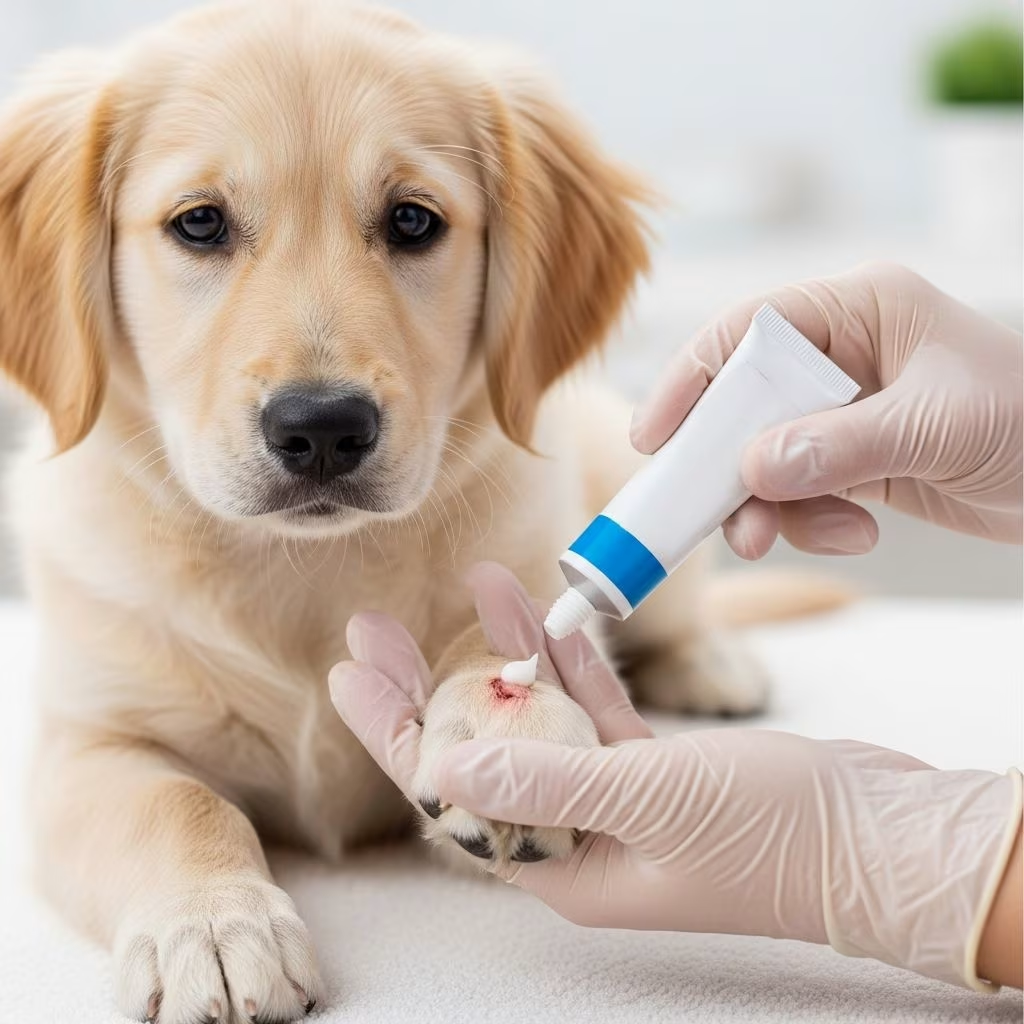
Understanding Bacitracin as a Canine Treatment
Pet owners frequently encounter situations where their dogs sustain minor wounds, cuts, or scrapes that require immediate attention. One of the most commonly recommended topical solutions is bacitracin ointment, a medication that has been used to promote healing and prevent infection in both humans and animals. Bacitracin functions as a bactericidal agent, meaning it actively kills bacteria rather than simply inhibiting their growth. The antibiotic works by interfering with bacterial cell membrane function and preventing the formation of essential peptidoglycan strands within bacterial cell walls. This dual mechanism of action makes it particularly effective for treating surface-level infections caused by gram-positive bacteria.
For canine patients, bacitracin represents an accessible and relatively safe option for minor wound management at home. However, understanding its proper use, limitations, and potential risks is essential before applying any medication to your dog’s skin. This comprehensive guide explores the practical applications of bacitracin for dogs, safety considerations, and guidance on when veterinary consultation becomes necessary.
Composition and How Bacitracin Works
Bacitracin exists as a combination of several antimicrobial compounds derived from naturally occurring bacterial strains, with bacitracin A being the primary active component found in commercial preparations. The effectiveness of this antibiotic depends on the presence of divalent cations, particularly zinc, which activates its bactericidal properties. This is why many commercial formulations include zinc as a key ingredient.
When bacitracin is applied to a wound, it establishes a protective barrier against bacterial invasion while simultaneously eliminating existing pathogens at the application site. The ointment base provides additional benefits by creating an occlusive environment that promotes moisture retention and facilitates the natural healing process. Unlike systemic antibiotics, which circulate throughout the body, bacitracin remains localized to the treated area, making it suitable for topical use with minimal systemic absorption.
Appropriate Uses for Dogs
Minor Wound Management
Bacitracin ointment is most appropriate for treating superficial injuries that affect the outer layers of skin. These injuries include minor cuts, small lacerations, scrapes, and abrasions that your dog may sustain during play, activity, or accidental contact with sharp objects. The ointment works best when applied to clean wounds that show no signs of deep tissue involvement or severe inflammation.
Preventative Applications
Beyond treating existing wounds, bacitracin can serve a preventative function by being applied to areas at risk of infection. This approach is particularly useful when a dog has sustained an injury but you want to minimize infection risk before a veterinary appointment. Applying bacitracin immediately after cleaning creates an inhospitable environment for bacterial colonization.
Post-Surgical Wound Care
Bacitracin has been recognized as safe and effective for treating bacterial infections in dogs, particularly following surgical procedures. Veterinarians may recommend bacitracin ointment as part of post-operative care to maintain wound sterility during the initial healing phase. Always follow your veterinarian’s specific instructions for post-surgical wound management, as they may recommend specific application schedules or frequency.
Step-by-Step Application Instructions
Proper application technique is essential for maximizing the therapeutic benefits of bacitracin while minimizing the risk of contamination or adverse effects. Follow these guidelines for safe and effective use:
- Wound Preparation: Before applying any medication, gently clean the affected area with mild soap and lukewarm water to remove dirt, debris, and dead tissue. Pat the area dry with a clean cloth or sterile gauze. Avoid using harsh scrubbing motions that could further damage the tissue or cause additional pain.
- Thin Layer Application: Apply a thin, even layer of bacitracin directly to the cleaned wound. A small amount is typically sufficient; excessive ointment does not improve healing and may trap bacteria beneath the layer.
- Contamination Prevention: Avoid allowing the ointment tube or applicator tip to contact your dog’s skin directly, as this can introduce bacteria into the product and compromise its sterility.
- Licking Prevention: Prevent your dog from licking the treated area for at least 20 minutes after application to allow the ointment to set and create its protective barrier. Consider using an Elizabethan collar or bandaging if your dog frequently licks the wound.
- Continued Monitoring: Observe the wound daily for signs of improvement or complications, including changes in redness, swelling, discharge, or odor.
Safety Profile and Considerations
General Safety
Bacitracin has been deemed safe for topical use on animals, with a well-established track record of efficacy in veterinary medicine. Unlike some other antibiotic components found in combination products, bacitracin itself carries minimal risk of systemic toxicity when applied topically, as it is not appreciably absorbed through the gastrointestinal tract. This characteristic makes it particularly suitable for use on dogs that may inadvertently ingest small amounts of the ointment.
Potential Adverse Reactions
While rare, some dogs may experience allergic reactions or sensitivities to bacitracin or the ointment base. Signs of allergic reaction include increased redness, swelling, itching, or the development of a rash at the application site. If you notice any of these signs, discontinue use and contact your veterinarian immediately. Additionally, ingestion of bacitracin can cause stomach upset in some dogs, making lick prevention important.
Combination Product Considerations
Many commercial products combine bacitracin with other antibiotics such as neomycin and polymyxin B. While bacitracin and polymyxin B are generally considered safe, neomycin has been associated with potential hearing loss, particularly with intravenous administration. It is recommended that you consult with your veterinarian before using products containing neomycin on your dog’s skin without professional guidance.
Situations When Bacitracin Is Not Appropriate
Bacitracin ointment is not suitable for all types of wounds or skin conditions. Understanding these limitations prevents improper use and potential complications:
- Corneal Ulcers: Products containing bacitracin combined with hydrocortisone steroids are not recommended for animals with corneal ulcers, as steroids can delay healing processes in the eye.
- Deep Wounds: Wounds that penetrate deeply into tissue layers or show signs of significant infection require professional veterinary evaluation and may need systemic antibiotics rather than topical treatment.
- Signs of Serious Infection: If a wound displays purulent discharge, extreme swelling, warmth, or systemic signs like fever or lethargy, professional medical intervention is necessary.
- Bite Wounds: Animal bites often become infected due to the contaminated nature of teeth and mouth bacteria. These typically require professional cleaning and possibly systemic antibiotics.
- Puncture Wounds: Puncture wounds can trap bacteria deep within tissue layers where topical ointments cannot reach, necessitating professional evaluation.
Preventing Antibiotic Resistance
When using any antibiotic product on your dog, understanding the importance of proper usage is critical for public health and your pet’s future treatment options. Antibiotic resistance occurs when bacteria evolve the ability to survive exposure to antibiotics that would normally kill them. Using antibiotics unnecessarily or discontinuing treatment prematurely accelerates this process, eventually making these medications ineffective for future infections.
To combat resistance development, continue using bacitracin ointment for the complete duration prescribed or recommended, even if the wound appears to be healing well. This ensures that all bacterial populations are eliminated rather than allowing resistant strains to survive and reproduce. Similarly, avoid using bacitracin for viral or fungal infections, where it provides no benefit and contributes to resistance development without therapeutic gain.
Comparison with Alternative Treatments
| Treatment Option | Primary Benefits | Limitations | Best Used For |
|---|---|---|---|
| Bacitracin Ointment | Safe, effective, prevents infection, inexpensive | Topical only, limited bacterial spectrum | Minor cuts and scrapes |
| Antibiotic Combination Products | Broader spectrum coverage, enhanced efficacy | Higher cost, potential neomycin concerns | Various skin infections |
| Veterinary Prescribed Treatments | Tailored to specific infection, professional oversight | Higher cost, requires veterinary visit | Serious or complicated infections |
| Antiseptic Rinses | Cleansing action, reduces bacterial load | Does not create protective barrier | Initial wound cleaning |
When to Seek Veterinary Care
While bacitracin ointment is appropriate for minor home wound care, certain situations warrant professional veterinary evaluation. Contact your veterinarian if your dog’s wound shows any of the following characteristics:
- Wounds that continue deteriorating despite treatment after 3-5 days
- Signs of infection including warmth, excessive redness, swelling, or discharge
- Wounds longer than half an inch that may require sutures
- Wounds on the face, near eyes, or in sensitive areas
- Puncture wounds or crush injuries
- Visible signs of allergic reaction to the ointment
- Any wound sustained in an unclean environment or from contaminated objects
Frequently Asked Questions
Can I use human bacitracin ointment on my dog?
Yes, human bacitracin ointment can generally be used on dogs for minor wounds. The formulation is typically the same between human and veterinary products. However, verify that the product contains only bacitracin without additional ingredients that might not be suitable for dogs, and consult your veterinarian if uncertain.
How often should I apply bacitracin to my dog’s wound?
Application frequency depends on the wound’s severity and your veterinarian’s recommendations. Typically, applying bacitracin once or twice daily is standard for minor wounds. Your veterinarian can provide specific guidance based on your dog’s injury and individual circumstances.
What should I do if my dog ingests bacitracin ointment?
Small amounts of bacitracin ingestion are unlikely to cause serious problems, though stomach upset may occur. Monitor your dog for signs of gastrointestinal distress such as vomiting or diarrhea. Contact your veterinarian or poison control if your dog consumes a large quantity or shows concerning symptoms.
Can bacitracin treat skin infections other than wounds?
Bacitracin can treat surface bacterial skin infections beyond traumatic wounds. However, other skin conditions may require different treatments. Consult your veterinarian to ensure bacitracin is appropriate for your dog’s specific skin condition.
How long can I safely use bacitracin on my dog?
For minor wounds, bacitracin can typically be used for 7-14 days, depending on the wound’s healing progress. If a wound shows no improvement after this period or worsens, professional evaluation becomes necessary.
Conclusion
Bacitracin ointment represents a practical and accessible first-line treatment for minor canine wounds when used appropriately. Its established safety profile, effectiveness against gram-positive bacteria, and minimal systemic absorption make it a reasonable choice for home wound management. However, recognizing the limitations of topical treatment and understanding when professional veterinary care is necessary ensures optimal outcomes for your dog’s health. By following proper application techniques, preventing antibiotic resistance through complete treatment courses, and seeking professional guidance when indicated, you can effectively support your dog’s wound healing while minimizing complications and contributing to the responsible use of antimicrobial medications.
References
- Neomycin / Polymyxin / Bacitracin with Hydrocortisone Eye Ointment — VetRxDirect. https://www.vetrxdirect.com/product/view/neomycin-polymyxin-bacitracin-triple-antibiotic-eye-ointment-hydrocortisone-dogs-and-cats-rx
- Can I put bacitracin on my dog’s cut? — Dial A Vet. https://www.dialavet.com/ask-a-vet/apply-bacitracin-dogs-wound-4923
- Neosporin for Dogs: Uses, Side Effects, and Alternatives — American Kennel Club. https://www.akc.org/expert-advice/health/neosporin-for-dogs/
- Bacitracins Use in Animals — Merck Veterinary Manual. https://www.merckvetmanual.com/pharmacology/antibacterial-agents/bacitracins-use-in-animals
- Neomycin Polymyxin B Bacitracin Topical — VCA Animal Hospitals. https://vcahospitals.com/know-your-pet/neomycin-polymyxin-b-bacitracin-topical
- How Do I Choose The Best Antibiotic Cream For Dogs — Pettable. https://pettable.com/blog/how-do-i-choose-the-best-antibiotic-cream-for-dogs



