

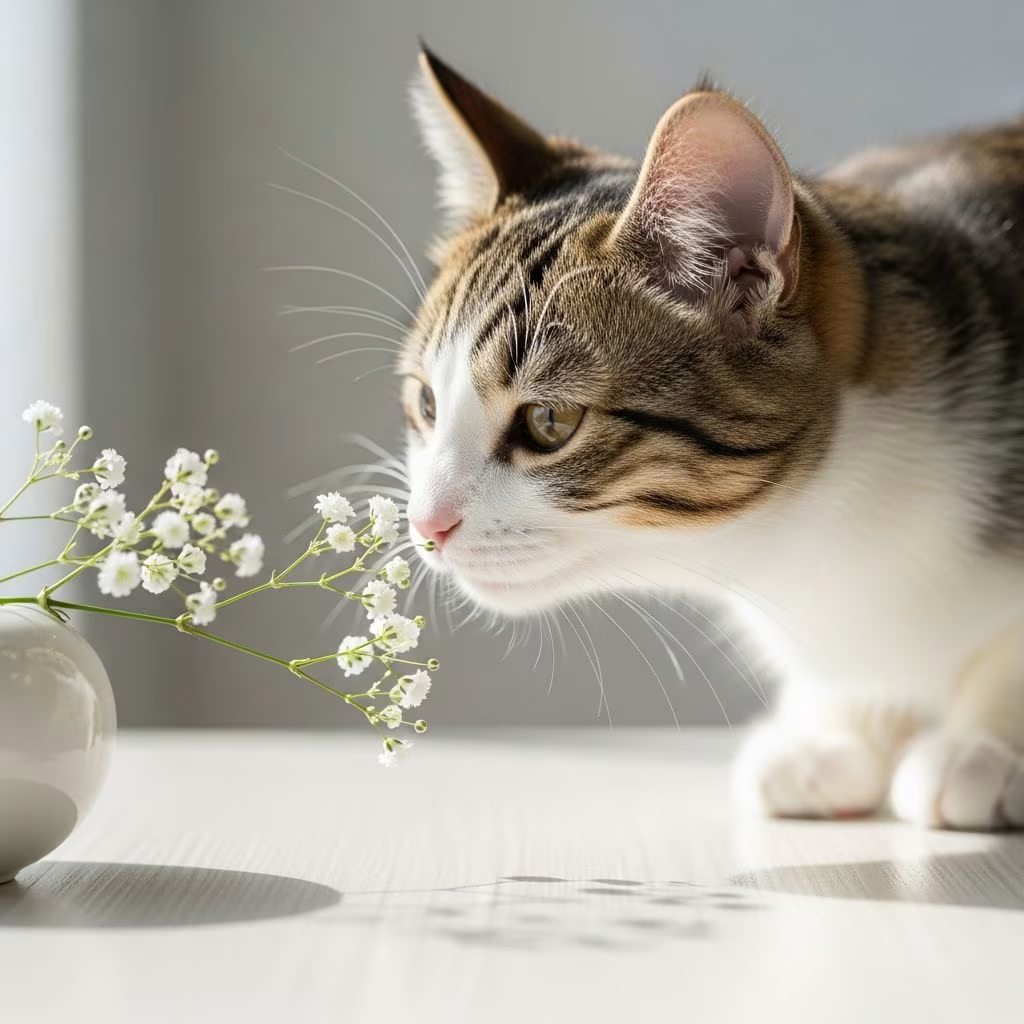
Many cat owners enjoy fresh flowers in their homes, but not all blooms are harmless to curious felines. Baby’s breath, with its delicate white clusters, often fills vases as a filler flower. While appealing, this plant from the Gypsophila genus carries mild risks for cats due to natural compounds that irritate the digestive system.
Understanding Baby’s Breath in Everyday Settings
Baby’s breath thrives in gardens and floral displays across North America, originally from Eurasia. Its airy blooms pair well with roses and other vivid flowers, making it a staple in bouquets. Cats, driven by instinct, may nibble on these accessible plants, sparking concerns about safety. Although prolific and sometimes considered invasive, its presence in homes raises valid questions for pet parents.
The Science Behind Its Mild Toxicity
Baby’s breath contains gyposenin, a saponin that disrupts feline digestion upon ingestion. This compound leads to gastrointestinal irritation rather than severe poisoning. Sources classify it as mildly toxic, meaning most cats experience temporary discomfort rather than life-threatening effects. Smaller or sensitive animals face higher risks from even modest amounts.
Recognizing Signs of Ingestion in Cats
Watch for these common reactions if your cat samples baby’s breath:
- Vomiting: Often the first response as the body expels the irritant.
- Diarrhea: Follows digestion, leading to loose stools.
- Lethargy: Cats may seem tired or withdrawn due to unease.
- Loss of Appetite: Disinterest in food accompanies stomach distress.
These symptoms typically appear soon after eating the plant and resolve as the material passes through. Dehydration poses the main secondary threat, especially in vulnerable cats.
Factors Influencing Severity in Felines
| Risk Factor | Impact on Cats |
|---|---|
| Kittens or Small Cats | Higher sensitivity; smaller size amplifies effects. |
| Elderly Cats | Weaker resilience increases dehydration risk. |
| Cats with Pre-Existing Conditions | Diabetes or GI issues worsen outcomes. |
| Large, Healthy Adults | Tolerate more with minimal symptoms. |
Individual health plays a key role. Robust adults often recover swiftly, while compromised cats need closer monitoring.
Immediate Steps After Suspected Exposure
Don’t induce vomiting without veterinary guidance, as it can complicate matters. Remove access to the plant and observe your cat. Offer fresh water to prevent dehydration. Most cases self-resolve within hours, but track symptom progression.
When to Contact a Veterinarian
Seek professional help if symptoms persist beyond 24 hours, intensify, or include severe lethargy, blood in vomit, or refusal to drink. Kittens, seniors, or those with chronic illnesses warrant prompt calls. Vets may recommend supportive care like fluids. Online services provide initial consultations for non-emergencies.
Preventing Floral Hazards for Cats
Proactive measures keep homes safe:
- Place arrangements out of reach, such as high shelves or closed rooms.
- Opt for pet-safe fillers like eucalyptus in small amounts or artificial alternatives.
- Garden strategically, avoiding baby’s breath near play areas.
- Educate household members on risks.
Creating pet-friendly bouquets involves selecting verified non-toxic options from reliable lists.
Comparing Baby’s Breath to Other Common Flowers
| Flower | Toxicity Level for Cats | Main Symptoms |
|---|---|---|
| Baby’s Breath | Mild | GI upset |
| Roses | Non-toxic (thorns only) | Minor irritation |
| Lilies | Severe | Kidney failure |
| Tulips | Moderate | Vomiting, heart issues |
Baby’s breath ranks low on the danger scale compared to deadly lilies, but vigilance remains essential.
Long-Term Home Plant Safety Strategies
Beyond baby’s breath, audit your environment for other risks. ASPCA lists guide safe choices. Indoor gardens with cat grass or spider plants offer safe nibbling alternatives. Regular pruning limits temptations.
Insights from Veterinary Toxicology Experts
Helplines like Pet Poison Helpline note frequent calls about floral ingestions, with baby’s breath causing mostly mild cases. Prognosis excels with early intervention. Owners report quick recoveries after simple management.
FAQs on Baby’s Breath and Feline Safety
Is baby’s breath fatal to cats?
No, it causes mild GI issues but rarely leads to death. Monitor closely.
How much baby’s breath is dangerous for a cat?
Even small amounts irritate; effects vary by cat size and health.
Can I keep baby’s breath in a cat household?
Yes, if elevated and supervised, but safer alternatives exist.
What if my cat ate baby’s breath hours ago?
Watch for delayed diarrhea; contact vet if concerned.
Are all Gypsophila species equally risky?
Yes, saponins in the genus pose similar mild threats.
Building a Safer Environment for Your Cat
Empowering cat owners with knowledge prevents mishaps. Routine checks and education foster harmony between pets and decor. Consult vets for personalized advice, ensuring joyful, healthy feline lives.
References
- Baby’s Breath – Toxic and Non-toxic Plants — ASPCA. Accessed 2026. https://www.aspca.org/pet-care/aspca-poison-control/toxic-and-non-toxic-plants/babys-breath
- Baby’s Breath — Pet Poison Helpline. Accessed 2026. https://www.petpoisonhelpline.com/poison/babys-breath/
- Is Baby’s Breath Bad For Cats — Gardening Know How. 2023-05-15. https://www.gardeningknowhow.com/ornamental/flowers/babys-breath/is-babys-breath-bad-for-cats.htm
- Poisonous Plants for Dogs and Cats — Westminster Veterinary Group. Accessed 2026. https://www.westminsterveterinarygroup.com/poisonous-plants-for-dogs-and-cats.html
- Is Baby’s Breath Toxic to Cats? — Catster. 2024-08-20. https://www.catster.com/cat-health-care/is-babys-breath-toxic-to-cats/



