

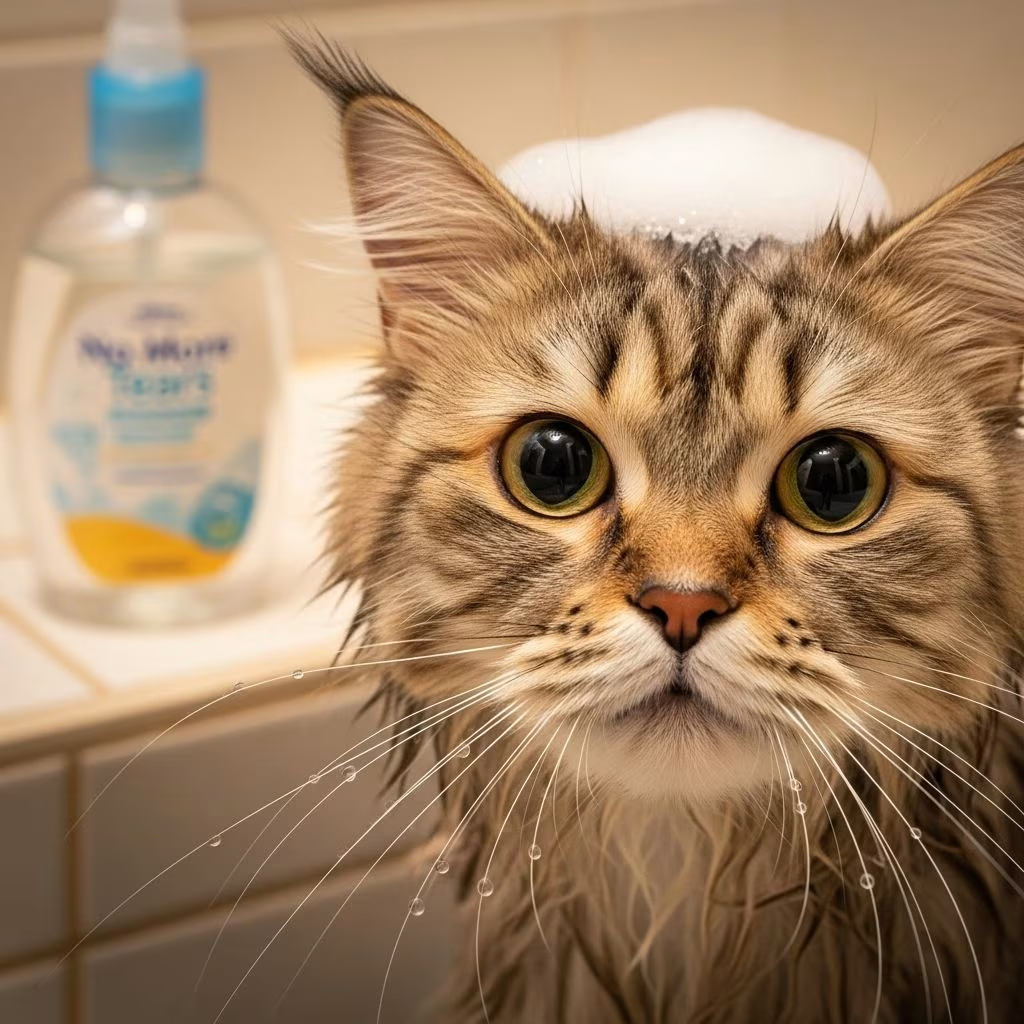
Pet owners frequently face the dilemma of what products are safe to use on their feline companions, especially when commercial cat shampoo isn’t readily available. One product that often comes to mind is baby shampoo, which many households have on hand. Understanding whether baby shampoo is appropriate for cats requires knowledge of feline skin chemistry, product formulation, and safer alternatives that won’t compromise your cat’s health.
Understanding Feline Skin pH and Sensitivity
The fundamental reason why regular adult human shampoo poses problems for cats lies in pH balance. Cats have significantly more acidic skin compared to humans, with a pH range between 6.5 and 7.5, while human skin maintains a pH of approximately 4.5 to 5.5. This difference means that products formulated for human skin can disrupt the natural acid mantle that protects feline skin from bacteria and irritants.
Baby shampoo occupies a middle ground in this spectrum. While it’s gentler than adult formulations due to its reduced concentration of surfactants and lack of harsh additives, it’s still formulated with human skin in mind rather than feline skin. The “no tears” formulation that makes baby shampoo gentle for infants’ eyes doesn’t necessarily translate to safety for cats’ entire dermal system.
Can You Use Baby Shampoo on Your Cat?
The short answer is that baby shampoo can be used on cats in genuine emergency situations, but it shouldn’t become a regular practice. If your cat has gotten into something particularly dirty or has a temporary grooming need and no cat shampoo is available, diluted baby shampoo represents one of the safer options among household products.
However, even emergency use requires caution. Some considerations include:
- Always dilute baby shampoo with water before application to reduce concentration
- Avoid getting any shampoo in your cat’s eyes, ears, or mouth
- Use minimal amounts and rinse thoroughly with lukewarm water
- Monitor your cat for any signs of skin irritation in the following days
- Never use baby shampoo containing fragrances, dyes, or other additives
The concern with regular use of baby shampoo stems from its potential to strip natural oils from your cat’s coat and disrupt skin pH balance. This can lead to dryness, flaking, itching, and increased susceptibility to skin infections. Some cats may develop allergic reactions to ingredients used in human formulations, resulting in excessive scratching and discomfort.
Why Cat Shampoo Is Specifically Formulated
Veterinary dermatologists and feline health experts recommend using products specifically designed for cats because these formulations account for feline skin characteristics. Cat shampoos are pH-balanced to match feline skin acidity, contain fewer harsh chemicals, and typically include ingredients that maintain coat health rather than compromise it.
Additionally, cat-specific products often incorporate ingredients beneficial for feline coat and skin health, such as oatmeal, chamomile, or aloe vera. These natural ingredients provide gentle cleansing while supporting the skin barrier and reducing inflammation.
Gentle Alternative Cleaning Methods
Powder-Based Dry Cleaning
When water-based baths aren’t necessary or your cat refuses traditional bathing, powder alternatives offer an effective solution. Baking soda acts as a natural deodorizer and can absorb oils and dirt from your cat’s fur without requiring water. Simply sprinkle a small amount directly onto your cat’s coat, massage it gently into the fur, allow it to sit for a few minutes, then brush thoroughly with a soft brush and wipe away remaining powder with a dry cloth.
Cornstarch provides similar benefits to baking soda and works through the same application method. Both powders are safe for cats and won’t cause chemical irritation, though you should avoid applying them near the face and ensure your cat doesn’t ingest excessive amounts during grooming.
Natural Soap Options
Castile soap, a naturally-derived vegetable-based soap traditionally made from olive oil, can be used on cats when properly diluted. For a typical cat bath, mix one part pure castile soap with several parts water to create a very gentle solution. Always verify that the castile soap you’re using contains no added fragrances, essential oils, or other irritating ingredients.
Some pet owners use coconut oil as both a cleaner and moisturizer for cats. When applied sparingly and brushed through the coat, coconut oil can help remove light dirt and provide conditioning benefits. However, use minimal amounts as excessive oil can make grooming difficult.
Mild Dish Soap Solutions
Dawn dish soap has gained recognition as a relatively safe option for pet bathing, primarily because of its use in wildlife rehabilitation to remove harmful oils from birds and marine mammals. This application demonstrates its gentle nature compared to other household cleaners. However, even Dawn should be used sparingly and not as a routine cleansing product. If you choose this option, dilute it substantially and use it only occasionally for emergency cleanings.
Creating Homemade Cat Shampoo
For cat owners who prefer making their own grooming products, several safe recipes exist that avoid harsh chemicals altogether.
Dry Shampoo Recipe
Mix equal parts baking soda and ground oatmeal, then store in a sealed container. Apply this mixture to your cat’s coat, massage gently, let sit briefly, and brush out thoroughly. This option works well for quick cleanings between baths.
Gentle Wet Shampoo Recipe
Combine one cup of finely ground oatmeal, half a cup of baking soda, and four cups of water. For optional added benefits, include one tablespoon of pure castile soap. Apply this mixture to your cat’s wet fur, massage gently for a few minutes, allow it to sit for approximately five minutes, then rinse thoroughly with lukewarm water. This recipe provides gentle cleansing without harsh chemicals.
Important Precautions for Homemade Solutions
When creating your own cat shampoo, avoid adding essential oils, fragrant herbs, or any ingredients not specifically verified as safe for feline use. Cats lack certain liver enzymes that help process compounds found in essential oils, making them potentially toxic. Additionally, avoid ingredients containing tea tree oil, eucalyptus, citrus extracts, or lavender, as these can cause adverse reactions in cats.
Commercial Natural Cat Shampoo Options
If you prefer purchasing pre-made products, several reputable brands offer natural cat shampoos formulated specifically for feline skin. These products typically feature ingredients like chamomile, honey, oatmeal, and aloe vera while excluding parabens, sulfates, and artificial dyes. Brands recognized in the natural pet grooming market provide options that balance effectiveness with safety.
When selecting a commercial product, examine the ingredient list carefully. Look for recognizable natural ingredients and avoid products with unnecessary fragrances or dyes. Some brands specifically market products for sensitive skin or allergy-prone cats, which can be particularly suitable if your feline has known sensitivities.
Best Practices for Bathing Your Cat
Regardless of which product you use, proper bathing technique protects your cat’s comfort and safety:
- Always perform a patch test on a small area of skin 24 hours before full application to check for allergic reactions
- Use lukewarm water, never hot, as excessive heat can stress your cat
- Gather all supplies before bathing to minimize bath time stress
- Speak softly and calmly throughout the process to reduce anxiety
- Protect ears and eyes by being careful during rinsing
- Dry your cat thoroughly afterward, as damp fur can lead to chilling or fungal issues
- Have treats available to create positive associations with bathing
Reducing the Need for Frequent Baths
Remember that cats are naturally self-grooming animals and typically require bathing far less frequently than dogs. Regular brushing represents the most effective way to maintain coat cleanliness and reduce the need for water baths. Daily or several-times-weekly brushing removes loose fur, prevents matting, and distributes natural oils throughout the coat.
For most healthy indoor cats, a full bath becomes necessary only when they’ve gotten into something particularly messy or have specific skin conditions requiring medicated baths. Spot cleaning with appropriate wipes or damp cloths can address minor soiling without subjecting your cat to a full bath.
When to Consult a Veterinarian
If your cat requires frequent bathing, develops skin irritation after using any cleaning product, or shows signs of allergic reactions such as excessive scratching, hair loss, or red patches, consult your veterinarian. Cats with skin conditions, allergies, or other health concerns may need specifically formulated medicated shampoos available only through veterinary channels.
Additionally, if your cat has just been treated for fleas or ticks or has any open wounds, discuss appropriate grooming products with your veterinarian before bathing.
Key Takeaways
While baby shampoo can serve as a one-time emergency solution for bathing your cat, it’s not ideal for regular use due to pH differences and formulations designed for human skin. Safer alternatives include specifically-formulated cat shampoos, natural options like castile soap or oatmeal-based recipes, and dry cleaning methods using baking soda or cornstarch.
The best approach to maintaining your cat’s coat health involves regular brushing, minimal bathing, and using products specifically designed with feline skin chemistry in mind. By understanding your cat’s grooming needs and choosing appropriate products, you’ll keep your feline companion clean, comfortable, and healthy for years to come.
References
- Safe Cat Shampoo Alternatives You May Already Have At Home — Greater Good. https://greatergood.com/blogs/news/cat-shampoo-alternative
- Cat Shampoo Alternatives: Natural Options for Your Feline — Desk Cat Nest. https://deskcatnest.com/blogs/blog/cat-shampoo-alternatives
- How To Wash A Cat Without Cat Shampoo — Cats.com. https://cats.com/how-to-wash-a-cat-without-cat-shampoo



