

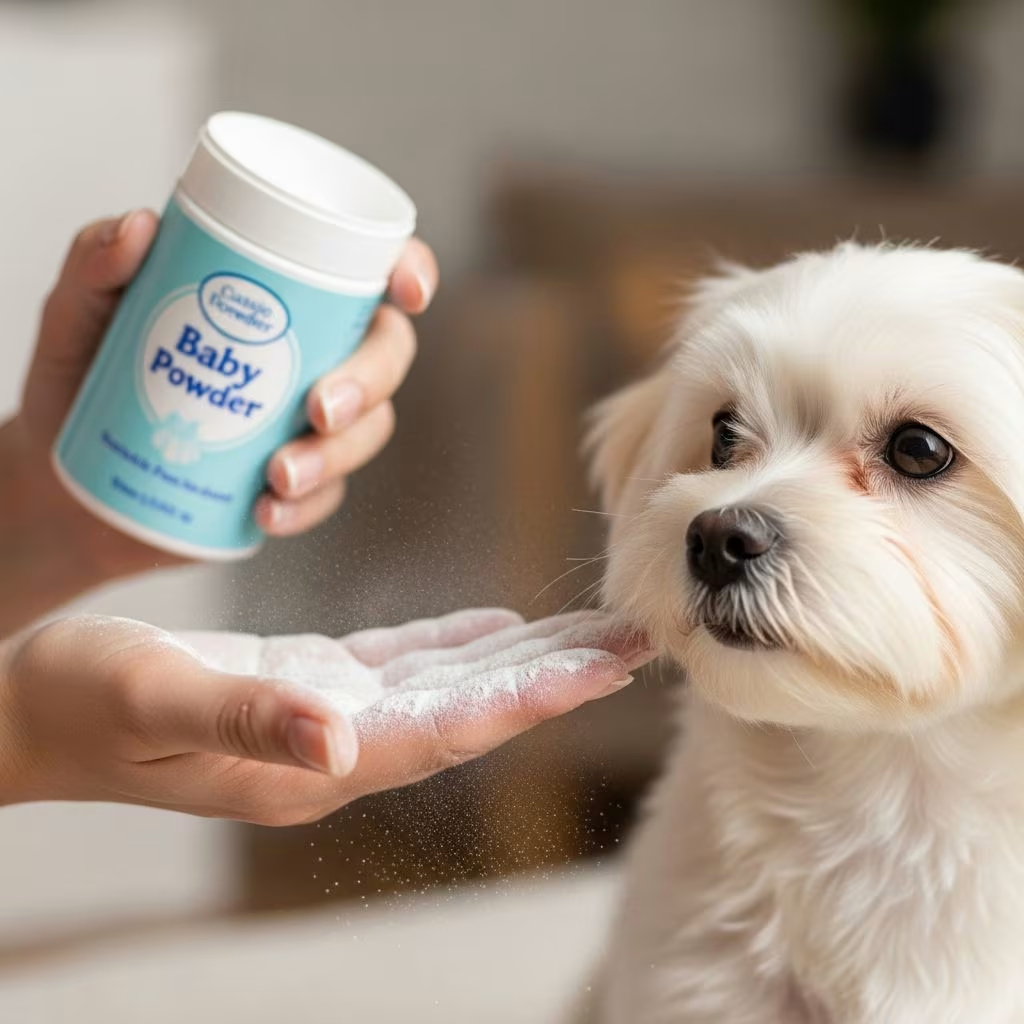
Many pet owners wonder about the safety of common household products when it comes to their furry companions. Baby powder is one such product that frequently raises questions among dog owners. Understanding whether this everyday item is appropriate for canine use requires examining its composition, historical context, and proper application methods. This guide provides comprehensive information to help you make informed decisions about your dog’s grooming routine.
What Is Baby Powder and How Does It Work?
Baby powder represents a category of cosmetic and personal hygiene products designed to absorb moisture and prevent skin irritation. These powders typically combine several ingredients to achieve their moisture-wicking properties. The formulation works by drawing dampness away from skin surfaces, creating a dry barrier that reduces friction and prevents chafing.
Traditional formulations relied heavily on talc as the primary active ingredient, combined with fragrance compounds and additional absorbent materials. Modern versions have evolved significantly, incorporating alternative ingredients to address safety concerns that emerged during the latter decades of the twentieth century. Understanding these compositional changes is essential for evaluating the product’s safety profile for both human and animal use.
The Historical Context: Why Baby Powder Generated Health Concerns
The relationship between baby powder and health risks became a significant public health issue during the 1970s when scientific research began linking talc exposure to serious medical conditions. These findings prompted extensive investigation into the safety of talc-containing products across multiple consumer segments.
The talc and asbestos connection: Talc, a naturally occurring mineral, frequently contains asbestos, another naturally occurring substance known for causing severe health complications. Asbestos exposure presents documented risks for respiratory disease, mesothelioma, and other serious conditions. When talc-containing products are used improperly, particularly through inhalation, particles can lodge in the respiratory system and potentially cause long-term damage.
Legal implications and corporate response: The legal consequences of talc-containing baby powder became substantial, with one major manufacturer facing over 6,600 lawsuits related to alleged cancer causation. These legal actions prompted industry-wide reformulation efforts. Manufacturers responded by developing talc-free alternatives and improving their ingredient selections to prioritize consumer safety.
Current health authority positions: Public health organizations acknowledge the potential risks associated with chronic talc exposure. However, regulatory bodies have noted that occasional contact with talc-containing products may not produce immediate, permanent health consequences. The distinction between short-term exposure and long-term chronic use remains crucial for risk assessment.
Is Baby Powder Safe for Dogs Today?
Contemporary baby powder formulations that exclude talc are generally considered safe for dogs when applied correctly. The reformulation of many commercial baby powders means that the acute toxicity concerns associated with older talc-based products have largely been addressed. However, safety depends on several critical factors:
- Product ingredient verification—confirming the absence of talc
- Proper application technique to prevent inhalation
- Appropriate use areas on the dog’s body
- Individual dog sensitivity and allergy considerations
- The specific formulation’s fragrance compounds and additives
Each dog possesses unique sensitivities and potential allergies. Some animals may react negatively to specific ingredients even though the product is generally safe for the species. Consulting with a veterinary professional before introducing baby powder into your dog’s grooming routine provides personalized guidance based on your pet’s health history and condition.
Understanding the Composition of Modern Baby Powders
Today’s baby powder products typically incorporate alternative moisture-absorbing ingredients that replace talc. These substitutes provide similar functionality without the associated health risks of talc or asbestos contamination.
Common alternative ingredients include:
- Cornstarch—a plant-based starch that effectively absorbs moisture
- Arrowroot powder—derived from the arrowroot plant with natural absorbent properties
- Rice powder—provides gentle moisture management
- Fragrance compounds—typically synthetic or essential oils for pleasant scent
- Additional botanical extracts—may include oat derivatives or other soothing agents
Reading product labels carefully enables you to identify the exact ingredients in your chosen baby powder. This verification step is essential for ensuring the product you select for your dog meets safety standards and contains no potentially problematic components.
Practical Guidelines for Applying Baby Powder to Your Dog
If you have determined that baby powder is appropriate for your dog and have consulted with your veterinarian, proper application technique becomes essential for maintaining safety.
Areas to avoid:
- Facial regions—sensitive facial skin may experience irritation
- Genital areas—delicate tissues warrant particular caution
- Eyes and ears—powder particles can cause discomfort and potential damage
- Respiratory proximity—avoid positioning where the dog might inhale particles
Proper application method: When applying baby powder to appropriate body areas, use a light hand and distribute the powder evenly throughout the coat. Gently brush or pat the powder into the fur, ensuring it absorbs fully into the coat rather than sitting on the surface. After several minutes, remove any remaining powder residue using a slightly dampened cloth or brush, ensuring no powder remains that the dog might lick or inhale.
Frequency considerations: Baby powder should represent an occasional grooming supplement rather than a regular application. Overuse may accumulate product residue on the skin and coat, potentially leading to irritation or other issues. Most dogs do not require frequent baby powder applications; occasional use addresses specific grooming concerns effectively.
Intended Uses for Canine Coat Care
Pet owners employ baby powder for several specific grooming and coat maintenance purposes when appropriate for their individual dogs.
Coat freshening: Baby powder provides a gentle mechanism for refreshing your dog’s coat between full bathing sessions. This temporary freshening effect can be particularly valuable after outdoor activities when a full bath may not be immediately practical.
Moisture management: Areas prone to excess moisture—such as skin folds or areas where fur density creates trapping conditions—may benefit from controlled powder application to absorb excess dampness.
Hot spot prevention: In dogs predisposed to hot spots or moisture-related skin irritation, judicious baby powder use may help maintain dryness in vulnerable areas.
Coat texture improvement: The absorbent properties of baby powder can help reduce excess skin oils that sometimes make coats appear dull or matted, temporarily enhancing coat appearance and manageability.
Natural and Alternative Options for Dog Grooming
Pet owners who prefer to avoid commercial baby powder entirely have access to several natural alternatives that provide comparable benefits for specific grooming applications.
Plant-based alternatives:
- Cornstarch—a kitchen staple that effectively absorbs moisture without additives
- Arrowroot starch—similar to cornstarch with potentially gentler properties
- Tapioca starch—another plant-based alternative with absorbent capabilities
- Oat flour—particularly beneficial for dogs with sensitive or irritated skin
- Baking soda—possesses deodorizing and mild absorbent properties
These natural alternatives can be applied using the same careful techniques required for commercial baby powder. They offer the advantage of minimal processing and ingredient transparency, appealing to owners who prioritize natural products for their pets. Some alternatives, particularly oat flour and baking soda, may provide additional benefits such as soothing irritated skin or deodorizing without fragrance components.
Addressing Common Misconceptions About Baby Powder and Flea Control
A persistent misconception exists among some pet owners regarding baby powder’s effectiveness against fleas and parasites. Scientific evidence does not support the claim that baby powder kills fleas or represents an effective flea control strategy.
While baby powder’s absorption of natural skin oils might theoretically make the coat environment less favorable for adult flea adhesion, this effect remains largely unproven and certainly does not constitute reliable parasite control. Additionally, flea larvae and pupae are unlikely to be affected by powder application.
Pet owners concerned about flea prevention and control should consult their veterinarians about evidence-based preventive medications and treatments specifically designed for parasite management. These professional recommendations will provide far superior protection compared to home remedies involving baby powder or similar household products.
Individual Variability and Allergic Responses
Dogs demonstrate significant individual variation in their sensitivity to various products and ingredients. A product considered safe for most dogs may provoke allergic reactions or sensitivity responses in specific animals.
Factors influencing individual responses include:
- Breed predisposition to certain allergies or sensitivities
- Pre-existing skin conditions or dermatological issues
- Age-related changes in skin reactivity
- Concurrent medications that may influence skin responses
- Genetic factors affecting immune and inflammatory responses
Signs of adverse reactions may include excessive scratching, redness, hives, facial swelling, or behavioral changes suggesting discomfort. Any concerning symptoms warrant immediate consultation with a veterinary professional. Monitoring your dog closely following the first application of any new product provides early detection of potential problems.
When to Consult Your Veterinarian
Veterinary consultation before introducing baby powder into your dog’s grooming regimen provides personalized safety assessment based on your specific dog’s health status, breed characteristics, and individual needs. Your veterinarian can:
- Evaluate your dog’s skin condition and suitability for powder application
- Recommend specific products or natural alternatives aligned with your dog’s needs
- Identify any contraindications based on your dog’s medical history
- Provide specific application guidance for your dog’s particular circumstances
- Monitor for any adverse effects during follow-up visits
Professional veterinary guidance is particularly important for puppies, senior dogs, dogs with pre-existing skin conditions, or those taking medications that might interact with grooming products.
Frequently Asked Questions About Baby Powder and Dogs
Q: Is talc-free baby powder completely safe for dogs?
A: Talc-free baby powder formulations are generally safe when applied correctly, but individual dogs may still experience sensitivities to specific ingredients. Always verify ingredients and consult your veterinarian.
Q: Can baby powder treat skin infections or fungal issues?
A: Baby powder is not a treatment for infections or medical skin conditions. Dogs with suspected skin infections require veterinary diagnosis and appropriate medical treatment.
Q: How often can I apply baby powder to my dog?
A: Baby powder should be an occasional grooming product, not a regular treatment. Most dogs benefit from infrequent applications addressing specific grooming needs.
Q: What should I do if my dog ingests baby powder?
A: Contact your veterinarian or poison control immediately. While modern baby powders are less toxic than historical formulations, ingestion still warrants professional evaluation.
Q: Are scented or unscented baby powders better for dogs?
A: Unscented options eliminate fragrance exposure, which some dogs may find irritating. Fragrance-sensitive dogs may benefit from unscented alternatives or natural products like plain cornstarch.
Conclusion: Making Informed Decisions About Baby Powder for Your Dog
Baby powder can represent a safe grooming option for dogs when formulated without talc, applied correctly, and introduced thoughtfully. Modern reformulations have addressed historical safety concerns that made earlier products problematic. However, safety depends entirely on proper use, individual dog considerations, and veterinary guidance.
Pet owners should verify product ingredients, avoid application near sensitive areas, prevent inhalation, and monitor their dogs for any adverse reactions. Natural alternatives provide viable options for those preferring to avoid commercial products. Most importantly, consulting with your veterinarian before introducing baby powder ensures that your grooming choices support your dog’s health and wellbeing.
References
- Talc, Asbestos, and Cancer Risk — National Cancer Institute. 2024. https://www.cancer.gov/about-cancer/causes-prevention/risk/substances/talc
- Talc Exposure and Health Effects — Centers for Disease Control and Prevention. 2024. https://www.cdc.gov/niosh/topics/talc/
- Asbestos: Health Effects and Exposure — Occupational Safety and Health Administration (OSHA). 2024. https://www.osha.gov/asbestos
- Dog Skin Care and Grooming Safety — American Kennel Club. 2023. https://www.akc.org/
- Pet Allergies and Sensitivities: Diagnosis and Management — American Veterinary Medical Association. 2024. https://www.avma.org/



