
Baby Budgie & Budgie Balanced Food Guide
Complete nutrition guide for baby budgies and adult parakeets with balanced diet recommendations.
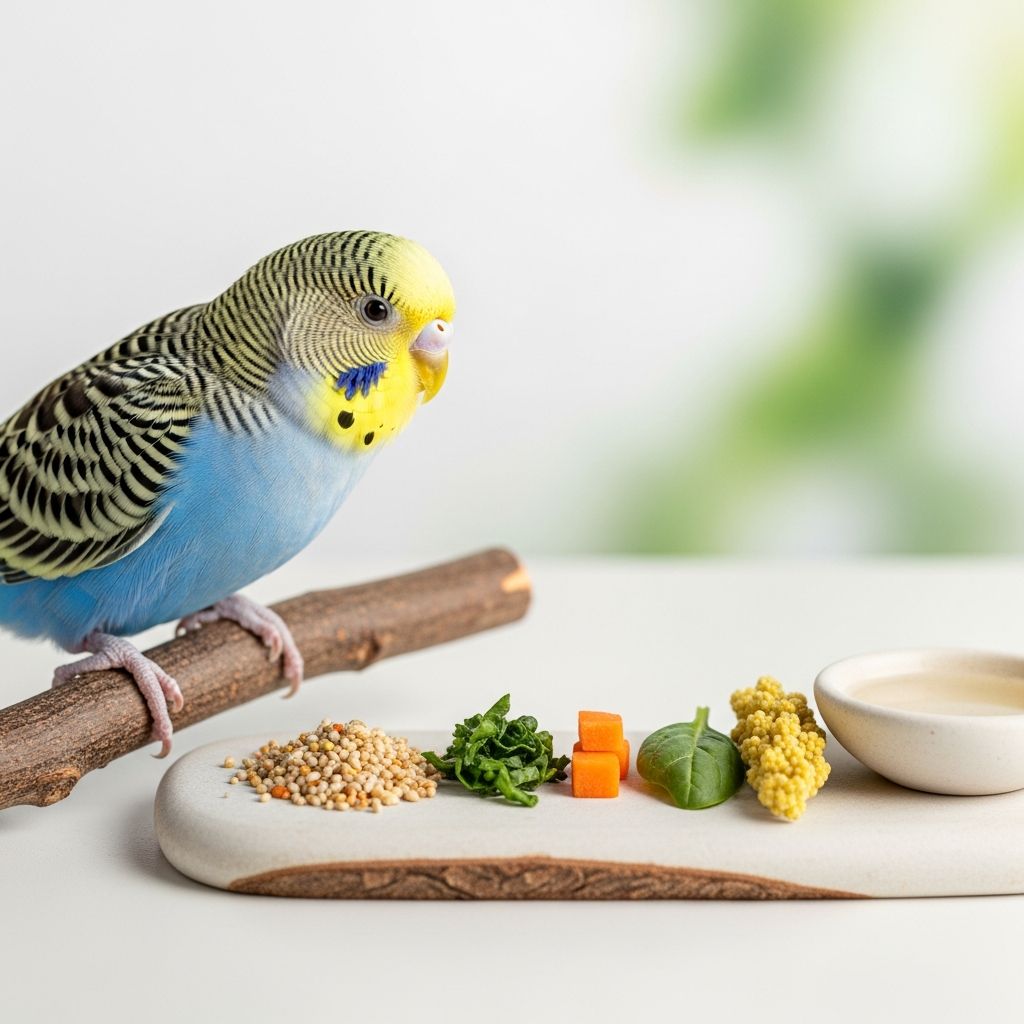
Understanding Baby Budgie and Budgie Balanced Food Nutrition
Providing proper nutrition is one of the most critical aspects of budgie care, whether you’re raising a baby budgie or maintaining the health of an adult parakeet. The foundation of a healthy budgie begins with understanding what constitutes a balanced diet and how nutritional needs may differ between young and mature birds. A well-nourished budgie will exhibit vibrant feathering, maintain optimal energy levels, and develop strong bones and organs essential for a long and healthy life.
The nutritional requirements for budgies are quite specific, as these small parrots have unique metabolic needs. Unlike some bird species, budgies cannot synthesize certain essential nutrients on their own, making a carefully planned diet absolutely necessary. The challenge for many budgie owners is finding the right balance between offering variety and ensuring complete nutritional coverage without overfeeding or introducing foods that may be harmful.
The Foundation of Budgie Nutrition: Pelleted Foods
Pelleted foods serve as the cornerstone of a healthy budgie diet. These specially formulated foods are created to provide comprehensive nutrition in a convenient, easy-to-serve format. Unlike seed-only diets, which are deficient in many essential vitamins and minerals, high-quality pellets are nutritionally complete and balanced. Pellets typically contain a mixture of grains, seeds, vegetables, fruits, and added vitamins and minerals that work together to meet all of your budgie’s dietary requirements.
The best pelleted foods for budgies incorporate seeds with healthy pellets, fruits, and vegetables, along with essential fatty acids and chelated minerals that support overall health. When selecting a pelleted diet, look for options that have been specifically formulated for parakeets or budgies, as these will have the appropriate nutrient ratios and calorie content for birds of this size. Products formulated using lower heat and pressure processing methods help preserve vital nutrients that might otherwise be lost during manufacturing.
Many budgie owners find that their birds transition more readily to pelleted diets when offered in appealing formats such as nutri-berries or avi-cakes, which combine pellets with whole seeds and dried fruits in attractive ball or cake shapes. These products make the transition from a seed-based diet more palatable while maintaining nutritional completeness.
Fresh Foods and Vegetables for Balanced Nutrition
While pelleted foods provide the nutritional foundation, fresh foods and vegetables add essential variety and supplemental nutrients to your budgie’s diet. Fresh produce offers vitamins, minerals, and phytonutrients that support immune function, feather quality, and overall vitality. However, introducing fresh foods requires patience and persistence, as budgies can be selective eaters and may initially reject unfamiliar items.
Budgies typically enjoy a wide range of vegetables including leafy greens like spinach and cilantro, as well as carrots, broccoli, and other colorful produce. The key to success in offering fresh foods is consistent, repeated exposure. It can take multiple offerings before a budgie accepts a new food item. Some birds prefer certain vegetables over others, and these preferences can vary significantly between individual birds. Rather than becoming discouraged when your budgie initially refuses a new vegetable, continue offering it regularly alongside familiar favorites.
Fresh fruits can also be included in a budgie’s diet, though they should be offered in moderation due to their natural sugar content. Fruits like apples, berries, and melons provide additional vitamins and can serve as enrichment treats. When offering fresh foods, ensure they are thoroughly washed to remove any pesticides or contaminants, and remove any uneaten portions after a few hours to prevent bacterial growth.
Seeds and Nuts: Strategic Inclusions
While seeds are often overemphasized in traditional budgie diets, they do have a place in a balanced nutritional plan. Seeds are energy-dense and provide fat-soluble vitamins and essential fatty acids. However, seeds alone are nutritionally incomplete and should never constitute the entire diet. A balanced approach includes seeds as part of a varied diet rather than the primary food source.
High-quality seed mixtures specifically formulated for budgies can provide variety and enrichment. These mixtures typically contain a combination of millet, canary seed, sunflower seeds, and safflower seeds in appropriate proportions. Some budgies show strong preferences for certain seeds, such as millet, which can be used strategically to encourage acceptance of other dietary components or as occasional treats.
Nuts should be offered sparingly due to their high fat content, though they can provide nutritional benefits and enrichment opportunities. Suitable options for budgies include small quantities of unsalted almonds, walnuts, or hazelnuts, which should be offered as occasional treats rather than dietary staples.
Creating a Balanced Diet Plan
The ideal budgie diet maintains a balanced proportion of different food components. A practical approach involves dividing the daily diet into approximate thirds: one-third pelleted food, one-third fresh vegetables, and one-third seeds or other supplemental foods. This ratio ensures that pelleted foods provide the nutritional foundation while allowing for variety and enrichment through seeds and fresh produce.
For baby budgies, nutritional requirements may be slightly different from adult birds, particularly during periods of rapid growth and feather development. Young budgies benefit from slightly higher protein content to support muscle and feather development. Ensure that any diet offered to baby budgies includes appropriate pellet sizes designed for small parakeets and that fresh foods are offered in manageable portions appropriate for their smaller beaks.
The transition to a balanced diet should be gradual, particularly if your budgie has been accustomed to a seed-only diet. Introduce new foods slowly while maintaining familiar items, gradually increasing the proportion of pellets and fresh foods over several weeks. This gradual approach reduces stress and increases the likelihood of successful dietary transition.
Nutritional Requirements and Ingredient Quality
Understanding the specific nutritional requirements for budgies helps in evaluating food options. A quality budgie diet should include adequate protein for muscle maintenance and feather growth, typically ranging from 12% to 16% crude protein content. Fat content should be moderate, around 5% to 8%, to support energy and fat-soluble vitamin absorption without promoting obesity. Crude fiber should be present but not excessive, typically below 3% to 4%, ensuring digestive health without compromising nutrient absorption.
Chelated minerals in budgie foods indicate that minerals are in forms more readily absorbed by the bird’s digestive system compared to non-chelated forms. Essential omega-3 and omega-6 fatty acids support feather quality, immune function, and cognitive development. Look for foods that include these in appropriate ratios, typically with slightly higher omega-6 compared to omega-3, as this ratio supports optimal health in parakeets.
Moisture content in pelleted foods should be kept relatively low, ideally below 10.5%, to prevent mold growth and maintain product quality and shelf stability. Higher moisture content can compromise nutritional value and increase the risk of contamination.
Addressing Selective Eating and Food Preferences
Many budgie owners encounter challenges when their birds show strong preferences for specific foods while rejecting others. This selective eating is common among budgies and can be addressed through strategic feeding practices. If your budgie consumes primarily millet or other preferred seeds, gradually reduce the availability of these items while simultaneously increasing the proportion of pelleted foods and fresh vegetables.
Environmental factors can also influence eating behavior. Seasonal changes, including monsoon conditions or other climate variations, can affect your budgie’s appetite and food preferences. During such periods, continue offering a variety of foods without becoming discouraged by temporary reduced consumption. Ensure that your budgie has access to fresh water at all times, as hydration is critical for digestive function and overall health.
Offer new foods consistently, even if they are initially rejected. It can take 15 to 20 exposures before some budgies accept unfamiliar foods. Presenting foods alongside already-accepted items can increase acceptance rates. Additionally, observe whether your budgie might respond better to certain food presentations, such as vegetables offered whole rather than chopped, or pellets mixed with preferred seeds.
Dietary Diversity and Long-Term Health
The investment in transitioning your budgie to a more diverse, balanced diet pays significant dividends in terms of long-term health outcomes. Budgies consuming primarily seed-based diets face increased risks of obesity, fatty liver disease, malnutrition, and various deficiency-related health issues. In contrast, budgies consuming well-balanced diets with adequate pellets and fresh foods typically exhibit stronger immune systems, better feather quality, more stable energy levels, and longer lifespans.
Variety in the diet also provides psychological enrichment, as different foods offer different textures, flavors, and sensory experiences. This enrichment can reduce boredom-related behaviors and contribute to better overall psychological well-being. Additionally, offering a varied diet ensures that if one component becomes unavailable, your budgie has already developed a taste for alternative options.
Regular assessment of your budgie’s diet and body condition helps ensure optimal nutrition. A healthy budgie should maintain a lean body shape with no visible protruding bones but with a palpable keel bone. Eyes should be bright and alert, feathers should be smooth and vibrant, and overall activity levels should be appropriate for the bird’s age and temperament.
Water and Hydration Considerations
While often overlooked, access to clean, fresh water is as critical as food for budgie health. Budgies should have access to water at all times, with water changed daily or more frequently if it becomes soiled. Some budgies prefer water in certain styles of dishes or drinkers, so observe your bird’s preferences and ensure easy access. Dehydration can lead to serious health issues, particularly in birds transitioning to diets with higher fresh food content.
The water used for fresh produce should be clean and free of chlorine if possible, though most municipal water supplies are safe for budgies. Some owners prefer offering water in multiple locations or styles to encourage adequate intake, particularly during warmer months when dehydration risk increases.
Frequently Asked Questions About Budgie Nutrition
Q: Can my budgie survive on pellets alone without fresh foods?
A: While high-quality pellets are nutritionally complete, incorporating fresh foods provides psychological enrichment, additional phytonutrients, and variety that contribute to overall well-being. However, if your budgie refuses fresh foods despite persistent offering, a complete pelleted diet is preferable to a seed-based diet.
Q: How long does it take for a budgie to accept a new food?
A: Acceptance timelines vary significantly among individual birds. Some budgies accept new foods within days, while others may require 15-20 exposures over several weeks. Consistency and patience are key to successful dietary diversification.
Q: What proportion of my budgie’s diet should be seeds?
A: Seeds should comprise approximately one-third of the daily diet or less. The primary component should be pelleted food, with fresh vegetables making up another substantial portion. This ratio ensures nutritional completeness while allowing for enrichment through seeds.
Q: Are there any foods I should avoid feeding my budgie?
A: Yes, budgies should never consume avocado, chocolate, salt, caffeine, or foods containing xylitol, as these are toxic. Additionally, avoid foods with high pesticide residues and ensure all fresh foods are thoroughly washed before offering.
Q: How do I transition my budgie from a seed-based to a balanced diet?
A: Begin by mixing small amounts of high-quality pellets with your budgie’s regular seed mixture, gradually increasing the pellet proportion over several weeks. Simultaneously introduce fresh vegetables in small amounts. This gradual approach reduces stress and increases acceptance rates.
Q: Should baby budgies have different nutritional requirements than adults?
A: Baby budgies have slightly higher protein requirements for feather and muscle development. Ensure they have access to appropriately sized food pieces and consider offering pellets specifically formulated for young parakeets during the growth phase.
Conclusion: Investing in Your Budgie’s Health
Providing a balanced, nutritionally complete diet is one of the most important investments you can make in your budgie’s health and longevity. By combining high-quality pelleted foods with fresh vegetables and strategic inclusion of seeds, you create a dietary foundation that supports physical health, psychological well-being, and vibrant vitality. The transition to a balanced diet may require patience and persistence, but the rewards in terms of improved health, behavior, and lifespan are well worth the effort.
Remember that every budgie is an individual with unique preferences and requirements. What works perfectly for one bird may need adjustment for another. Stay observant of your bird’s condition, remain patient with dietary transitions, and don’t hesitate to consult with an avian veterinarian if you have specific health or nutritional concerns. With commitment to proper nutrition, your budgie can thrive for many years to come.
References
- Budgie diet recommendations — Lafeber® Pet Birds. 2024. https://lafeber.com/pet-birds/questions/budgie-diet-2/
- Feeding budgies nutritional guidelines — Lafeber® Pet Birds. 2024. https://lafeber.com/pet-birds/questions/feeding-budgies/
- Pet Budgie and Parakeet Food Nutrition — Lafeber Company. 2024. https://lafeber.com/pet-food/bird-species/parakeet/
- Avian nutrition and pelleted food formulation — Parrot Forum. 2021. https://www.parrotforums.com/threads/thoughts-on-lafeber-pellet-food.92143/
- Bird diet and nutrition planning — Avian Avenue Forums. 2024. https://forums.avianavenue.com/index.php?threads/food-diet-plan-help-what-to-feed-my-birds.295343/
Similar Articles








Read full bio of Sneha Tete


