

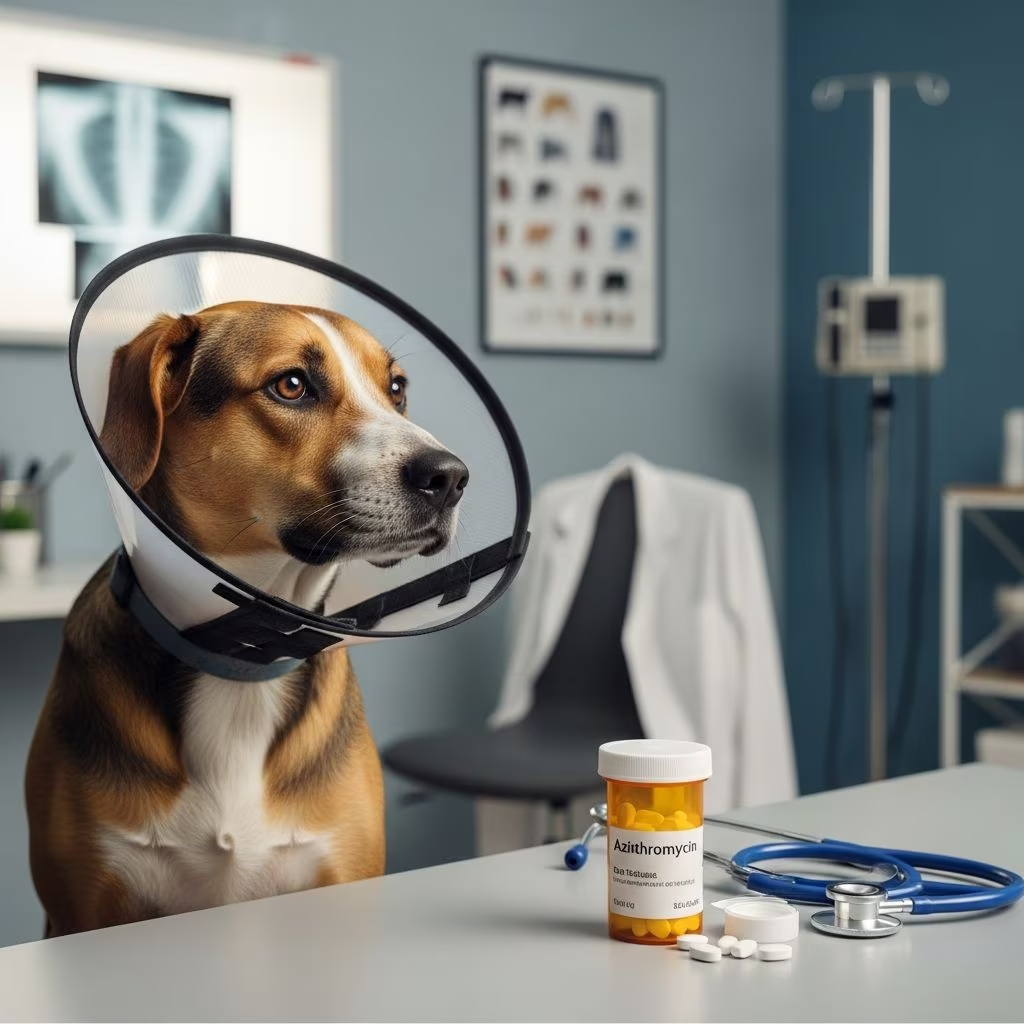
Kennel cough, a prevalent respiratory ailment in dogs, often responds well to azithromycin, an antibiotic that combats bacterial components of the infection. This guide details its application, benefits, and supportive care measures.
Understanding Kennel Cough: A Common Canine Respiratory Issue
Kennel cough, clinically termed canine infectious tracheobronchitis, affects the upper airways of dogs, leading to inflammation from bacterial and viral invaders. Primarily triggered by Bordetella bronchiseptica bacteria alongside canine parainfluenza virus, it proliferates in crowded settings like boarding facilities or dog parks. The condition irritates the trachea and bronchi, resulting in a distinctive hacking sound, but most cases resolve without lasting harm in healthy adult dogs.
Transmission occurs rapidly via airborne droplets from coughing dogs, direct contact, or shared items such as bowls and toys. Puppies, seniors, and immunocompromised pets face elevated risks of complications like pneumonia. Early recognition enables timely intervention with medications like azithromycin.
Recognizing the Signs of Kennel Cough
The hallmark symptom is a persistent, dry, honking cough resembling a goose call, often exacerbated by excitement or exercise. Dogs typically remain active and eat normally, distinguishing it from graver illnesses.
- Primary indicators: Non-productive cough, retching post-cough, nasal discharge.
- Secondary signs: Mild fever, lethargy, eye discharge, sneezing.
Monitor for progression: worsening cough, appetite loss, or breathing difficulties signal veterinary consultation. Brachycephalic breeds (e.g., Bulldogs, Pugs) may exhibit intensified symptoms due to airway constraints.
The Role of Azithromycin in Treatment
Azithromycin, a macrolide antibiotic, excels against Bordetella and secondary bacteria by inhibiting protein synthesis in pathogens. Its extended half-life permits once-daily dosing, enhancing owner compliance. Vets prescribe it when bacterial involvement is suspected, especially if symptoms linger beyond 7-10 days or complications arise.
Unlike broad-spectrum antibiotics, azithromycin targets respiratory pathogens effectively with fewer gastrointestinal side effects. It proves invaluable in multi-pathogen cases common to kennel cough.
Administering Azithromycin: Dosage and Protocols
Veterinarians tailor dosages by weight, typically 5-10 mg/kg orally once daily for 3-5 days. For a 20 kg dog, this equates to 100-200 mg daily. Liquid suspensions suit finicky eaters; tablets can be hidden in food.
| Dog Weight (kg) | Typical Dose (mg/day) | Duration |
|---|---|---|
| 5-10 | 25-100 | 3-5 days |
| 10-20 | 50-200 | 3-5 days |
| 20-40 | 100-400 | 3-5 days |
Complete the course to avert resistance. Combine with cough suppressants, humidifiers, and rest for optimal results.
Supportive Care to Aid Recovery
Beyond antibiotics, home strategies accelerate healing. Isolate the dog to curb spread, maintaining a stress-free, humid environment.
- Ensure ample fresh water and palatable food.
- Use harnesses instead of collars to minimize tracheal pressure.
- Employ vaporizers or steamy bathroom sessions for airway moisture.
- Avoid smoke, dust, and exertion.
Most recover in 1-3 weeks; persistent symptoms warrant re-evaluation.
Potential Side Effects and Precautions
Azithromycin is well-tolerated, but watch for vomiting, diarrhea, or appetite loss. Rare allergic reactions manifest as facial swelling or hives—seek emergency care. Contraindicated in dogs with macrolide hypersensitivity or severe liver issues. Inform vets of concurrent medications to avoid interactions.
Prevention Strategies: Vaccines and Best Practices
Vaccination against Bordetella (intranasal or injectable) is crucial for at-risk dogs, effective 72 hours post-administration with boosters yearly. Core vaccines mitigate viral contributors like parainfluenza.
- Limit exposure in high-density areas until fully vaccinated.
- Practice hygiene: disinfect shared items, wash hands post-contact.
- Boost immunity via balanced diet, exercise, and stress reduction.
Quarantine new or symptomatic dogs for 2 weeks.
When to Escalate Care
Seek immediate veterinary aid if coughing impedes breathing, produces blood/foam, or accompanies high fever (>103°F), dehydration, or collapse. Diagnostics like X-rays or swabs rule out pneumonia or distemper.
FAQs on Azithromycin and Kennel Cough
Q: Is kennel cough contagious to humans?
A: No, it affects only canines.
Q: Can azithromycin cure viral kennel cough?
A: It addresses bacterial elements; viruses self-resolve.
Q: How long until improvement post-azithromycin?
A: Cough lessens in 48-72 hours; full recovery in 1-2 weeks.
Q: Is Bordetella vaccine 100% preventive?
A: No, it reduces severity; multi-pathogen nature limits full protection.
Q: Home remedies alone suffice?
A: Mild cases yes, but antibiotics aid bacterial infections.
Long-Term Management for Recurrent Cases
Dogs prone to relapse benefit from immune supplements (e.g., probiotics, omega-3s) and routine health checks. Track vaccination status and minimize high-risk exposures.
References
- Kennel Cough Causes, Symptoms & Treatment — Trudell Animal Health. 2023. https://trudellanimalhealth.com/blogs/blog/kennel-cough-causes-symptoms-amp-treatment
- Six Things to Know About Kennel Cough in Dogs — MedVet. 2023. https://www.medvet.com/six-things-to-know-about-kennel-cough-and-your-pet/
- Kennel Cough in Dogs: Symptoms, Causes, and Treatment — PetMD. 2024. https://www.petmd.com/dog/conditions/respiratory/kennel-cough-dogs-what-are-symptoms-and-how-kennel-cough-treated
- Kennel Cough in Dogs: Causes, Symptoms & Treatment — Shoreland Animal Hospital. 2022-10-15. https://www.shorelandanimalhospital.com/site/blog/2022/10/15/kennel-cough-dogs
- What to Know About Kennel Cough in Dogs — American Kennel Club (AKC). 2024. https://www.akc.org/expert-advice/health/kennel-cough-in-dogs/
- Signs of Kennel Cough in Dogs — Pacific Santa Cruz Vet. 2022-06-15. https://www.pacificsantacruzvet.com/site/blog/2022/06/15/dog-kennel-cough
- Kennel Cough in Dogs — Blue Cross. 2024. https://www.bluecross.org.uk/advice/dog/health-and-injuries/kennel-cough



