

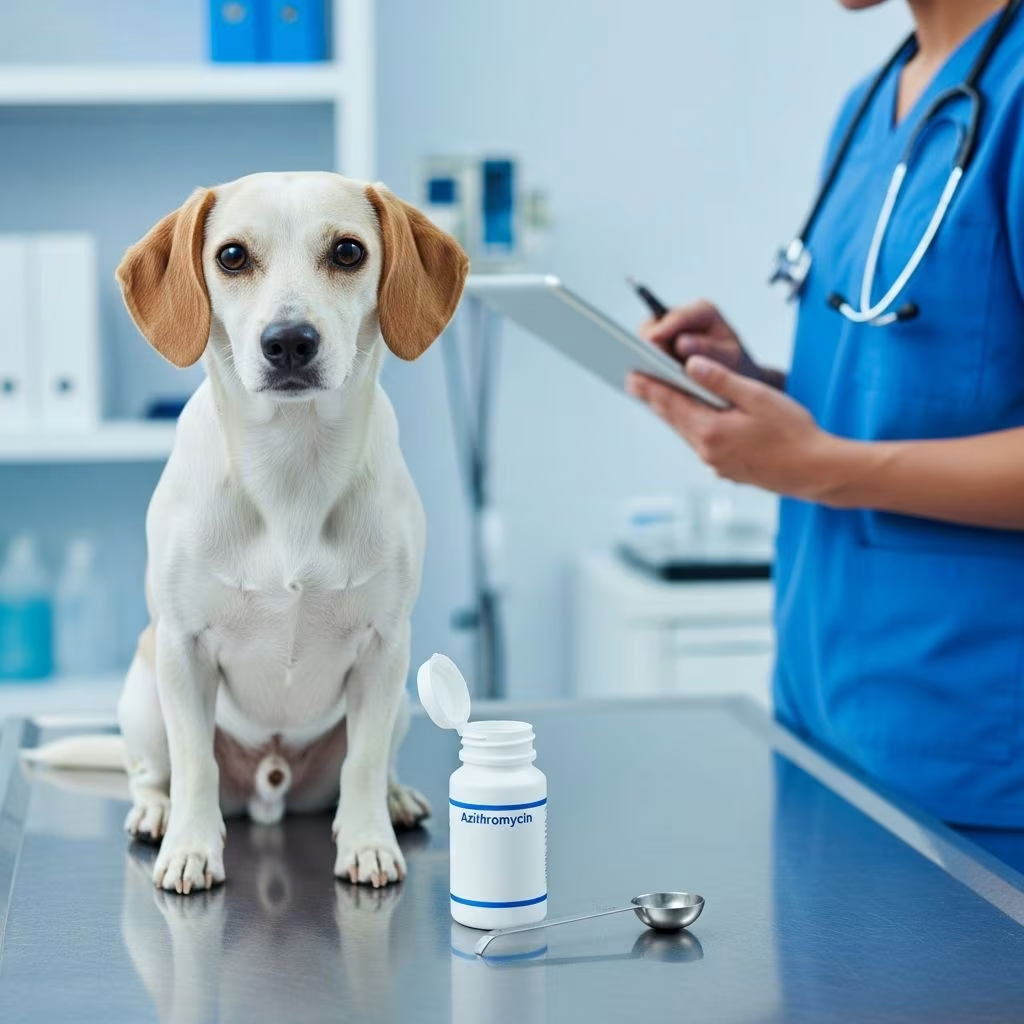
Azithromycin for Pets: A Comprehensive Guide
Azithromycin is a broad-spectrum antibiotic that plays an important role in veterinary medicine for treating various infections in companion animals and other species. This macrolide antibiotic is effective against bacterial, rickettsial, and parasitic infections, making it a versatile option for veterinarians treating a wide range of conditions. Understanding how azithromycin works, proper dosing protocols, and potential side effects can help pet owners ensure their animals receive appropriate treatment and care.
What is Azithromycin?
Azithromycin is a macrolide antibiotic that works by inhibiting bacterial protein synthesis, effectively stopping the growth and spread of susceptible microorganisms. The medication has been used in human medicine for decades and has proven effective in veterinary practice as well. It belongs to a class of antibiotics known for their broad spectrum of activity against various gram-positive and gram-negative bacteria, as well as certain parasites and rickettsial organisms.
Uses of Azithromycin in Different Pets
Azithromycin is utilized across multiple species in veterinary medicine, with different applications depending on the animal type and the condition being treated.
Dogs
In dogs, azithromycin is used off-label to treat cryptosporidiosis, a parasitic infection of the gastrointestinal tract. Additionally, when combined with atovaquone, it effectively treats babesia, a blood parasite that can cause serious illness in dogs. The medication is also employed for various bacterial infections where susceptible organisms are present.
Cats
Cats benefit from azithromycin treatment for several conditions. It is commonly used off-label to address upper respiratory infections, which are prevalent in feline populations. Azithromycin is also effective against bartonellosis (cat scratch disease), cryptosporidiosis, and toxoplasmosis. In severe cases of cytauxzoonosis, a life-threatening parasitic infection, azithromycin is combined with atovaquone to provide necessary therapeutic intervention.
Other Animals
The antibiotic is utilized in horses, cattle, rabbits, guinea pigs, and various bird species for treating specific infections. Each species requires tailored dosing and duration based on the particular condition and the animal’s physiology.
Azithromycin Dosage Guidelines
Proper dosing is critical for effective treatment and to minimize the risk of adverse effects. Dosage varies significantly depending on the species being treated, the specific condition, and individual patient factors.
Dogs
The standard azithromycin dosage for dogs is 5–10 mg/kg administered once daily for 3–7 days. However, dosing can vary based on the specific infection being treated. For skin infections, a higher dose of 10 mg/kg once daily for 3 days may be administered, with the treatment repeating weekly until the infection resolves. For babesia infections treated in combination with atovaquone, the recommended dose is 10 mg/kg once per day along with atovaquone at 13.3 mg/kg every 8 hours for 10 days. Some conditions, such as coccidiosis, may require 15 mg/kg twice daily for 7 days, while Giardia infections might use a lower dose of 5 mg/kg once daily.
Cats
Cats typically receive 5 to 15 mg/kg orally every 12 to 24 hours for up to 7 days, depending on the condition being treated. For certain respiratory infections, veterinarians may recommend gradually decreasing the frequency to every 3 to 5 days for a series of doses to optimize treatment response.
Important Dosing Notes
Dosage recommendations may vary between veterinarians based on their clinical experience and assessment of the individual case. The highest recommended dosage is 15 mg per kilogram of body weight, taken once daily. Veterinarians consider azithromycin safe for daily administration because treatment typically lasts only a few days, with most courses not exceeding 10 days except in severe infections.
How to Administer Azithromycin
Azithromycin is available in multiple formulations, and proper administration technique is essential for optimal therapeutic effect and medication efficacy.
Available Forms
Azithromycin comes as tablets, liquid suspension, and an injectable form. Since no azithromycin products are specifically formulated for veterinary use, pet owners typically rely on human formulations or customized products prepared by compounding pharmacies.
Tablet Administration
Tablets are preferably given with food to minimize gastrointestinal upset. This helps reduce the likelihood of nausea or other digestive issues while ensuring adequate absorption.
Liquid Suspension Administration
When administering the liquid form, several important steps should be followed for accuracy and efficacy:
- The pet should have an empty stomach when receiving a dose of azithromycin oral suspension
- Shake the bottle thoroughly before measuring each dose
- Measure doses using a calibrated oral syringe rather than kitchen utensils to ensure accuracy
- If you lack a calibrated oral syringe, your veterinarian or pharmacist can provide one
- Ask a veterinary professional to demonstrate the proper technique for administering liquid medicine if you are unfamiliar with the procedure
- Store the oral suspension at room temperature for up to 10 days; do not refrigerate
- After 10 days, discard any unused medication
Injectable Form
Azithromycin can be administered intravenously by your veterinarian when injection is appropriate for the clinical situation.
How Azithromycin Works and Onset of Action
Azithromycin should take effect within one to two hours of administration; however, the therapeutic effects may not be immediately noticeable outwardly. The antibiotic works by penetrating bacterial cells and inhibiting protein synthesis, effectively stopping bacterial reproduction and allowing the immune system to clear the infection. Even if your pet appears to feel better during treatment, it is crucial to complete the entire prescribed course to ensure complete elimination of the infection and prevent relapse.
Potential Side Effects and Adverse Reactions
While generally well-tolerated, azithromycin can cause side effects in some pets. Understanding these potential reactions helps pet owners recognize problems early and seek veterinary care if needed.
Common Side Effects
The most common side effects of azithromycin in dogs and cats are gastrointestinal issues, including vomiting, abdominal discomfort, loss of appetite, and diarrhea. These effects typically occur more frequently when the medication is given on an empty stomach, which is why administering it with food (for tablets) or evaluating individual tolerance is important.
Overdose Concerns
High doses are likely to cause vomiting in pets. If your dog or cat ingests too much azithromycin, contact your veterinarian immediately or take your pet to a veterinary hospital for professional evaluation and treatment.
Important Precautions and Considerations
Several important factors should be considered before administering azithromycin to your pet:
- Azithromycin is a prescription product and cannot be purchased over the counter
- Never administer this medication without first consulting your veterinarian
- Complete the entire prescribed course even if your pet feels better to prevent infection relapse
- Do not double the dose if you miss a dose; simply give the next dose as scheduled
- Report any adverse effects to your veterinarian immediately
- Inform your veterinarian of any other medications or supplements your pet is taking to avoid potential interactions
Frequently Asked Questions About Azithromycin for Pets
Q: Can my pet take azithromycin with food?
A: Tablets can be given with food to reduce gastrointestinal upset. However, the liquid suspension should preferably be given on an empty stomach for optimal absorption. For pets that suffer from nausea, vomiting, or diarrhea, it may be better to give the medication with food regardless of the form.
Q: How long can I store azithromycin liquid suspension?
A: Azithromycin liquid suspension should be stored at room temperature and kept for up to 10 days. After 10 days, any unused medication should be discarded, as the medication may degrade or become contaminated.
Q: What should I do if I miss a dose?
A: If you miss a dose of azithromycin, give the next dose as scheduled. Do not double the dose to make up for the missed one. Continue with the regular dosing schedule for the remainder of the prescribed treatment.
Q: Is azithromycin safe for long-term use in pets?
A: Azithromycin is generally safe for the short-term use typically prescribed, which rarely exceeds 10 days except in severe infections. Veterinarians do not typically recommend extended long-term use without careful monitoring and reassessment of the patient’s condition.
Q: Can azithromycin be used for viral infections in pets?
A: No, azithromycin is an antibiotic effective against bacteria, some parasites, and rickettsial organisms. It does not treat viral infections. Your veterinarian will determine the appropriate treatment based on the specific diagnosis.
Q: What is the difference between azithromycin dosing in dogs versus cats?
A: While dogs typically receive 5–10 mg/kg once daily, cats may receive 5–15 mg/kg every 12 to 24 hours. The differences reflect variations in metabolism and the specific conditions being treated in each species. Always follow your veterinarian’s specific dosing instructions for your individual pet.
Conclusion
Azithromycin is a valuable antibiotic tool in veterinary medicine for treating various bacterial, rickettsial, and parasitic infections in dogs, cats, and other animal species. Proper understanding of its uses, appropriate dosing, correct administration techniques, and potential side effects ensures that pet owners can work effectively with their veterinarians to provide optimal care. Always consult your veterinarian before administering any medication, follow prescribed dosing carefully, and complete the full course of treatment to maximize therapeutic benefits and prevent infection recurrence. By staying informed and maintaining open communication with your veterinary care team, you can help ensure your pet receives the most appropriate and effective treatment for their specific health needs.
References
- Azithromycin Dosage for Dogs — SingleCare. 2024. https://www.singlecare.com/blog/azithromycin-for-dogs/
- Azithromycin (Zithromax) for Cats and Dogs — PetPlace. 2024. https://www.petplace.com/article/drug-library/drug-library/library/azithromycin-zithromax-for-cats-and-dogs
- Dosages of Macrolides — MSD Veterinary Manual. 2024. https://www.msdvetmanual.com/multimedia/table/dosages-of-macrolides
- Dosages of Antistaphylococcal Antimicrobials — Merck Veterinary Manual. 2024. https://www.merckvetmanual.com/multimedia/table/dosages-of-antistaphylococcal-antimicrobials
- Azithromycin — VCA Hospitals. 2024. https://vcahospitals.com/know-your-pet/azithromycin
- Azithromycin: A Review of its Pharmacological Properties and Use as an Antimicrobial Agent — University of Illinois College of Veterinary Medicine. 2005. https://vetmed.illinois.edu/mmitch/pdf/azithromycin.pdf



