

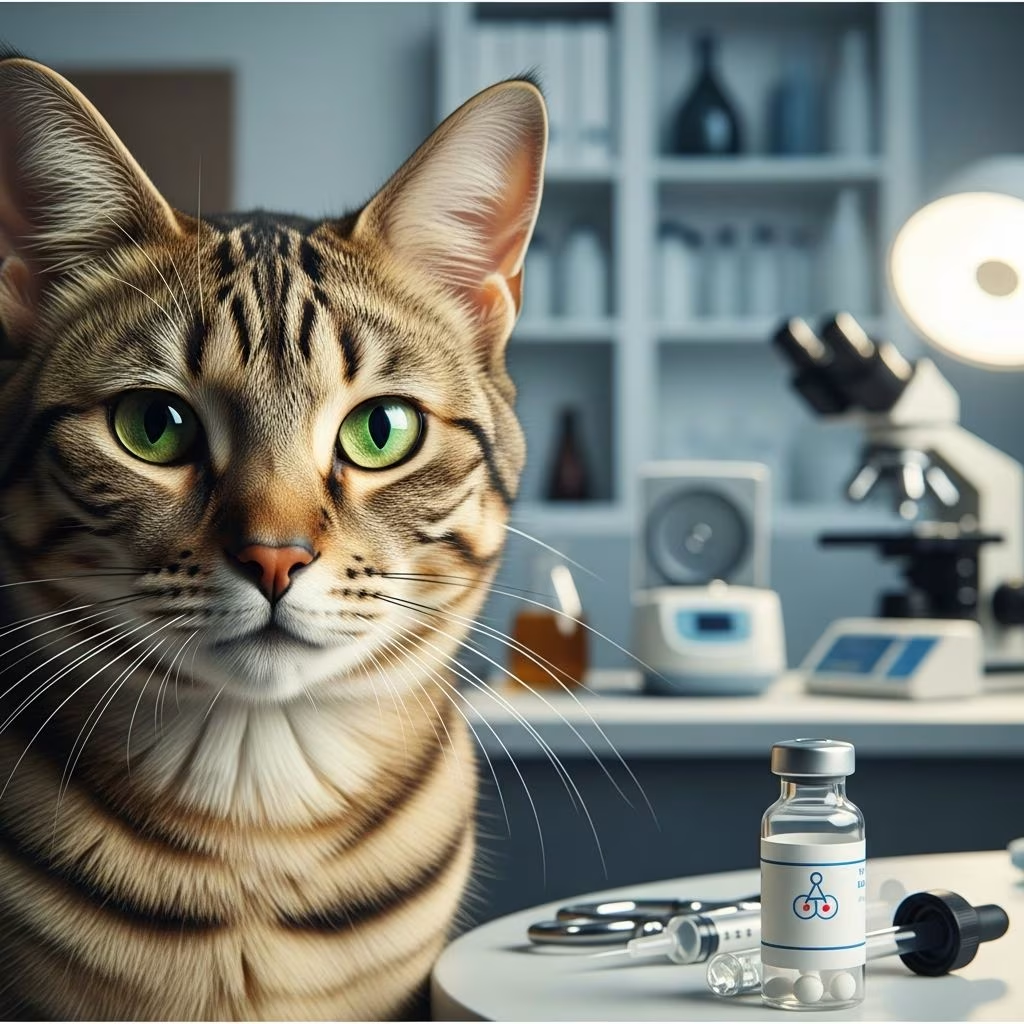
Azithromycin stands out as a key antibiotic in veterinary practice, particularly for cats facing bacterial challenges. Derived from the macrolide family, it targets a wide array of pathogens by disrupting their protein synthesis, making it suitable for infections where other treatments fall short.
Understanding the Pharmacology of Azithromycin
This medication, often recognized in human medicine as Zithromax, belongs to the azalide subclass of macrolides. It binds to the 50S ribosomal subunit in bacteria, halting RNA-dependent protein production and effectively curbing bacterial growth. In cats, its bioavailability reaches about 58%, with rapid tissue distribution leading to higher concentrations in tissues than in plasma. The tissue half-life varies from 13 to 72 hours, allowing for less frequent dosing compared to other antibiotics.
Hepatic metabolism plays a minor role, as most of the drug exits via bile unchanged. This profile supports its use in outpatient settings, where owners appreciate the convenience of extended intervals between doses.
Primary Applications in Cat Health
Veterinarians prescribe azithromycin for cats primarily to combat respiratory tract infections, a common issue in multi-cat environments like shelters. It proves effective against upper respiratory pathogens, including those linked to Mycoplasma and Chlamydia felis, often matching the efficacy of alternatives like doxycycline.
- Upper Respiratory Infections: Frequently used off-label for suspected bacterial components in feline upper respiratory disease, especially when daily dosing is impractical.
- Bartonellosis and Toxoplasmosis: Helps manage these intracellular parasites in combination therapies.
- Cryptosporidiosis: Addresses gastrointestinal protozoal infections.
- Cytauxzoonosis: Combined with atovaquone for this tick-borne illness.
Beyond infections, it shows promise in reducing gingival hyperplasia induced by cyclosporine and treating certain eye conditions like bacterial keratitis.
Dosing Strategies for Optimal Results
Dosage in cats typically ranges from 5 to 15 mg/kg orally, administered every 12 to 24 hours for up to 7 days. For chronic conditions like persistent nasal disease, some protocols involve a loading dose followed by every 3-5 days to leverage the long half-life.
| Condition | Typical Dose (mg/kg) | Frequency | Duration |
|---|---|---|---|
| Upper Respiratory Infection | 5-10 | Every 24-72 hours | 3-7 days |
| Skin or Soft Tissue Infection | 5-15 | Every 12-24 hours | Up to 7 days |
| Cryptosporidiosis | 5-10 | Once daily | 5-7 days |
| Cytauxzoonosis (combo therapy) | 10-15 | Every 24 hours | As directed |
Adjustments depend on the cat’s response, weight, and any emerging side effects. Compounded suspensions improve palatability, with flavored options like toothpaste forms aiding administration in finicky felines.
Potential Side Effects and Safety Profile
While generally well-tolerated, gastrointestinal upset dominates the side effect landscape in cats, manifesting as vomiting, diarrhea, or abdominal discomfort. These effects stem from the drug’s impact on gut flora and motility.
Rarely, more serious issues arise, particularly in cats with compromised liver or kidney function, where caution or avoidance is advised. Human data highlights risks like hepatotoxicity, but feline studies emphasize GI predominance. Overuse fosters antibiotic resistance, underscoring the need for veterinary guidance to limit duration.
- Common: Diarrhea (most frequent), decreased appetite.
- Uncommon: Lethargy, elevated liver enzymes.
- Contraindications: Severe hepatic/renal failure, known hypersensitivity.
Drug Interactions and Contraindications
Azithromycin can interact with drugs affecting hepatic metabolism or QT interval prolongation. It serves as an alternative for penicillin-allergic cats. Monitor alongside cyclosporine, as it may exacerbate gingival issues it’s meant to treat.
Avoid in myasthenia gravis cases, per human parallels, though feline incidence is low. Prokinetics like erythromycin share similarities, but azithromycin’s longer action reduces dosing frequency.
Special Considerations for Shelter and Chronic Cases
In shelters, azithromycin’s infrequent dosing shines, facilitating treatment of multiple cats amid handling challenges. Studies show mixed empirical efficacy for upper respiratory signs, with some cats requiring switches to alternatives like amoxicillin.
For chronic rhinosinusitis unresponsive to first-line antibiotics, it offers a valuable option, potentially reducing viral wart-like lesions indirectly through immune modulation.
Administering Azithromycin Effectively at Home
Success hinges on proper administration. Give on an empty stomach if tolerated, or with food to mitigate nausea. Track doses meticulously and report any behavioral changes promptly.
Storage: Keep compounded liquids refrigerated; plain tablets at room temperature. Shake suspensions well before use.
Alternatives and When to Switch
If azithromycin fails, consider doxycycline for respiratory cases or clindamycin for anaerobes. Veterinary culture and sensitivity testing guides precise choices, preventing resistance.
Combination therapies enhance outcomes in protozoal diseases.
FAQs on Azithromycin for Cats
Is azithromycin safe for kittens?
Use under strict veterinary supervision; lower doses may apply based on age and weight.
How quickly does it work?
Improvement often seen in 2-3 days for respiratory issues, but complete courses are essential.
Can it treat viral infections?
No, it’s antibacterial; supports secondary infections in viral contexts.
What if my cat vomits after a dose?
Contact your vet; they may adjust timing or switch medications.
Is a prescription required?
Always; off-label use demands professional oversight.
Monitoring and Follow-Up Care
Regular vet check-ins ensure efficacy and catch issues early. Bloodwork monitors organ function in prolonged use. Promote hygiene to curb reinfections.
References
- Azithromycin for Pets | PetPlace.com — PetPlace. 2023. https://www.petplace.com/article/drug-library/drug-library/library/azithromycin-zithromax-for-cats-and-dogs
- Azithromycin – VCA Animal Hospitals — VCA Hospitals. 2024. https://vcahospitals.com/know-your-pet/azithromycin
- Efficacy of amoxycillin and azithromycin for the empirical treatment… – PMC — PMC. 2024-01-15. https://pmc.ncbi.nlm.nih.gov/articles/PMC10822449/
- AZITHROMYCIN – Mar Vista Animal Medical Center — Mar Vista Vet. 2023. https://www.marvistavet.com/azithromycin.pml
- Azithromycin: A Helpful Antibiotic for Your Pets – Smarty Vets — Smarty Vets. 2024. https://www.smartyvets.com/blogs/vet-tails/azithromycin-a-helpful-antibiotic-for-your-pets
- Ultrasonographic evaluation of the effects of azithromycin… – Wiley — Journal of Veterinary Internal Medicine. 2021-05-12. https://onlinelibrary.wiley.com/doi/10.1111/jvim.16385



