

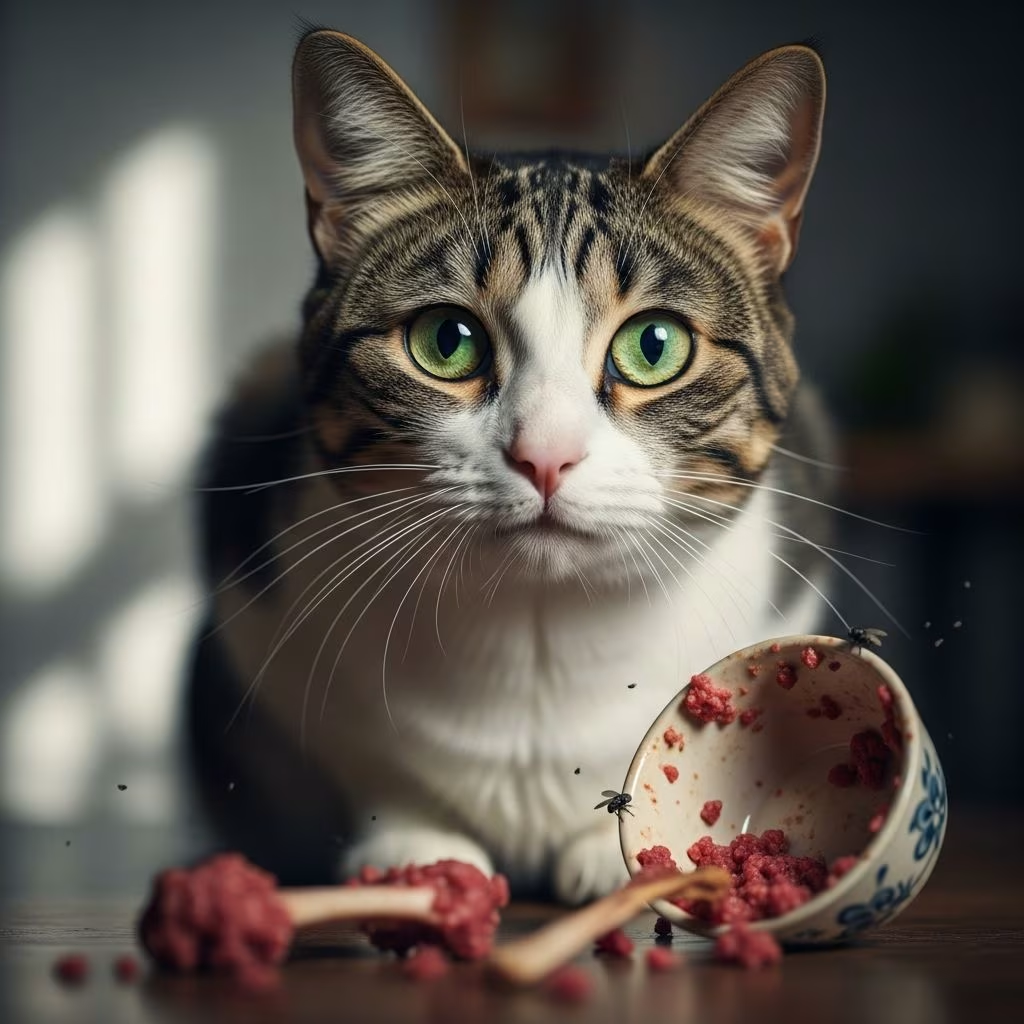
Understanding Raw Food Diets for Cats
In recent years, many cat owners have become increasingly interested in alternative feeding approaches, with raw food diets gaining particular attention. Proponents of raw feeding argue that it mimics what cats would eat in the wild and promotes better health outcomes. However, veterinary professionals and nutritional experts have identified substantial concerns with this feeding practice. The risks associated with raw food diets for cats significantly outweigh any purported benefits, making it crucial for cat owners to understand these dangers before considering such feeding approaches.
Primary Health Concerns with Raw Food Diets
Food Safety and Pathogen Risks
The most critical concern with feeding raw food to cats is food safety. Raw meat and raw animal products can contain harmful pathogens, including bacteria such as E. coli, Salmonella, and Listeria, which pose serious health risks not only to your cat but also to human family members. These pathogenic organisms thrive in uncooked meat and can cause severe infections in felines with compromised immune systems, young kittens, or senior cats.
When cats consume contaminated raw meat, they can develop foodborne illnesses that may result in vomiting, diarrhea, lethargy, and in severe cases, systemic infections that require emergency veterinary care. Furthermore, infected cats can shed these pathogens through their feces, saliva, and body fluids, potentially exposing other pets and human household members to dangerous bacteria. This cross-contamination risk extends to surfaces where raw food is prepared and stored, making raw diets a public health concern within the household.
Nutritional Inadequacy
Beyond food safety concerns, many raw food diets have been found to be deficient in one or more essential nutrients. While raw meat contains protein and certain minerals, it often lacks proper balance of vitamins, minerals, and other nutrients necessary for optimal feline health. Creating nutritionally complete raw diets requires extensive knowledge of feline nutritional requirements and careful formulation to ensure all essential nutrients are present in appropriate quantities.
Cats have specific and unique nutritional needs that differ substantially from dogs and other animals. As obligate carnivores, cats require particular amino acids and nutrients that must be meticulously balanced in their diet. Most commercially available raw food products have not undergone rigorous nutritional testing or been formulated by board-certified veterinary nutritionists, making it difficult for owners to ensure their cats receive complete and balanced nutrition.
Cat Nutritional Requirements
Obligate Carnivore Needs
Understanding feline nutritional requirements is essential for making informed feeding decisions. Cats are obligate carnivores, meaning they must obtain animal protein in their diet to survive and thrive. Unlike dogs and humans, who are omnivores, cats have evolved over millions of years to depend exclusively on nutrients found in animal tissue.
This biological distinction means cats cannot synthesize certain essential vitamins and amino acids from plant-based sources. For example, cats cannot convert beta-carotene from vegetables into vitamin A, as many other species can. Instead, cats require preformed vitamin A, which is exclusively available in animal tissue. This dependency on animal-derived nutrients makes raw food diets that may appear balanced on paper potentially inadequate in practice, as cats may not efficiently absorb or utilize synthetic or plant-derived nutrient supplements.
Digestive Capabilities
Contrary to popular belief, cats have actually adapted to consuming cooked diets over generations of domestication. Modern cats can digest complex carbohydrates more easily once they are cooked, and their digestive systems have evolved to process commercially prepared foods effectively. This means that raw food, despite being unprocessed, is not inherently superior to properly formulated commercial diets in terms of digestibility or nutritional availability.
Scientific Evidence Against Raw Feeding
Substantial scientific evidence demonstrates increased risks of bacterial infection for pets eating raw meat diets. Controlled dietary trials and research studies have not found significant health benefits of raw diets compared to commercial kibble or canned food options. In fact, the Canadian Veterinary Medical Association (CVMA) has issued a position statement indicating that the risks of feeding raw diets currently outweigh any purported benefits.
While numerous anecdotal reports exist about cats appearing healthier on raw diets, these accounts lack scientific rigor and controlled comparison. Pet owners may attribute improvements in coat quality or energy levels to raw feeding when these changes could result from increased attention to diet generally, improved portion control, or other environmental factors. Without controlled studies showing demonstrable benefits, veterinary professionals cannot recommend raw feeding based on evidence.
Alternative Diet Options
Commercial Complete and Balanced Diets
The safest and most reliable feeding option for cats remains high-quality commercial pet food that meets AAFCO (Association of American Feed Control Officials) nutritional adequacy standards. These foods undergo rigorous testing and quality control to ensure they contain all essential nutrients in appropriate proportions for feline health at different life stages.
A common misconception is that byproducts in commercial pet foods represent low-quality ingredients. In reality, organ meats and other byproducts of human food production are highly nutritious and can significantly enhance pet food quality. Strict regulations govern what is permitted as a byproduct for animal consumption, with dead carcasses, roadkill, and fecal matter explicitly prohibited.
Fresh and Minimally Processed Diets
For owners seeking alternatives to traditional kibble, fresh and minimally processed diets represent a safer option than raw feeding. These diets are prepared by companies following food safety guidelines designed to eliminate pathogens and contaminants. Fresh diets resemble homemade meals but are commercially prepared, offering the appeal of whole-food ingredients with the safety of professional food handling.
However, it is important to note that there is currently no published research demonstrating any benefit of alternative diets compared to conventional diets for the general population of cats. Alternative diets may be appropriate in specific situations, such as when a cat has suspected food allergies or intolerances to ingredients commonly found in commercial foods, but they are not inherently superior for healthy cats.
Plant-Based and Grain-Free Options
Plant-based diets, while available for cats, lack strong research supporting their safety and nutritional adequacy. Despite being marketed as healthier alternatives, there is currently no strong evidence indicating that cats can digest and use nutrients from plant-based sources as effectively as they utilize nutrients from animal tissue. Given that cats are obligate carnivores with specific nutritional idiosyncrasies, plant-based diets are generally not recommended.
Similarly, grain-free diets are often marketed to address perceived food allergies and digestive issues. However, allergies to grain and gluten are extremely rare in cats. Grains actually provide excellent sources of important nutrients including iron, calcium, and B vitamins such as thiamine, riboflavin, and niacin. The trend toward grain-free feeding is largely based on marketing rather than scientific evidence of benefit for most cats.
Reducing Risk if Feeding Raw
For cat owners determined to feed raw diets despite veterinary recommendations against them, several precautions can help reduce (though not eliminate) the risk of infection and illness:
– Purchase raw food products exclusively from reputable suppliers with established food safety practices- Verify that raw meat meets human consumption standards, such as inspection by the Canadian Food Inspection Agency (CFIA) or United States Department of Agriculture (USDA)- Ensure the raw diet or recipe is formulated to be complete and balanced for your cat’s specific life stage- Practice strict food safety hygiene when handling, preparing, and storing raw foods- Keep raw food frozen until immediately before serving- Disinfect food preparation surfaces and utensils thoroughly after use- Wash hands immediately after handling raw meat- Consider consulting with a board-certified veterinary nutritionist to formulate nutritionally adequate recipes
Even with these precautions, no feeding method can completely eliminate the pathogenic risks associated with raw meat consumption.
Making the Best Feeding Decision
When choosing a diet for your cat, the primary goal should be providing consistent, balanced nutrition that is both safe and appropriate for your pet’s life stage and health status. High-quality commercial diets formulated to meet AAFCO standards offer proven nutritional adequacy with stringent quality control and food safety measures.
If your cat has specific health concerns, suspected allergies, or dietary intolerances, consult with your veterinarian or a board-certified veterinary nutritionist rather than self-formulating alternative diets. Professional guidance ensures your cat receives appropriate nutrition tailored to their individual needs while minimizing health risks.
Frequently Asked Questions
Q: Why do some cat owners report their cats appear healthier on raw diets?
A: Reported improvements may result from increased attention to diet, better portion control, or other environmental factors rather than benefits specific to raw feeding. Without controlled scientific studies, these anecdotal reports cannot be considered reliable evidence of actual health benefits.
Q: Can cats digest raw meat better than cooked meat?
A: No. Cats have actually adapted to consuming cooked diets and can digest complex carbohydrates more easily once they are cooked. Raw meat is not inherently more digestible or nutritionally superior to properly formulated commercial diets.
Q: Are freeze-dried or dehydrated raw diets safer than fresh raw meat?
A: No. Dehydrating and freeze-drying are not considered methods that reduce pathogen load, so these products carry the same risks as fresh raw meat diets and are considered equally risky from a food safety perspective.
Q: What should I look for in a quality commercial cat food?
A: Look for foods with an AAFCO nutritional adequacy statement confirming the diet is complete and balanced for your cat’s life stage. Check ingredient lists, and consider consulting your veterinarian for recommendations tailored to your cat’s specific needs.
Q: Is a homemade diet a safe alternative to raw feeding?
A: Homemade cooked diets can be appropriate but require careful formulation by a board-certified veterinary nutritionist to ensure complete and balanced nutrition. Never self-formulate without professional guidance to avoid nutritional deficiencies.
Q: Can cats thrive on vegetarian or plant-based diets?
A: There is currently no strong evidence that cats can digest and use nutrients from plant-based sources as effectively as from animal tissue. As obligate carnivores, cats require animal-based protein sources, and vegetarian diets are generally not recommended by veterinarians.
References
- Nutrition – General Feeding Guidelines for Cats — VCA Animal Hospitals. 2024. https://vcahospitals.com/know-your-pet/nutrition-feeding-guidelines-for-cats
- What’s in My Cat’s Food?: Designer Diets, Grain Free Diets — VCA Animal Hospitals. 2024. https://vcahospitals.com/know-your-pet/whats-in-my-cats-food-designer-diets-grain-free-diets
- Choosing the Best Diet for Your Pet — VCA Animal Hospitals. 2024. https://vcahospitals.com/know-your-pet/choosing-the-best-diet-for-your-pet
- Nutrition – Natural Approaches to Feeding — VCA Animal Hospitals. 2024. https://vcahospitals.com/know-your-pet/nutrition—natural-approaches-to-feeding



