

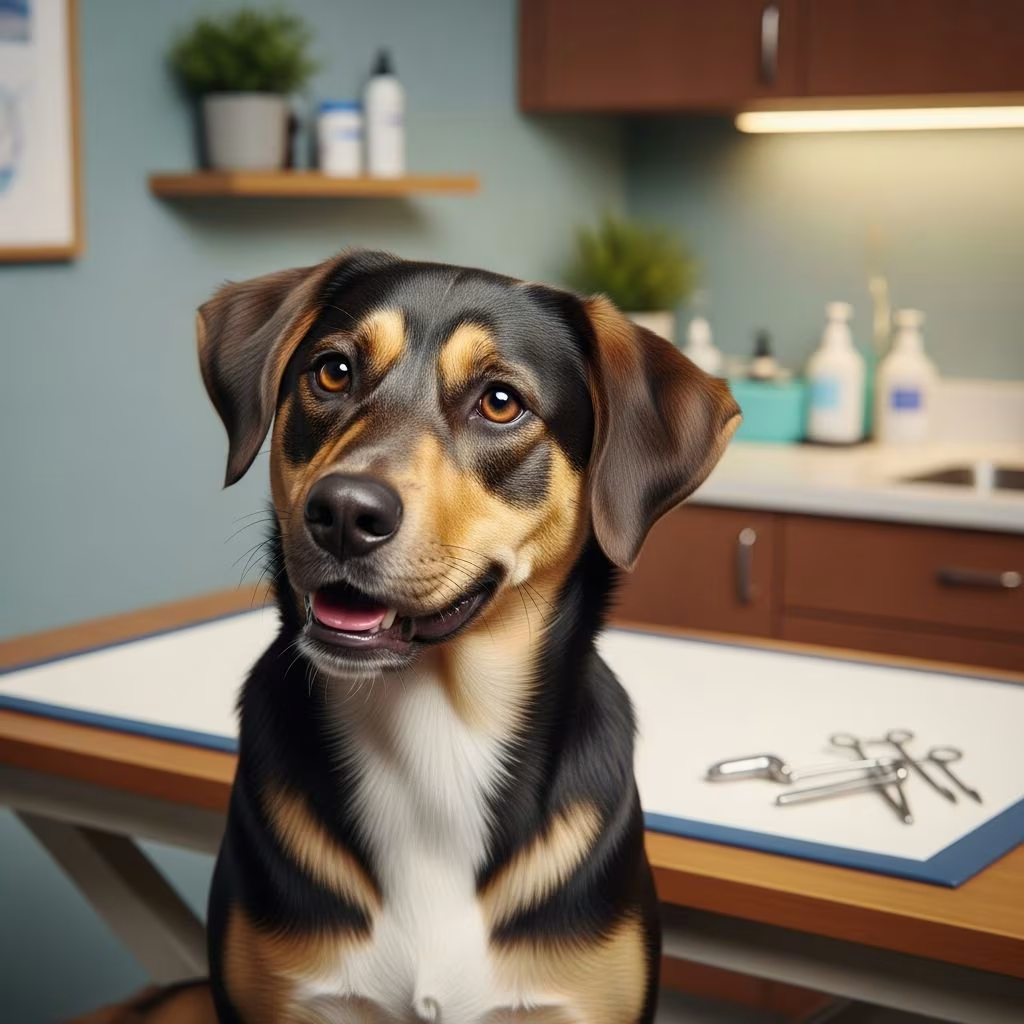
Dogs benefit greatly from vaccinations that protect against deadly diseases, but administering them too frequently can lead to serious health complications. Over-vaccination occurs when pets receive boosters beyond what their immune systems require, potentially triggering autoimmune issues, allergies, and other conditions. This article explores the science behind canine vaccines, differentiates essential from optional shots, and provides practical steps for pet owners to safeguard their dogs’ well-being.
Understanding the Basics of Canine Vaccines
Vaccines stimulate a dog’s immune system to recognize and fight specific pathogens without causing the full disease. Core vaccines target highly contagious, life-threatening illnesses like distemper, parvovirus, and rabies, recommended for all dogs regardless of lifestyle. Non-core vaccines, such as those for Bordetella or Lyme disease, depend on exposure risk and regional prevalence.
Historical vaccination protocols called for annual boosters, but research now shows many provide immunity lasting years or even a lifetime. The American Animal Hospital Association (AAHA) updated guidelines in 2011 to recommend revaccination every three years or more for core vaccines after the initial puppy series. This shift acknowledges that repeated dosing offers diminishing returns while increasing risks.
Risks and Side Effects of Excessive Vaccinations
While vaccines save lives, over-vaccination stresses the immune system, particularly in puppies, small breeds, and dogs with pre-existing conditions. Adverse reactions range from mild lethargy to severe anaphylaxis, where swelling and shock can be fatal if not treated promptly.
- Mild reactions: Itching, paw licking, or temporary aggression, often appearing days after injection.
- Moderate issues: Urinary tract infections in cats (similar patterns in dogs), skin allergies, or seizures, sometimes linked to rabies shots.
- Severe outcomes: Autoimmune hemolytic anemia, epilepsy, tissue degeneration, or injection-site tumors like fibrosarcomas.
Studies indicate small breeds face 10 times higher reaction rates than large ones due to standard doses overwhelming their systems. A UK study of over 2,000 animals reported a 1 in 10 adverse reaction risk, far exceeding manufacturer claims of 0.015%. Over-vaccination in young dogs disrupts developing immunity, heightening susceptibility to chronic diseases like hormonal imbalances or lameness.
How Long Does Vaccine Immunity Last?
Early vaccines often confer lifelong protection. Dr. Ronald Schultz’s research since the 1970s demonstrates that distemper, parvovirus, and adenovirus vaccines protect for at least three years, with many dogs maintaining antibodies for seven years or more. A study found 95.1% of dogs had adequate parvovirus titers and 97.6% for distemper after years without boosters.
Rabies vaccines last at least five to seven years, per studies in France and the US. Duration of immunity (DOI) challenges confirm three-year protection against key viruses. These findings challenge annual protocols, as unnecessary boosters overload the system without added benefit.
| Vaccine Type | Typical Immunity Duration | Evidence Source |
|---|---|---|
| Distemper (CDV) | 7+ years | |
| Parvovirus (CPV) | 7+ years | |
| Rabies | 5-7 years | |
| Adenovirus-1 | 3+ years |
The Power of Titer Testing
Titer tests measure antibody levels in the blood, confirming if a dog retains protection without guessing. A simple draw reveals immunity status for distemper, parvovirus, and others, avoiding needless shots. For instance, 80% of dogs tested five years post-puppy vaccines showed protective levels.
Vets recommend titers before boosters, especially for low-risk dogs. This approach aligns with AAHA guidelines, reducing vaccine exposure while ensuring coverage. Costs are comparable to a vaccine visit but prevent potential health crises.
Core vs. Non-Core Vaccines: What Your Dog Really Needs
Core Vaccines: Essential for all dogs.
- Distemper: Multi-system viral killer.
- Parvovirus: Causes severe GI bleeding, fatal in pups.
- Adenovirus (Hepatitis): Liver and eye damage.
- Rabies: Legally required, zoonotic threat.
Non-Core Vaccines: Assess lifestyle and location.
- Bordetella: Kennel cough, for boarded/social dogs.
- Lyme: Tick-borne, in endemic areas.
- Leptospirosis: Bacterial, water exposure risk.
Evaluate exposure: Indoor dogs rarely need Leptospirosis, while hikers might benefit from Lyme protection. Always weigh disease severity against vaccine risks.
Strategies to Prevent Over-Vaccination
- Partner with Informed Vets: Seek AAHA-accredited practices following 3-year protocols.
- Request Titer History: Review records; test if boosters were annual.
- Space Out Shots: Avoid multi-vaccine days to minimize reactions.
- Holistic Alternatives: Consider homeopathy or nosodes for sensitive dogs, under vet guidance.
- Monitor Post-Vaccine: Watch for 72 hours; seek emergency care for swelling or collapse.
For rabies, comply with laws but use 3-year products post-initial series and titer where permitted.
Special Considerations for Puppies, Seniors, and Small Breeds
Puppies complete core series at 16 weeks, then titer at one year instead of boosting. Seniors or immune-compromised dogs risk exacerbating conditions; minimal vaccination preserves quality of life. Small breeds need dose adjustments or titer reliance to avoid overload.
Legal and Rabies Vaccine Realities
Rabies laws vary by state; most allow 3-year intervals after the first year. Research from Dr. Dodds shows 7-year efficacy, potentially reducing lifetime doses. Always verify local regs to avoid fines while minimizing risks.
FAQs
Is annual vaccination necessary for my dog?
No, core vaccines last 3-7+ years; use titers to confirm.
What if my dog has a vaccine reaction?
Treat immediately for anaphylaxis; future titers or single-antigen shots.
Can I skip non-core vaccines?
Yes, if low risk; discuss with your vet.
How accurate are titer tests?
Highly reliable for core viruses; correlate with real-world protection.
Are 1-year vs 3-year rabies vaccines different?
No, identical potency; labeling drives the distinction.
Empowering Pet Owners for Informed Choices
By understanding immunity duration, embracing titers, and questioning routines, owners protect dogs from over-vaccination harms. Collaborate with vets prioritizing evidence over habit for healthier, longer lives.
References
- Are you Over-Vaccinating Your Dog or Cat? — Pet Health and Nutrition Center. Accessed 2026. https://www.pethealthandnutritioncenter.com/blogs/natural-pet-health-education/are-you-over-vaccinating-your-dog-or-cat
- Over-Vaccination in Pets — Dr. Michael Dym, VMD. Accessed 2026. https://doctordym.com/over-vaccination-in-pets
- Vaccine use and disease prevalence in dogs and cats — PMC (NCBI). 2020-03-25. https://pmc.ncbi.nlm.nih.gov/articles/PMC7131694/
- Vaccines: When too Much of a Good Thing Turns Bad — Always Helpful Veterinary Services. 2019-10. https://www.alwayshelpfulveterinaryservices.com/wp-content/uploads/2019/10/Vaccines-and-Titers.pdf
- Are We Over-Vaccinating Our Pets? — PAWS Chicago. Accessed 2026. https://www.pawschicago.org/news-resources/news-features/paws-chicago-news/paws-chicago-news-item/showarticle/are-we-over-vaccinating-our-pets
- 4 Reasons You Shouldn’t Vaccinate Your Dog or Cat Yourself — PetMD. Accessed 2026. https://www.petmd.com/general-health/reasons-you-should-not-vaccinate-dog-cat-yourself



