

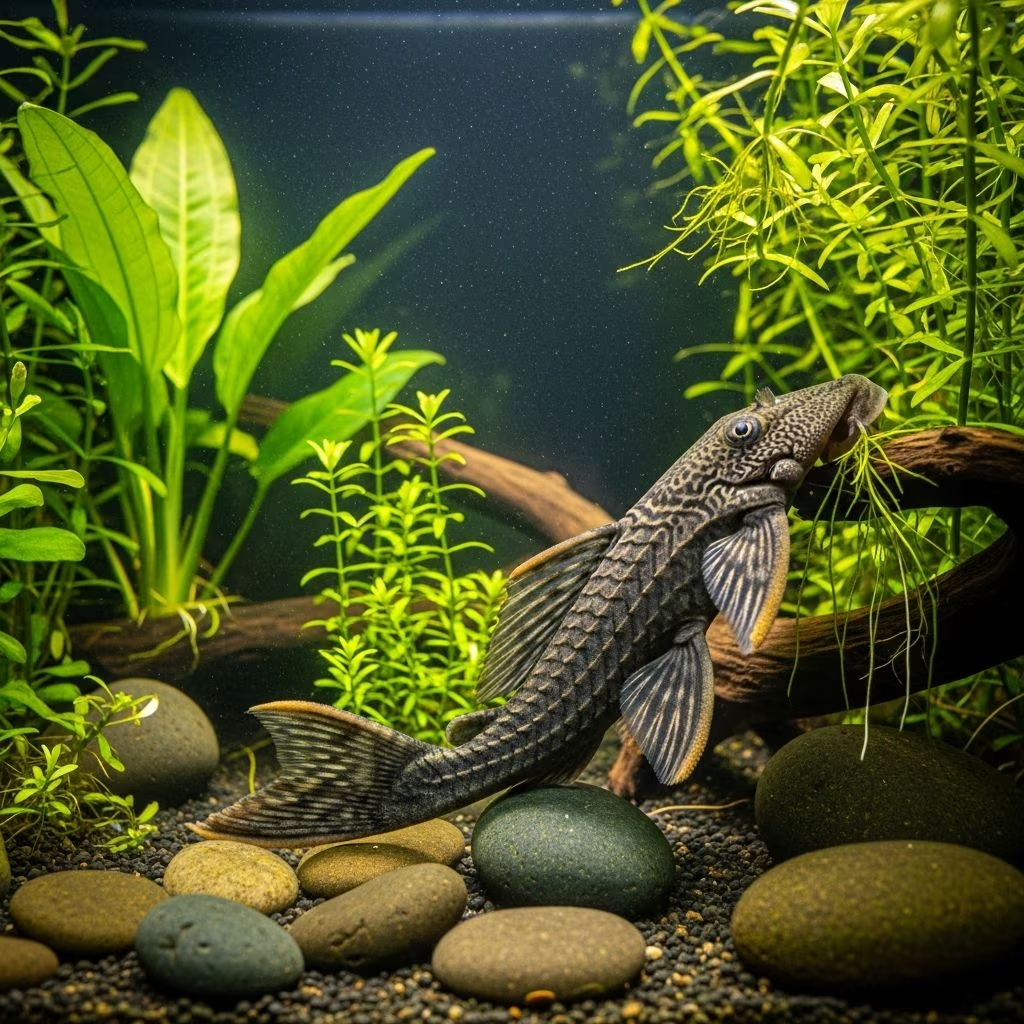
Avoid the Pleco Predicament: A Comprehensive Care Guide
Plecos are among the most commonly purchased aquarium fish, yet they are also among the most misunderstood. Many aquarists purchase these bottom-dwelling fish with unrealistic expectations, leading to what experts call the \”pleco predicament.\” This widespread issue stems from inadequate research and planning before bringing these fish home. Understanding the true requirements of plecos is essential for preventing the common pitfalls that lead to stressed, unhealthy fish and ultimately abandonment or improper rehoming. This guide explores the critical mistakes hobbyists make and provides comprehensive solutions to ensure your pleco thrives.
Understanding the Pleco Predicament
The pleco predicament begins with a fundamental misunderstanding about what these fish are and what they need. Many people purchase plecos believing they are simple maintenance fish that will keep their tanks clean while requiring minimal care. This misconception leads to countless plecos ending up in overcrowded tanks, receiving inadequate nutrition, and suffering from poor water quality conditions.
Plecos are not low-maintenance cleanup crew members. Instead, they are living creatures with specific biological needs, dietary requirements, and behavioral patterns that must be understood and respected. Some species can grow to significant sizes, while others remain smaller but still demand spacious environments. The initial impulse to add a pleco without proper planning creates a cascade of problems that affect both the fish and the overall aquarium ecosystem.
Tank Size: Bigger Than You Think
One of the most critical errors in the pleco predicament is underestimating tank size requirements. Many hobbyists place plecos in small tanks, assuming these fish will remain juveniles forever. However, most common pleco species continue growing throughout their lives.
Common Plecostomus species grow to 12-24 inches or larger, requiring tanks of at least 75-150 gallons for adults. Even smaller species like Bristlenose Plecos need a minimum of 40 gallons for adults. When planning your pleco tank, always consider the fish’s adult size, not its current juvenile appearance in the pet store.
Species-specific tank requirements include:
- Common Plecostomus: 150+ gallons minimum
- Bristlenose Pleco: 40-60 gallons minimum
- Clown Pleco: 75 gallons minimum
- Royal Pleco: 100+ gallons minimum
- Zebra Pleco: 20 gallons with exceptional water quality
Inadequate tank size causes stress, stunted growth, behavioral problems, and increased disease susceptibility. Before purchasing any pleco, verify the adult size and commit to providing appropriate housing from the beginning.
Water Parameters and Quality
Maintaining pristine water quality is non-negotiable for pleco health. Plecos are sensitive to poor water conditions despite their reputation as hardy fish. They produce significant amounts of waste, requiring robust filtration and regular water maintenance.
Essential Water Parameters
Temperature: Most plecos thrive between 72-82°F (22-28°C), though some species like Zebra Plecos prefer slightly warmer temperatures around 82-86°F. Maintain consistent temperatures using reliable aquarium heaters.
pH Level: Ideal pH ranges from 6.5-7.5 for most species, though plecos can tolerate pH between 6.0-8.0. Avoid dramatic pH fluctuations, as instability stresses fish.
Water Hardness: Soft to moderately hard water (4-15 dGH) is preferable, though plecos adapt reasonably well to various hardness levels.
Ammonia and Nitrite: Both must remain at 0 ppm. Elevated levels indicate inadequate filtration or infrequent water changes.
Nitrate: Keep nitrate below 20 ppm through regular water changes and proper tank maintenance.
Filtration and Water Changes
Strong filtration is absolutely essential. Use powerful canister filters or multiple sponge filters to handle the substantial bioload plecos produce. Surface agitation ensures adequate oxygenation, which is critical for pleco survival.
Perform 25-30% water changes weekly to maintain water quality. Some hobbyists perform 10% changes weekly or 25% changes every two weeks—both approaches work provided they’re consistent. Always treat tap water with a quality water conditioner before adding it to your tank. Poor water quality represents one of the primary causes of pleco health problems and death.
Nutrition: Beyond the Algae Myth
Perhaps no misconception causes more pleco problems than the belief that these fish subsist on tank algae alone. This myth perpetuates the \”cleanup crew\” fantasy and leads to severe malnutrition.
Plecos require a diverse, high-quality diet to thrive. While they do consume algae, relying exclusively on algae growth results in nutritional deficiencies and poor health outcomes.
Dietary Components
Algae Wafers: Quality algae wafers should form the staple diet. Choose brands like Omega One or other reputable manufacturers that provide comprehensive nutrition.
Vegetables: Supplement with blanched vegetables including zucchini, cucumber, spinach, peas, and sweet potato. Blanching softens vegetables, making them easier to consume and digest.
Protein Sources: Many plecos benefit from occasional protein supplementation through bloodworms, brine shrimp, mysis shrimp, and specialized catfish pellets. This is particularly important for carnivorous species like Zebra Plecos.
Driftwood: Certain species, particularly Clown and Royal Plecos, require driftwood for digestion and microbial grazing. These fish rasp on wood to obtain essential fiber and microorganisms necessary for digestive health.
Feeding Schedule
Feed plecos once or twice daily, ensuring food reaches the bottom where these nocturnal fish naturally feed. Remove uneaten food after several hours to prevent water quality deterioration. Many experienced aquarists employ target feeding—providing tablet foods during evening hours when plecos are most active. Rotate dietary components daily for optimal nutrition and engagement.
Habitat Setup and Decoration
Creating an appropriate environment is fundamental to pleco welfare. These nocturnal fish require specific environmental features to feel secure and display natural behaviors.
Substrate Selection
Use sand or fine gravel rather than sharp gravel that could damage plecos’ soft underbellies. Sand is ideal as it mimics natural river bottoms and allows plecos to sift naturally. Avoid coarse substrates that can cause injuries, infections, or stress.
Hiding Spots and Shelter
Plecos are shy, reclusive creatures that require abundant hiding places throughout the tank. Provide:
- Caves and cave systems designed for plecos
- PVC pipes cut to appropriate lengths
- Driftwood pieces that provide both shelter and wood-eating opportunities
- Smooth rocks and natural decorations
- Plants and vegetation for additional cover
Lack of hiding spaces causes chronic stress, leading to behavioral problems, disease susceptibility, and reduced lifespan.
Lighting and Photoperiod
Plecos are nocturnal and prefer subdued lighting. Use adjustable or dimmer lights to reduce stress. Provide at least 12 hours of darkness daily, allowing these fish normal rest periods. Some aquarists use moon lights to observe nocturnal pleco behavior without causing stress.
Compatibility and Tank Mates
Selecting appropriate tank mates is crucial for maintaining a peaceful community aquarium and preventing stress or aggression.
Compatible Fish Species
Plecos generally coexist well with peaceful, similarly-sized fish species including:
- Tetras and other small schooling fish
- Corydoras catfish
- Other peaceful bottom-dwellers
- Peaceful cichlids
- Guppies and other livebearers
Incompatible Species to Avoid
Certain fish create dangerous situations for plecos:
- Aggressive or territorial cichlids (Oscars, Jaguars)
- Bettas with small pleco species
- Fin-nippers that may harass or injure plecos
- Very large predatory fish that view plecos as food
Multi-pleco tanks require additional considerations. Males exhibit territorial behavior and may conflict with one another. Provide extra space—five to ten gallons more per fish—and numerous hiding places to minimize aggression. Even with proper spacing, conflicts may occur; monitor behavior closely.
Common Health Issues
Understanding common pleco ailments allows early intervention and prevention:
Poor Water Quality Effects
Inadequate water conditions manifest as lethargy, loss of appetite, and increased disease susceptibility. Maintain strict water parameter standards to prevent these issues.
Malnutrition Symptoms
Malnourished plecos display weight loss, dulled coloration, and reduced activity levels. Implement diverse diet supplementation immediately.
Oxygen Depletion
Plecos dying despite apparent care may suffer from insufficient oxygenation. Ensure robust surface agitation and consider air bubblers if oxygen saturation seems inadequate.
Parasitic and Bacterial Infections
Stressed fish in poor conditions develop infections more readily. Maintain pristine water conditions and quarantine new additions to prevent disease introduction.
Breeding Plecos: Advanced Care
Breeding plecos represents an advanced undertaking with specific requirements. Bristlenose Plecos are the easiest species to breed in captivity. Successful breeding requires:
- Species-specific knowledge and preparation
- Appropriate breeding caves or tubes
- Elevated water temperatures (78-80°F)
- Frequent water changes and increased protein intake
- Males guarding eggs until hatching (5-10 days)
- Fry fed specialized foods like baby brine shrimp or infusoria
- Excellent filtration and oxygenation during fry rearing
Most pleco species are extremely difficult to breed, making captive breeding impractical for casual hobbyists.
Making the Right Decision
Before purchasing any pleco, honestly evaluate whether you can provide appropriate care. Consider:
- Do you have adequate tank space for the species’ adult size?
- Can you maintain the necessary water parameters consistently?
- Are you prepared to provide varied, high-quality nutrition indefinitely?
- Do your current tank mates suit pleco compatibility requirements?
- Are you committed to weekly maintenance and water changes?
If any answer is uncertain, reconsider purchasing a pleco. Many aquarists bring home plecos impulsively, only to face difficult rehoming situations when they realize the commitment required. Preventing the pleco predicament begins with honest self-assessment and proper planning.
Conclusion
The pleco predicament represents one of aquarium keeping’s most preventable tragedies. These fascinating fish deserve proper care, appropriate housing, and genuine commitment from their keepers. By understanding species-specific requirements, maintaining pristine water conditions, providing comprehensive nutrition, and creating suitable habitats, you can ensure your pleco thrives rather than merely survives. The investment in proper planning, equipment, and ongoing care ultimately rewards you with a healthy, vibrant fish that displays natural behaviors and lives a full, healthy life. Avoid the pleco predicament by making informed decisions before purchase and maintaining unwavering commitment to excellence in pleco care.
Frequently Asked Questions (FAQs)
Q: Can I keep a pleco in a 10-gallon tank?
A: No. Even smaller pleco species require significantly more space. Bristlenose Plecos need minimum 40-gallon tanks as adults. Common Plecos require 150+ gallons. A 10-gallon tank is too small for any adult pleco species and will result in stunted growth, stress, and poor health.
Q: Do plecos really clean algae effectively?
A: Plecos consume some algae, but they are not primary algae-eating machines. Over-relying on plecos for algae control leads to malnutrition. Combine plecos with other algae-eating fish or methods, and provide comprehensive supplemental nutrition regardless.
Q: How often should I feed my pleco?
A: Feed plecos once or twice daily, ensuring food reaches the bottom where they naturally feed. Nocturnal feeding—providing tablets during evening hours—works well. Provide varied foods rotated daily for optimal nutrition.
Q: What temperature do plecos need?
A: Most plecos thrive at 72-82°F (22-28°C). Some species like Zebra Plecos prefer warmer temperatures around 82-86°F. Maintain consistent temperatures using reliable aquarium heaters and avoid dramatic fluctuations.
Q: Can I keep multiple plecos together?
A: Small groups can coexist with proper spacing. Males are territorial, so provide five to ten gallons extra per fish beyond the base requirement and numerous hiding places. Monitor behavior closely for aggression. Some species are more sociable than others.
Q: Why is my pleco dying despite regular feeding?
A: Common causes include poor water quality (most common), inadequate oxygenation, malnutrition from unvaried diet, or tank stress from inappropriate tank mates. Test water parameters immediately and address any issues. Improve filtration, increase water changes, and enhance oxygenation.
References
- Ultimate Care Guide for Pleco Fish — Splashy Fish Store. 2024. https://splashyfishstore.com/blogs/fish-keeping-101/ultimate-care-guide-for-pleco-fish
- The Ultimate Guide to Caring for Plecostomus: Ideal Aquarium Setup and Care Tips — JM Aquatics and Pet Center. 2024. https://www.jmaquaticsandpetcenter.com/the-ultimate-guide-to-caring-for-plecostomus-ideal-aquarium-setup-and-care-tips/
- Plecostomus Fish Care — ScienceGal Aquatics. 2024. https://sciencegalaquatics.com/plecostomus-fish-care
- Plecostomus Care Guide — Aqueon. 2024. https://www.aqueon.com/resources/care-guides/plecostomus
- Pleco Fish Care | Beginner Fish Guide — YouTube. 2024. https://www.youtube.com/watch?v=Sq-bPk3t43A



