

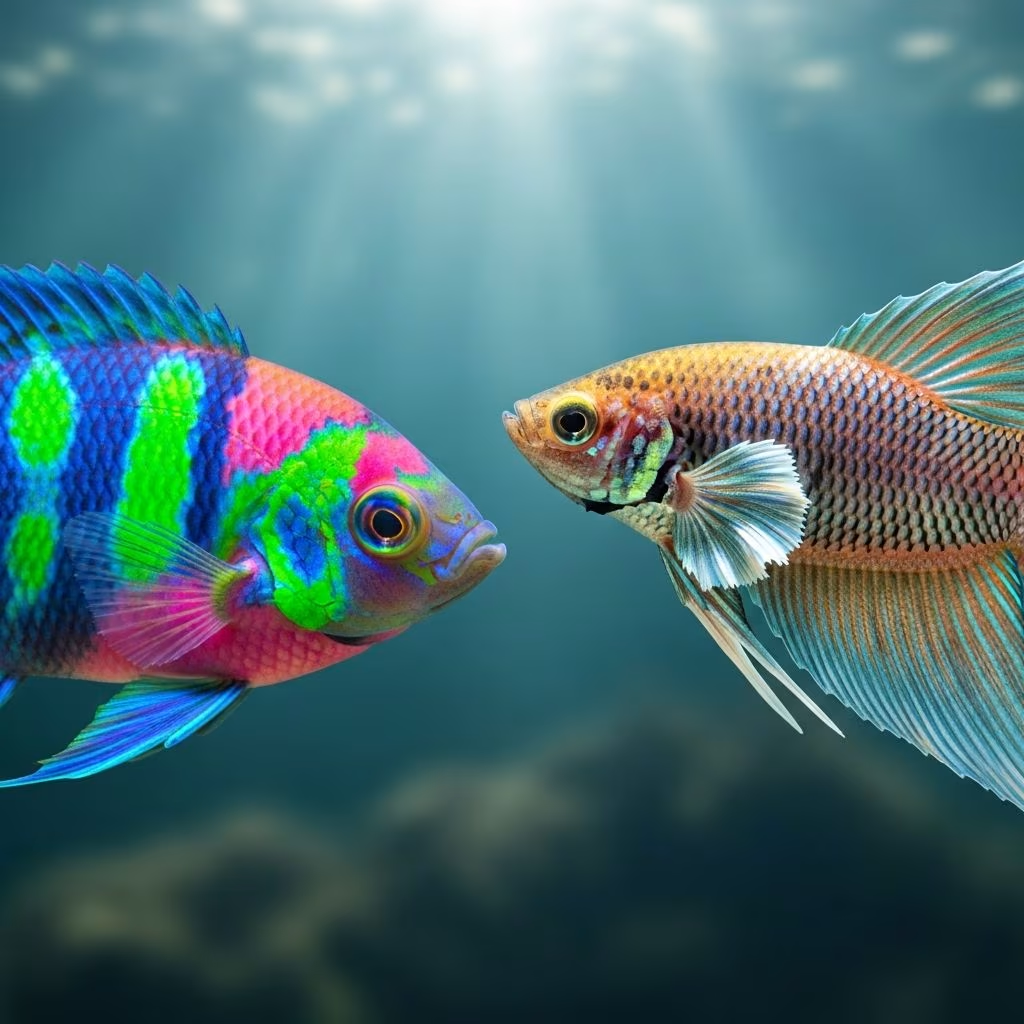
Understanding Dyed and Painted Fish
The aquarium hobby has long captivated enthusiasts with its vibrant displays of colorful aquatic life. However, not all the brilliant colors seen in pet stores are natural. A significant portion of artificially colored fish available in the aquarium trade have undergone harmful procedures to enhance their appearance. These fish, commonly referred to as dyed or painted fish, represent one of the most problematic practices in the pet industry. Understanding what these fish are and why they should be avoided is crucial for anyone committed to ethical fishkeeping.
Dyed and painted fish are species that have been subjected to artificial coloration processes designed to make them more visually appealing to consumers. The most commonly affected species include glassfish, which are naturally translucent, allowing their internal organs to be visible. Other species frequently subjected to these practices include Cory catfish, parrotfish varieties, and carpet anemones. While the vivid colors may seem desirable in aquarium settings, the processes used to achieve these colors come at a devastating cost to the fish’s health and wellbeing.
Main Methods of Artificially Coloring Fish
The aquarium trade employs several distinct techniques to artificially color fish, each with varying degrees of harm to the animals involved. Understanding these methods is essential for identifying which fish may have undergone these procedures.
Injection Method
The injection method represents the most invasive and damaging technique used to color fish. This process involves using a syringe to inject dye or paint directly beneath the fish’s skin, similar to a tattoo but far more traumatic for the animal. The injected dye remains fluid under the skin, creating visible stripes or patterns on the fish’s body. This method is predominantly used on transparent species such as glassfish and glass catfish.
The injection process involves multiple punctures to achieve uniform coloration across the fish’s body. Each injection creates a painful wound that is highly susceptible to infection. Critically, the syringes and conditions used in these procedures are typically not sterile, dramatically increasing the risk of bacterial and viral infections. The mortality rate associated with injection dyeing is among the highest of any freshwater aquarium fish, with many specimens not surviving the initial process.
Dye Soaking Method
Dye soaking is another common technique where fish are immersed in dye baths to absorb artificial coloration. This method typically involves stripping away the fish’s natural protective slime coat by bathing them in a caustic solution. The fish are then soaked in dye baths before being placed in another solution intended to restore their slime coat. While this method appears less invasive than injection, it causes significant stress and damage to the fish’s skin and scales.
One notable advantage of dye soaking over injection is that the coloration is temporary. The dye eventually fades over time, and the fish gradually return to their natural colors. However, during the dyeing and recovery process, the fish experience considerable stress and immune system suppression, making them more susceptible to diseases and infections.
Tattooing Method
Tattooing involves etching patterns or designs onto the fish’s skin using specialized instruments. While this method generally results in lower mortality rates compared to injection, the survival rates remain elevated above those of unmodified fish. The procedure causes physical trauma and stress, and the resulting wounds are vulnerable to infection. Additionally, the long-term health consequences of tattooing on fish are not well-documented.
Dietary Dye Method
Adding dyes to fish food represents a less invasive approach to artificial coloration. This method produces only temporary color enhancement that disappears once the fish returns to a natural diet. While generally considered less harmful than other methods, the long-term health implications of consuming dyed food products remain unclear and undocumented in scientific literature.
Health Consequences for Dyed Fish
The procedures used to artificially color fish create numerous health problems that significantly impact their survival and quality of life. Understanding these consequences is vital for aquarists making purchasing decisions.
Immediate Mortality and Survival Rates
The mortality rates associated with dyeing procedures are alarmingly high. Injection dyeing of glassfish results in mortality rates that can exceed 50 percent, with some sources reporting rates as high as 80 percent among the most invasively treated specimens. These fish do not simply die in aquariums; they perish during and immediately after the dyeing process itself. The non-sterile conditions, physical trauma, and stress combine to create an environment where survival is far from guaranteed.
Shortened Lifespan and Chronic Health Issues
Fish that survive the initial dyeing process typically experience significantly shortened lifespans. The stress of the procedure, combined with the toxic effects of injected dyes and harsh chemical treatments, creates chronic health conditions. These fish are more prone to infections, parasitic diseases, and organ failure. Many develop conditions such as Lymphocystis virus or kidney failure that persist throughout their lives.
Infection and Disease Susceptibility
Because the syringes and conditions used in dyeing procedures are typically not sterile, injected fish carry a high burden of bacterial pathogens. Additionally, the stress response triggered by the dyeing process significantly suppresses the fish’s immune system, making them unable to fight off infections effectively. These compromised fish are then packed into overcrowded shipping containers where diseases spread rapidly among specimens.
Immune System Suppression
All dyeing methods cause considerable physiological stress to the fish. This stress triggers the release of cortisol and other stress hormones that suppress immune function. With their immune systems compromised, dyed fish cannot effectively resist infections or recover from injuries. This suppression can persist for months, making these fish chronic disease vectors in home aquariums.
Environmental and Ecological Impact
Beyond the direct harm to individual fish, the practice of dyeing fish creates broader problems for aquarium ecosystems and the fishkeeping community as a whole.
Threat to Tank Ecosystems
When dyed fish are introduced into an established aquarium, they pose significant risks to other inhabitants. Their elevated disease burden means they can transmit infections to healthy fish already established in the tank. Additionally, as injected dyes break down and leak from the fish’s body over time, these toxic compounds can accumulate in the aquarium water, potentially affecting all tank inhabitants.
Educational Misconceptions
Many aquarists purchase dyed fish without knowledge of their origins or the procedures they have undergone. When these fish die or experience health problems at higher-than-normal rates, inexperienced aquarists often conclude that fishkeeping is inherently difficult. This misconception discourages continued participation in the hobby and creates a negative impression of aquarium keeping among beginners. Additionally, once aquarists learn about dyeing practices, they frequently overestimate how common the practice is, leading to unnecessary distrust of the entire pet trade.
Impact on Conservation Efforts
The aquarium hobby serves as an important gateway for fostering appreciation of aquatic ecosystems and marine conservation. When beginners encounter artificially colored fish and experience frustration with their poor survival rates, the hobby loses potential advocates for aquatic conservation. This creates a significant detriment to broader efforts to protect natural aquatic habitats and promote species preservation.
Special Cases: Anemones and Other Species
While fish represent the primary targets of artificial coloration, other aquatic species are also subjected to these harmful practices.
Dyed Anemones
Carpet anemones and other anemone species are frequently dyed with bright colors, particularly vivid greens, blues, and reds. This practice is particularly destructive because it directly interferes with the anemone’s ability to survive. Most anemones that are purchased for aquariums contain zooxanthellae, a specialized type of algae that provides essential sugars to the anemone through photosynthesis. When the anemone is dyed, the dye coating blocks light penetration to the zooxanthellae, preventing photosynthesis. Without this energy source, the algae die, and shortly thereafter, the anemone starves. The result is essentially instant death for the anemone, making this practice particularly cruel and wasteful.
Identifying and Avoiding Dyed Fish
Responsible aquarists can take several concrete steps to avoid purchasing dyed or painted fish and to support ethical breeding practices instead.
Species to Watch
Certain species are more commonly subjected to dyeing procedures. Glassfish are among the most frequently dyed species, and any glassfish displaying unusual bright colors should be approached with suspicion. Glass catfish, certain parrotfish varieties, and Cory catfish are also common targets. Anemones displaying unnaturally vivid or uniform colors are likely dyed. Familiarizing yourself with the natural coloration of species you’re interested in purchasing is an important first step in identifying artificially colored specimens.
Research and Supplier Selection
Purchase fish exclusively from reputable dealers who can provide information about the source of their specimens and confirm that they have not been artificially colored. Responsible breeders and importers maintain detailed records of their animals and are transparent about their practices. Building relationships with trustworthy suppliers ensures access to healthy, ethically sourced fish and supports the development of more responsible practices throughout the industry.
Knowledge of Natural Coloration
Before purchasing any fish species, take time to research its natural appearance. Understanding the typical coloration range for a species makes it easier to identify specimens that have been artificially enhanced. If a fish’s color seems unusually vivid or uniform compared to what you’ve learned about the species, this is a red flag indicating possible dyeing or painting.
Supporting Ethical Fishkeeping Practices
Choosing to avoid dyed and painted fish represents more than a simple purchasing decision; it constitutes active support for ethical treatment of aquatic animals.
Economic Impact of Consumer Choices
The pet trade responds directly to market demand. When consumers refuse to purchase dyed fish, the economic incentive to engage in these practices decreases. Conversely, continued purchasing of artificially colored fish sends a clear market signal that supports the continuation and expansion of these harmful practices. By choosing naturally colored, ethically bred fish, aquarists vote with their dollars for more responsible breeding and importation practices.
Promoting Breeder Accountability
Ethical aquarists who prioritize animal welfare encourage breeders to focus on producing naturally beautiful fish rather than pursuing artificial enhancements. Supporting breeders committed to high welfare standards creates competitive advantage for responsible practices. Over time, this market pressure drives industry-wide improvements in animal treatment and pushes out practitioners engaged in harmful techniques.
Building Community Standards
As more aquarists become aware of the problems associated with dyed fish and commit to avoiding them, community standards shift. Online forums, local aquarium clubs, and social media communities dedicated to fishkeeping increasingly emphasize ethical practices. These communities serve as powerful educational resources, helping newer aquarists understand the importance of supporting responsible breeding and importation.
Frequently Asked Questions
Q: How can I tell if a fish has been injected with dye?
A: Injected fish display patterns or stripes that seem unusually uniform or geometric. The color appears to be under the skin rather than part of it. If you handle a deceased injected fish, you can often gently squeeze the colored area and feel the fluid dye moving beneath the skin.
Q: Are dyed fish permanently colored?
A: No. Injected dyes eventually fade and leak from the fish’s body over time. Dye-soaked fish gradually return to their natural coloration. Only tattooed fish retain their artificial markings permanently.
Q: Will a dyed fish harm my other aquarium inhabitants?
A: Dyed fish carry elevated disease burdens and can transmit infections to healthy tank mates. Additionally, as dyes break down in the fish’s body, toxic compounds may leach into the water, affecting all tank inhabitants.
Q: Why do breeders rush dyed fish to shipping containers so quickly?
A: Because the injected dye will eventually fade and leak from the fish’s system, breeders want the fish in transport and arriving at retailers as quickly as possible before the color begins to fade and customers notice the deterioration.
Q: Is dye soaking less harmful than injection?
A: While dye soaking generally results in better short-term survival rates than injection, it still causes significant stress, immune suppression, and disease susceptibility. The mortality rate remains elevated above that of untreated fish.
Q: What alternatives exist to purchasing dyed fish?
A: Many naturally colorful fish species are available, including rainbow sharks, cherry barbs, cardinal tetras, and numerous cichlid species. These fish display vibrant colors without artificial enhancement and support ethical breeding practices.
References
- Dyed Fish: Why It’s Harmful and How to Avoid Buying Them — Pets4Homes. 2024. https://www.pets4homes.co.uk/pet-advice/the-phenomenon-of-dyed-fish-and-how-to-avoid-it.html
- The Ethical Concerns Of Painted Glass Fish — Aquarium Advice SA. 2024-08-11. https://aquariumadvicesa.wordpress.com/2024/08/11/the-ethical-concerns-of-painted-glass-fish/
- Avoid Dyed Or Painted Fish — Chewy. https://www.chewy.com/education/fish/general/avoid-dyed-or-painted-fish
- Dyed Fish — The Aquarium Wiki. https://www.theaquariumwiki.com/wiki/Dyed



