Avocado for Dogs: Safety Guide and Nutritional Considerations
Understanding what's safe to feed your dog when it comes to avocados
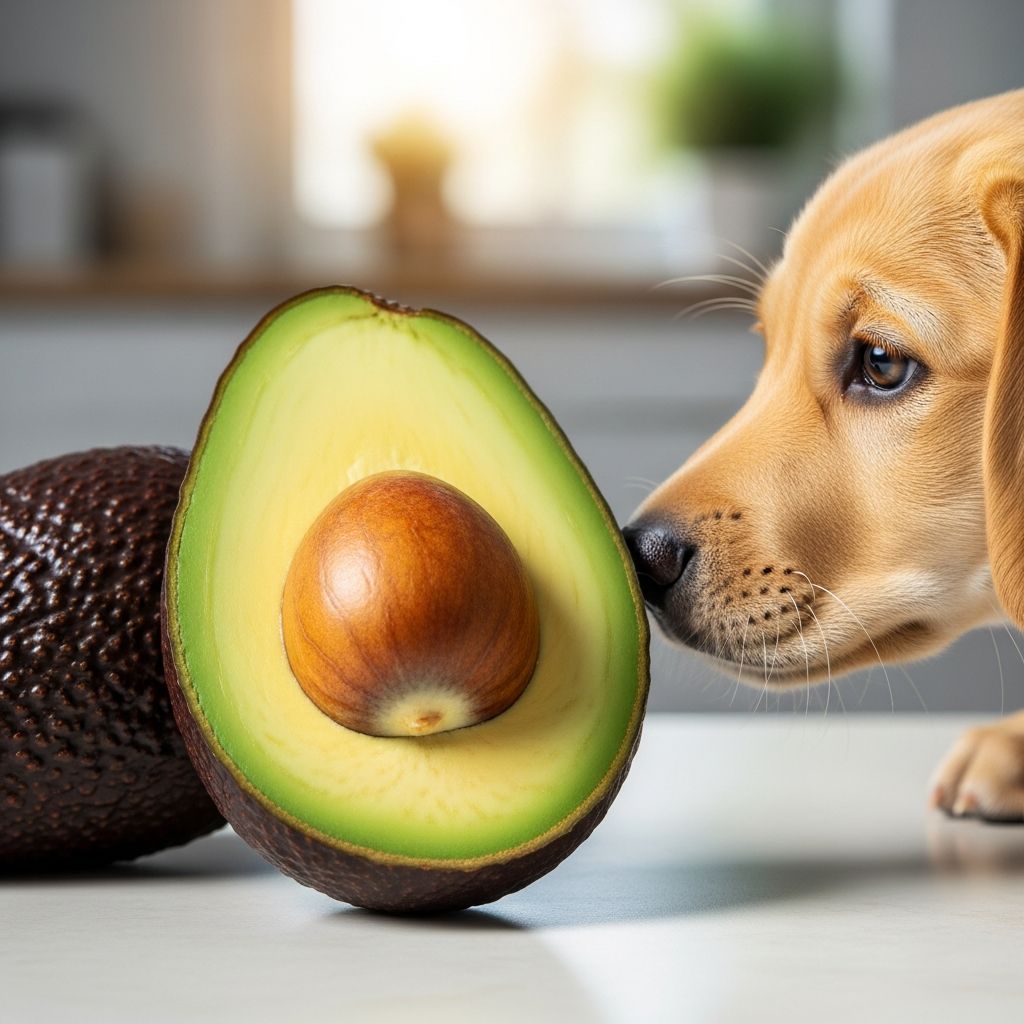
Avocado for Dogs: What Pet Owners Should Know
As a devoted pet owner, you may wonder whether sharing your favorite foods with your dog is a good idea. Avocado, with its creamy texture and nutrient-rich profile, seems like it might be a healthy snack to share with your canine companion. However, the question of whether dogs can safely consume avocado is more nuanced than a simple yes or no. Understanding the complexities of avocado and canine health requires examining both the potential benefits and significant risks involved in offering this fruit to your pet.
The Straightforward Answer: Can Dogs Have Avocado?
Dogs can consume small portions of avocado flesh under specific circumstances, but this should only occur occasionally and with careful consideration. The critical factor is understanding which parts of the avocado are safe and which present serious health dangers. Many pet owners assume that because avocado is nutritious for humans, it must be equally beneficial for dogs. This assumption overlooks important physiological differences between species and the unique challenges that certain avocado components present to canine digestive systems.
The avocado fruit contains a naturally occurring compound called persin, a fungicidal toxin that affects different animals with varying degrees of severity. While birds and horses experience pronounced sensitivity to persin, dogs demonstrate greater tolerance. However, this increased tolerance does not mean avocado is universally safe for all dogs or that large quantities pose no risk.
Understanding Persin: The Toxic Compound
Persin concentration varies significantly across different parts of the avocado plant. The leaves, skin, and pit contain substantially higher persin levels than the flesh itself. This distribution explains why veterinarians often describe avocado as conditionally acceptable rather than completely safe. When a dog consumes the flesh alone in limited quantities, the persin exposure remains minimal and typically causes no adverse effects in healthy dogs.
The toxicity profile of persin in canines manifests differently than in other species. While horses and birds can suffer severe consequences from minimal persin exposure, dogs require larger quantities to experience significant poisoning. Despite this relative resistance, consuming substantial amounts of persin-containing avocado parts can still trigger serious health complications, ranging from gastrointestinal distress to rare cases of myocardial damage or heart complications.
Physical Hazards Associated with Avocado Consumption
Beyond the chemical composition of the avocado, the fruit’s physical structure presents distinct dangers to canine safety. The pit, in particular, represents a substantial choking hazard that should never be underestimated. Unlike softer foods that dogs can manage even if swallowed incorrectly, an avocado pit’s hard, smooth surface can easily become lodged in a dog’s throat, creating an immediate airway emergency requiring urgent veterinary intervention.
The consequence of pit ingestion extends beyond choking incidents. If a dog manages to swallow an avocado pit without choking, it can cause severe intestinal blockage deeper within the digestive tract. This obstruction can become life-threatening, potentially requiring surgical intervention to remove the foreign object. The combination of high persin concentration in the pit and the physical blockage risk makes this aspect of avocado particularly concerning for pet owners.
The High-Fat Content Problem
Even when pet owners carefully remove the skin and pit, offering their dog avocado flesh still carries nutritional risks related to fat content. Avocados rank among the highest-fat fruits available, containing significantly more dietary fat than most other foods dogs typically consume. While the fatty acids in avocados offer health benefits for human consumption, excessive fat intake poses serious health concerns for dogs.
A dog’s digestive system processes high-fat foods differently than the human digestive system. Consuming avocado regularly or in substantial quantities can trigger multiple health complications, including gastrointestinal upset, chronic digestive disturbances, weight gain, and pancreatitis. Pancreatitis, an inflammatory condition of the pancreas, can range from mild and manageable to life-threatening depending on severity and the individual dog’s constitution. This condition frequently begins with subtle signs like vomiting, which can progress to serious complications if left untreated.
Identifying Avocado Toxicity Symptoms in Your Dog
Pet owners should recognize the warning signs that indicate their dog has consumed an unsafe amount of avocado or potentially toxic parts of the fruit. The symptoms of avocado-related illness can vary in intensity and onset timing.
- Gastrointestinal symptoms: Vomiting and diarrhea represent the most common indicators of avocado consumption problems
- Digestive irregularities: Unusual stool consistency, difficulty defecating, or constipation may develop
- Abdominal manifestations: Your dog may display signs of abdominal discomfort, pain, or distress
- Severe complications: In rare instances, more serious conditions like pancreatitis can develop with symptoms including persistent vomiting and progressive lethargy
If you observe any of these symptoms after your dog has accessed avocado, monitoring for 24 to 48 hours is essential, and veterinary consultation should occur if symptoms persist or worsen. Early intervention can prevent minor incidents from developing into serious medical emergencies.
The Distinction Between Fresh and Processed Avocado Products
An important distinction exists between fresh avocado offered as a table snack and avocado-derived ingredients found in commercial dog food products. Many premium dog food brands incorporate avocado meal or avocado oil into their formulations, and these ingredients differ significantly from whole avocado in both composition and safety profile.
Avocado meal represents ground and dried avocado flesh that has been processed through controlled manufacturing methods. These formulations undergo rigorous quality control and nutritional balancing to ensure safety and appropriateness for canine consumption. Additionally, the drying and grinding process alters the nutrient composition and concentration, making these products substantially different from raw avocado flesh. Dogs can consume commercial dog foods containing these processed avocado ingredients without the risks associated with whole avocado consumption.
Nutritional Benefits When Avocado Is Safely Incorporated
When dogs consume avocado through properly formulated commercial dog foods containing avocado meal or avocado oil, they can access legitimate nutritional advantages. These processed forms provide beneficial nutrients without the risks inherent in whole avocado.
Avocado-derived ingredients supply vitamins that support various bodily functions: vitamin A for vision and immune function, B vitamins including B6 for metabolic processes, vitamin C for immune support, and vitamin E for antioxidant protection. The fruit also provides minerals like potassium, which maintains proper heart and muscle function, and fiber that supports digestive health. Omega fatty acids and other beneficial fats promote skin health, maintain coat quality, and provide anti-inflammatory benefits.
However, these same nutritional compounds are available through alternative ingredients that carry fewer associated risks. While avocado offers legitimate nutritional value, it remains optional rather than essential in a well-balanced canine diet.
Avocado Oil: A Separate Safety Consideration
Avocado oil deserves particular attention because its safety profile differs from both whole avocado and avocado meal. Pure avocado oil contains no persin since the toxin concentrates in the fruit flesh, skin, leaves, and pit rather than the extracted oil. This distinction might suggest avocado oil is safe for canine consumption.
However, avocado oil presents its own concern related to extremely high fat content. Despite containing beneficial compounds like vitamin E and anti-inflammatory omega fatty acids, avocado oil’s concentrated fat profile makes it unsuitable for most dogs. The risk of triggering pancreatitis or gastrointestinal upset remains present even though persin toxicity is not a concern. Pet owners should avoid routinely offering avocado oil to their dogs to prevent fat-related health complications.
Safe Feeding Guidelines for Dog Owners
For pet owners who wish to occasionally share avocado with their dogs, following specific safety protocols minimizes risk substantially. These guidelines prioritize your dog’s wellbeing while preventing accidental exposure to dangerous components.
- Offer only the flesh of ripe avocados, never unripe fruit
- Remove all skin completely before serving any portion to your dog
- Remove and discard the entire pit, ensuring no fragments remain accessible
- Provide only tiny portions as an occasional treat, never as a regular dietary component
- Consult your veterinarian before introducing avocado, particularly for dogs with existing digestive sensitivities or health conditions
- Never allow your dog unsupervised access to whole avocados or avocado plants
- Monitor your dog closely after consuming any avocado to observe for adverse reactions
When to Seek Veterinary Assistance
Certain situations warrant immediate veterinary consultation or emergency care. If your dog has consumed a significant quantity of avocado, ingested the pit or skin, or displays any symptoms of distress within hours of avocado consumption, contact your veterinarian promptly. Situations involving suspected intestinal blockage, persistent vomiting, or signs of pancreatitis demand emergency veterinary attention regardless of timing.
Even without visible symptoms, providing your veterinarian with information about avocado consumption allows them to monitor for delayed complications. Some conditions like pancreatitis can develop gradually, and professional guidance helps ensure early detection and intervention.
Alternative Nutritious Treats for Your Dog
Given the complexity and potential risks surrounding avocado, numerous alternative foods offer similar nutritional benefits without the associated dangers. Carrots provide vitamins and minerals with a lower caloric density. Blueberries deliver antioxidants and vitamins. Plain pumpkin offers fiber and digestive support. Sweet potatoes provide vitamins and minerals with a safer fat profile. These alternatives allow you to share wholesome foods with your dog while maintaining a more straightforward safety profile.
Frequently Asked Questions
Can puppies eat avocado?
Puppies have more sensitive digestive systems than adult dogs, making avocado even less suitable for young animals. The high fat content poses particular risks during the growth phase, and the choking hazard remains equally present. Puppies should not consume avocado under any circumstances.
What if my dog ate an entire avocado?
This situation represents a potential emergency. Monitor your dog closely for the next 24 to 48 hours and contact your veterinarian immediately. The combination of high fat intake and potential persin exposure requires professional assessment to determine appropriate next steps.
Is avocado toxic if my dog ate the pit?
While the pit’s toxicity from persin is a concern, the more immediate danger is intestinal blockage. A swallowed pit can cause serious complications requiring surgical intervention. Seek emergency veterinary care if you suspect your dog has swallowed an avocado pit.
Can dogs eat guacamole?
Guacamole typically contains avocado plus additional ingredients like onion, garlic, salt, and lime juice. Several of these components are toxic to dogs, making guacamole completely inappropriate for canine consumption regardless of avocado content concerns.
Are there dog breeds more susceptible to avocado problems?
Dogs predisposed to pancreatitis, digestive sensitivities, or those with existing health conditions face elevated risks. Smaller dog breeds may be more severely affected by the choking hazard. Discuss your specific dog’s health status with your veterinarian.
References
- Can Dogs Eat Avocado? Why the Answer Isn’t So Simple — Spark Paws. 2024. https://www.sparkpaws.com/blogs/community/can-dogs-eat-avocado
- Can Dogs Eat Avocado? What You Need to Know to Keep Your Dog Safe and Healthy — PetNation Care. 2024. https://www.petnation.care/blog/can-dogs-eat-avocado-what-you-need-to-know-to-keep-your-dog-safe-and-healthy
- Can Dogs Eat Avocado? Safety Tips for Pet Parents — Chewy. 2024. https://www.chewy.com/education/dog/food-and-nutrition/can-dogs-eat-avocado
- Can Dogs Eat Avocado? Benefits and Risks — The Honest Kitchen. 2024. https://www.thehonestkitchen.com/blogs/pet-food-ingredients/can-dogs-eat-avocado
- Can Dogs Eat Avocado? — American Kennel Club. 2024. https://www.akc.org/expert-advice/nutrition/can-dogs-eat-avocado/
- Can Dogs Eat Avocado? — PetMD. 2024. https://www.petmd.com/dog/nutrition/can-dogs-eat-avocado
Similar Articles








Read full bio of medha deb