

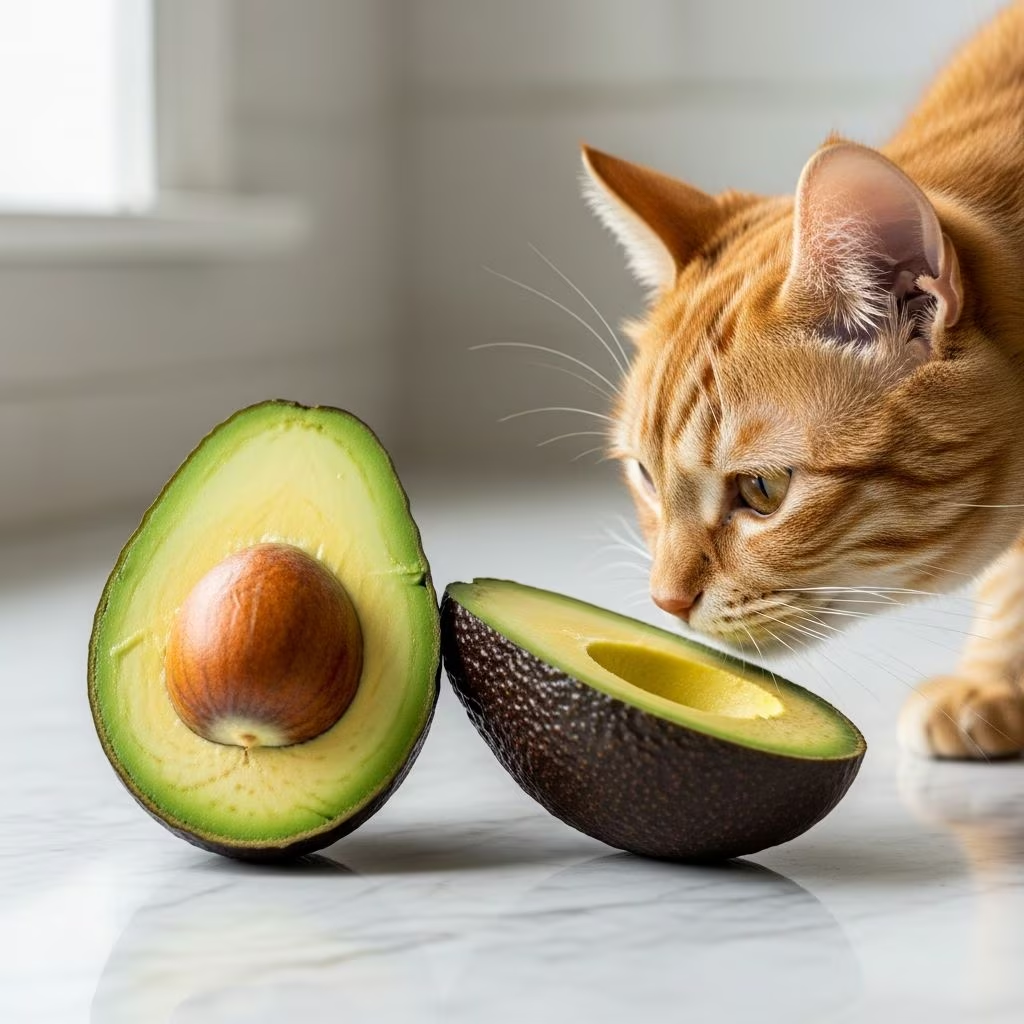
Avocados offer humans a nutrient-packed superfood, but for cats, the story is more nuanced. While the creamy flesh contains minimal toxins and can be given in tiny amounts, other parts like the pit and skin harbor dangers that make avocados a food to approach with caution.
Understanding Avocado’s Composition and Feline Biology
Cats are obligate carnivores, meaning their bodies are optimized for meat-based diets rich in animal proteins and fats. They lack the enzymes to efficiently process many plant compounds, which influences how they handle foods like avocado. This fruit boasts monounsaturated fats, fiber, vitamins such as K, C, E, and B-complex, plus potassium and antioxidants—benefits that shine for humans but offer little to cats due to their unique nutritional needs.
The key concern revolves around persin, a fungicidal toxin naturally present in avocados. Persin levels vary: highest in leaves, bark, skin, and pit; lowest in the flesh. For cats, persin sensitivity is lower than in birds or livestock, but it’s not zero risk.
Breaking Down Avocado Parts: Which Are Dangerous?
Not all avocado is equal when it comes to cat safety. Here’s a detailed look:
- Flesh (Meat): Contains trace persin, deemed safe in moderation. High in calories (about 160 per 100g) and fats, it provides no essential nutrients cats can’t get from meat. Overfeeding risks obesity, diarrhea, or pancreatitis.
- Pit: A major choking hazard; even if swallowed, it can cause intestinal blockages. Loaded with persin, it demands immediate vet attention if ingested.
- Skin and Leaves: High persin concentration can lead to vomiting, diarrhea, or respiratory issues. Keep these out of reach, including from trash or yard trees.
| Avocado Part | Persin Level | Risks for Cats | Safe Amount |
|---|---|---|---|
| Flesh | Low | GI upset, weight gain, pancreatitis (large amounts) | Tiny portions (<1 tsp) |
| Pit | High | Choking, blockage, toxicity | None |
| Skin/Leaves | High | Vomiting, diarrhea, heart issues | None |
Nutritional Upsides Versus Downsides for Cats
Proponents highlight avocado’s healthy fats like oleic acid, which have anti-inflammatory effects, and antioxidants that combat free radicals. In theory, these could support skin health or reduce inflammation. However, cats derive negligible benefits since their diet prioritizes taurine and arachidonic acid from animal sources—compounds absent in plants.
Downsides dominate: the fat content (15g per 100g) exceeds what most cats need, potentially triggering pancreatitis, especially in seniors or those with GI sensitivities. Large servings cause loose stools or vomiting due to poor plant digestion.
Special Cases: Kittens, Seniors, and Health-Compromised Cats
Vulnerable felines face amplified risks. Kittens’ immature digestive and immune systems make even flesh problematic; stick to kitten formula.
Senior cats or those with pancreatitis history, gastritis, or obesity should avoid avocado entirely—the fat exacerbates inflammation.
Outdoor cats near avocado trees risk nibbling toxic leaves or bark, where persin concentrates higher.
Avocado Oil and Derivatives: Worth the Hype?
Avocado oil mirrors the flesh’s profile: low persin, high absorbable fats. Some sources suggest micro-doses for coat shine via topical use, but ingestion risks pancreatitis. Vets often advise against it internally.
Guacamole or seasoned avocado? Absolutely not—onions, garlic, and spices add toxicity layers.
Safe Feeding Guidelines If You Choose to Offer It
Moderation is key. Limit to 1/4 teaspoon of plain, mashed flesh per 10 pounds of body weight, no more than once weekly. Mix into wet food to monitor intake.
- Consult your vet first, especially for health issues.
- Mash finely to prevent choking.
- Store remnants securely; no counter surfing.
- Watch for reactions: lethargy, drooling, vomiting warrant immediate care.
Better alternatives: commercial treats or vet-approved toppers with fish oil for omegas.
Recognizing and Responding to Avocado-Related Issues
Symptoms of trouble include:
- Vomiting or diarrhea
- Abdominal pain (hunching, reluctance to eat)
- Lethargy or weakness
- Difficulty breathing (rare, severe persin cases)
Act fast: remove access, hydrate, and call your vet or poison hotline. Most flesh incidents resolve, but pits demand x-rays.
Why Cats Don’t Need Plant Superfoods
Obligate carnivores require 50%+ protein, with essentials like taurine preventing blindness or heart failure. Avocado’s plant nutrients go unutilized; focus on balanced kibble or raw diets.
Human trends like ‘superfood’ snacks mislead—cats thrive on species-appropriate nutrition, not trendy fruits.
FAQs
Is avocado toxic to cats?
Flesh is non-toxic in tiny amounts; pits, skin, leaves contain harmful persin levels.
How much avocado can I give my cat?
No more than 1/4 tsp mashed flesh per 10 lbs body weight, infrequently. Vet approval essential.
Can avocado cause pancreatitis in cats?
Yes, high fat content risks inflammation, especially in predisposed cats.
Is avocado oil safe for cats?
Minimal internal use possible but risky; prefer topical with vet okay.
What if my cat ate an avocado pit?
Choking/blockage risk—seek emergency vet care immediately.
Conclusion: Prioritize Caution
Avocados aren’t a feline staple. While small flesh tastes won’t harm most healthy adults, risks outweigh sparse benefits. Opt for cat-specific nutrition to keep your pet thriving.
References
- Can Cats Eat Avocado? — PetMD. 2023-10-15. https://www.petmd.com/cat/nutrition/can-cats-eat-avocado
- Can Cats Eat Avocado? Everything You Need to Know — Pawlicy Advisor. 2024-05-20. https://www.pawlicy.com/blog/can-cats-eat-avocado/
- Can Dogs & Cats Eat Avocados? — Hill’s Pet Nutrition. 2023-08-10. https://www.hillspet.co.id/pet-care/nutrition-feeding/can-dogs-and-cats-eat-avocados
- Can Cats Eat Avocado? — Chewy. 2024-02-28. https://www.chewy.com/education/cat/food-and-nutrition/can-cats-eat-avocado
- Can Cats Eat Avocado? All You Need to Know — Untamed. 2024-01-12. https://untamed.com/blogs/nutrition/can-cats-eat-avocado



