
Avian Veterinarian Guide: Comprehensive Care And How To Choose
Discover the vital role of avian veterinarians in bird health, from pet care to wildlife conservation and disease prevention.
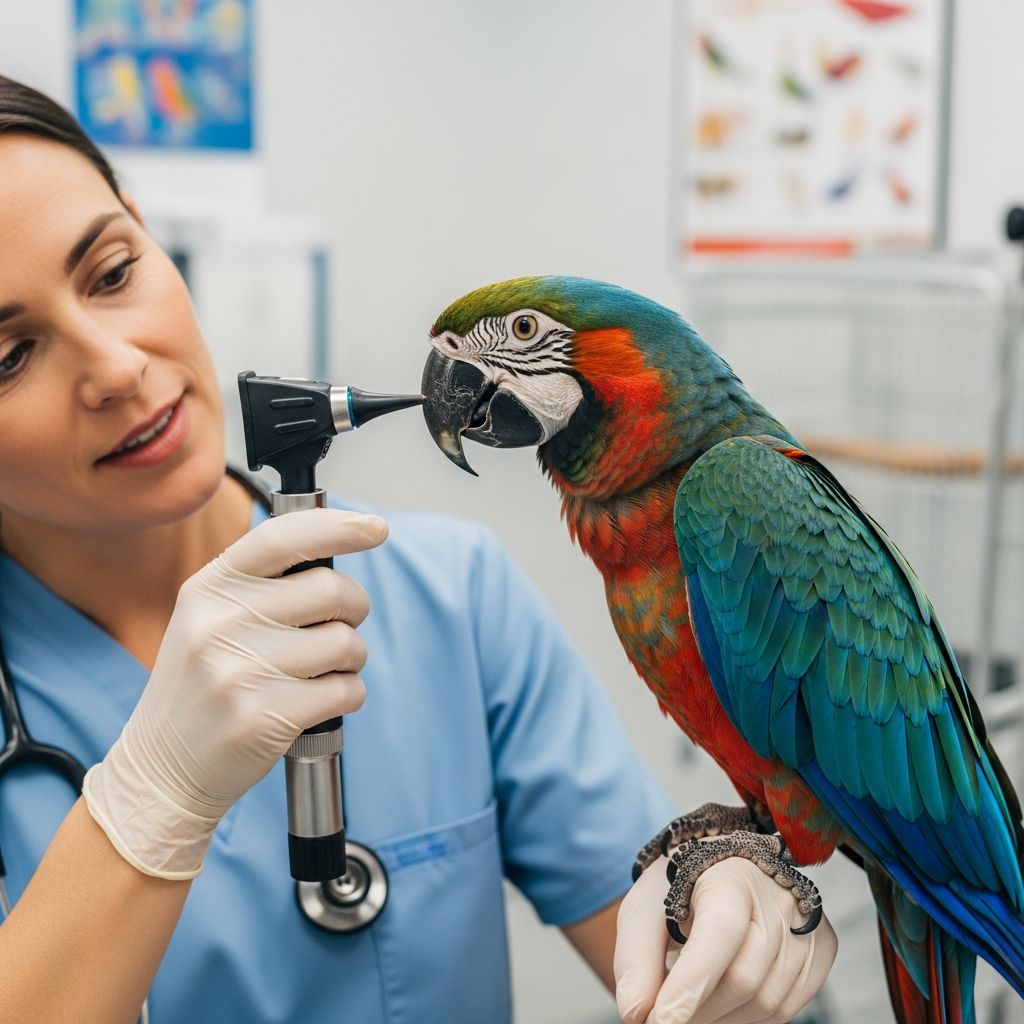
Avian veterinarians specialize in the health and medical needs of birds, offering expertise that goes beyond general veterinary practice to address the unique physiology and behaviors of avian species. These professionals play crucial roles in pet care, commercial poultry operations, and wildlife preservation, ensuring birds thrive in various environments.
The Unique World of Avian Medicine
Birds possess distinct anatomical features, such as lightweight skeletons, rapid metabolisms, and specialized respiratory systems, which demand tailored medical approaches. Unlike mammals, birds often mask illness until advanced stages due to their prey instincts, making proactive veterinary intervention essential. Avian vets bridge this gap by providing specialized diagnostics and treatments that general practitioners may not handle effectively.
Educational Path to Becoming an Avian Vet
Aspiring avian veterinarians start with a rigorous veterinary degree, typically a Doctor of Veterinary Medicine (DVM) or Bachelor of Veterinary Science (BVSc), covering all animal species. Post-graduation, they pursue advanced training in avian medicine through internships, residencies, or certifications from bodies like the Association of Avian Veterinarians (AAV).
- Core Veterinary Training: Foundational knowledge in anatomy, pharmacology, and surgery applicable to all animals.
- Specialized Avian Studies: Focus on bird-specific diseases, nutrition, and husbandry.
- Board Certification: Passing exams from organizations like the American Board of Veterinary Practitioners (ABVP) in Avian Practice for diplomate status.
This pathway equips them to handle everything from routine checkups to complex surgeries, often extending to exotic pets like reptiles.
Core Responsibilities in Daily Practice
Avian veterinarians engage in multifaceted tasks to maintain bird health. Their days involve detailed examinations, advanced diagnostics, and personalized treatment plans.
| Task Category | Description | Examples |
|---|---|---|
| Examinations | Thorough physical assessments | Feather condition, beak alignment, eye health, foot evaluation |
| Diagnostics | Lab and imaging tests | Blood panels, X-rays, ultrasounds, CT scans |
| Treatments | Medications and procedures | Antibiotics, surgery for tumors, fracture repairs |
| Preventive Care | Wellness and education | Vaccinations, diet advice, behavioral counseling |
Emergency responses, such as treating poisoning or trauma, are common, alongside client education on proper housing and nutrition to prevent issues like feather plucking.
Diverse Specializations Within Avian Veterinary Medicine
Avian vets tailor their expertise to specific niches, reflecting the broad spectrum of bird-related needs.
- Companion Bird Specialists: Focus on pets like parrots, cockatiels, and finches, addressing obesity, respiratory infections, and behavioral problems.
- Poultry Production Experts: Manage large-scale flocks, implementing biosecurity, vaccination programs, and disease surveillance to protect food supplies.
- Wildlife and Conservation Vets: Rehabilitate injured native birds and contribute to species recovery efforts amid threats like habitat loss.
- Research and Pathology: Investigate outbreaks, perform necropsies, and develop treatments for emerging diseases.
- Exotic and Zoo Practitioners: Care for birds in aviaries, alongside reptiles and amphibians in mixed practices.
These roles often overlap, with many vets working in clinics, zoos, or research labs.
Work Environments and Career Settings
Avian veterinarians operate in varied settings, each presenting unique challenges and rewards.
- Private clinics offering exotic pet services.
- Wildlife rehab centers with aviaries and quarantine zones.
- Universities conducting avian health research.
- Breeding facilities monitoring reproduction and chick health.
- Government agencies handling biosecurity in poultry.
Some provide mobile services or after-hours care, minimizing bird stress during transport.
Critical Role in Conservation and Public Health
With one in eight bird species facing extinction, avian vets are pivotal in global conservation. They collaborate on population monitoring, habitat restoration, and reintroduction programs. In public health, they tackle zoonotic threats like avian influenza, psittacosis, and salmonellosis, conducting research and advising on control measures.
The One Health approach integrates avian vet work with human and environmental health, emphasizing disease prevention at the human-animal interface.
Supporting Roles: Avian Veterinary Technicians
Vet techs assist avian specialists with hands-on tasks, enhancing clinic efficiency.
- Restraining birds safely during exams.
- Processing samples and aiding imaging.
- Monitoring anesthesia and vitals in surgery.
- Managing records, inventory, and client communications.
State regulations vary, but techs often handle initial assessments for injuries like broken blood feathers or wings.
How Bird Owners Can Choose the Right Avian Vet
Selecting a qualified avian veterinarian ensures optimal care for your feathered companion.
- Verify AAV membership for high care standards.
- Ask about experience with your bird species.
- Inquire on emergency availability and house call options.
- Schedule a consultation to assess rapport and facility setup.
Regular wellness exams are vital, as birds hide symptoms, allowing early detection of issues.
Common Avian Health Challenges and Vet Interventions
Birds face specific ailments requiring expert intervention:
- Respiratory Diseases: Often bacterial or fungal; treated with targeted antibiotics and nebulization.
- Nutritional Deficiencies: Corrected via dietary plans emphasizing pellets over seeds.
- Trauma: Wing fractures or predator injuries managed with splints and pain relief.
- Parasites: Internal worms or mites eradicated through safe dewormers.
- Behavioral Issues: Aggression or self-mutilation addressed via environmental enrichment.
FAQs
What qualifications should an avian vet have?
They hold a DVM/BVSc plus avian-specific training or board certification from AAV or ABVP.
Do all vets treat birds?
No, general vets can but lack bird-specific expertise; seek avian specialists for best outcomes.
How often should my pet bird see a vet?
Annually for wellness checks, more if signs of illness appear, as birds conceal problems.
Can avian vets treat wild birds?
Yes, many work in rehab, aiming for release after treating injuries or illnesses.
What emergencies require immediate avian vet care?
Bleeding, breathing difficulties, seizures, or sudden lethargy demand urgent attention.
References
- What is an avian veterinarian? — Vet Voice. 2023. https://www.vetvoice.com.au/ec/pet-ownership/what-is-an-avian-veterinarian/
- What does an avian veterinarian do? — CareerExplorer. 2024-01-15. https://www.careerexplorer.com/careers/avian-veterinarian/
- Avian Vet Tech School & Career Information — Vet Tech Colleges. 2023-05-10. https://www.vettechcolleges.com/veterinary-technicians/avian-vet-tech
- Avian Vet Care — Linworth Animal Hospital. 2024. https://www.linworthanimalhospital.com/articles/avian-vet-care.html
- Bird Owner Resources — Association of Avian Veterinarians. 2025-02-01. https://www.aav.org/page/birdowners
- What types of birds and cases do Avian Veterinarians typically work with — ZipRecruiter. 2024-08-20. https://www.ziprecruiter.com/e/What-types-of-birds-and-cases-do-Avian-Veterinarians-typically-work-with-and-what-variety-can-I-expect-in-my-day-to-day-responsibilities
- Importance of Veterinary Care in Pet Birds — MSD Veterinary Manual. 2025. https://www.msdvetmanual.com/bird-owners/routine-care-and-safety-of-birds/importance-of-veterinary-care-in-pet-birds
Similar Articles








Read full bio of Sneha Tete


