
Avian Tuberculosis In Poultry: An Essential Guide To Prevention
Comprehensive guide to understanding, managing, and preventing tuberculosis in chickens and other birds for flock owners.
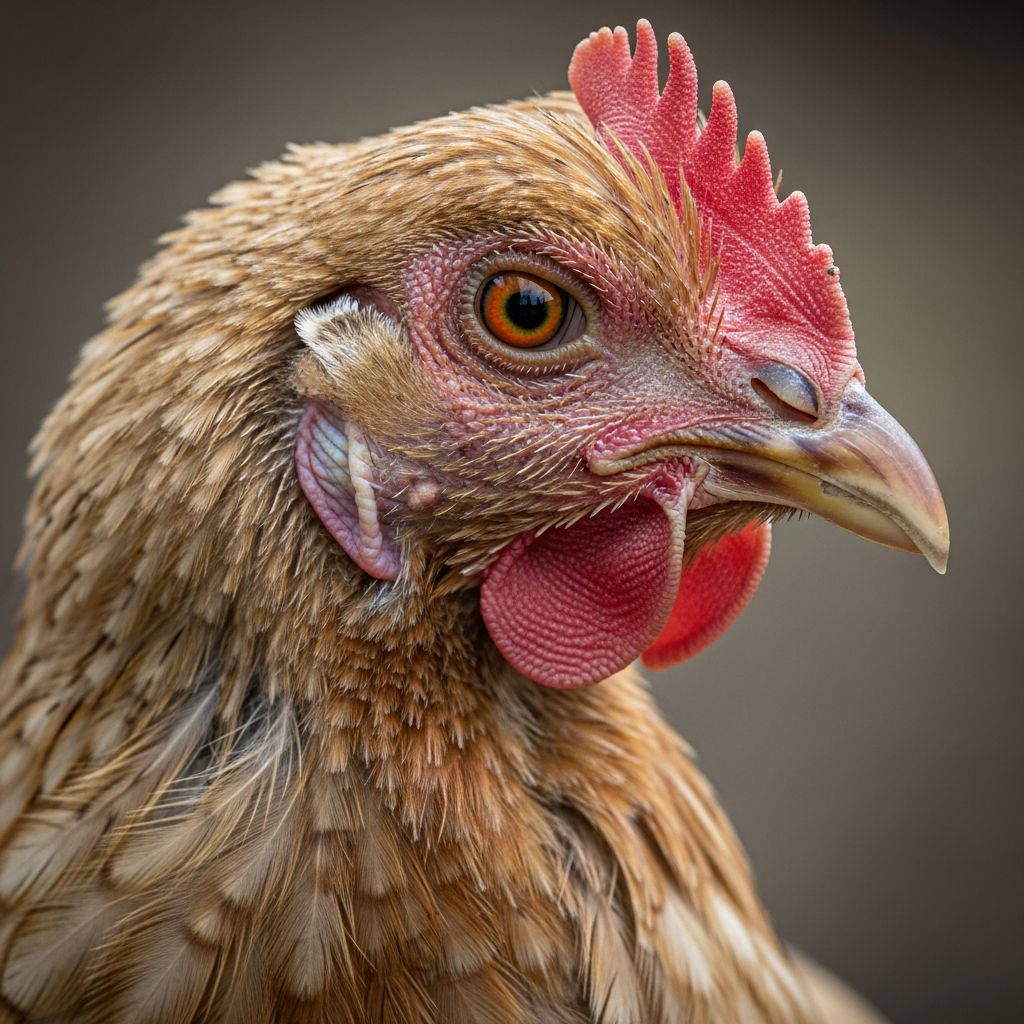
Avian tuberculosis represents a serious chronic bacterial infection primarily affecting poultry such as chickens, turkeys, and other domesticated birds. Caused mainly by Mycobacterium avium, this disease leads to progressive debilitation and high mortality rates in affected flocks, particularly in smaller or less managed operations.
The Pathogen Behind the Disease
The primary culprit is Mycobacterium avium, a hardy bacterium with several subspecies that thrives in various environments. This organism is closely related to those causing tuberculosis in humans and cattle but manifests differently in birds. It demonstrates remarkable resilience, surviving extremes of temperature, dryness, moisture, and many common disinfectants for years in soil or organic matter. Less frequently, Mycobacterium tuberculosis or Mycobacterium bovis may be involved, though M. avium dominates in avian cases.
Infection typically occurs through ingestion of contaminated feed, water, or soil laden with fecal matter from infected birds. Inhalation of dust harboring the bacteria or contact with infected carcasses via fomites like equipment and footwear also facilitates spread. Rodents, wild birds, and predators can act as vectors, amplifying transmission in free-range or backyard settings. The bacterium’s environmental persistence underscores why outbreaks persist in outdoor pens or ground-fed flocks.
Recognizing Clinical Manifestations
Symptoms often emerge late, after months or even years of subclinical infection, primarily in birds over one year old. Affected individuals exhibit gradual emaciation despite maintained appetite, a hallmark of the disease’s insidious nature. Visible signs include:
- Pale, shrunken, dry combs and wattles
- White or persistent diarrhea with soiled vent feathers
- Lethargy and depression
- Reduced egg production and poor weight gain in layers
- Lameness or jerky gait from bone marrow or joint granulomas
- Respiratory distress in advanced pulmonary cases, though rare
- Sudden or sporadic deaths without prior obvious illness
These manifestations stem from granuloma formation—firm nodular masses—in key organs like the liver, spleen, intestines, and bone marrow. Unlike mammalian TB, lung lesions are uncommon due to the oral ingestion route predominant in birds. In pet or exotic birds, signs may include dyspnea, poor feathering, and increased thirst.
Transmission Dynamics in Flocks
Once introduced, the disease spreads slowly but relentlessly within a flock via fecal shedding from clinically normal ‘shedder’ birds. Contaminated litter, feed scattered on the ground, and shared water sources accelerate contagion. Stressors like overcrowding, poor ventilation, high ammonia, and nutritional deficiencies exacerbate shedding and susceptibility.
Backyard flocks face higher risks than commercial operations due to lax biosecurity, multi-species mingling, and ranging practices that expose birds to soil-embedded bacteria. Recent U.S. outbreaks link to free-range chickens on cereal grains alone, highlighting diet’s role in vulnerability. Wild birds or mammals contacting infected poultry can perpetuate environmental reservoirs.
Diagnostic Approaches
Confirming avian TB demands a multi-faceted strategy, as signs mimic other chronic conditions like lymphoproliferative disease or neoplasia. Key methods include:
- Post-mortem examination: Gross inspection reveals yellow-white granulomas in viscera; acid-fast staining confirms mycobacteria microscopically.
- Tuberculin testing: Intradermal injection yields skin reactions, though specificity varies.
- Culture and PCR: Gold standards for isolating M. avium subspecies, identifying genotypes like IS901+ and IS1245+.
- Clinical history: Flock age, progressive losses, and environmental factors guide suspicion.
Early detection is challenging without routine necropsy of culled birds, emphasizing proactive monitoring in at-risk flocks.
Treatment Challenges and Options
Effective treatment is elusive due to the bacterium’s resistance profile and the disease’s chronicity. No licensed therapies exist for poultry, and depopulation remains the standard for infected commercial flocks. Experimental protocols, drawn from avian and human medicine, combine multiple drugs over months:
| Drug | Dosage (per kg body weight) | Frequency | Notes |
|---|---|---|---|
| Isoniazid | 5-30 mg | q12-24h PO | Core regimen component |
| Ethambutol | 10-30 mg | q12-24h PO | Often combined |
| Ciprofloxacin | 80 mg | q24h PO | Fluoroquinolone add-on |
| Clofazimine | 1-12 mg | q12-24h PO | For inflammatory cases |
Supportive care involves isolation, stress minimization, and veterinary oversight. Combinations like clarithromycin with ethambutol show promise against resistant strains, but high costs, prolonged duration, and residue risks render them impractical for food birds. Pet bird owners may pursue these under specialist guidance.
Zoonotic Potential and Public Health
While M. avium can infect humans, it poses minimal threat to immunocompetent individuals, causing localized lymphadenitis or mild pulmonary issues from wound exposure or inhalation. Immunocompromised persons face disseminated risks, emphasizing hygiene during handling of suspect birds or cultures. No widespread food safety concerns exist, unlike bovine TB, but proper cooking mitigates any trace risks.
Prevention: The Cornerstone of Control
Eradication hinges on stringent biosecurity, as vaccination and reliable treatments are absent. Essential strategies include:
- All-in-all-out production to break infection cycles
- Rodent and wild bird exclusion via secure housing
- Clean, elevated feeders and nipple waterers to avoid fecal contamination
- Balanced complete feeds over ground scattering
- Routine culling of aged, emaciated birds (>2 years)
- Disinfection with effective agents; avoid alkaline cleaners
- Quarantine new stock; test high-risk imports
Stress reduction through optimal stocking density, ventilation, and nutrition curbs outbreaks. In the U.S., broiler TB is nearly eradicated via these measures, contrasting persistent issues in layers and backyard flocks.
Impact on Different Poultry Types
Chickens suffer most, with layers showing drops in production before overt signs. Turkeys and gamebirds like pheasants exhibit similar granulomatous lesions but faster progression with M. genavense. Pet birds (parrots, budgies) present diagnostic hurdles due to diverse mycobacteria. Multi-species farms amplify cross-transmission risks.
FAQs on Avian Tuberculosis
Can avian TB spread to humans?
Rarely; mainly affects those with weakened immunity via direct contact.
Is there a vaccine for poultry TB?
No approved vaccine; prevention relies on management.
How long does the bacterium survive in the environment?
Up to four years in soil or protected sites.
What if I suspect TB in my flock?
Isolate suspects, consult a vet for necropsy, and implement biosecurity.
Why is backyard TB more common?
Poörer sanitation, free-ranging, and stress exposure.
Long-Term Management Strategies
For endemic flocks, sentinel monitoring via periodic testing and targeted culling sustains productivity. Research into diagnostics and therapies continues, but biosecurity remains paramount. Flock owners should prioritize education and vigilance to safeguard health and viability.
References
- Avian tuberculosis: Symptoms, Treatments and Prevention — Backyard Chickens. 2023. https://www.backyardchickens.com/articles/avian-tuberculosis-symptoms-treatments-and-prevention.79785/
- Chapter 4 – Tuberculosis — University of Kentucky Animal & Food Sciences. 2024. https://afs.mgcafe.uky.edu/poultry/chapter-4-tuberculosis
- Avian tuberculosis in Chickens: Signs, Treatment & Prevention — PoultryDVM. 2025. https://poultrydvm.com/condition/avian-tuberculosis
- Avian Tuberculosis — Poultry Hub Australia. 2024. https://www.poultryhub.org/all-about-poultry/health-management/disease/avian-tuberculosis
- Tuberculosis in Birds: Insights into the Mycobacterium avium Infections — PMC (PubMed Central). 2011-07-12. https://pmc.ncbi.nlm.nih.gov/articles/PMC3135220/
- Avian Tuberculosis — University of Connecticut Health Center. 2024. https://ovpr.uchc.edu/services/rics/animal/iacuc/ohshome/risk-assessment/avian-tuberculosis/
Similar Articles








Read full bio of Sneha Tete


