
Skeletal and Muscular Health Issues in Companion Birds
Comprehensive guide to recognizing and managing bone and muscle disorders in pet birds
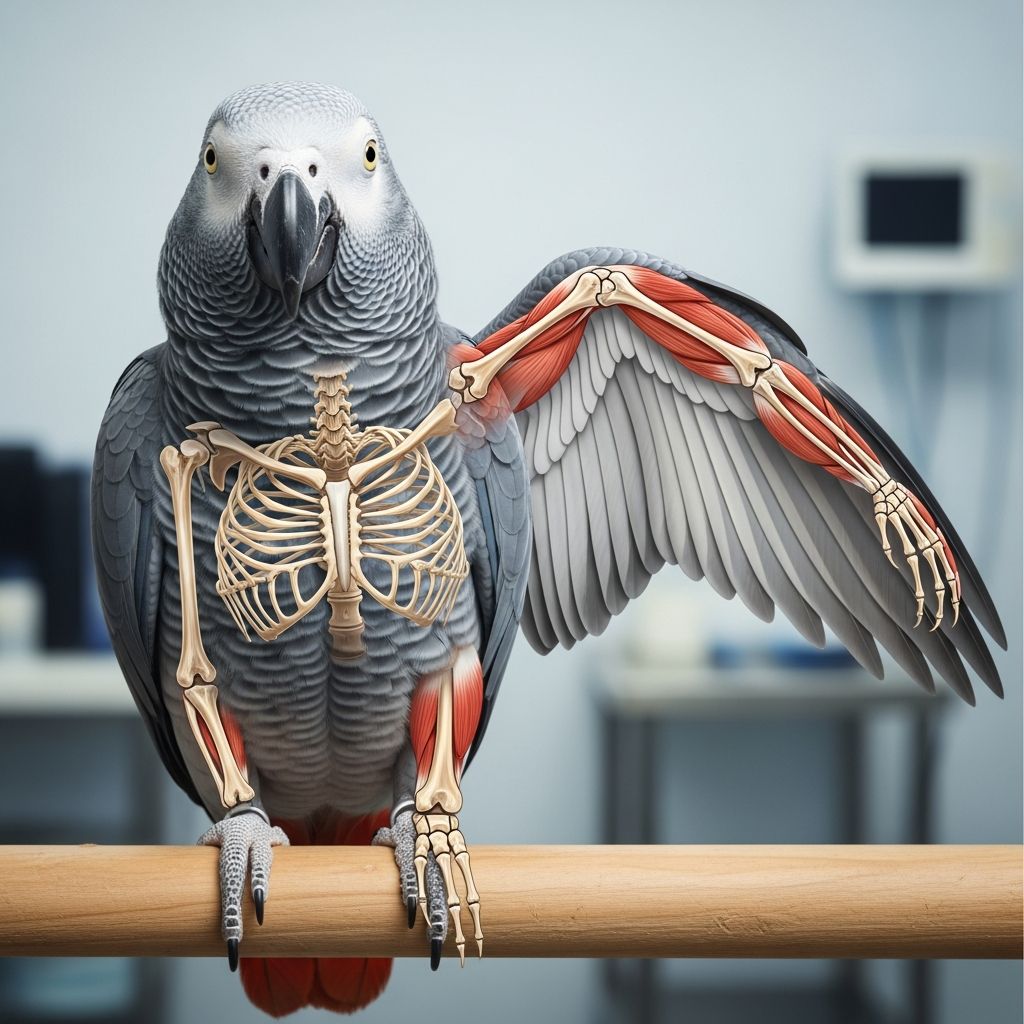
Pet birds, like humans, experience a variety of skeletal and muscular challenges that can significantly impact their quality of life and mobility. Understanding these conditions is essential for bird owners to recognize warning signs early and seek appropriate veterinary intervention. The avian skeletal system possesses unique characteristics that make bone-related disorders particularly complex, requiring specialized knowledge from veterinarians experienced in avian medicine.
Structural Characteristics of Avian Bones
Bird bones differ substantially from mammalian bones in several important ways. Unlike human bones, avian skeletal structures contain pneumatic (air-filled) cavities that serve dual purposes—they reduce overall body weight for flight while simultaneously functioning as components of the respiratory system. This unique anatomy means that bone infections or fractures in birds can have more serious consequences than similar injuries in mammals.
Additionally, bird bones maintain significantly higher calcium content compared to human bones, which paradoxically makes them more brittle and susceptible to developing multiple fractures around a single break site. This increased calcium concentration, while providing structural support, creates a propensity for comminuted fractures (breaks involving multiple bone fragments) that complicate healing and treatment protocols.
Fracture Management and Complications
Bone fractures represent some of the most common orthopedic injuries encountered in pet bird populations. These injuries frequently result from trauma such as falls during flight, collisions with household objects, or crushing incidents within the home environment. While fractures in birds can be managed through veterinary intervention, the repair process involves particular challenges unique to avian physiology.
One significant complication that can arise during fracture healing is bone infection, medically termed osteomyelitis. This condition develops when bacterial pathogens colonize the fracture site, causing inflammation and pain while undermining the body’s natural healing mechanisms. The presence of osteomyelitis can delay fracture healing substantially or render it impossible altogether.
Veterinarians employ several diagnostic tools to identify osteomyelitis:
- Blood tests and bacterial cultures to identify infectious organisms
- Radiographic imaging (X-rays) to visualize bone structure and infection signs
- Advanced imaging such as CT scans for detailed assessment of bone damage
When osteomyelitis complicates a fracture, antibiotic therapy becomes critical to prevent systemic infection. Bacteria present at the fracture site can spread through the bloodstream and establish potentially life-threatening infections in other organ systems, making prompt treatment essential.
Metabolic Bone Disease and Nutritional Factors
Beyond direct trauma, metabolic bone disease (MBD) represents a significant threat to skeletal health in companion birds. This condition encompasses a range of bone deterioration patterns resulting from multiple underlying causes rather than a single disease mechanism. MBD can develop in any bird species and often involves subtle changes in bone density and strength that may not be immediately apparent to untrained observers.
Nutritional imbalances constitute a primary contributor to metabolic bone disease development. Deficiencies in calcium, phosphorus, and essential micronutrients compromise bone formation and maintenance. Particularly problematic are all-seed diets, which lack balanced mineral content despite their popularity among some bird owners. However, research indicates that diet alone does not fully explain MBD development—other contributing factors play equally important roles.
Environmental and behavioral factors significantly influence bone health in ways that extend beyond dietary considerations:
- Sunlight exposure: Limited access to natural or appropriate artificial ultraviolet light impairs vitamin D synthesis and calcium metabolism
- Physical activity: Reduced exercise due to cage confinement or behavioral limitations leads to bone disuse atrophy and decreased bone mineral density
- Developmental nutrition: Young birds receiving suboptimal nutrition from parents or caregivers during critical growth phases may develop permanent skeletal deficits
- Nutritional antagonists: Certain foods contain compounds that interfere with nutrient absorption; excessive spinach consumption exemplifies this concern
Geographic location influences the incidence and severity of metabolic bone disease. Birds residing in regions with limited natural sunlight or predominantly cloudy climates show more pronounced radiographic changes consistent with bone density loss compared to birds in sunnier environments.
Crystal Deposition Diseases and Joint Dysfunction
A distinct category of musculoskeletal disorder develops when abnormal crystal compounds accumulate in joints and surrounding tissues. Gout represents the most clinically significant condition in this category, characterized by deposition of uric acid crystals in articular spaces and soft tissues. Unlike in mammals, gout in birds often develops secondarily to primary kidney dysfunction rather than from primary metabolic uric acid overproduction.
The pathophysiology of avian gout involves several interconnected mechanisms. When kidney function deteriorates, uric acid normally produced by the liver and destined for renal excretion accumulates within the bloodstream. This elevated uric acid concentration leads to crystal precipitation in joints, particularly those bearing significant weight such as foot and leg articulations.
Clinical manifestations of gout produce profound disability:
- Severe joint pain and inflammation that compromises mobility
- Reluctance to perch or stand normally, with birds resting on cage floors instead
- Minimal voluntary movement except when absolutely necessary
- Vocalizations indicating pain during locomotion
While veterinary intervention with medications to suppress uric acid production and manage pain can provide symptomatic relief, the long-term prognosis for gout-affected birds remains guarded due to the underlying kidney disease that precipitated the condition.
Lameness and Its Multiple Etiologies
Lameness—impaired mobility or limb dysfunction—represents one of the most frequently observed clinical signs in birds with musculoskeletal disorders. This symptom can develop acutely following trauma or gradually over time due to progressive disease. Identifying the underlying cause requires systematic veterinary evaluation, as multiple pathologies produce similar clinical presentations.
The differential diagnosis for avian lameness encompasses diverse disease categories:
| Etiology Category | Specific Conditions | Onset Pattern |
|---|---|---|
| Traumatic Injuries | Fractures, luxations (dislocations), soft tissue damage | Acute |
| Infectious Processes | Septic joint infections, bacterial osteomyelitis | Acute to subacute |
| Metabolic Disorders | Bone disease, mineral deficiencies, gout | Gradual to acute |
| Neoplastic Disease | Tumors compressing nerves or invading muscles | Gradual |
| Nutritional Deficiency | Calcium/phosphorus imbalances, vitamin deficiencies | Gradual |
Septic joint infections present particular diagnostic challenges because swelling and pain may develop with or without bone involvement. Neoplastic causes deserve special attention in certain bird species—budgerigars frequently develop kidney and reproductive tumors that compress the sciatic nerve, causing unilateral lameness that owners may initially misinterpret as trauma or injury.
Protein and Muscle-Related Considerations
While bone disorders dominate discussions of avian skeletal health, muscular conditions also merit attention. Muscle tissue in birds can be affected by systemic infections, nutritional deficiencies, and certain neoplastic processes. Some tumor types, particularly lymphosarcoma, preferentially invade skeletal muscle tissue, leading to weakness and impaired mobility that may resemble primary bone disease.
Calcium deficiency produces particularly notable muscular effects. Severe hypocalcemia (abnormally low blood calcium) can precipitate muscle tremors and even seizures, particularly in species such as African grey parrots maintained on inadequate diets. This neuromuscular manifestation represents a medical emergency requiring immediate veterinary attention.
Preventive Strategies and Management Approach
Maintaining optimal skeletal and muscular health in companion birds requires a multifaceted approach addressing nutrition, environment, and activity levels. Comprehensive prevention strategies should encompass the following elements:
- Balanced nutrition: Provide species-appropriate diets containing adequate calcium, phosphorus, and micronutrients rather than seed-based diets
- Light exposure: Ensure birds receive appropriate ultraviolet light exposure, either natural sunlight or specialized avian lighting systems
- Physical activity: Encourage flight, climbing, foraging behaviors, and play to maintain bone density and muscle tone
- Appropriate housing: Provide adequately sized enclosures that permit natural movement and exercise
- Environmental enrichment: Include toys, perches of varying diameters, and opportunities for natural behaviors
Clinical Recognition and Veterinary Consultation
Bird owners should recognize specific signs indicating the need for veterinary evaluation. Changes in gait, reluctance to perch or climb, favoring one limb, swelling around joints, or behavioral alterations such as remaining on the cage floor rather than perching suggest musculoskeletal or systemic disease requiring professional assessment.
Early intervention provides substantially better outcomes than delayed treatment. Fractures benefit from prompt stabilization, bone infections respond better to antibiotics initiated early in the disease course, and nutritional deficiencies are more readily corrected before permanent skeletal damage develops.
Avian veterinarians experienced in musculoskeletal disorders possess the specialized knowledge necessary to differentiate among the many conditions producing similar clinical signs, implement appropriate diagnostic procedures, and develop individualized treatment plans tailored to each bird’s specific condition and species requirements.
Frequently Asked Questions
Can bird bones actually break like human bones?
Yes, birds experience bone fractures despite their apparent delicacy. However, avian bones possess unique characteristics—including higher calcium content and pneumatic (air-filled) structures—that make fractures in birds more complex and prone to multiple break fragments compared to similar injuries in humans.
What dietary factors prevent metabolic bone disease?
Comprehensive, balanced diets containing appropriate calcium-to-phosphorus ratios, adequate vitamin D, and essential micronutrients prevent most nutritionally-related bone disease. Simply supplementing seeds with vegetables and pellets substantially reduces MBD risk. Species-specific dietary requirements should guide nutrition planning.
How much sunlight do birds need for bone health?
Birds benefit from regular exposure to unfiltered or appropriately-filtered natural sunlight. When natural sunlight is unavailable, specialized avian ultraviolet lighting systems can replicate necessary wavelengths. The specific duration and intensity requirements vary by species and geographic location.
Why do some bird species develop lameness more commonly?
Certain species show predisposition to specific conditions—budgerigars frequently develop reproductive and kidney tumors that compress nerves causing lameness, while African grey parrots on inadequate diets commonly experience calcium-related disorders. Genetic factors, dietary preferences, and species-specific vulnerabilities all contribute to these patterns.
Is gout in birds curable?
Gout develops secondary to underlying kidney disease and reflects progressive kidney failure. While medications can suppress uric acid production and manage pain symptoms, the prognosis remains guarded because the fundamental kidney dysfunction cannot typically be reversed. Treatment focuses on comfort and symptom management rather than cure.
References
- Bone and Muscle Disorders of Pet Birds — Merck Veterinary Manual, Teresa L. Lightfoot, DVM, DABVP (Avian). 2024. https://www.merckvetmanual.com/bird-owners/disorders-and-diseases-of-birds/bone-and-muscle-disorders-of-pet-birds
- Perspectives in avian skeletal systems and lameness in broilers — NIH/PMC, peer-reviewed editorial on avian skeletal health. 2023. https://pmc.ncbi.nlm.nih.gov/articles/PMC10296182/
- Development of Metabolic Bone Disease in Birds — Avian Studios, Dr. Scott Echols. 2024. https://avianstudios.com/metabolic-bone-disease/development-of-metabolic-bone-disease-in-birds/
- Diseases of the Musculoskeletal System — Veterian Key, clinical veterinary reference. 2024. https://veteriankey.com/diseases-of-the-musculoskeletal-system-2/
- Common Conditions of Pet Birds — VCA Animal Hospitals, veterinary health information. 2024. https://vcahospitals.com/know-your-pet/common-conditions-of-birds
- Musculoskeletal System Pathology — Pathology of Pet and Aviary Birds, Wiley Online Library. 2024. https://onlinelibrary.wiley.com/doi/10.1002/9781118828007.ch9
Similar Articles








Read full bio of Sneha Tete


