Avian Oncology Basics: Essential Guide To Bird Cancer Care
Discover the essentials of cancer in pet birds, from common types and early signs to modern treatments and prevention strategies for longer, healthier lives.
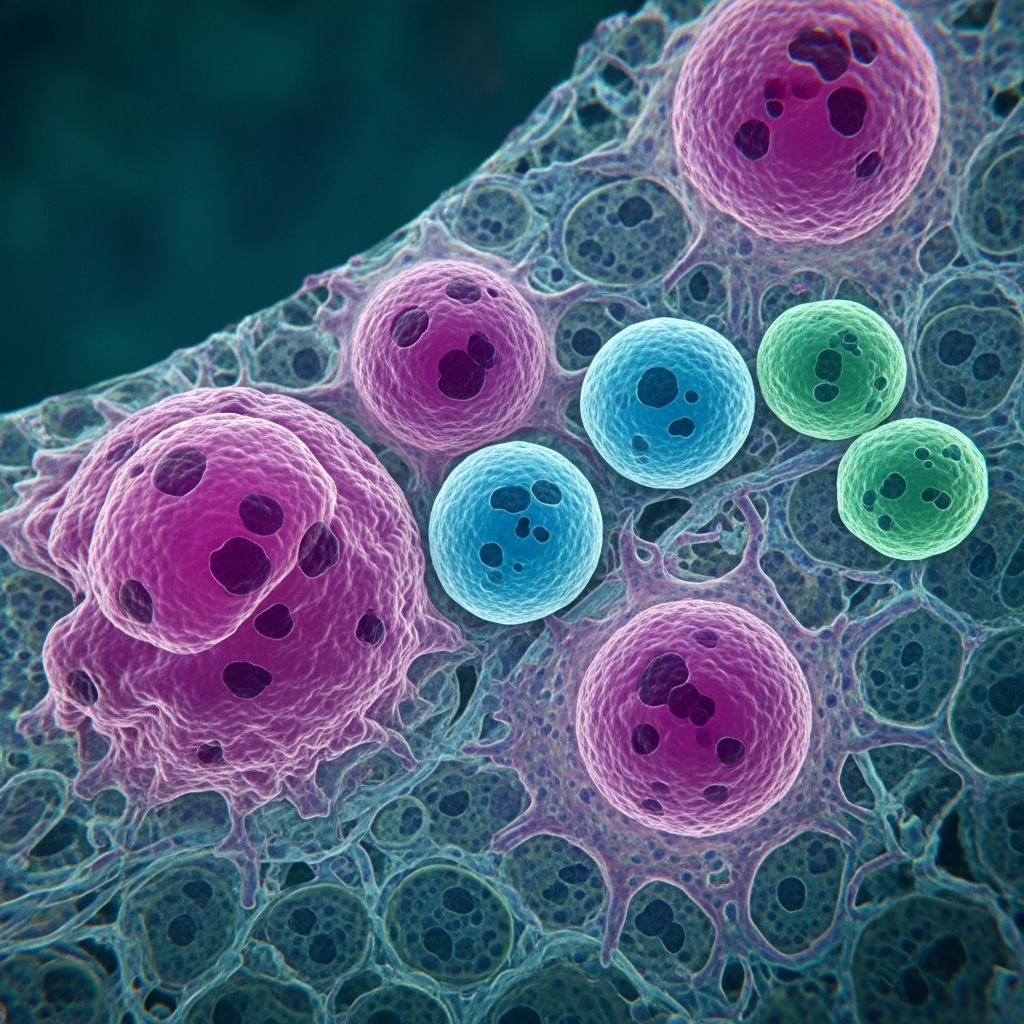
Avian Oncology Basics
Pet birds face various neoplastic conditions that can impact their quality of life and longevity. Understanding these diseases enables owners to seek timely veterinary care, potentially improving outcomes through early intervention.
Distinguishing Tumor Types in Birds
Tumors in avian species divide into benign growths, which remain localized, and malignant cancers that invade tissues or metastasize. Benign examples include lipomas, fatty accumulations often appearing as soft, yellow masses under the skin, and papillomas, wart-like lesions typically viral in origin affecting skin or mucosal surfaces. Malignant forms dominate clinical cases, with lymphoma emerging as the most prevalent internal malignancy in psittacines and passerines, frequently targeting the liver, spleen, and kidneys.
Skin-related malignancies, notably squamous cell carcinomas (SCC), arise from sun-exposed areas like wing tips, toes, beak, and periocular regions. These present as proliferative masses, ulcers, or beak deformities, often linked to chronic irritation or ultraviolet overexposure. Fibrosarcomas, originating in connective tissues, manifest as firm, reddened skin patches or limb swellings, common in budgerigars, cockatiels, and larger parrots. Other glandular cancers like adenocarcinomas affect organs such as the pancreas, bile ducts, or proventriculus, while renal or gonadal tumors cause abdominal distension and lameness via nerve compression.
| Tumor Type | Common Sites | Key Features |
|---|---|---|
| Lymphoma/Lymphosarcoma | Liver, spleen, kidneys, skin | Multicentric; causes weight loss, dyspnea |
| Squamous Cell Carcinoma | Skin, beak, sinuses, crop | Ulcerative, locally aggressive; sun-related |
| Fibrosarcoma | Wings, legs, skin | Firm masses; ulceration possible |
| Pituitary Adenoma | Brain/pituitary | Neurological signs in budgies/cockatiels |
| Adenocarcinoma | Pancreas, stomach, gonads | Abdominal swelling, anorexia |
Recognizing Clinical Manifestations
Early detection hinges on observing subtle changes. General signs encompass lethargy, appetite loss, and unexplained weight reduction, often signaling coelomic masses compressing organs or air sacs. Visible lumps or asymmetrical swellings on the body, head, or extremities warrant immediate scrutiny, as they may indicate cutaneous tumors or xanthomas mimicking malignancies.
Organ-specific symptoms vary: respiratory distress or nasal discharge points to sinus/oral SCC, while regurgitation and dysphagia suggest esophageal or crop involvement. Neurological disturbances like seizures, ataxia, blindness, or paralysis frequently stem from pituitary adenomas in small psittacines or brain lymphomas, accompanied by polydipsia/polyuria if hormones are disrupted. Budgerigars with renal/gonadal tumors display unilateral lameness progressing to paralysis and abdominal enlargement. Canaries cease vocalizing, and African greys develop exophthalmos from retrobulbar lymphoma.
- Behavioral shifts: Reduced activity, hiding, or aggression.
- Physical changes: Feather ruffling, foot swelling, beak overgrowth.
- Systemic effects: Chronic infections secondary to immunosuppression.
Diagnostic Approaches for Avian Neoplasia
Veterinarians employ a multimodal strategy. Physical exams palpate for masses, followed by imaging: radiographs reveal coelomic enlargements or skeletal involvement, while CT scans delineate soft tissue borders, sinus tumors, or pituitary lesions. Ultrasound guides fine-needle aspirates for cytology, confirming neoplastic cells via histopathology. Biopsies provide definitive typing, essential for fibrosarcomas or SCCs. Bloodwork assesses organ function and detects leukemic forms, though antemortem pituitary adenoma diagnosis relies heavily on clinical presentation in susceptible species. Necropsy often uncovers occult gastric or hepatic carcinomas missed clinically.
Therapeutic Interventions Available
Treatment selection depends on tumor type, location, and bird stability. Surgical excision offers the best chance for localized cutaneous SCCs or fibrosarcomas, though recurrence is common due to incomplete margins. Radiation therapy targets periocular or beak SCCs effectively, shrinking lesions with minimal systemic impact. Chemotherapy protocols, including injected antitumor drugs, address multicentric lymphomas or inoperable masses, with variable success in stabilizing psittacines.
Palliative care manages symptoms: fluid therapy combats dehydration from polyuria, analgesics alleviate pain, and nutritional support counters cachexia. For viral papillomas risking malignant transformation, antivirals or excision prevent progression. Advanced cases prioritize euthanasia to prevent suffering, especially with metastatic spread or organ failure.
Factors Influencing Cancer Development
Genetic predispositions affect species: budgerigars prone to pituitary adenomas and renal tumors; cockatiels to fibrosarcomas; African greys to ocular lymphomas. Environmental triggers include excessive UV for SCCs and chronic inflammation promoting neoplasia. Viral agents, like herpesviruses in internal papillomatosis, underlie some adenocarcinomas. Age plays a role, with older birds (>5-10 years) overrepresented in case series.
Preventive Measures for Bird Owners
Minimize risks by limiting direct sunlight or providing UV-filtered lighting for outdoor birds. Routine exams detect growths early; balanced diets reduce obesity-linked lipomas. Quarantine new birds averts viral transmissions. Monitor for trauma or infections, as they foster tumor-promoting inflammation. Annual avian vet checkups, including weights and fecal analyses, facilitate proactive monitoring.
Prognosis Across Neoplastic Conditions
Outcomes vary widely. Benign tumors carry excellent prognoses post-excision. Localized SCCs respond well to radiation/surgery, but internal malignancies like gastric carcinomas or advanced lymphomas often prove fatal due to late detection. Pituitary adenomas cause rapid decline despite palliation. Early intervention elevates survival, with some fibrosarcoma cases recurring locally but not metastasizing.
FAQs on Bird Cancer
Can all bird lumps be cancer?
No, many are benign like xanthomas or abscesses, but biopsy confirms.
Is sun exposure dangerous for my parrot?
Yes, prolonged UV increases SCC risk on exposed skin.
How do I know if my budgie has a pituitary tumor?
Look for sudden blindness, seizures, or excessive thirst.
Are there chemotherapy options for birds?
Yes, targeted injections for accessible tumors.
What if cancer spreads internally?
Focus shifts to comfort care; prognosis diminishes.
References
- Cancers and Tumors of Pet Birds — Merck Veterinary Manual. 2023. https://www.merckvetmanual.com/bird-owners/disorders-and-diseases-of-birds/cancers-and-tumors-of-pet-birds
- Neoplastic Diseases of Pet Birds — Merck Veterinary Manual. 2023. https://www.merckvetmanual.com/exotic-and-laboratory-animals/pet-birds/neoplastic-diseases-of-pet-birds
- Cancers and Tumors in Birds — PetMD. 2023. https://www.petmd.com/bird/conditions/cancer/c_bd_Cancers_and_Tumors
- Avian Cancer — World Budgerigar Organization. 2020. https://www.world-budgerigar.org/article10.htm
- Tumors in Birds: Types, Symptoms and Pictures — Chewy. 2023. https://www.chewy.com/education/bird/general/lumps-and-tumors-in-birds
- Cancer in birds — Bird Veterinarian Melbourne. 2023. https://www.birdclinic.net/avian3.htm
Similar Articles







Read full bio of Sneha Tete